


Two Easy Ways to Start Earning Rewards!
Become a member today! Members-only pricing and offers, personalized care notifications, Vital Care points back on every purchase and more!
 Become a credit card member today!
Earn 2X Pals Rewards points at Petco
when you use Petco Pay!APPLY NOWLearn More About Petco Pay Benefits
Nitrate Levels in Fish Tanks: Saltwater Guide
Published on September 18th, 2023
Updated on July 16th, 2026


Reviewed by Don Spaeth
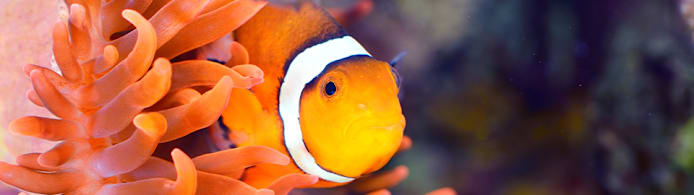
Learn about nitrates in your saltwater aquarium. Find out what is safe for your fish and how to improve your aquarium’s nitrate levels.
As a saltwater aquarist, you already know your aquarium is far from a set-it-and-forget-it operation. Rather, you must continually monitor your aquarium and provide necessary health and wellness solutions to keep your aquatic life happy and healthy. One of the most important components to observe to help maintain ideal water quality is the level of nitrates in your aquarium.
Though nitrates in fish tanks aren’t as lethal as other compounds—like ammonia or nitrites—high nitrates in an aquarium can stress and eventually harm aquatic life. They can also lead to algae blooms and further trouble in your aquatic habitat.
Understanding the nitrogen cycle
How are nitrates in aquariums created? These compounds are a natural part of the nitrogen cycle in your aquatic ecosystem. This process involves the transformation of three compounds—ammonia, nitrites and nitrates.
Ammonia - The nitrogen cycle begins with the introduction of ammonia into your aquarium. Aquatic life produce waste, which is one of the largest sources of ammonia. Decaying food and vegetative material also create ammonia as they break down in your aquarium. Ammonia is highly toxic to fish and other aquatic animals.
Nitrites - Fortunately, a special type of bacteria called Nitrosomonas—also known as nitrogen-fixing bacteria—consume and oxidize the ammonia in your aquarium, converting it into a less toxic compound called nitrite.
Nitrates - Finally, Nitrobacter bacteria oxidize nitrites into nitrates. These nitrates are the end product of the nitrogen cycle and are far less harmful to fish and other aquarium occupants than ammonia or nitrites. In fact, nitrates can serve as food for various aquatic plants and algae.
Saltwater fish can tolerate some nitrates in their environment, but that doesn’t mean they are completely safe. High nitrates in an aquarium can stress your fish and even kill them if levels get too high. The ideal level of nitrates in a saltwater aquarium will depend on the species included in your habitat. However, safe nitrate levels in a saltwater aquarium are typically considered to be no higher than 20 ppm.
What happens when nitrates get too high
Elevated nitrate levels in your aquarium can lead to the creation algae—you may even develop an algae bloom in your habitat. High nitrate levels can also lead to bacterial imbalances and hinder the growth of coral.
Increased nitrate levels can begin to stress your aquatic life. Though you might not notice any immediate issues, this stress can negatively impact your aquatic life’s immune systems and make them more susceptible to disease. They may also have difficulty reproducing. High nitrates in a fish tank will also have a significant impact on young fish and could affect their growth.
Big swings in the level of nitrates in your aquarium can be just as harmful as high levels. Aquatic life can develop a tolerance for a certain level of nitrates in the water, but a big shift can stress your pets or even put them in shock.
Eventually, nitrate levels can rise to the point that it becomes intolerable for your aquatic life. You may notice that your fish become lethargic, or you might see red marks or open sores on their skin. If these conditions are not improved, your aquatic life likely won’t survive.
How to monitor nitrate levels in a saltwater aquarium
The first step to maintaining acceptable nitrate levels in your saltwater aquarium is to know what’s happening in your pets’ ecosystem. You can find many different types of water testing kits to help you—just make sure your kit includes a test for nitrates.
Because every test works a little differently, read and follow the directions on the kit carefully. In most cases, you’ll need to compare the color on your test to a color chart to determine your aquarium’s current level of nitrates. It’s crucial to test your habitat regularly to catch problems early.
Nitrate Levels in Saltwater Fish Tanks: How to Measure, Manage and Reduce Them
Keeping nitrate levels in check is one of the most important — and most overlooked — parts of saltwater fish tank care. Unlike ammonia and nitrite spikes, which tend to cause rapid, visible distress, elevated nitrates creep up gradually and can stress or sicken your fish long before you notice anything is wrong. Here's what you need to know to stay ahead of them.
Understanding Where Nitrates Come From: The Nitrogen Cycle
Nitrates are the end product of a healthy nitrogen cycle. Beneficial bacteria in your fish tank convert toxic ammonia (from fish waste, uneaten food and decaying matter) first into nitrites, and then into nitrates. While nitrates are far less immediately toxic than ammonia or nitrite, they still accumulate over time and must be actively managed Merck Veterinary Manual.
The cycle in plain terms:
- Fish waste and uneaten food break down into ammonia — acutely toxic even at low levels.
- Nitrosomonas bacteria convert ammonia into nitrite — also highly toxic.
- Nitrobacter bacteria convert nitrite into nitrate — less toxic, but harmful when it builds up.
In a fully cycled, stable tank, ammonia and nitrite should read at or near zero. Nitrates, however, will always trend upward unless you actively remove them.
New Tank Syndrome: Why Nitrates Spike in New Setups
If your fish tank is newly established, the beneficial bacteria colonies that drive the nitrogen cycle may not yet be large enough to keep pace with waste production. This lag period — commonly called new tank syndrome — can last anywhere from a couple of weeks to several months Merck Veterinary Manual.
During this window, ammonia and nitrite can reach dangerous levels quickly, and nitrates can follow as the cycle struggles to stabilize. Adding too many fish too soon compounds the problem: more fish means more waste than your developing ecosystem can process, which can trigger algae blooms and a dangerous buildup of ammonia alongside rising nitrates.
How to reduce the risk during cycling:
- Stock slowly. Introduce only a few fish at a time, allowing the bacterial colony to grow in proportion to the bioload.
- Seed the cycle. Transfer a cup of gravel or sand from a healthy, established tank into your new aquarium substrate to introduce live beneficial bacteria immediately.
- Use a bacterial supplement. Commercially available nitrifying bacteria products can jump-start the cycle and shorten the establishment period.
- Test frequently. During cycling, test ammonia, nitrite and nitrate every two to three days so you can catch spikes before they harm your fish.
What Nitrate Levels Are Safe in a Saltwater Fish Tank?
Saltwater fish tanks are generally less forgiving of nitrate buildup than freshwater setups. As a practical benchmark:
| Tank Type | Acceptable Nitrate Range | Notes |
|---|---|---|
| Fish-only saltwater | Below 30–40 ppm | Many fish tolerate this short-term; lower is always better |
| Fish-only with live rock (FOWLR) | Below 20 ppm | Live rock helps process nitrates biologically |
| Reef tank (corals, invertebrates) | Below 5 ppm | Corals and invertebrates are highly sensitive to nitrates |
If your readings are climbing above these thresholds, act promptly. Prolonged exposure to elevated nitrates can suppress immune function, reduce reproductive success and make fish more vulnerable to disease Merck Veterinary Manual. If your fish are showing signs of distress — labored breathing, lethargy, loss of appetite or unusual coloring — consult your veterinarian or an aquatic specialist right away.
How to Test Nitrate Levels in Your Fish Tank
You cannot see nitrates in the water. Regular testing is the only reliable way to know where your levels stand.
Testing options:
- Liquid reagent test kits — Generally more accurate than strip tests; follow the manufacturer's instructions carefully, as the nitrate reagent bottle often requires vigorous shaking before use.
- Test strips — Faster and convenient for routine monitoring, though slightly less precise.
- In-store water testing — Many Petco locations offer complimentary water quality testing if you bring in a sample.
Test your water at least once a week in an established tank, and every two to three days during the cycling period or after any significant change (new fish added, illness, heavy feeding).
How to Reduce Nitrate Levels in a Saltwater Fish Tank
If your test results show nitrates are too high, the goal is to bring them down steadily — not all at once. A sudden, dramatic drop in nitrate concentration can itself stress fish that have slowly adapted to elevated levels .
1. Perform Partial Water Changes
A partial water change is the single most effective tool for lowering nitrates quickly. Replace 10–20% of your tank's water with properly mixed, temperature-matched saltwater. For tanks with persistently high nitrates, increasing the frequency of water changes (for example, moving from bi-weekly to weekly) is often more effective than doing one large change.
Important: Before assuming your tank is the source, test your local tap or well water. Some municipal water supplies contain measurable nitrates, which means you could be adding nitrates with every water change. If your source water tests high, use a reverse osmosis/deionized (RO/DI) system to pre-treat it.
2. Vacuum Your Substrate
Organic waste — uneaten food, fish waste and decaying matter — settles into the aquarium substrate and continues to break down, feeding the ammonia-to-nitrate pipeline. Vacuuming the gravel or sand bed during each water change removes this organic load before it can contribute to rising nitrate levels. Use a gravel vacuum or siphon and work methodically across the bottom of the tank.
3. Reduce the Organic Load
Less waste entering the system means less ammonia produced, which ultimately means fewer nitrates generated.
- Don't overfeed. Feed only what your fish can consume in two to three minutes; remove any uneaten food promptly.
- Don't overstock. More fish means more waste. Follow stocking guidelines for your specific fish tank size and species.
- Remove decaying matter. Promptly remove dead fish, dying plant material or any decomposing décor.
4. Improve Biological and Mechanical Filtration
- Live rock in a saltwater setup provides significant surface area for denitrifying bacteria, which can convert nitrates into harmless nitrogen gas under low-oxygen (anaerobic) conditions.
- Refugiums stocked with macroalgae (such as Chaeto) actively consume nitrates as a nutrient and export them from the system when the algae is harvested.
- Protein skimmers remove dissolved organic compounds before they break down into ammonia, reducing the upstream source of nitrates.
- Nitrate-reducing filter media (such as biopellets or nitrate-specific resins) can supplement your existing filtration in heavily stocked tanks.
5. Grow Macroalgae or Add Live Plants
Algae and aquatic plants consume nitrates as fertilizer. In a saltwater tank, a refugium with fast-growing macroalgae is one of the most natural and effective long-term nitrate export strategies available.
Quick-Reference: Nitrate Reduction Methods at a Glance
| Method | How It Helps | Best For |
|---|---|---|
| Partial water change | Directly dilutes nitrates | All tank types; immediate relief |
| Substrate vacuuming | Removes organic waste before it cycles | All tank types; routine maintenance |
| Reduce feeding/stocking | Less waste = less ammonia = less nitrate | Prevention; overstocked tanks |
| Live rock / refugium | Biological denitrification | Saltwater/reef tanks |
| Protein skimmer | Removes organics before breakdown | Saltwater tanks |
| RO/DI source water | Prevents adding nitrates during water changes | Tanks with high source-water nitrates |
| Nitrate-reducing media | Supplemental chemical/biological removal | High-bioload or reef tanks |
When to Call in Extra Help
If you've taken all of the steps above and nitrate levels remain stubbornly high — or if your fish are showing signs of illness — don't wait. Consult a veterinarian with aquatic experience. Persistent water quality problems can have underlying causes (a failing filter, a hidden source of decay, an undetected disease) that require a professional eye to diagnose and resolve .
How to keep nitrate levels down
The ideal way to lower nitrates in your saltwater aquarium will depend on the root cause. Here are some helpful solutions you can try:
Reduce the amount of aquatic life. The most common contributor of high nitrates in a saltwater aquarium is too much aquatic life in too small a space. Your habitat’s biological filter can only handle a limited amount of waste. If nitrate levels continue to rise quickly in your aquarium, it may be good not to replace any deceased aquatic life until your aquarium’s nitrate level is controlled.
Stop overfeeding. Another very common mistake aquarists make is overfeeding their aquatic life. Overfed pets will produce more waste, which means more ammonia, nitrites and eventually nitrates. Uneaten food will also decay and produce ammonia. A good guideline is to feed your fish only as much saltwater fish food as they can eat in one to two minutes.
Increase the size of your filter. An easy way to ensure your aquarium filters out more waste is to simply purchase a larger, more powerful filter. If you don’t have the right aquarium filter and media for your habitat size, your filter may simply be unable to keep your habitat clean enough. You’ll also want to clean out the filter regularly and replace the filter cartridge monthly, as accumulated waste in a filter can still produce ammonia.
Add live plants, macroalgae and live rock. Live rock house anaerobic bacteria and can help the conversion of nitrates to nitrogen gases, while live plants and macroalgae are eager to gobble up nitrates. They can also add beautiful visual elements to your aquarium. Just make sure to prune your plants and macroalgae—dead pieces left in a tank will decay and produce ammonia.
Specialized filters and media. One final option to address high nitrates in your aquarium is to add a protein skimmer or invest in special filters called denitrators. Protein skimmers help remove waste before it begins the nitrogen cycle, and denitrators are specifically designed to lower nitrate levels. These filters can be somewhat pricey—a lower-cost option would be to purchase filter media designed to capture nitrates that can be added to your existing filter.
Nitrate Level Quick-Reference: Ideal Ranges by Tank Type & Testing Frequency
Use this table as your at-a-glance guide when you pull out your test kit. Numbers reflect generally accepted thresholds in the aquarist community; always confirm with your veterinarian or aquatic specialist if you notice signs of stress in your fish.
| Tank / Inhabitant Type | Ideal Nitrate Range (ppm) | Maximum Tolerable (ppm) | Recommended Testing Frequency | |
|---|---|---|---|---|
| Fish-only saltwater (FOWLR) | < 20 ppm | 40 ppm | Weekly | |
| Reef tank — soft corals | < 10 ppm | 20 ppm | Twice weekly | |
| Reef tank — SPS/LPS corals | < 5 ppm | 10 ppm | Twice weekly | |
| Saltwater fish — general community | < 20 ppm | 30 ppm | Weekly | |
| Saltwater fish — sensitive species (e.g., mandarins, seahorses) | < 5 ppm | 10 ppm | Twice weekly | |
| New tank (cycling phase) | Expect spikes; target 0 ppm by cycle end | Monitor until stable | Every 2–3 days | |
| Freshwater community fish tank | < 20 ppm | 40 ppm | Weekly | |
| Planted freshwater fish tank | 5–10 ppm (plants consume nitrates) | 20 ppm | Weekly |
How to read this table: The "ideal range" is your everyday target — the number you want to see on a healthy, stable test. The "maximum tolerable" is the point at which stress on your aquatic life becomes a real concern and corrective action (partial water change, filter check, reduced feeding) should begin immediately.
Key rule of thumb: If a single test reads above the maximum tolerable threshold, or if two consecutive weekly tests trend upward even within the ideal range, treat it as an early warning and investigate the root cause before levels climb further.
Frequently Asked Questions
What is a safe nitrate level in a saltwater fish tank? For most saltwater fish tanks, nitrate levels below 20 ppm are considered acceptable. Reef tanks housing corals — especially SPS and LPS species — require stricter control, ideally below 5–10 ppm, because corals are far more sensitive to nitrate accumulation than fish alone.
How often should I test nitrate levels in my aquarium? For an established saltwater fish tank, testing once a week is a reliable baseline. Reef tanks and tanks with sensitive inhabitants benefit from testing twice a week. During the initial cycling of a new tank, test every two to three days so you can catch ammonia and nitrite spikes — and the eventual nitrate rise — before they harm your fish.
Can high nitrates kill fish? Yes, if left unaddressed. Elevated nitrates first suppress your fish's immune system, making them more vulnerable to disease, and can impair reproduction and growth in young fish. As levels climb further, fish may become lethargic and develop red marks or open sores. At extreme concentrations, high nitrates can be fatal.
Why do nitrate levels keep rising even after a water change? Rising nitrates after water changes usually point to an ongoing source problem rather than a one-time event. The most common culprits are overstocking (too many fish producing more waste than the biological filter can process), overfeeding (uneaten food decays and feeds the nitrogen cycle), or an undersized or dirty filter. Test your tap water as well — some municipal water supplies contain measurable nitrates before they even enter your tank.
Do live plants and macroalgae actually lower nitrates? Yes. Live plants, macroalgae and live rock all actively consume or convert nitrates. Live rock harbors anaerobic bacteria that convert nitrates into harmless nitrogen gas, while macroalgae and aquatic plants absorb nitrates as a nutrient. Prune them regularly, though — decaying plant matter left in the tank breaks down into ammonia and restarts the problem.
When should I call a veterinarian about nitrate problems? If your fish show persistent lethargy, visible sores, rapid gill movement or loss of appetite — and water-quality corrections haven't resolved the issue within 24–48 hours — consult a veterinarian with aquatic experience. Water chemistry problems can mask or trigger secondary infections that require professional evaluation.
Frequently Asked Questions
How often should I test nitrate levels in a saltwater fish tank? Test your saltwater fish tank's nitrate levels at least once a week during the first few months after setup, when the nitrogen cycle is still stabilizing. Once your fish tank is mature and stable, testing every two weeks is a reasonable minimum — though any time you add new fish, notice behavioral changes, or perform a large water change, test immediately. Consistent monitoring is the single most reliable way to catch rising nitrate levels before they stress your fish.
What are safe nitrate levels in a saltwater fish tank? For most saltwater fish tanks, nitrate levels at or below 20 ppm (parts per million) are generally considered acceptable. Reef fish tanks housing coral and invertebrates often require even lower levels — ideally below 5 ppm — because coral is significantly more sensitive to nitrate accumulation than fish alone. If your readings consistently exceed 20 ppm, begin partial water changes and review your feeding and stocking practices right away. Consult your veterinarian or an aquatic specialist if fish show signs of stress such as lethargy, loss of color, or visible sores.
Can you have zero nitrates in a saltwater fish tank? Achieving a true, sustained reading of zero nitrates in an established, stocked fish tank is extremely difficult and, in most cases, not a realistic goal. Because nitrates are the natural end product of the nitrogen cycle — produced as beneficial bacteria convert ammonia to nitrites and nitrites to nitrates — some measurable level is expected in any healthy, cycled fish tank. Very low nitrate readings in a new fish tank, before the cycle is complete, can actually signal that beneficial bacteria colonies have not yet established, which is a concern in itself. Focus on keeping levels consistently low rather than chasing zero.
What is the best type of nitrate test kit for a saltwater fish tank? Liquid reagent test kits are widely regarded as more accurate than test strips for measuring nitrate levels in saltwater fish tanks, because they are less susceptible to humidity, handling errors, and color-reading inconsistencies. Whichever kit you choose, read the manufacturer's directions carefully — most require you to compare a color-treated water sample against a printed color chart. Replace reagents before their expiration date, as degraded reagents produce unreliable readings. For the most precise results, consider having your water professionally tested at a Petco store as a cross-check against your home kit.
Why do nitrate levels spike even when I do regular water changes? If nitrate levels continue to climb despite regular partial water changes, the most likely culprits are overstocking, overfeeding, or an undersized filter that cannot process the biological load in your fish tank. Your local tap water may also contain elevated nitrates — test it directly to rule this out. Decaying uneaten food, dead plant material, and waste accumulating in the substrate are additional ammonia sources that feed the nitrogen cycle and drive nitrate production upward. Vacuuming the substrate during water changes and feeding only what your fish can consume in one to two minutes are two of the most effective corrective steps.
Are high nitrates dangerous to coral and invertebrates as well as fish? Yes — coral and invertebrates are generally far more sensitive to elevated nitrate levels than fish are. While many saltwater fish can tolerate nitrate levels up to 20 ppm without immediate visible distress, coral and delicate invertebrates can experience slowed growth, bleaching, and tissue damage at levels well below that threshold. If your fish tank includes a reef community, aim to keep nitrates as low as possible — ideally under 5 ppm — and consider adding live rock, macroalgae, or a protein skimmer to help manage nitrate accumulation between water changes. Always consult your veterinarian or an aquatic health specialist if you observe unexplained coral decline or invertebrate die-off.
This article was created with assistance from AI tools and reviewed for accuracy by Petco's content team.
Related Articles


