


Two Easy Ways to Start Earning Rewards!
Become a member today! Members-only pricing and offers, personalized care notifications, Vital Care points back on every purchase and more!
 Become a credit card member today!
Earn 2X Pals Rewards points at Petco
when you use Petco Pay!APPLY NOWLearn More About Petco Pay Benefits
Building a Backyard Pond for Koi & Pond Fish | Petco
Published on September 8th, 2022
Updated on June 18th, 2026


Reviewed by Don Spaeth
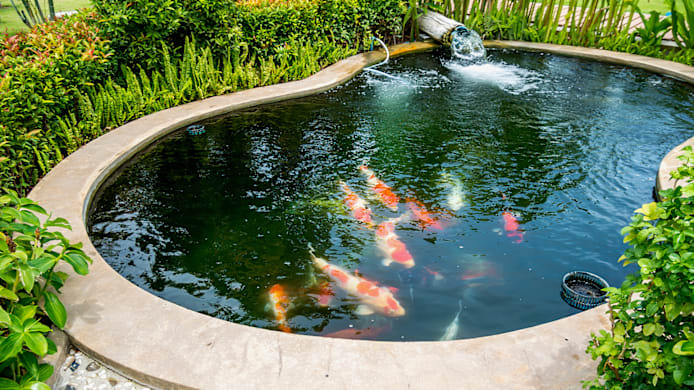
When creating an outdoor fish pond you need the right environment, fish and maintenance to keep your water feature looking its best.
Building a Backyard Pond for Koi and Other Fish
A thoughtfully designed backyard pond adds visual appeal, soothing sound and a thriving micro-ecosystem right outside your door — and if you're considering Petco koi, you're already thinking big in the best way. Koi are among the most rewarding pond fish you can keep, but they do have specific space and water quality needs that should shape every decision you make before you break ground.
The short answer on koi space: Koi require an environment suited to their size. A single koi can grow 12–24 inches or more at maturity, which means your pond dimensions, depth and filtration all need to account for that growth from day one. Other fish species — such as goldfish or smaller ornamental varieties — can thrive in more compact outdoor spaces if a large pond isn't feasible for your yard.
The good news: an outdoor pond doesn't need to be the size of a swimming pool to be rewarding. But building one isn't as simple as digging a hole and filling it with water. Like a home aquarium, a pond requires consistent maintenance, and it's up to you to ensure stable water quality and a safe, enriching environment for your fish. Planning ahead is everything — so let's walk through exactly what you need.
Koi-Specific Pond Requirements at a Glance
Before diving into tools and materials, understand what Petco koi need to thrive. These benchmarks will directly influence the size and setup you choose.
| Requirement | Koi Minimum Guideline | Notes |
|---|---|---|
| Pond depth | 3–4 feet minimum | Protects koi from temperature swings and predators |
| Pond volume | 250+ gallons per koi | More gallons = more stable water chemistry |
| Filtration | Biological + mechanical | Koi produce heavy waste; robust filtration is non-negotiable |
| Water temperature | 59–77°F ideal | Koi are cold-water fish; avoid prolonged extremes |
| pH range | 7.0–8.5 | Test weekly, especially during startup |
| Aeration | Required | Surface agitation or air stones support oxygen levels |
A note on water quality: Koi are sensitive to ammonia, nitrite and nitrate spikes. Cycling your pond fully before introducing any fish is essential. Consult your veterinarian or a Petco aquatics specialist if you notice unusual fish behavior or water clarity issues.
Tools and Materials for Building Your Pond
You may already have an impressive toolkit in your garage, but this project calls for a few specialty items. The essentials below align with common guidance from major DIY resources including Lowe's and Instructables.
Choosing Your Pond Size
Popular beginner sizes for backyard ponds are 5 ft × 4 ft, 4 ft × 6 ft and 6 ft × 8 ft, typically at a depth of 18–24 inches and holding roughly 200–600 gallons. However, if you plan to keep Petco koi, aim for the larger end of that range — or go deeper — to meet their space requirements from the start.
| Pond Footprint | Approx. Gallons (18–24 in. depth) | Best Suited For |
|---|---|---|
| 5 ft × 4 ft | ~200–250 gal | Goldfish, small ornamental fish |
| 4 ft × 6 ft | ~270–360 gal | Goldfish; 1 small/juvenile koi max |
| 6 ft × 8 ft | ~450–600 gal | 2–3 koi (juvenile); plan to expand |
| 8 ft × 10 ft+ | 700+ gal | Recommended starting point for a dedicated koi pond |
What You'll Need (By Pond Size)
Depending on your size and design, gather the following before you start digging:
- Shovel or spade — for excavation
- Pond liner — EPDM rubber liners are widely recommended for durability
- Underlayment or sand — protects the liner from punctures
- Pump and filtration system — size your pump to turn over the full pond volume at least once per hour; for koi, twice per hour is better
- Tubing and plastic hose clamps — connects pump to filter and any water features
- Level — ensures your pond edges are even so water doesn't pool unevenly
- Gravel and rocks — for edging, aesthetics and beneficial bacteria surface area
- Skimmer (optional but recommended for koi ponds) — removes surface debris before it sinks and decays, reducing ammonia load
- Aeration device — air stone, waterfall or fountain to maintain dissolved oxygen
One Thought Before You Dig
Build slightly larger than you think you want. Many first-time pond builders wish they'd gone bigger after their first season — and any fish, especially koi, will appreciate the extra space. If you're committed to keeping Petco koi long-term, designing for their adult size now saves you from a costly rebuild later. A pond you're proud of starts with a plan that respects the fish you're building it for.
Decide where to build your pond
Location, location, location applies to more than real estate. It affects everything from water quality to maintenance effort. Environmental conditions can be a contributing factor when determining pond placement. Flower petals and tree leaves can impact water quality if not removed quickly, as can grass clippings. The chemicals in fertilizers and herbicides can create a toxic environment for aquatic inhabitants if grass clippings fall into their pond water during lawn trimming. Keep all that in mind when choosing your pond’s location.
Check before you dig: Critical to this step is checking with local authorities to make sure your prospective spot won’t turn your DIY project into a nightmare. Always call 811 or contact your local utility location at least two business days before any digging project. This free service notifies utility companies to mark underground lines—gas, water, electric, cable—to help prevent injury, service outages and costly repairs. This also helps preserve good relationships with your neighbors; power lines cover a lot more turf than just your home.
Sunlight balance
Select a spot with some shade so your backyard pond doesn’t receive direct sunlight all day. Depending on the volume of water, a small pond or water feature can heat up quickly and cause dangerous water temperatures for your aquatic life. Additionally, more sunlight also means more algae. Note: Shade provided by trees isn’t ideal. Avoid locating your pond directly under heavy-shedding trees. Falling leaves increase debris, sludge and algae growth.
Aim for:
Partial shade
Protection from intense midday heat
Soil conditions
Rocky or root-dense soil may require additional preparation; while this isn’t a deal-breaker for location, you should be prepared for extra construction time (and tiredness!). Ideal soil is:
- Stable
- Easy to shape
- Free from excessive roots
Access to water and power
Safe electrical access is essential for pond equipment. Choose a site near:
- Outdoor faucet
- GFCI outlet for pumps
Drainage and runoff
Avoid low spots where rainwater collects. Runoff can introduce dirt, fertilizer and contaminants, creating more cleanup work for you and a potentially lethal home for your fish.
Installing the pond in your backyard
Follow these five steps for your pond, with a bonus one at the end!
Step 1: Mark the shape
Visualizing the outline helps refine proportions. Possible tools include:
- Rope
- Garden hose
- Nontoxic spray paint
Step 2: Dig the basin
- Excavate to desired depth, removing rocks, roots and any sharp debris
- Create plant shelves if desired
- Keep edges slightly sloped
Step 3: Add sand or underlayment
A sand layer has three purposes and is a must:
- Cushions the liner
- Helps prevents punctures
- Helps leveling
When adding, smooth and gently compact.
Step 4: Place the pond liner
Preformed plastic liners (9-270 gallons) are easier for beginners, while flexible EPDM rubber liners allow for custom shapes, typically for 50-1,500+ gallon ponds. Carefully:
- Center the liner
- Press into contours
- Avoid stretching
Partially fill the liner with water to help it settle naturally. Note: Do not just grab the garden hose to refill or top off your pond. City water can contain chlorine or chloramine, both of which are toxic to aquatic life. Your pond water needs to be dechlorinated prior to being added.
Step 5: Level the edges
Use a level to ensure even water lines. Adjust the sand beneath the liner if needed.
Optional step 6: Build a waterfall
When TLC warned us against chasing waterfalls, this isn’t what they meant. After all, waterfalls add:
- Oxygenation
- Visual interest
- Relaxing sound
Stack stones securely and conceal tubing.
Installing the pond pump and filters
Proper circulation helps keep water clear and fish healthy.
Pump placement
Position the pump:
- At the pond’s lowest point
- Away from heavy debris zones
Some setups benefit from a small pump well.
Digging a pump recess (if needed)
A shallow recess can:
- Hide equipment
- Improve stability
- Maintain consistent water flow
Connecting tubing
Secure tubing with:
- Plastic hose clamps
- Snug fittings
Check for leaks before final landscaping; this is a variation on “measure twice, cut once” to avoid rework.
Install the filter system
Follow manufacturer instructions for:
- Placement
- Media setup
- Flow direction
In addition to a filter, a UV sterilizer can help prevent your water from turning green.
Fill the pond
As water fills:
- Adjust liner folds
- Confirm levels
Thought to ponder: Concerned about cloudiness? Relax, that’s normal. It may take several hours for the water to clear.
Landscaping your pond
So, you’ve done all the foundational work, now you get to be creative! This stage blends function with creativity. We have listed some possible ideas, but this is the time to create the backyard pond of your dreams.
Thought to ponder: Including rocks and caves in your design gives your fish some hiding spots to help protect them from hungry and curious critters.
Conceal the liner: Cover exposed edges for a natural appearance. You can use:
- Gravel
- River stones
- Decorative rocks
Add plants (optional): Plants can add an additional level of beauty to your aquatic environment. Not only do they enhance the aesthetic, but they can also help improve the water quality. Plants take in nutrients from the water, acting as nature’s filter. Additionally, they absorb carbon dioxide and release oxygen. Plant species such as water lilies provide shade from the sun as well as some camouflage from predators.
Selecting your fish
When it comes to choosing fish for your pond, you don’t have to go for the gold(fish), but that is still an option! Here are some smaller fish species that are suitable for a larger water feature or small pond, listed by adult size:
- Mosquito fish (Gambusia affinis)—1-3 inches
- White cloud mountain minnow (Tanichthys albonubes)—1.5 inches
- Zebra danio (Danio rerio)—2-2.5 inches
- Rosy red minnow (Pimephales promelas)—2-4 inches
- Weather loach (Misgurnus anguillicaudatus)—6-10 inches
- Shubunkin goldfish (Carassius auratus)—8-14 inches
- Comet goldfish (Carassius auratus auratus)—10-12 inches
You’ll notice koi aren’t on this list. That’s because they can grow as large as 36" and have much bigger requirements in terms of both the pond itself and the filtration system.
Additionally, some fish don’t play well with others. Do some additional research on what types can peacefully coexist. Some fish should not be mixed due to aggression or space needs. And even some on the list above have specific temperature needs.
Food requirements: Overfeeding contributes to poor water quality.
Feed:
- Once or twice daily
Only what your fish will eat in 1 to 2 minutes.
Thought to ponder: It’s better to start with fewer fish to test the waters, so to speak. Begin with the lower number of recommended fish based on your pond’s volume and add once you’ve determined your pond water stays clear and clean. Your pond fish will benefit from clean water far more than from more friends.
Pond maintenance
Consistent care helps keep your pond healthy and clear. These are some of the ways to do that.
Pump and filter care: Never wash filter items with chlorinated tap water.
- Clean intake areas regularly
- Rinse filter media using pond water
- Replace components as recommended
Helpful water treatments: These help support water clarity and balance. Common pond care products include:
- Algaecide
- Barley pond cleaner
- Chlorine and chloramine remover
- Sludge remover
- Pond tint
Additionally, some tasks should be done each week, while others are more situational (whenever needed). Light, regular care helps prevent major cleanups.
Weekly tasks
- Skim debris
- Clean skimmer baskets
- Check water level
- Inspect equipment
Periodic deep cleaning: Depending on filtration and debris load.
- Remove excess sludge
- Gently rinse surfaces
- Refill with treated water
Schedule bigger cleanings during warm weather when safer for fish.
Takeaways
A pond is more than a landscape feature. It’s a living system that rewards thoughtful planning and steady care. With proper placement, quality equipment and routine maintenance, your backyard can become a tranquil aquatic escape. Petco is here for everything you need—whether in person during store hours or online at 2 am. There’s nothing fishy about that!
Frequently Asked Questions About Koi Ponds
How deep does a koi pond need to be? Koi ponds should be a minimum of 3 feet (36 inches) deep — significantly deeper than the 18–24 inches suitable for smaller fish species. Greater depth helps protect koi from temperature swings, predators and oxygen depletion during hot summer months. Many experienced koi keepers aim for 4–6 feet in colder climates where ponds may partially freeze.
How many gallons of water does each koi need? A widely cited guideline is a minimum of 250–500 gallons of water per koi, depending on the fish's mature size. Koi can grow 12–24 inches or longer, so overstocking is one of the most common — and most damaging — mistakes a new pond keeper can make. When in doubt, stock fewer fish and give each one more room to thrive.
What water parameters do koi require? Koi are hardy but do have specific water quality needs. Target ranges generally accepted by aquatic life specialists include: pH 7.0–8.5, ammonia and nitrite as close to 0 ppm as possible, nitrate below 40 ppm, dissolved oxygen above 7 mg/L and water temperature between 59–77°F (15–25°C) for optimal health and feeding. Always consult your veterinarian if fish show signs of stress or illness.
What kind of filtration system does a koi pond need? Koi are heavy waste producers, so a two-stage filtration system — combining mechanical filtration (to remove solid waste) and biological filtration (to convert harmful ammonia into less toxic compounds through beneficial bacteria) — is strongly recommended. A UV sterilizer added to this setup can help control green water caused by algae blooms. Size your pump and filter to turn over the pond's full water volume at least once every 1–2 hours.
Is tap water safe to use when filling or topping off a koi pond? No. Municipal tap water typically contains chlorine or chloramine, both of which are toxic to koi and other aquatic life. Any water added to the pond — whether for the initial fill or routine top-offs — must be treated with an appropriate dechlorinator or water conditioner before it contacts your fish.
How many koi can I keep in a backyard pond? Stocking density depends on pond volume, filtration capacity and the mature size of your specific koi. A practical starting rule is no more than 1 inch of fish per 10 gallons of water, though many koi specialists recommend an even more conservative ratio given koi's large adult size and high bioload. Because koi grow quickly, plan your pond size around their full adult dimensions — not their size at purchase. Consult a knowledgeable Petco aquatics associate or your veterinarian for guidance tailored to your setup.
Koi Pond Requirements at a Glance
| Parameter | Minimum Recommendation | Ideal Target | Notes |
|---|---|---|---|
| Pond depth | 3 ft (36 in) | 4–6 ft in cold climates | Protects against temperature swings and predators |
| Water volume per koi | 250 gallons | 500+ gallons | Based on mature fish size |
| pH | 6.8 | 7.0–8.5 | Stable pH matters as much as the number |
| Ammonia (NH₃) | 0 ppm | 0 ppm | Any detectable level is stressful to fish |
| Nitrite (NO₂) | 0 ppm | 0 ppm | Toxic even at low concentrations |
| Nitrate (NO₃) | Below 40 ppm | Below 20 ppm | Managed through water changes and plants |
| Dissolved oxygen | 6 mg/L | 7+ mg/L | Waterfalls and aerators help maintain levels |
| Water temperature | 50°F (10°C) | 59–77°F (15–25°C) | Koi become dormant below 50°F |
| Filtration turnover rate | Once per 2 hours | Once per hour | Higher bioload = more frequent turnover needed |
| Stocking density | 1 in of fish per 10 gal | 1 in per 25 gal (koi) | Koi's large adult size demands conservative stocking |
Pond Fish Comparison: Choosing the Right Species for Your Space
Not every fish thrives in every pond. Before you add any aquatic life, match the species to your pond's volume, depth and climate. The table below covers the most popular choices for US backyard ponds, from compact water gardens to large koi setups.
| Fish Species | Minimum Pond Size | Ideal Depth | Adult Size | Stocking Density (guideline) | Cold Hardiness | Best For |
|---|---|---|---|---|---|---|
| Koi (Cyprinus rubrofuscus) | 1,000 gal / ~8 ft × 6 ft | 3–4 ft | 12–36 in | 1 koi per 250–500 gal | Hardy to zone 5; overwinter in pond ≥ 3 ft deep | Large ponds; pet parents who want interactive, long-lived fish |
| Comet Goldfish | 250–500 gal | 18–24 in | 10–14 in | 1 inch of fish per 10 gal | Hardy to zone 4 | Beginner ponds; smaller backyards |
| Shubunkin Goldfish | 250–500 gal | 18–24 in | 9–18 in | 1 inch of fish per 10 gal | Hardy to zone 4 | Colorful accent fish in mid-size ponds |
| Sarasa Comet | 300–500 gal | 18–24 in | 10–14 in | 1 inch of fish per 10 gal | Hardy to zone 4 | Ponds with partial shade; vibrant red-and-white coloring |
| Fantail Goldfish | 200–300 gal | 18 in | 6–8 in | 1 inch of fish per 10 gal | Hardy to zone 5; less cold-tolerant than comets | Smaller ponds; decorative water gardens |
| Hi-Fin Banded Shark (Myxocyprinus asiaticus) | 500+ gal | 24–36 in | 12–24 in | 1–2 per pond | Tolerates 50–85 °F; not suited for freezing climates | Warm-climate ponds; novelty species |
| Mosquitofish (Gambusia affinis) | 50–100 gal | 12 in | 1–2 in | 10–15 per 100 gal | Hardy to zone 6 | Small water features; natural mosquito control |
| Native Bluegill | 500+ gal | 24–36 in | 6–10 in | Check local regulations | Hardy across most US zones | Wildlife ponds; check state regulations before stocking |
How to read this table:
- Stocking density is a starting guideline, not a ceiling — always factor in your filtration capacity and test water quality regularly. A robust pump-and-filter system (see the installation steps above) lets you stock closer to the upper end.
- Depth matters most for koi. A pond shallower than 3 feet can freeze solid in cold climates, which is fatal. Koi also need depth to escape summer heat; surface temperatures in a shallow pond can spike to dangerous levels on hot days.
- Never mix untested wild-caught fish with pond fish without a quarantine period — introduced pathogens can wipe out an established pond quickly. Consult your veterinarian or a knowledgeable aquatics specialist if you notice unusual behavior or lesions.
- Chlorine and chloramine in tap water are toxic to all species listed above. Always dechlorinate before adding or topping off water, regardless of species. https://www.aspca.org/pet-care/animal-poison-control
Petco tip: If you're building one of the popular beginner sizes — 5 ft × 4 ft to 6 ft × 8 ft holding 200–600 gallons — goldfish varieties are your most forgiving starting point. Save the koi for when you're ready to go bigger. Any fish will appreciate the extra space, and you'll appreciate the easier maintenance.
Frequently Asked Questions
Do koi really need a large pond, or is that a myth? It's true. Koi can reach 12–36 inches at maturity and produce significant waste, so they need at minimum 1,000 gallons and a depth of at least 3 feet to thrive. A smaller pond stresses the fish, degrades water quality rapidly and shortens their lifespan. If your space is limited, goldfish varieties are a far better fit.
Is tap water safe to use when filling or topping off a backyard pond? No. Municipal tap water typically contains chlorine or chloramine, both of which are toxic to fish and beneficial pond bacteria. Always treat tap water with a dechlorinator before it contacts your pond. https://www.aspca.org/pet-care/animal-poison-control
How many fish can I put in my backyard pond? A commonly cited starting guideline is 1 inch of fish per 10 gallons of water, but the real limiting factor is your filtration system. Overloading even a well-filtered pond causes ammonia spikes that can be fatal. Start conservatively, test your water weekly and add fish gradually.
What plants or lawn chemicals should I keep away from my pond? Fertilizers, herbicides and pesticides — including grass clippings treated with these products — can leach into pond water and create a toxic environment for fish. Runoff from low-lying areas after rain is a common culprit. Position your pond away from lawn treatment zones and low drainage spots, and consult your veterinarian if you suspect chemical exposure in your fish. https://www.aspca.org/pet-care/animal-poison-control
How much sunlight does a backyard pond need? Aim for partial shade — roughly 4–6 hours of indirect or dappled light per day. Too much direct sun heats the water to dangerous levels and fuels algae blooms. Too little light limits healthy aquatic plant growth. Avoid placing the pond directly under heavy-shedding trees, which add debris and accelerate sludge buildup.
When should I call a veterinarian about my pond fish? Contact an aquatic veterinarian if you notice fish gasping at the surface, unusual lesions or discoloration, erratic swimming, sudden deaths or a rapid drop in water clarity paired with fish distress. Many pond fish diseases are treatable when caught early, but accurate diagnosis requires professional evaluation — not over-the-counter guesswork.
This article was created with assistance from AI tools and reviewed for accuracy by Petco's content team.


