


Two Easy Ways to Start Earning Rewards!
Become a member today! Members-only pricing and offers, personalized care notifications, Vital Care points back on every purchase and more!
 Become a credit card member today!
Earn 2X Pals Rewards points at Petco
when you use Petco Pay!APPLY NOWLearn More About Petco Pay Benefits
Easiest Saltwater Fish for Beginners (2025 Guide)
Published on July 18th, 2024
Updated on July 16th, 2026


Reviewed by Don Spaeth
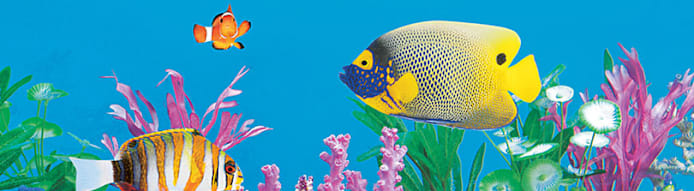
Many types of saltwater fish are identified as having easier requirements for keeping in the home aquarium or recommended for the beginner saltwater hobbyist.
The Easiest Saltwater Fish for Beginners — and How to Set Them Up for Success
If you're wondering which saltwater fish are easiest to keep, a few species consistently rise to the top for first-time marine pet parents: clownfish, damselfish, royal grammas, firefish gobies and chromis. These fish tolerate the minor water-parameter fluctuations that are almost inevitable when you're learning the ropes, and they're widely available at Petco. Once you know which fish you're building around, setting up the right aquarium becomes a much more focused — and far less overwhelming — process.
Why Start with Hardy Marine Species?
Saltwater fishkeeping is genuinely rewarding, but it asks more of you than a freshwater setup. Stable water chemistry is non-negotiable: marine fish are sensitive to swings in salinity, pH, ammonia and nitrite in ways that can quickly become life-threatening Merck Veterinary Manual. Choosing fish that naturally tolerate a modest learning curve gives you the breathing room to dial in your system before adding more delicate species.
Here's a quick look at the beginner-friendly fish most commonly recommended for a first marine aquarium:
| Fish | Temperament | Minimum Tank Size | Relative Hardiness |
|---|---|---|---|
| Ocellaris Clownfish | Peaceful | 20 gallons | Very high |
| Blue/Green Chromis | Peaceful (schooling) | 30 gallons | Very high |
| Firefish Goby | Peaceful | 20 gallons | High |
| Royal Gramma | Semi-aggressive | 30 gallons | High |
| Azure/Blue Damselfish | Aggressive | 30 gallons | Very high |
A note on damselfish: They are among the hardiest marine fish available, but many are territorial and can stress tankmates. Research compatibility carefully before adding them to a community aquarium.
Get the Aquarium Right First
Once you've chosen your fish, work backward to build the aquarium around their needs. Every successful marine setup depends on four non-negotiables before a single fish enters the water:
- Correct tank size. Bigger water volume buffers parameter swings more forgivingly — a 20- to 30-gallon aquarium is a practical starting point for the species above.
- Proper filtration. Marine aquariums typically require mechanical, biological and chemical filtration working together to manage waste and maintain water clarity.
- A reliable heater. Most reef-compatible fish thrive between 74°F and 80°F; consistency matters as much as the target temperature Merck Veterinary Manual.
- Appropriate lighting. Fish-only setups have modest lighting needs, but if you plan to add coral later, invest in reef-capable lighting from the start.
Most importantly: cycle your aquarium completely before adding any fish. The nitrogen cycle — the process by which beneficial bacteria establish themselves and convert toxic ammonia into less harmful compounds — must be fully complete before it's safe to introduce marine life. Rushing this step is the single most common reason new marine aquariums struggle .
The Payoff Is Worth It
Taking the time to research your fish first, then building the aquarium around them, is what separates a thriving marine setup from a frustrating one. Start with hardy, compatible species, stabilize your water parameters, and you'll have a living, colorful aquarium that's genuinely one of the most stunning things you can bring into your home. If you ever have questions about water quality or fish health along the way, don't hesitate to consult your veterinarian — ideally one with aquatic experience — for guidance.
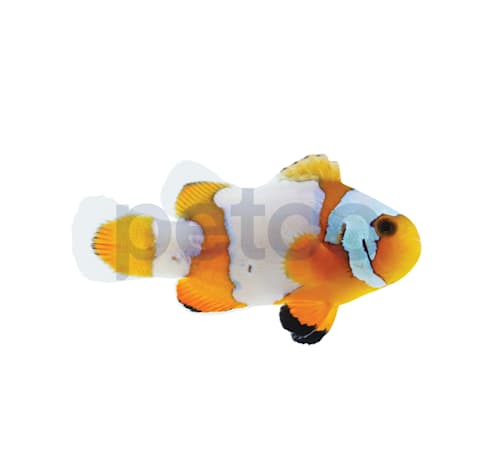
Clownfish
Clownfish are popular for many reasons beyond being the star of a popular movie. These hardy, colorful fish can come in several different colors and patterns, and are often fearless and active in the aquarium, making an entertaining inhabitant. Most species of clownfish reach only a couple inches for their adult size, so are well suited for a smaller sized home aquarium. Although these fish may choose a host anemone, this partnership is not a requirement in keeping a clownfish. Petco Clownfish are all captive bred, which contributes to a fish already adapted to aquarium life verses their wild-caught counterparts.
Green Chromis
Although many species of chromis are known for being hardy and adaptable to the home aquarium, Green Chromis are one of the more recognizable and peaceful species, making them a great beginner saltwater fish. These moderately sized fish can be housed in as small as a 30-gallon aquarium or can also be kept in larger schools in an appropriately sized aquarium.
Firefish Goby
Firefish gobies are hardy, active fish that can do great in an aquarium with other peaceful species. These colorful fish are generally passive but can be territorial with others of the same species. Firefish gobies maintain a small size so they can be kept in a 30-gallon aquarium or larger, but a secure lid is a must for these fish with a reputation for jumping.
Longnose Hawkfish
A unique addition to the home aquarium, Longnose Hawkfish are an easy to care for species, making them a great fish for the beginner saltwater aquarist. This fish is one of the least aggressive species of hawkfish but should not be housed with ornamental invertebrates that it might make a meal of.
Bangaii Cardinalfish
Bangaii Cardinalfish are semi-aggressive, moderately sized fish that can be kept in a 30 gallon or larger aquarium. These fish wear a bold pattern of black and white markings and can be kept in groups if enough swimming room and hiding spaces are provided. Bangaii Cardinalfish are generally easy keepers that do well for the beginner saltwater aquarist and have even been known to breed in an aquarium setting.
Coral Beauty Angel
A popular species of dwarf angel due to their striking color and hardiness, these fish are one of the best beginner dwarf angels. Coral Beauty Angels are normally not as aggressive as many other species of dwarf angels but can be territorial if kept in smaller aquariums, especially with other dwarf angelfish. Caution should be taken when housing with corals and clams as these fish may nip at them.
Clown Goby
This small fish is a peaceful bottom dweller that can be kept in a wide array of aquarium sizes. These brightly colored fish will not generally cause problems with other fish in the aquarium but should be housed with certain corals with caution as they may nip at SPS coral polys.
Six-line Wrasse
A colorful and inexpensive addition to the aquarium, the Six-line Wrasse is generally peaceful and active, making them a great addition to the beginner saltwater aquarium. These fish may bully other peaceful wrasses but generally keep to themselves. They prefer an aquarium with lots of live rock with caves to hide and forage from.
A Note on the Niger Trigger (And Why It's One to Grow Into)
The Niger Trigger — also called the Redtooth Trigger — is one of the most visually striking fish in the saltwater hobby. Its scales shimmer in deep blues, greens and purples, and its most unforgettable feature is a bold smile lined with bright red teeth. Beyond its looks, this species has a genuinely engaging personality: Niger Triggers are known among triggerfish for their comparatively amiable temperament, and many individuals will learn to recognize their pet parent over time, swimming to the front of the aquarium at feeding or even interacting during routine tank maintenance.
That said, the Niger Trigger is not a beginner fish — and being upfront about that is the most helpful thing we can do for you and your fish.
Here's why it's better saved for later in your saltwater journey:
- Size at maturity. Niger Triggers grow large — a minimum aquarium of 150 gallons is recommended to give a full-grown specimen the space it needs to thrive. Most first saltwater setups are considerably smaller.
- Established system required. Like all marine fish, Niger Triggers need a fully cycled, well-established aquarium with stable water parameters and consistent specific gravity before they're introduced. A tank that's still finding its biological balance is not a safe environment for this species.
- Personality quirks. While Niger Triggers are calmer than many of their triggerfish relatives, they can still be assertive with tankmates — a dynamic that's easier to manage once you have experience reading fish behavior and aquarium chemistry.
None of this makes the Niger Trigger a fish to avoid forever. It's a rewarding, personable species that many intermediate and advanced hobbyists count among their favorites. Think of it as a milestone fish — something to look forward to as your skills and your setup grow.
The Real Takeaway for Beginner Saltwater Pet Parents
Every marine fish — from the most forgiving to the most demanding — requires stable water conditions, correct specific gravity, and a properly cycled aquarium to stay wholesome and active. The species highlighted throughout this guide are chosen because their tolerance ranges give newer hobbyists a little more room to learn while those foundational skills develop.
Before adding any saltwater fish to your home aquarium, research its:
- Minimum aquarium size at full adult growth (not juvenile size)
- Water parameter ranges — temperature, salinity, pH and ammonia/nitrite/nitrate targets
- Compatibility with any fish already in the tank
- Diet and feeding frequency
When in doubt, ask a knowledgeable Petco aquatics associate in store or consult your veterinarian — especially if you ever notice changes in a fish's appearance, behavior or appetite that concern you.
Easiest Saltwater Fish for Beginners: Quick-Compare Guide
Use this table to match each beginner-friendly species to your fish tank size, care level and standout trait before you buy. All entries reflect the species covered in this guide.
| Fish | Minimum Tank Size | Beginner Difficulty | Key Trait | Compatibility Notes |
|---|---|---|---|---|
| Clownfish | 20 gallons | ★☆☆ Very Easy | Captive-bred; adapts readily to aquarium life | Peaceful; no anemone required |
| Green Chromis | 30 gallons | ★☆☆ Very Easy | Peaceful schooling fish; recognizable bright green color | Excellent community fish; keep in groups |
| Firefish Goby | 30 gallons | ★☆☆ Very Easy | Hardy and colorful; stays small | Secure lid required — known jumper |
| Bangaii Cardinalfish | 30 gallons | ★★☆ Easy | Bold black-and-white pattern; can breed in captivity | Semi-aggressive; provide hiding spaces in groups |
| Clown Goby | 10 gallons | ★☆☆ Very Easy | Tiny, peaceful bottom dweller; suits nano fish tanks | Use caution with SPS corals |
| Six-line Wrasse | 30 gallons | ★★☆ Easy | Active, colorful, budget-friendly | Needs live rock caves; may bully other wrasses |
| Coral Beauty Angel | 70 gallons | ★★☆ Easy | Striking color; hardiest of the dwarf angels | May nip corals and clams; territorial in small fish tanks |
| Longnose Hawkfish | 30 gallons | ★★☆ Easy | Unique personality; least aggressive hawkfish | Not safe with ornamental invertebrates |
| Niger Trigger | 150 gallons | ★★☆ Easy | Personable; may recognize its pet parent | Needs very large fish tank at maturity; generally peaceful |
How to read difficulty: ★☆☆ = forgiving of minor parameter swings and well-suited to a first fish tank; ★★☆ = still manageable for beginners but requires a bit more attention to tank mates or aquarium size. No saltwater fish is truly maintenance-free — stable water parameters, correct specific gravity and a fully cycled fish tank are non-negotiable for every species listed.
This article was created with assistance from AI tools and reviewed for accuracy by Petco's content team.


