


Two Easy Ways to Start Earning Rewards!
Become a member today! Members-only pricing and offers, personalized care notifications, Vital Care points back on every purchase and more!
 Become a credit card member today!
Earn 2X Pals Rewards points at Petco
when you use Petco Pay!APPLY NOWLearn More About Petco Pay Benefits
How Much Does a Fish Tank Cost? Full Setup Guide
Published on November 1st, 2024
Updated on July 16th, 2026

Written by Petco Editorial Team
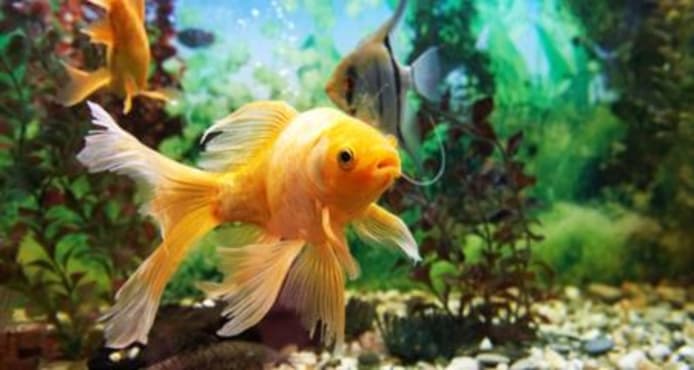
The cost of purchasing and operating an aquarium can often be more than people expect.
How Much Does a Fish Tank Cost? A Complete Freshwater Aquarium Budget
A freshwater aquarium setup typically runs $600–$700 for a 29-gallon starter tank — and that's before ongoing monthly expenses. If you've been eyeing a $99 starter kit at the store, know that it covers only a fraction of what you'll actually need. The good news: once you understand the full picture up front, you can plan confidently and give your fish a genuinely thriving home.
Here's exactly what a 29-gallon freshwater aquarium costs — a size widely recommended as a great starting point because it's stable enough for beginners yet manageable in space and budget.
Freshwater Aquarium Cost Breakdown (29-Gallon Setup)
| Item | Estimated Cost |
|---|---|
| Tank | $90.00 |
| Stand | $90.00 |
| Fish | $70.00+ |
| Light / Hood | $80.00 |
| Gravel / substrate | $32.00 |
| Food | $10.00+ |
| Plants (plastic or live) | $35.00 |
| Heater | $25.00 |
| Filter | $40.00 |
| Filter cartridges (1-year supply) | $44.00 |
| Water conditioner | $8.00 |
| Water test kit | $11.00 |
| Net | $5.00 |
| Thermometer | $4.00 |
| Medication (on hand) | $15.00 |
| Driftwood / rock décor | $45.00 |
| Algae scraper | $10.00 |
| Siphon / gravel vacuum | $22.00 |
| Total (estimated) | ~$641.00 |
A note on fish and plants: These prices assume your fish and plants stay healthy. If you need to treat illness or replace fish, your costs will climb. Budget a small cushion — $30–$50 — for the unexpected.
Browse freshwater aquariums and fish tanks to compare tank sizes and starter kits, and explore aquarium gravel and substrate options to find the right foundation for your setup.
What the $99 Starter Kit Doesn't Include
Many starter kits bundle a tank, a basic filter and sometimes a hood — but they rarely include a stand, a heater, gravel, a water test kit, a siphon, decorations, water conditioner or fish themselves. That's why the real number lands closer to $641 for a properly equipped 29-gallon setup. Skipping essential equipment — especially filtration, heating and water testing — puts your fish at risk, and replacing fish repeatedly ends up costing more than buying the right gear from the start.
Freshwater vs. Marine: A Quick Cost Comparison
If you're weighing your options, it's worth knowing that freshwater aquariums are significantly less expensive than marine (saltwater) setups. Marine aquariums require specialized lighting, protein skimmers, live rock, salt mix and more precise water chemistry management. Freshwater costs are a fraction of what a comparable marine setup demands — making freshwater the clear starting point for most pet parents new to the hobby.
Why the Investment Is Worth Getting Right
Fish feel pain and respond to their environment in ways science continues to document Merck Veterinary Manual. That means a poorly maintained aquarium isn't just an eyesore — it's a welfare concern. The old mindset of "if a fish dies, we'll just get a new one" has no place in modern fishkeeping. A well-maintained aquarium becomes something genuinely beautiful; a neglected one causes unnecessary suffering for its inhabitants.
This is also why aquariums purchased as a novelty for children need an honest conversation. The cost and daily attention required are well beyond what most children can manage independently. Kids absolutely love and benefit from a healthy, active aquarium — and participating in feeding or watching water changes can be a wonderful experience — but a committed adult needs to be the primary caretaker and financial backer.
Planning Your Budget Before You Buy
Once you know what a fish tank actually costs, you can make smart decisions from the start:
- Choose your fish first, then build the tank around them. Different species need different water temperature, pH and tank mates. Research compatibility before you buy anything.
- Let the tank cycle before adding fish. Allow two to three weeks for beneficial bacteria to establish — this "aging" process is what makes the water safe. Rushing it is one of the most common (and costly) beginner mistakes.
- Invest in a quality filter and test kit from day one. These are the two items most likely to save fish lives — and your budget — over the long run.
- Add fish slowly. Overstocking a new tank stresses fish and spikes ammonia levels quickly.
- Never accept fish loss as normal. Strive for a stable, well-maintained environment and investigate any death rather than simply replacing the fish.
A freshwater aquarium is a real financial commitment — but pet parents who go in with clear eyes and the right equipment find it one of the most rewarding hobbies there is. The fish thrive, the tank becomes a living centerpiece in your home, and the ongoing costs settle into a manageable routine.
How Much Does a Fish Tank Cost? Startup & Ongoing Expenses by Tank Size
Understanding the full cost of a fish tank — upfront and month-to-month — helps you plan confidently before your first fish comes home. The table below breaks down realistic estimates for three common freshwater tank sizes: a small starter tank, the widely recommended 29-gallon mid-size setup, and a larger display tank. Saltwater (marine) aquariums are excluded here; their equipment and livestock costs run significantly higher and are best approached after freshwater experience.
| Cost Category | Small Tank (10 gal) | Mid-Size Tank (29 gal) | Large Tank (55 gal) |
|---|---|---|---|
| STARTUP COSTS | |||
| Tank | ~$30 | ~$90 | ~$150 |
| Stand | ~$40 | ~$90 | ~$130 |
| Hood / Light | ~$25 | ~$80 | ~$110 |
| Filter | ~$20 | ~$35 | ~$60 |
| Heater | ~$15 | ~$25 | ~$40 |
| Gravel / Sand | ~$12 | ~$32 | ~$55 |
| Plants (plastic or live) | ~$15 | ~$35 | ~$60 |
| Decorations (driftwood, rock) | ~$20 | ~$45 | ~$75 |
| Water Test Kit | ~$11 | ~$11 | ~$11 |
| Water Conditioner | ~$8 | ~$8 | ~$10 |
| Thermometer | ~$4 | ~$4 | ~$6 |
| Net | ~$4 | ~$5 | ~$6 |
| Algae Scraper | ~$7 | ~$10 | ~$12 |
| Siphon / Gravel Vac | ~$12 | ~$22 | ~$28 |
| Fish (initial stock) | ~$25+ | ~$70+ | ~$120+ |
| Estimated Startup Total | ~$248+ | ~$562+ | ~$873+ |
| ONGOING MONTHLY COSTS | |||
| Fish food | ~$5 | ~$10+ | ~$15+ |
| Filter cartridges (monthly share) | ~$2 | ~$4 | ~$6 |
| Water conditioner (monthly share) | ~$1 | ~$1 | ~$2 |
| Electricity (heater + filter + light) | ~$3–$5 | ~$5–$10 | ~$10–$18 |
| Replacement fish / plants (variable) | variable | variable | variable |
| Medication (budgeted monthly share) | ~$1 | ~$1–$2 | ~$2–$3 |
| Estimated Monthly Total | ~$12–$15 | ~$21–$27 | ~$35–$44 |
A note on these figures: All prices are ballpark estimates based on commonly available equipment; actual costs vary by brand, region and retailer. Water chemistry problems or disease outbreaks can raise costs quickly — maintaining stable water parameters is the single most effective way to protect both your fish and your budget. Consult your veterinarian or an aquatic specialist if your fish show signs of illness.
What these numbers tell you:
- Even a modest 10-gallon setup requires a meaningful upfront investment — a $99 starter kit rarely includes everything your fish need to thrive.
- The 29-gallon tank hits a practical sweet spot: stable water chemistry is easier to maintain in larger water volumes, yet costs stay manageable.
- Monthly costs are relatively low once the tank is established, making freshwater fishkeeping one of the more budget-friendly ongoing pet hobbies — provided the startup is done right.
- Fish and livestock represent only a fraction of total cost; quality equipment is where your investment pays off most in long-term fish health.
Frequently Asked Questions
How much does a fish tank cost to set up for the first time? A beginner freshwater aquarium setup — including the tank, stand, filter, heater, lighting, gravel, decorations, water conditioner, test kit and starter fish — typically runs around $600–$700 for a 29-gallon system. That figure does not include your time or any replacement fish and plants if problems arise. Marine (saltwater) setups cost significantly more and are best left to experienced aquarists.
What is the cheapest fish tank setup that can still keep fish healthy? A bare-minimum freshwater setup is possible for less, but cutting corners on filtration, a water test kit or a heater puts your fish at serious risk. Fish have advanced nervous systems and experience pain and stress just as other animals do Merck Veterinary Manual, so skimping on essential equipment is a welfare concern, not just a hobby inconvenience. Budget for at minimum a filter, heater, thermometer, water conditioner and a test kit before adding any fish.
What are the hidden or ongoing costs of owning a fish tank? Beyond the one-time setup, plan for annual filter cartridge replacements (roughly $44/year for a 29-gallon tank), food, water conditioner top-ups, and occasional medication for illness. If fish or plants die and need replacing, costs rise further. These recurring expenses are easy to overlook when budgeting for a starter kit.
Is a $99 starter kit enough to keep fish alive and thriving? Rarely. Budget starter kits often include undersized or low-quality filters and omit essentials like a water test kit, gravel vacuum (siphon), algae scraper and a proper stand. Without these, water quality deteriorates quickly, which is a leading cause of fish illness and death. If you notice signs of stress or disease in your fish, consult your veterinarian — ideally one with aquatic animal experience — promptly .
Should a child be responsible for maintaining a fish tank? Children can absolutely enjoy and participate in aquarium care, but the financial investment and technical demands of water chemistry, equipment maintenance and fish health monitoring are beyond what most children can manage alone. A committed adult should take primary responsibility for the tank's upkeep and funding to ensure the fish remain healthy and the aquarium stays safe.
How do I know if my aquarium water is safe for fish? Regular testing with a liquid-based water test kit is the most reliable method. Key parameters to monitor include ammonia, nitrite, nitrate and pH. New tanks should be allowed to cycle for at least two weeks before fish are introduced, letting beneficial bacteria establish. If water parameters remain unstable or fish show signs of illness, contact your veterinarian for guidance .
This article was created with assistance from AI tools and reviewed for accuracy by Petco's content team.
237Pet Parents found this article helpful


