


Two Easy Ways to Start Earning Rewards!
Become a member today! Members-only pricing and offers, personalized care notifications, Vital Care points back on every purchase and more!
 Become a credit card member today!
Earn 2X Pals Rewards points at Petco
when you use Petco Pay!APPLY NOWLearn More About Petco Pay Benefits
Saltwater vs Freshwater Fish Tank: Costs & Setup
Published on April 3rd, 2023
Updated on July 16th, 2026


Reviewed by Don Spaeth
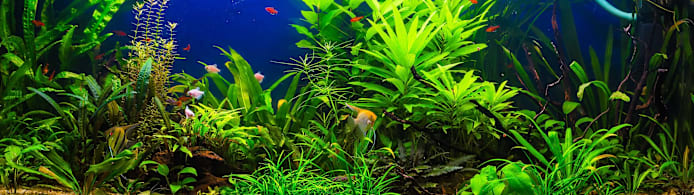
Wondering how much it costs to set up and maintain an aquarium? Find out the costs of freshwater versus saltwater tanks in our fish cost guide, complete with handy charts outlining common costs.
Saltwater vs. Freshwater Fish Tank Costs: What to Expect
Setting up a fish tank is one of the most rewarding decisions a pet parent can make — but before you pick your first fish, it pays to understand what you're getting into financially. A freshwater fish tank typically costs around $546 to set up, while a comparable saltwater fish tank runs closer to $1,395 — nearly three times as much. Annual maintenance costs follow a similar pattern: roughly $83 per year for freshwater versus $203 for saltwater.
Those numbers aren't meant to discourage you. They're meant to help you plan. Whether you're drawn to the vivid colors of a tang or the otherworldly shimmer of a GloFish, knowing the real cost of a saltwater vs. freshwater fish tank upfront means fewer surprises down the road.
A quick note: All estimates below are based on average-priced products on Petco.com as of December 2022. Your actual costs will vary based on your location, the brands you choose, the number of fish you keep and the size of your aquarium.
Saltwater vs. Freshwater Fish Tank Setup Costs
Prices below reflect standard starter tank sizes: a 29-gallon freshwater tank and a 55-gallon saltwater tank — the typical entry-point recommendations for each type.
| Item | Freshwater (29-Gal) | Saltwater (55-Gal) |
|---|---|---|
| Tank kit (includes light, hood, heater, filter, water conditioner, net, thermometer) | $160 | $275 |
| Stand | $90 | $130 |
| Fish | $50 | $150 |
| Gravel / substrate | $25 | $60 |
| Food | $10 | $11 |
| Decorations / live rock | $45 | $360 |
| Plants (plastic or real) | $40 | N/A |
| Master test kit | $49 | $60 |
| Algae scraper | $12 | $12 |
| Gravel vacuum | $22 | $22 |
| Refractometer | $35 | $35 |
| Freshwater salt | $8 | N/A |
| Marine salt | N/A | $50 |
| Protein skimmer | N/A | $230 |
| TOTAL | $546 | $1,395 |
The biggest cost driver for saltwater tanks is live rock and a protein skimmer — two items freshwater setups simply don't require. Live rock alone accounts for $360 of the saltwater budget, and a protein skimmer (which removes organic waste before it breaks down and spikes ammonia) adds another $230.
Annual Freshwater vs. Saltwater Fish Tank Maintenance Costs
Setup is a one-time investment. Maintenance is ongoing — and the gap between freshwater and saltwater narrows considerably once you're up and running.
| Item | Freshwater (29-Gal) | Saltwater (55-Gal) |
|---|---|---|
| Filter cartridge replacement | $45 | $90 |
| Water conditioner | $9 | $15 |
| Freshwater salt | $8 | N/A |
| Marine salt | N/A | $60 |
| Medication | $8 | $16 |
| Plant fertilizer / supplements | $13 | N/A |
| Marine supplements | N/A | $22 |
| ANNUAL TOTAL | $83 | $203 |
Maintenance costs were estimated on a monthly basis using average product costs as of December 2022.
Saltwater tanks cost more to maintain primarily because of marine salt and specialized supplements. Freshwater tanks offset some of that with plant fertilizer costs — but the overall annual difference is only about $120, which is manageable for most pet parents once the initial setup investment is behind them.
Planning Your Fish Tank Setup
Before your fish comes home, the tank needs to be fully set up and the water chemistry needs time to stabilize. This process — often called the nitrogen cycle — is critical for fish health regardless of whether you're going freshwater or saltwater. Rushing it is one of the most common mistakes new fish parents make.
Here's a breakdown of every cost category to plan for:
Tank or Tank Kit
For most first-time fish parents, an aquarium kit is the most cost-efficient starting point. Kits bundle the essentials — lights, a hood, a heater, a filter, a water conditioner, a net and a thermometer — into a single purchase that's almost always less expensive than buying each piece separately. Browse aquariums and fish tanks to compare kit options for both freshwater and saltwater setups.
Lighting, Filtration and Heating
Lights, filters and heaters are non-negotiable for virtually every fish tank. The ongoing electrical cost is typically modest, but it does vary based on the wattage of your heater, the size of your filtration system and the type of lighting you choose.
One money-saving tip: if you keep cold-water species like goldfish that thrive in cooler temperatures, you can reduce heater usage and trim your utility costs. Many fish parents also upgrade to LED lighting over time — LEDs last significantly longer than incandescent or fluorescent bulbs and use less energy, making them a worthwhile long-term investment.
Gravel and Substrate
The gravel or substrate you choose does more than look good — it supports beneficial bacteria, anchors live plants in freshwater tanks and helps maintain water chemistry. Saltwater tanks typically require more specialized (and more expensive) substrate, which accounts for the cost difference in the setup table above.
Water Quality Supplies
Maintaining water quality is the single most important ongoing task for any fish parent. Both freshwater and saltwater tanks require:
- Water conditioner to neutralize chlorine and chloramines in tap water
- Replacement filter media, which becomes less effective over time and must be swapped out regularly
- Test kits to monitor pH, ammonia, nitrite and nitrate levels
Saltwater tanks add marine salt mix and marine supplements to that list. If you add live coral to a saltwater setup, additional testing for calcium, alkalinity and magnesium levels is also recommended.
Liquid test kits tend to be more cost-efficient than test strips — a single liquid kit typically contains enough reagent for hundreds of tests, while strips are sold in smaller quantities at a higher per-test cost.
Fish Nutrition
Fish food costs are driven more by species and diet than by whether a tank is freshwater or saltwater. Fish can be carnivorous, herbivorous or omnivorous, and their food — whether flakes, pellets, sticks, granules, frozen or freeze-dried — should match their specific dietary needs. Many food varieties are labeled for freshwater or saltwater fish specifically, so always check the label before buying.
The number of fish you keep and their individual sizes will have the biggest impact on your monthly food budget.
Other Important Factors to Consider
Cost is only part of the picture. Before committing to a fish tank, keep these factors in mind:
- Time commitment: Fish tanks are not low-maintenance. Water chemistry needs to be tested and balanced regularly, the tank needs to be cleaned on a consistent schedule and your fish need to be monitored for signs of illness or stress. If your schedule doesn't allow for that kind of routine, a fish tank may not be the right fit right now.
- Species compatibility: Not all fish can share a tank. Research the specific requirements — water temperature, pH, tank size and temperament — of every species before combining them.
- Health monitoring: Changes in behavior, appetite or appearance can signal a water quality problem or illness. If you notice anything unusual, consult your veterinarian — ideally one with experience in aquatic animal care — promptly.
Saltwater vs. Freshwater Fish Tank: Side-by-Side Cost & Care Comparison
Use this table to compare the two setups at a glance — from what you'll spend on day one to what ongoing care actually looks like week to week.
| Factor | Freshwater (29-gal starter) | Saltwater (55-gal starter) |
|---|---|---|
| Estimated setup cost | ~$546 | ~$1,395 |
| Tank kit (light, hood, heater, filter, conditioner, net, thermometer) | ~$160 | ~$275 |
| Stand | ~$90 | ~$130 |
| Fish / aquatic life | ~$50 | ~$150 |
| Gravel / substrate | ~$25 | ~$60 |
| Decorations / live rock | ~$45 | ~$360 |
| Plants | ~$40 (plastic or live) | Not applicable |
| Protein skimmer | Not required | ~$230 |
| Marine salt | Not required | ~$50 (setup) |
| Freshwater aquarium salt | ~$8 | Not applicable |
| Master test kit | ~$49 | ~$60 |
| Refractometer | Not required | ~$35 |
| Estimated annual maintenance cost | ~$83 | ~$203 |
| Filter cartridge replacement (annual) | ~$45 | ~$90 |
| Water conditioner (annual) | ~$9 | ~$15 |
| Salt replenishment (annual) | ~$8 (freshwater salt) | ~$60 (marine salt) |
| Supplements (annual) | ~$13 (plant fertilizer) | ~$22 (marine supplements) |
| Medication budget (annual) | ~$8 | ~$16 |
| Difficulty level | Beginner-friendly | Intermediate to advanced |
| Water parameter sensitivity | Moderate | High — salinity, pH, calcium and alkalinity all require close monitoring |
| Compatible species examples | Goldfish, bettas, tetras, GloFish | Tangs, clownfish, eels, reef invertebrates |
| Live coral possible? | No | Yes — adds additional testing and supplement costs |
| Recommended for first-time fish parents? | Yes | Better after freshwater experience |
All cost estimates are based on average-priced products on Petco.com as of December 2022 and will vary by location, brand and the number of aquatic life species you keep. Consult your veterinarian or a Petco-certified aquatics associate if you notice any changes in your fish's behavior or appearance that may signal a water quality or health concern.
Frequently Asked Questions
Is a saltwater or freshwater fish tank cheaper to set up and maintain? Freshwater fish tanks are significantly less expensive on both counts. A standard 29-gallon freshwater setup runs approximately $546 to get started and roughly $83 per year in ongoing supplies, while a comparable 55-gallon saltwater setup costs around $1,395 upfront and about $203 annually — largely because saltwater tanks require additional equipment like a protein skimmer, marine salt and a refractometer.
Why do saltwater fish tanks cost more to maintain? Saltwater fish tanks demand more precise water chemistry management. Marine salt must be replenished regularly, salinity levels require a refractometer to measure accurately, and a protein skimmer is needed to remove organic waste that a standard filter alone cannot handle. If you add live coral, additional supplements and testing become necessary as well.
Are saltwater fish tanks harder to care for than freshwater tanks? Yes, generally speaking. Saltwater aquatic life tends to be more sensitive to fluctuations in water parameters — including salinity, pH, ammonia and nitrate levels — which means more frequent testing and a steeper learning curve. Most aquatics specialists recommend gaining experience with a freshwater setup before transitioning to saltwater. https://www.merckvetmanual.com/all-other-pets
What water quality tests do both freshwater and saltwater tanks require? Both types of fish tanks require regular monitoring of pH, ammonia, nitrite and nitrate levels using a master test kit. Saltwater setups add salinity testing with a refractometer, and reef tanks with live coral require additional checks for calcium and alkalinity. Liquid test kits are generally more cost-efficient than test strips because a single kit typically provides hundreds of individual tests.
How do I know if my fish is sick due to poor water quality? Changes in swimming behavior, loss of appetite, unusual spots or discoloration, clamped fins or labored breathing can all signal that something is off — whether it's a water quality issue or an illness. Always test your water parameters first when you notice something wrong, and consult your veterinarian if symptoms persist or worsen.
Can I keep live plants in a saltwater fish tank? Live aquatic plants as typically used in freshwater aquariums are not compatible with saltwater setups. Saltwater tanks can, however, incorporate live rock and — for more advanced aquarists — live coral, both of which contribute to biological filtration and provide enrichment for marine aquatic life. These additions increase both setup and ongoing maintenance costs.
Frequently Asked Questions
Which is cheaper to maintain — a freshwater or saltwater fish tank? Freshwater fish tanks cost significantly less to maintain. A standard 29-gallon freshwater setup runs approximately $83 per year in ongoing supplies, while a comparable 55-gallon saltwater setup runs around $203 annually — more than twice as much — due to the added cost of marine salt, protein skimmer upkeep and specialized supplements. Setup costs follow the same pattern: roughly $546 for freshwater versus $1,395 for saltwater. Consult a knowledgeable Petco associate to build a budget that fits your household before you bring any fish home.
Which type of fish tank is easier for beginners? A freshwater fish tank is widely considered the more beginner-friendly choice. Water chemistry is less complex, equipment requirements are fewer, and many popular freshwater species — such as goldfish, bettas and tetras — are more forgiving of minor fluctuations in water parameters than saltwater fish tend to be. If you are new to fishkeeping, starting with a freshwater setup lets you build confidence in water care and tank maintenance before considering the additional demands of a reef or saltwater system.
What equipment does a saltwater fish tank require that a freshwater tank does not? Saltwater fish tanks require several pieces of equipment that freshwater setups do not. A protein skimmer (approximately $230 at setup) removes organic waste before it breaks down and disrupts water chemistry. Marine salt mix (roughly $50 at setup, $60 annually) is needed to achieve and maintain the correct salinity, and a refractometer is used to measure that salinity accurately. Live rock or specialized décor adds biological filtration but also significantly increases upfront cost — approximately $360 compared to $45 for freshwater decorations and plants.
How do I know if my fish is healthy? Healthy fish are active, display vibrant coloration, eat readily and show no visible lesions, clamped fins or unusual swimming patterns. Behavioral changes — such as hiding more than usual, loss of appetite or erratic movement — can be early signs that water quality or health needs attention. Regular water testing for pH, ammonia, nitrite and nitrate levels is one of the most reliable ways to catch problems before they affect your fish. If you notice persistent symptoms, consult your veterinarian, ideally one with aquatic animal experience.
Can aquarium fish be harmed by household chemicals or toxins? Yes. Fish are highly sensitive to airborne and waterborne toxins. Common household products — including certain cleaning sprays, paint fumes and even residue from unwashed hands — can introduce harmful substances into a fish tank. The ASPCA Animal Poison Control Center notes that many substances safe for humans or other pets can be dangerous to aquatic life. the ASPCA Always use an appropriate water conditioner when performing water changes, and keep aerosols and cleaning products away from your fish tank.
How much time does maintaining a fish tank realistically take each week? The time commitment varies by tank type and size, but fish tanks are not a low-maintenance choice. Freshwater tanks generally require partial water changes, water testing and visual health checks several times per week, plus a more thorough cleaning — including gravel vacuuming and filter maintenance — on a regular monthly schedule. Saltwater tanks demand more frequent monitoring of salinity, alkalinity and additional water parameters. Before bringing any fish home, honestly assess your weekly schedule to make sure you can give your aquatic family members the consistent care they need.
This article was created with assistance from AI tools and reviewed for accuracy by Petco's content team.


