


Two Easy Ways to Start Earning Rewards!
Become a member today! Members-only pricing and offers, personalized care notifications, Vital Care points back on every purchase and more!
 Become a credit card member today!
Earn 2X Pals Rewards points at Petco
when you use Petco Pay!APPLY NOWLearn More About Petco Pay Benefits
Indoor House Plants Poisonous to Dogs
Published on March 20th, 2024
Updated on June 18th, 2026


Written by Elizabeth Anderson Lopez
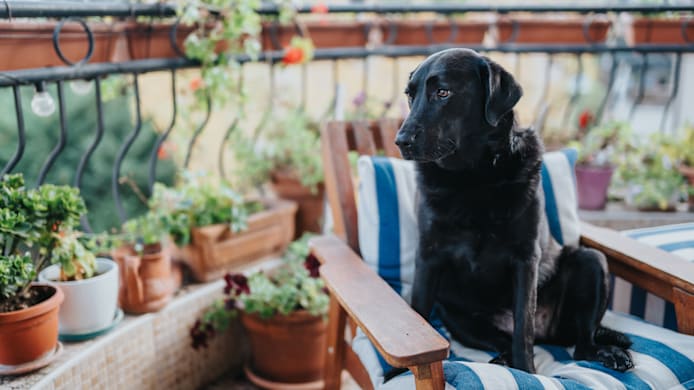
Learn more about which plants are poisonous or toxic to your dog. Petco is here to help you determine which plants to protect your dogs from.
Houseplants add beauty and freshness to indoor spaces, but not every plant belongs in a home with dogs. Some popular decorative plants contain compounds that can irritate the mouth, upset digestion, or cause more serious health problems if ingested. Keep in mind there are different levels of toxicity: life-threatening and quality-of-life-threatening. For your dog's health and your peace of mind, it is important to avoid all levels.
For pet parents who love greenery, understanding which houseplants are poisonous to dogs is an important first step toward prevention.
Most common houseplants toxic to dogs
Many toxic plants are widely available at garden centers. Learning to recognize them helps reduce the risk of accidental exposure. Also keep in mind that any of these plants that you want to keep outside should be kept well out of reach of your curious canine. These are among the most common houseplants:
- Lily (Lilium, most species, including Lilium spathiphyllum, Lilium lancifolium, etc.): Lilies feature flowers that contain calcium oxalate crystals that can cause intense mouth irritation, drooling, and difficulty swallowing if chewed.
- Aloe Vera (Aloe barbadensis miller): Aloe plants are often kept for their soothing gel, but the outer plant tissue contains compounds called saponins that aren't so nice. Dogs who ingest aloe may experience vomiting, diarrhea, or lethargy.
- Asparagus Fern (Asparagus densiflorus): Despite its name, asparagus fern is not a true fern. Its delicate, feathery stems contain compounds that may lead to gastrointestinal upset if ingested and skin irritation if they come in contact with your dog's skin.
- Autumn Crocus (Colchicum autumnale): All parts of the autumn crocus, also called meadow saffron or naked lady, contain colchicine and other alkaloids that damage the liver and kidneys, causing bloody vomiting and diarrhea, shock, organ damage, and death. Autumn crocuses grow in forests and meadows throughout North America; it's a popular choice for gardens, too, so be aware and contact your veterinarian if you suspect your dog has ingested it.
- Corn Plant (Dracaena fragrans): Corn plants feature tall stalks with long, arching leaves. They contain saponins that may lead to vomiting, drooling, and loss of appetite if consumed.
- Daffodil (Narcissus species): Daffodils may look bright and sunny, but your pup won't feel that way if they get ahold of this plant. They are also called jonquils or referred to by their scientific name, Narcissus. While all parts of this plant are toxic, the bulbs, which contain lycorine and other alkaloids, are especially dangerous and can cause drooling, vomiting, diarrhea, and dehydration. Toxicity can progress to affect the muscles and heart, causing tremors, seizures, low blood pressure, and irregular heart rate.
- Dumb Cane (Dieffenbachia species): Dumb cane plants are popular for their large patterned leaves. Like lilies, they contain calcium oxalate crystals that irritate the mouth and throat; they may also cause swelling and drooling. Toxicity can progress to affect the muscles and heart, causing tremors, seizures, low blood pressure, and irregular heart rate.
- English Ivy (Hedera helix): English ivy is a trailing plant often used in decorative arrangements. Its leaves and berries contain compounds that can irritate the digestive system and cause drooling or stomach upset. The foliage is more toxic than the berries.
- Foxglove (Digitalis purpurea): You've probably seen this adaptable plant growing just about everywhere in the United States. But foxglove's unique, tubular flowers and thick leaves hold a secret-cardiac glycosides that make it extremely poisonous for dogs. You'll first notice vomiting and diarrhea, but symptoms can quickly progress to heart rate abnormalities, weakness and collapse, seizures, and eventual cardiac failure.
- Hyacinth (Hyacinthus orientalis): While it's not known what makes hyacinth so toxic, its scary symptoms land it high on the list of plants toxic to dogs. This popular plant can cause severe vomiting, bloody diarrhea, listlessness, depression, and tremors. We do know that, like tulips, the toxin is concentrated in the bulbs, but it's best to keep your dog away from all parts of this plant.
- Iris (Iris): If your pup likes to dig, watch out for the iris. The rhizomes, or underground stems, are the most toxic part of this plant for dogs. They contain pentacyclic terpenoids, which can cause drooling, vomiting, diarrhea, and lethargy. This plant is best kept out of your garden; otherwise, be prepared to need plenty of dog poop bags and cleanup supplies.
- Jade Plant (Crassula ovata): Jade is an easy-care succulent that is commonly kept as a houseplant, but it is one of the more toxic plants for dogs. It isn't known what causes its toxicity, and the symptoms can be hard to spot: slow heart rate, incoordination, and listlessness, plus occasional vomiting. It's best to keep this poisonous plant out of your home entirely.
- Lily of the Valley (Convallaria majalis): Don't let its pretty delicate flowers fool you-lily of the valley is another plant that is toxic to dogs and can cause heart problems. All parts of the plant contain cardenolides, which cause vomiting, weakness, seizures, irregular heartbeat, low blood pressure, and eventual collapse, coma, and death. Lily of the valley grows in forests throughout North America, so adventurous pet parents and their pups should keep an eye out on hikes.
- Morning Glory (multiple genera/species): There are hundreds of types of morning glories, and they're all poisonous to dogs. They contain indole alkaloids, which cause vomiting and gastrointestinal distress. Large amounts of the seeds can also cause hallucinations. Ingesting morning glory usually doesn't lead to death, but it's best to seek veterinary help.
- Oleander (Nerium oleander): The leaves and flowers of this pretty plant contain cardiac glycosides, which affect the heart and are extremely toxic to dogs. You may notice drooling, vomiting, or diarrhea first; symptoms can progress to irregular or lowered heartbeat, weakness and collapse, seizures, coma, and even death. You'll want to make sure your yard and home are clear of this fatal offender.
- Pothos (Epipremnum aureum): Pothos, or devil's ivy, is a trailing vine frequently used in hanging baskets and shelves. It contains calcium oxalate crystals that cause mouth irritation, drooling, and gastrointestinal upset if chewed. Among the most common houseplants poisonous to dogs, pothos plants are frequently found in kitchens, offices, and living rooms.
- Rhododendrons (Rhododendron): Plants in the rhododendron family, which includes azaleas, contain grayanotoxins, which cause drooling, vomiting, diarrhea, lethargy, weakness, paralysis, heart abnormalities, and even heart failure. Reactions can range from mild to severe, but your pup doesn't need to eat much of this poisonous plant to feel the effects. All parts of the plant are toxic, making this one of the worst plants for dogs.
- Sago Palm (Cycas revoluta): Sago palms are highly ornamental plants with stiff, glossy fronds that resemble small palm trees. In the warmer parts of North America, where they are often found in backyards and parks, Sago palms are one of the most dangerous plants for dogs. They contain a neurotoxin called cycasin, which causes vomiting, bloody diarrhea, jaundice, internal bleeding, and blood-clotting deficiency. It doesn't take much of this lethal plant to eventually cause liver damage, failure, and death.
- Snake Plant (Dracaena trifasciata): Snake plants are known for their tall, sword-like leaves and extreme durability. The plant contains saponins that can cause nausea, vomiting, and drooling in dogs.
- Tulip (Tulipa liliaceae): Tulips aren't just bad for dogs-they contain tulipalin A and B, which are toxic to all mammals. These substances are concentrated in the bulbs, and ingesting even a small amount can cause drooling, vomiting, diarrhea, and depression. While they are found in the wild, tulips often sneak into the home in flower arrangements and bouquets; keep them well out of your dog's reach.
Other houseplants to avoid: From A-Z
When adding new greenery inside or outside your home, always verify the plant is safe for pets. Beyond the plants above, several additional houseplants are also considered unsafe for dogs, including:
- Amaryllis
- Apple trees
- Birds of paradise
- Boxwoods
- Caladium
- Calla lily
- Cyclamen
- Elephant ear
- Holly
- Kalanchoe
- Philodendron
- Wisteria
- ZZ plant
What makes plants toxic to dogs?
Different plants contain toxins in different parts. For example, daffodil bulbs contain concentrated toxins, while pothos and dumb cane carry irritating crystals in their leaves and stems. Dogs who chew or swallow these materials may experience irritation or digestive distress.
Common high-risk plant parts include:
- Leaves
- Stems
- Bulbs or roots
- Flowers and berries
Even small amounts of plant material can cause problems depending on the type of plant and your dog’s size. And, really, it’s much easier to avoid toxic plants than try to memorize which part of the plant is the worst.
Symptoms to monitor
If your dog chews on or consumes a toxic plant, symptoms may appear quickly or develop over several hours. Prompt action can make a significant difference in outcomes.
Common warning signs include:
- Vomiting
- Diarrhea
- Excess drooling
- Mouth or throat irritation
- Pawing at the mouth
- Lethargy
- Abnormal heart rhythms in severe cases
If you suspect exposure:
- Remove any remaining plant material from your dog’s mouth.
- Observe your dog closely for changes in behavior or health.
- Contact a veterinarian or the ASPCA Animal Poison Control Center at 888-426-4435 for guidance.
Pet proofing tips for plant lovers
You do not have to give up indoor greenery entirely. Checking resources before purchasing helps pet parents avoid bringing houseplants poisonous to dogs into the home. And once you’ve purchased the plants, a thoughtful setup can reduce risks while still allowing you to show off your green thumb.
Elevate and separate plants
Physical separation is one of the most reliable prevention methods. Place plants:
- On high shelves
- In hanging planters
- Inside closed rooms your dogs cannot access
Rearrange decor strategically
If a plant is within nose level, it is more likely to be investigated. Move tempting plants away from areas where dogs commonly explore such as:
- Window ledges near furniture
- Coffee tables
- Low plant stands
Choose pet-safe alternatives
If your dog shows interest in gnawing on a leaf, providing appropriate chew toys and enrichment can reduce the likelihood that houseplants will become a target. Additionally, many attractive plants are considered safer for dogs, including:
- Spider plant
- Boston fern
- Areca palm
- Calathea varieties
Petco also carries pet-friendly grass kits and indoor plant accessories that can help redirect curious pets. Plants bring natural beauty indoors, but safety should always come first when pets share your space. By learning to identify risky species and thoughtfully arranging your home, you can enjoy greenery while protecting your pet’s health.


FAQs
The sago palm is often considered one of the most dangerous houseplants for dogs because even & small amounts & can cause severe liver damage.
Several common decorative plantsareunsafe,includinglilies,pothos, jadeplants, dumbcanesand snakeplants.
Some plants,includingspider plants and certainferns,aregenerally consideredsafer options and can still enhance indoor environments.
Pothos plants contain calcium oxalate crystals that irritate the mouth and digestive system. Dogs who chew the plant may experience drooling, oraldiscomfortand vomiting.