


Two Easy Ways to Start Earning Rewards!
Become a member today! Members-only pricing and offers, personalized care notifications, Vital Care points back on every purchase and more!
 Become a credit card member today!
Earn 2X Pals Rewards points at Petco
when you use Petco Pay!APPLY NOWLearn More About Petco Pay Benefits
Can Dogs Eat Plums? What Pet Parents Must Know
Published on March 20th, 2024
Updated on June 16th, 2026

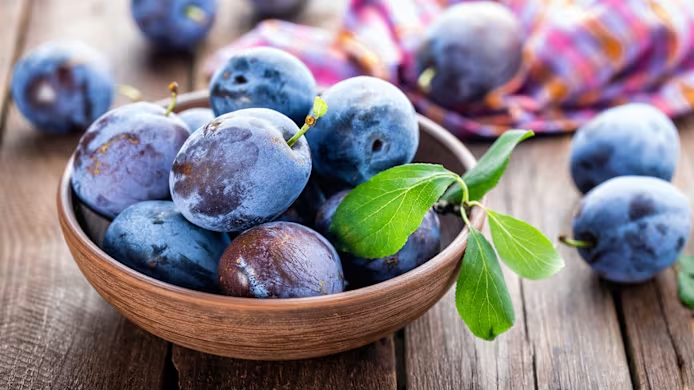
Are you wondering if your dog can have plums or not? Petco has the answers on whether or not plums are good, bad, safe or toxic for dogs.
If you’re a dog parent, you probably enjoy any opportunity to safely share food with your pup to strengthen your loving bond. Carefully chosen and prepared fruits and vegetables can seem like an excellent choice, but you may be surprised to learn that some of your favorites aren’t good options for canines. Can dogs eat plums, or are they off-limits?
No, dogs cannot eat plums. As tasty as you may find them, these fruits are not good food for dogs. Read on to find out why dogs should avoid plums and why you should offer commercially available dog food and treats instead. Since so many foods that are beneficial for humans can be harmful to dogs, remember that your veterinarian should approve every new food you introduce to your pet’s bowl.
Why are plums toxic to dogs?
They’re juicy, sweet and delicious to us—so why are plums bad for dogs? While the flesh of this fruit is not toxic for dogs, it doesn’t provide your pup with any significant health benefits. Other parts of the plum—including the pits, stems and leaves—contain cyanide in concentrations that could be hazardous to your pet if consumed. And the pit isn’t just a concentrated source of cyanide—it could also cause a life-threatening GI obstruction whether bitten into or swallowed whole.
You might wonder, since the flesh of plum is not toxic, can dogs have plums that have been pitted? Unfortunately, plum flesh is high in sugar, which isn’t great for canines and can be especially bad for pets with certain medical conditions. For these reasons, it is best to avoid this fruit altogether.
You should also note that even though canned plums and plum juice may seem like acceptable alternatives to fresh plums for dogs, these products typically contain high amounts of sugar. With so many potential problems that can arise, it’s best to save the plums for yourself and find a better alternative to feed your dog as a snack.
What happens if my dog eats plums?
If you suspect your dog has consumed plum pits, leaves or stems, immediately contact your veterinarian or the ASPCA Animal Poison Control Center at 888-426-4435 (consultation fee may apply). You should also monitor your dog for the following symptoms, which could indicate that your dog has eaten plums without your knowledge.
- Excess salivation or droolingRapid or labored breathing
- Watery eyes
- Dilated pupils
- Rapid heart rate
- Bright red or inflamed gums
- Collapse
- Coma
What should I do if my dog ate plums?
Can dogs eat plums and experience mild no symptoms? Yes, if none of the toxic parts of the plum have been consumed. If your dog has eaten the plum flesh but not the pit, stem or leaves, they may experience some digestive issues due to the high concentration of fiber and sugar. Be prepared to deal with some stomach problems in the hours or days after the incident.
If dogs eat plums whole or eat any parts of the fruit other than the soft flesh—especially the pit—they could experience symptoms of cyanide poisoning. Contact your veterinarian or pet poison control immediately if you know or suspect your dog has eaten plum pits, stems or leaves
How can I prevent my dog from eating plums?
Providing plums for dogs as a snack isn’t a good choice. Make sure that plums are stored securely out of your dog’s reach—such as in the refrigerator or on a high shelf—so that your pup can’t mistake them for a treat and devour them behind your back. And if you’re eating plums, be careful to properly dispose of all the toxic parts in a receptacle that your pup can’t access. Make sure that all people who live in or visit your home—especially curious kids—know the right answer to the question, “Can dogs have plums?”
Frequently Asked Questions
Can dogs eat plum flesh if the pit has been removed? Technically, plum flesh is not considered toxic to dogs, but it is high in sugar and fiber, which can cause digestive upset — including vomiting and diarrhea — even in small amounts. Because the risk-to-benefit ratio is poor and the flesh offers no meaningful nutritional value for dogs, it is best to skip plums entirely and choose a dog-appropriate snack instead. https://www.aspca.org/pet-care/animal-poison-control
What makes plum pits, stems and leaves dangerous to dogs? The pit, stem and leaves of a plum contain cyanogenic compounds that can release cyanide when metabolized. Even a small amount can be hazardous to a dog. The pit also poses a serious physical risk: whether bitten into or swallowed whole, it can cause a life-threatening gastrointestinal obstruction. https://www.aspca.org/pet-care/animal-poison-control
What are the symptoms of plum or cyanide poisoning in dogs? Signs that your dog may have ingested a toxic part of a plum include excess drooling, rapid or labored breathing, watery eyes, dilated pupils, an elevated heart rate, bright red or inflamed gums, and — in severe cases — collapse or loss of consciousness. If you observe any of these signs, treat the situation as a medical emergency and contact your veterinarian or the ASPCA Animal Poison Control Center (888-426-4435; a consultation fee may apply) immediately. https://www.aspca.org/pet-care/animal-poison-control
What should I do if my dog ate a plum pit? Do not wait for symptoms to appear. Contact your veterinarian or the ASPCA Animal Poison Control Center (888-426-4435) right away. Be ready to tell them your dog's approximate weight, how much was consumed and when. Time is critical with potential cyanide exposure, so prompt professional guidance is essential — do not attempt to induce vomiting or treat your dog at home without veterinary direction. https://www.aspca.org/pet-care/animal-poison-control
Are canned plums or plum juice safer options for dogs? No. Canned plums and plum juice are not safer alternatives. These products typically contain high levels of added sugar, which is harmful to dogs and can be especially problematic for pets managing weight concerns or certain medical conditions. The same "avoid entirely" guidance applies. https://sites.tufts.edu/petfoodology/
What dog-friendly fruits can I offer instead of plums? Dogs are omnivores, so some fruits can be a fine occasional treat — but always in moderation and with your veterinarian's approval before introducing anything new. Fruits commonly considered appropriate for dogs (prepared without seeds, pits or rinds) include blueberries, watermelon and apple slices. Treats of any kind, including fruit, should make up no more than 10% of your dog's daily diet. For guidance on balanced canine nutrition, consult your veterinarian or a board-certified veterinary nutritionist. https://wsava.org/global-guidelines/global-nutrition-guidelines/ https://www.merckvetmanual.com/management-and-nutrition/nutrition-small-animals/nutritional-requirements-of-small-animals
Plum Parts at a Glance: Toxicity Guide for Dog Parents
| Plum Part | Toxic to Dogs? | Primary Hazard | What to Do |
|---|---|---|---|
| Flesh (ripe, pitted) | Not directly toxic | High sugar content; can cause digestive upset, loose stool or diarrhea; risky for dogs with diabetes or obesity | Small accidental amount: monitor for GI symptoms; not an emergency, but avoid intentional feeding |
| Pit (stone) | ✅ Yes — high risk | Contains amygdalin, which metabolizes into cyanide; also a physical choking and GI obstruction hazard whether swallowed whole or chewed https://www.aspca.org/pet-care/animal-poison-control | Contact your veterinarian or ASPCA Animal Poison Control (888-426-4435) immediately |
| Stem | ✅ Yes — high risk | Contains cyanogenic compounds similar to the pit; can cause cyanide toxicity https://www.aspca.org/pet-care/animal-poison-control | Treat as an emergency; call your vet or poison control right away |
| Leaves | ✅ Yes — high risk | Also contain cyanogenic glycosides; risk increases if large amounts are consumed https://www.aspca.org/pet-care/animal-poison-control | Contact your veterinarian immediately, even if your dog seems fine |
| Canned plums / plum juice | ⚠️ Not recommended | Typically contain added sugars and syrups; excess sugar is not appropriate for dogs and offers no nutritional benefit https://www.aafco.org/consumers/understanding-pet-food/ | Avoid entirely; choose vet-approved treats instead |
| Dried plums (prunes) | ⚠️ Not recommended | Highly concentrated sugar and fiber; can cause significant GI upset including vomiting and diarrhea | Keep out of reach; not a suitable snack for dogs |
When in doubt, call it out. If you're unsure which part of a plum your dog consumed, contact your veterinarian or the ASPCA Animal Poison Control Center at 888-426-4435 right away. Early action is always the safest choice.
Frequently Asked Questions
Can dogs eat plum flesh if the pit has been removed? Technically, ripe plum flesh is not considered toxic to dogs, but it is high in sugar and offers no meaningful nutritional benefit for canines. Dogs are omnivores with specific dietary needs best met by complete and balanced dog food, and high-sugar fruits can contribute to digestive upset, weight gain or blood sugar issues in some dogs. It's best to skip plums entirely and choose a vet-approved fruit like blueberries or watermelon instead. https://www.aspca.org/pet-care/animal-poison-control
Why are plum pits dangerous for dogs? Plum pits contain amygdalin, a naturally occurring compound that the body converts into hydrogen cyanide when metabolized. Even a small amount of cyanide can interfere with a dog's ability to use oxygen at the cellular level, which is why symptoms like rapid breathing, bright red gums and collapse can appear quickly. The pit also poses a serious physical risk — it can cause a life-threatening gastrointestinal obstruction. https://www.aspca.org/pet-care/animal-poison-control
What are the signs of cyanide poisoning in dogs? Signs that your dog may have ingested a toxic part of a plum include excessive drooling, watery eyes, dilated pupils, rapid or labored breathing, a rapid heart rate, bright red or inflamed gums, and in severe cases, collapse or loss of consciousness. These symptoms can escalate quickly, so do not wait to see if they resolve on their own — contact your veterinarian or ASPCA Animal Poison Control (888-426-4435) right away. https://www.aspca.org/pet-care/animal-poison-control
Are plums toxic to dogs the same way grapes are? Both plums and grapes are fruits dog parents should keep away from their dogs, but the mechanisms of harm differ. Grapes and raisins are associated with acute kidney failure in dogs through a mechanism that is still not fully understood, while plums pose risk primarily through cyanogenic compounds in the pit, stem and leaves, plus physical obstruction from the pit. Neither fruit is appropriate for dogs. https://www.aspca.org/pet-care/animal-poison-control
Can dogs eat dried plums (prunes)? No. Prunes are concentrated sources of sugar and fiber, and even a small amount can cause significant gastrointestinal upset — including vomiting, diarrhea and abdominal discomfort — in dogs. They offer no nutritional advantage over a complete and balanced commercial dog food or a vet-approved treat. If your dog has eaten prunes, monitor for GI symptoms and consult your veterinarian if symptoms persist or worsen.
What fruits CAN dogs safely eat instead of plums? Many dog parents are happy to learn there are genuinely dog-friendly fruit options. Blueberries, watermelon (seedless, no rind), apple slices (no seeds or core) and bananas in small amounts are commonly cited as lower-risk choices. That said, all new foods should be introduced gradually and in small amounts, and you should always get your veterinarian's approval before adding anything new to your dog's diet, since individual health conditions vary. https://www.aspca.org/pet-care/animal-poison-control https://www.merckvetmanual.com/management-and-nutrition/nutrition-small-animals/nutritional-requirements-of-small-animals
This article was created with assistance from AI tools and reviewed for accuracy by Petco's content team.


FAQs About Dogs Eating Plums
No, they shouldn’t eat this fruit any way you prepare it. Unfortunately, it’s not how big or small the pieces are that makes plums a bad choice for your pup—it’s the sugar and toxic components.
Though plums are bad for dogs, there are some other delicious human foods you can share with your pup. Fruits and vegetables such as blueberries, sweet potatoes and strawberries can be a nutritious part of your dog’s diet if given as a small treat in moderation.
However, even wholesome fruits and vegetables can cause digestive issues for your pup—and may even lead to nutritional deficiencies—if given too frequently or in large quantities. Make sure that the diet you feed your dog is balanced and that fresh fruits and vegetables are given in moderation as a treat. Keep in mind that all treats should make up no more than 10% of your dog’s daily caloric intake.