


Two Easy Ways to Start Earning Rewards!
Become a member today! Members-only pricing and offers, personalized care notifications, Vital Care points back on every purchase and more!
 Become a credit card member today!
Earn 2X Pals Rewards points at Petco
when you use Petco Pay!APPLY NOWLearn More About Petco Pay Benefits
Sustainable Dog Accessories & Eco Pet Parenting Guide
Published on March 20th, 2024
Updated on June 18th, 2026

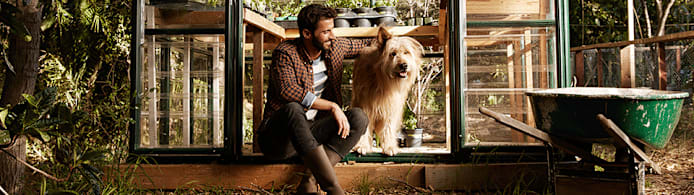
Being a sustainable pet parent involves good practices and habits. Learn more about eco-friendly dog products, eco-friendly cat products and other solutions.
Sustainable Dog Accessories: The Easiest Place to Start
If you share your life with a dog, you already know that pet parenthood comes with a real environmental footprint — from the bags you use on every walk to the gear that fills your home. The good news: swapping in sustainable dog accessories is one of the most practical, immediate ways to reduce that footprint, and you don't have to overhaul everything at once. Small, consistent changes add up to a meaningful difference for the planet — and for the generations of pet parents and pets that come after you.
Start where it's easiest: the products you reach for every single day.
Eco-Friendly Dog Waste Bags & Scooping Tools
Picking up after your dog isn't optional — but how you do it is entirely up to you. If you're currently using virgin plastic dog waste bags (bags made from newly created plastic resin with no recycled content), those bags accumulate fast. A single dog walked twice a day can go through 700 or more bags in a year.
Two straightforward upgrades make a real difference:
- Plant-based or biobased waste bags — Made with content derived from plants and other renewable materials, these bags handle the job just as reliably as traditional plastic while reducing dependence on virgin petroleum-based resin. Look for bags that clearly disclose their biobased content percentage on the label.
- A reusable poop scooper — For cleanup in your own backyard, a durable poop scooper eliminates the need for a bag on every single pickup. Over months and years, that's a significant reduction in single-use plastic waste.
| Tool | Best For | Sustainability Benefit |
|---|---|---|
| Biobased/plant-based waste bags | On-leash walks, parks, public spaces | Reduces virgin plastic resin use |
| Reusable poop scooper | Backyard cleanup at home | Eliminates per-use bag waste entirely |
| Compostable waste bags | Pet parents with access to pet-waste composting programs | Designed to break down under correct composting conditions |
A quick note: "Compostable" and "biodegradable" don't mean the same thing, and neither term guarantees a bag will break down in a standard landfill. Check your local municipality's guidelines before choosing a composting route for pet waste.
Beyond Waste: Other Sustainable Dog Accessories Worth Knowing
Waste bags are the highest-frequency purchase most dog pet parents make, but they're just the entry point. As you build sustainable habits, consider the accessories your dog uses every day:
- Collars and leads made from recycled or natural materials — Some brands now produce collars and leads from recycled plastic bottles or certified natural fibers, giving post-consumer materials a second life.
- Durable, long-lasting toys — A well-made toy that lasts months beats a cheap one that ends up in a landfill in weeks. Prioritize quality and repairability over novelty.
- Responsibly sourced grooming tools — Look for brushes and combs with sustainably sourced wood handles or recycled-content components.
You can browse a wide range of dog accessories at petco.com and filter by the features that matter most to you and your dog.
The Sustainable Pet Parent Mindset: Progress Over Perfection
You don't need to make sudden, drastic decisions to make a real impact. The most sustainable changes are the ones you'll actually stick with — so find the swaps that fit naturally into your routine. Switching your waste bags this week, adding a scooper next month, and gradually replacing worn-out gear with more responsibly made alternatives is a completely valid approach. In the long run, gradual, practical changes create the biggest cumulative impact for you, your dog and the planet.
Eco-friendly cat waste products
Cats will go through a lot of litter in their lifetime, and sustainable litter can be one of the most impactful eco-friendly cat products you can buy. Whether you look for a litter box made with recycled materials, litter crafted from renewable resources or simply earth-conscious packaging that helps you reduce waste, there are many options available. A more sustainable way to purchase cat litter is to buy a 16- or 30-lb. container of So Phresh Advanced Odor Control Scoopable Cat Litter and then take it back to your neighborhood Petco Pet Care Center to refill it when it’s empty.
Eco-friendly pet food
Your choices about what you feed your pet can create a big difference in their wellbeing. Those same choices can impact the environment, too. Luckily, what benefits your pets is very often what benefits the Earth. Responsibly sourced plant and animal ingredients, organic recipes and sustainable farming practices are some of the hallmarks you can look for to make sure your pet’s food is good for the planet and good for their bodies.
Eco-friendly dog food
Because most dogs will eat just about anything, it’s up to their pet parents to provide great food made with beneficial ingredients. If you want an eco-friendly dog food or dog treat, look for one that contains responsibly grown and sustainably sourced natural ingredients and organic meats. Some dog food brands, such as Jiminy’s, are even turning to alternative protein sources like crickets. Another way to incorporate eco-friendly dog products at dinnertime is by using dishes made from sustainable or recycled materials instead of virgin plastics.
Eco-friendly cat food
Cats are generally thought of as being a little choosier than dogs when it comes to food, but you can still find eco-friendly cat food and treats that your fussy feline will be happy to consume. Sustainably caught fish treats or responsibly manufactured food with natural ingredients are delicacies your cat will likely gobble up—and they’re good choices for Mother Earth, too.
Eco-friendly toys
It’s important to replace your pet’s toys once structural integrity has been compromised. Small scraps of cloth, trimmings, stuffing or tiny chewed-down pieces of bone or plastic can present a risk of choking, indigestion or even intestinal blockage, making relatively frequent toy replacement necessary. Since tossing out toys is an inevitable part of pet parenting, take this opportunity to look for eco-friendly dog and cat toys with a lower environmental impact.
Eco-friendly dog toys
Sustainable dog products include dog toys made from recycled materials and toys that are themselves recyclable. Some dog toys are even made of materials like cotton or—in the case of dog chews—natural animal parts. Another good sustainable dog toy choice is a treat-dispensing puzzle toy that can be reused many times and doesn’t need to be replaced frequently.
Eco-friendly cat toys
Since cats are less likely than dogs to chew and swallow everything that crosses their path, there are plenty of sustainable cat products made from organic, recycled and biobased ingredients. Recycled and recyclable toys, plant-based scratch pads and, of course, natural catnip are just a few of the eco-friendly cat entertainment options available.
Eco-friendly grooming and cleaning supplies
From brushes and shampoo to freshening sprays and cleaning formulas, there are plenty of products designed to keep your pet and their living area clean. That means there are just as many opportunities to choose eco-friendly pet products without sacrificing quality and effectiveness. Many eco-friendly dog and cat grooming and cleaning products aren’t just gentle on the environment—they’re gentle on your animal companions, too.
Eco-friendly dog grooming and cleaning supplies
A sustainable brush made from recycled materials with eco-friendly construction is a great tool for pet parents. Plant-based, EPA-awarded shampoo and biodegradable grooming wipes are other eco-friendly dog products that are effective enough to keep pet parents satisfied.
Eco-friendly cat grooming and cleaning supplies
Grooming brushes made from renewable resources and recycled materials easily take the place of brushes made from newly manufactured substances. Deodorizing litter box sprays made with plant-based ingredients and fast-acting enzymes target and neutralize odors. And plant-based, cruelty-free cat wipes make quick work of cleaning whatever debris may be clinging to your cat’s coat.
Little decisions add up, and making moves towards more sustainable pet parenting means making the choices that make the most sense for your home, family and lifestyle. Perfection isn’t necessary to have a positive environmental impact. There are countless ways to make a difference in the world’s wellbeing while being the pet parent your beloved pet deserves. If you’re overwhelmed with options, here are some helpful guidelines to keep in mind:
- Use it up. Whether or not you purchase eco-friendly pet products, you can reduce waste by using every last bit of shampoo, cleaner, food or supplement in a container.
- Recycle. Check the labels of spent containers and packaging to see whether they’re recyclable. Some toys, dishes and accessories are even recyclable when your pet is done with them.
- Built to last. Having eco-friendly lifestyles with our pets isn’t just a matter of using biobased or recycled materials. Another way to practice sustainable pet parenthood is through purchasing high-quality products that are less likely to break down or need frequent replacing. Well-crafted items can be sustainable items.
- Waste not. When items can’t be recycled, look for more eco-friendly ingredients. Cleaning products that rely on enzyme action instead of harsh chemicals, dog waste bags made with plant-based ingredients and toys crafted from natural fibers are all good ways to incorporate eco-friendly dog and cat products into your routine.
- Donate. If your pet doesn’t like their new food, treats, toys or has outgrown some of their items, don’t throw them away—donate them to a local shelter or rescue.
Frequently Asked Questions About Sustainable Dog Accessories and Pet Parenting
Still thinking through what sustainable pet parenting looks like in your day-to-day life? You're in good company. Below are the questions we hear most often from pet parents who want to make more thoughtful choices — from the leash on the hook by the door to the bowl on the kitchen floor.
Are sustainable dog accessories actually durable enough for everyday use? Yes — and in many cases, more so. Accessories made from recycled materials like rPET (recycled plastic bottles) or natural fibers such as hemp and organic cotton are designed to hold up to regular walks, play and wear. Look for reinforced stitching and hardware rated for your dog's size and activity level.
How do I know if a product is genuinely sustainable or just greenwashed? Look past vague marketing language and check for third-party certifications (such as GOTS for organic textiles or bluesign® for responsible manufacturing), recycled-content percentages and transparent sourcing information. Petco carries a curated selection of accessories with verified sustainable attributes — browse dog accessories at petco.com to compare options side by side.
Do sustainable materials affect my dog's comfort or safety? Reputable sustainable accessories meet the same fit and safety standards as conventional ones. If your dog has sensitive skin, check material details before purchasing and consult your veterinarian if you notice any irritation after introducing a new collar, harness or lead.
What's the easiest first swap I can make? Leashes and collars are a low-commitment starting point — they're replaced periodically anyway, so choosing a recycled or natural-fiber option at your next replacement is a simple, low-effort upgrade with real impact.
Can sustainable choices extend to my dog's food and feeding routine? Absolutely. Choosing dog food from brands that prioritize responsible sourcing, minimal packaging and high-quality ingredients is one of the highest-impact decisions you can make. Your veterinarian can help you evaluate whether a specific formula is the right nutritional fit for your dog.
Frequently Asked Questions
Are dog toys made from recycled materials safe for my dog? Dog toys made from recycled or reclaimed materials can be just as safe as those made from virgin plastics, provided they meet standard manufacturing quality checks and contain no toxic dyes or coatings. Always inspect toys regularly — once structural integrity is compromised, replace the toy promptly to reduce choking or intestinal blockage risks. When in doubt about a specific material, consult your veterinarian.
What does "biobased" mean on eco-friendly dog waste bags? Biobased means the product is derived wholly or partly from renewable biological sources — such as plant starches — rather than petroleum-based virgin plastic resin. Biobased content does not automatically mean a bag is compostable or biodegradable in a standard landfill, so check the packaging for specific disposal certifications before assuming a bag will break down quickly.
Is sustainably sourced dog food nutritionally complete? Sustainable sourcing describes how ingredients are grown or harvested, not whether a recipe meets your dog's nutritional needs. To confirm a food is complete and balanced, look for an AAFCO nutritional adequacy statement on the label — this indicates the recipe meets established nutrient profiles for your dog's life stage. https://www.aafco.org/consumers/understanding-pet-food/
Are alternative protein sources like cricket-based dog food safe and nutritious? Insect-based proteins are an emerging, lower-carbon protein option for dogs. Dogs are omnivores, so they can derive nutrition from a wide range of protein sources. Any commercial recipe should still carry an AAFCO adequacy statement confirming it meets nutritional requirements. If your dog has a known food sensitivity or a health condition, discuss novel protein choices with your veterinarian before switching. https://www.aafco.org/consumers/understanding-pet-food/
How do I know if an eco-friendly dog shampoo or grooming product is genuinely safer? Look for plant-based formulas that have earned recognition from credible third-party programs such as the EPA Safer Choice label, which evaluates ingredient safety for people, pets and the environment. Avoid vague marketing terms like "all-natural" and instead read the ingredient list. If your dog has a skin condition or allergy history, ask your veterinarian before introducing any new grooming product.
Can I compost my dog's waste as a sustainable disposal method? Dog waste composting is technically possible but requires a dedicated, purpose-built pet waste composter — not a standard backyard food or garden composter — because canine feces can harbor pathogens harmful to humans. The finished compost should never be used on edible gardens. Check your local municipal guidelines, as regulations on pet waste composting vary by region. Always consult local health authorities or your veterinarian for guidance specific to your area.
Sustainable Dog Accessories at a Glance: Materials, Durability & Eco-Impact
Choosing sustainable dog accessories doesn't have to mean guesswork. Use this comparison table to quickly weigh your options across the most common accessory types — so you can shop with confidence and a clear conscience.
| Accessory Type | Common Sustainable Materials | Typical Durability | Eco-Impact Highlights | What to Watch For |
|---|---|---|---|---|
| Collars | Recycled PET (plastic bottles), organic cotton, hemp, cork | Moderate–High (1–3+ years with care) | Diverts plastic waste from landfills; hemp is a low-water crop | Check hardware (buckles, D-rings) — metal hardware outlasts plastic and reduces replacement frequency |
| Leashes / Leads | Recycled nylon, organic cotton, natural hemp rope | Moderate–High | Recycled nylon repurposes post-consumer waste; hemp biodegrades at end of life | Inspect stitching and clasps regularly; a durable lead that lasts years beats a "green" one replaced every season |
| Harnesses | Recycled polyester webbing, organic cotton canvas | Moderate (fit changes as dogs grow) | Recycled polyester reduces virgin petroleum use | Fit your dog properly — an ill-fitting harness worn out quickly negates the sustainability benefit |
| Beds & Mats | Recycled PET fill, organic cotton covers, natural latex, upcycled denim | High (2–5+ years with washable covers) | Recycled fill keeps plastic bottles out of oceans; washable covers extend product life significantly | Look for GOTS-certified organic cotton or OEKO-TEX labels to confirm material claims |
| Toys | Natural rubber, organic cotton, recycled fabric, hemp rope | Low–Moderate (replace when damaged) | Natural rubber is biodegradable; recycled fabric repurposes textile waste | Replace any toy once structural integrity is compromised — small pieces pose a choking or intestinal-blockage risk regardless of material |
| Food & Water Dishes | Recycled stainless steel, bamboo-composite, recycled glass | Very High (5+ years) | Stainless steel is infinitely recyclable; bamboo is a rapidly renewable resource | Avoid dishes with unknown plastic liners or coatings; stainless steel and glass are easiest to verify as non-leaching |
| Waste Bags | Biobased plant-derived resins, recycled content plastic | Single-use by design | Plant-derived bags reduce reliance on virgin petroleum plastic; some are certified compostable | "Biodegradable" and "compostable" are not the same — look for ASTM D6400 certification for true compostability |
| Grooming Brushes | Recycled-material handles, bamboo handles, natural boar bristle | High (years of use) | Bamboo handles are biodegradable; durable construction means fewer replacements | Pair with plant-based, EPA Safer Choice–recognized shampoos for a fully lower-impact grooming routine |
Durability is sustainability. A well-crafted collar, lead or bed that lasts three years almost always has a lower lifetime environmental footprint than a cheaper alternative replaced three times. When evaluating any sustainable dog accessory, factor in longevity alongside materials.
Frequently Asked Questions
What makes a dog collar or lead truly sustainable? A sustainable collar or lead typically combines two qualities: responsible materials (recycled, organic or rapidly renewable) and genuine durability. A recycled-PET collar that lasts three years reduces both virgin plastic demand and replacement waste. Look for transparent sourcing from the brand and hardware (buckles, rings) made from metal rather than plastic, since metal components outlast the webbing itself.
Are biobased or compostable dog waste bags actually better for the environment? Bags made with biobased plant-derived content reduce dependence on virgin petroleum plastic, which is a meaningful step forward. For a bag to be genuinely compostable — meaning it breaks down in a composting environment rather than a landfill — look for ASTM D6400 certification. Without that standard, "biodegradable" on a label has no regulated meaning in the US. Your veterinarian or local waste authority can advise on composting pet waste safely in your area.
How do I know if a dog toy labeled "natural" or "eco-friendly" is actually safer? Marketing terms like "natural" are not regulated for pet products, so look past the label. Natural rubber, organic cotton and hemp rope are verifiable materials with established environmental profiles. More importantly, no toy material eliminates the need for supervision — replace any toy the moment its structural integrity is compromised, since fragments of any material (cotton, rubber or otherwise) can pose a choking or intestinal-blockage risk. When in doubt about a specific material's safety for your dog, consult your veterinarian.
Do sustainable dog beds and accessories cost significantly more? Initial price is often higher, but total cost of ownership tends to be competitive or lower. A recycled-fill dog bed with a washable, replaceable cover can last five or more years; a lower-cost bed replaced annually generates more waste and often more expense over time. Framing sustainable accessories as a "built to last" investment — rather than a premium — reflects the real value.
Can I recycle old dog accessories when my pet is done with them? It depends on the material. Stainless steel dishes and some metal hardware are widely recyclable through municipal programs. Recycled-PET collars and leads may be accepted by textile or specialty recyclers. Natural materials like cotton and hemp can often be composted if they contain no synthetic dyes or hardware. Check the product label and your local recycling guidelines — and contact the brand directly, as some sustainable pet accessory companies offer take-back or recycling programs.
What's the single most impactful sustainable swap a dog pet parent can make? There's no universal answer, but switching everyday consumables — waste bags and food — tends to create the highest cumulative impact because they're purchased repeatedly. For accessories, prioritizing durability over novelty (buying one well-made lead instead of several cheap ones) is a practical, high-return habit. Start with the swap that fits your routine; consistent small changes add up to meaningful impact over time.
This article was created with assistance from AI tools and reviewed for accuracy by Petco's content team.
Related Articles


Being an eco-friendly cat or dog parent starts with simply noticing the areas in which you have an opportunity to make a positive environmental impact. Pay attention to how many pet products you use each day and look for ways to switch to eco-friendly pet products. Perhaps you could begin using dog waste bags made with recycled materials or look for cat food made with sustainable ingredients. You may be able to introduce biodegradable shampoo into your pet’s grooming routine or commit to toys crafted from recyclable or plant-based materials. You don’t have to aim for perfection. Just keep an eye out for simple changes you can make to lower the carbon footprint of your overall household and lifestyle.
Many pet parents care about eco-friendly dog products for the same reason they care about dogs—they’re compassionate people who want the best for the Earth and all its living things. Fortunately, there is plenty of common ground between sustainable dog products and effective, beneficial dog products. You shouldn’t need to choose between something that’s good for the Earth and something that’s good for your beloved pup.
Remember that it’s still important to use eco-friendly pet products as directed. Just because a cleaner is plant-based doesn’t mean it won’t sting if it gets into your dog’s eyes, and just because a food is made from sustainable ingredients doesn’t mean it automatically fits the diet plan recommended by your veterinarian. Sustainable dog products that are used incorrectly have the capacity to harm your pet, so make sure to read instructions before using eco-friendly dog products—just as you should with any new pet product.
There are a number of ways you can introduce sustainable cat products into your feline’s routine. Some of the most impactful changes can include various solutions such as:
Sustainable food. Sustainably caught fish and sustainably raised meats can help reduce your carbon footprint without sacrificing flavor.
Biodegradable toys. Cat toys made from biodegradable ingredients like paper and cotton can help reduce landfill space.
Refillable litter. Refillable kitty litter containers, like those made by SoPhresh, can significantly reduce packaging waste.
More natural products. You can find natural, earth-friendly ingredients in everything from treats to toys to shampoos and cleaners.