


Two Easy Ways to Start Earning Rewards!
Become a member today! Members-only pricing and offers, personalized care notifications, Vital Care points back on every purchase and more!
 Become a credit card member today!
Earn 2X Pals Rewards points at Petco
when you use Petco Pay!APPLY NOWLearn More About Petco Pay Benefits
Can Dogs Eat Tuna? What Pet Parents Should Know
Published on January 11th, 2023
Updated on June 16th, 2026

Written by Dr. Jonathan Stockman DVM DACVIM
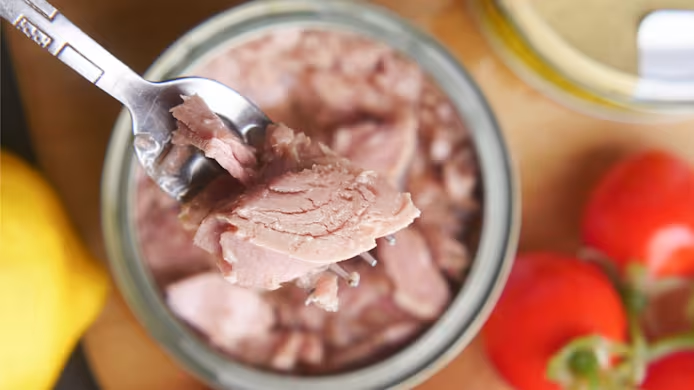
Whether you buy it at the grocery store or catch it fresh, you shouldn't regularly feed tuna to your dog unless it's part of commercial dog food.
Yes, in moderation.
It is ok to feed canned tuna in water on occasion. It can be given as a treat; however, it is best not to feed tuna daily or in excessive amounts. Canned tuna can be high in salt. Tuna can also be high in heavy metals such as mercury. While signs of toxicity due to heavy metal bioaccumulation are very uncommon in dogs, it is safer not to feed canned tuna every day.
Monitor salt intake
High salt content is not recommended in dogs that suffer from heart disease or from kidney disease; however, there is little evidence to tie high salt intake and hypertension in healthy dogs; unlike people.
Use tuna like a treat
Tuna can be a lean source of protein that can be occasionally fed to your dog. Like any other treat, it should not be fed as more than 10% of the daily calorie intake because it can unbalance the diet. Tuna in oil is much higher in fat and in calories and this limits how much can be given.
How do I introduce tuna to my dog's diet?
Just like transitioning to any new food, it is best to introduce tuna gradually. Start with small amounts and monitor for any signs of intolerance. This can be changes in stool quality or even vomiting, and would warrant stopping feeding your dog tuna. If no adverse signs occur, you can gradually increase the amount alongside their normal diet of dog food and treats.
Alternatives to tuna
You may want to consider alternatives to tuna. Tuna contains high levels of mercury. Dogs—and even humans—that eat tuna often can potentially fall victim to mercury poisoning. This depends on the specific product and the amount of mercury in it. Humans are advised to limit their tuna intake according to their weight, but there are no such guidelines for dogs.
In theory, mercury poisoning can harm a dog’s kidneys, digestive tract, cardiovascular system and nervous system. While other types of fish containing much lower mercury levels may be appropriate alternatives for dogs as a treat. For example, cooked, lean white fish fillets can be offered as a low-fat treat on occasion. Examples include tilapia, cod, herring etc. Other fish such as salmon are much higher in fat. They provide a lot of calories and some dogs with sensitive gastrointestinal tract may not tolerate them well. If you have questions, you can always start by asking your vet.
Frequently Asked Questions
Can dogs eat canned tuna? Yes — canned tuna in water is the safest option for dogs and can be offered occasionally as a treat. Avoid canned tuna packed in oil, which is significantly higher in fat and calories, making it harder to stay within the 10% treat guideline. Always check the label and choose varieties with no added salt or seasonings. https://www.aafco.org/consumers/understanding-pet-food/
How much tuna can a dog eat? Treat tuna the same way you would any other snack: it should make up no more than 10% of your dog's total daily calorie intake. For most dogs, that means a small spoonful of flaked canned tuna in water a few times per week at most — not a daily staple. The right amount will vary by your dog's size, weight and overall diet, so ask your veterinarian if you're unsure what's appropriate for your pet. https://www.merckvetmanual.com/management-and-nutrition/nutrition-small-animals/nutritional-requirements-of-small-animals
What happens if a dog eats tuna regularly? Occasional tuna is generally well tolerated, but frequent or large servings raise two concerns. First, tuna is naturally high in mercury, a heavy metal that can accumulate in the body over time. In theory, mercury buildup can affect a dog's kidneys, digestive tract, cardiovascular system and nervous system. Second, many canned varieties contain added sodium, which is not recommended for dogs managing heart or kidney disease. Signs of mercury toxicity are uncommon in dogs, but the conservative approach is to keep tuna as an infrequent treat rather than a regular part of the diet. https://www.aspca.org/pet-care/animal-poison-control
Is fresh tuna safer than canned tuna for dogs? Fresh tuna still carries the same mercury concerns as canned tuna — mercury content is a property of the fish itself, not the packaging. If you offer fresh tuna, it should be fully cooked (never raw, which can harbor harmful bacteria and parasites), plain, boneless and given only occasionally. Canned tuna in water with no added salt or seasonings is often the more practical and portion-controlled choice for most pet parents. https://www.fda.gov/animal-veterinary/animal-foods-feeds/pet-food
What are lower-mercury fish alternatives to tuna for dogs? Several fish options carry a much lower mercury load and can make fine occasional treats. Cooked, lean white fish such as tilapia, cod and herring are good examples. These should be plain, fully cooked and boneless. Note that fattier fish like salmon are higher in calories and may not sit well with dogs that have a sensitive gastrointestinal tract. As with any new food, introduce alternatives gradually and watch for changes in stool quality or vomiting. https://www.merckvetmanual.com/management-and-nutrition/nutrition-small-animals/nutritional-requirements-of-small-animals
When should I call my veterinarian about tuna? Contact your veterinarian if your dog ate a large amount of tuna at once, has been eating tuna frequently over a long period, or shows any unusual symptoms after eating fish — including vomiting, diarrhea, lethargy or changes in thirst and urination. Dogs with pre-existing heart disease or kidney disease should have their sodium intake carefully managed, so always check with your vet before adding any new food, including tuna, to their routine. https://www.aspca.org/pet-care/animal-poison-control
Tuna Options at a Glance: What to Feed, How Much, and Better Alternatives
Use this quick-reference table to compare your options before sharing any fish with your dog. Portion guidance is a general starting point — always consult your veterinarian for advice tailored to your dog's health, weight and dietary needs.
| Type of Tuna or Fish | Mercury Risk | Fat & Calorie Level | Salt Concern | Max Suggested Serving (treat rule: ≤10% of daily calories) https://wsava.org/global-guidelines/global-nutrition-guidelines/ | Notes |
|---|---|---|---|---|---|
| Canned tuna in water | Moderate–High | Low–Moderate | High (check label) | ~1 tsp for small dogs (under 20 lb); ~1 tbsp for medium dogs (20–50 lb); ~2 tbsp for large dogs (50+ lb) — occasional treat only | Best canned option if you choose tuna; rinse to reduce sodium; never daily |
| Canned tuna in oil | Moderate–High | High | Moderate–High | Smaller portions than water-packed due to added fat and calories https://wsava.org/global-guidelines/global-nutrition-guidelines/ | Extra fat can upset sensitive stomachs; limit further or avoid |
| Fresh/raw tuna | High | Moderate | Low (no added salt) | Not recommended | Raw fish carries bacterial and parasite risk; always cook fish before sharing https://www.fda.gov/animal-veterinary/animal-foods-feeds/pet-food |
| Cooked fresh tuna (plain, no seasoning) | Moderate–High | Moderate | Low (no added salt) | Same as canned-in-water guidance; occasional only | Remove all bones; no butter, oil, garlic or onion |
| Tilapia or cod (cooked, plain) | Low | Low | Low | Small treat-sized portions; occasional https://sites.tufts.edu/petfoodology/ | Lower-mercury white fish; a practical alternative to tuna |
| Herring (cooked, plain) | Low | Moderate | Low–Moderate (varies if canned) | Small treat-sized portions; occasional | Rich in omega-3s; choose plain cooked over canned-in-brine |
| Salmon (cooked, plain) | Low | High | Low | Very small portions; use sparingly | Higher fat content may not suit dogs with sensitive digestive systems https://sites.tufts.edu/petfoodology/ |
Key reminders: Dogs are omnivores whose nutritional needs are best met by a complete and balanced dog food. https://www.merckvetmanual.com/management-and-nutrition/nutrition-small-animals/nutritional-requirements-of-small-animals Fish of any kind should be treated as an occasional treat — never a dietary staple — and should account for no more than 10% of your dog's daily caloric intake. https://wsava.org/global-guidelines/global-nutrition-guidelines/ If your dog has heart disease, kidney disease or a sensitive stomach, talk with your veterinarian before introducing any fish.
Frequently Asked Questions
Can dogs eat canned tuna safely? Yes, in moderation. Canned tuna in water is the safest canned option to share with your dog on occasion. It should be treated like any other treat — kept to no more than 10% of daily caloric intake — and should not be offered every day due to its moderate-to-high mercury content and elevated sodium levels. https://wsava.org/global-guidelines/global-nutrition-guidelines/
Why is mercury in tuna a concern for dogs? Tuna is a large, long-lived predatory fish that accumulates mercury through a process called bioaccumulation. In theory, repeated exposure to high mercury levels can affect a dog's kidneys, nervous system, cardiovascular system and digestive tract. Signs of heavy metal toxicity are uncommon in dogs, but because there are no established safe-intake guidelines for dogs the way there are for people, it is wisest to keep tuna servings infrequent. If you suspect your dog has been exposed to a toxin, contact your veterinarian or the ASPCA Animal Poison Control Center. https://www.aspca.org/pet-care/animal-poison-control
Is tuna in oil safe for dogs? Tuna packed in oil is significantly higher in fat and calories than tuna packed in water, which means you can share even less of it before it starts to unbalance your dog's diet. The added fat can also be hard on dogs with sensitive stomachs. If you want to share tuna as a treat, water-packed is the better choice — and even then, keep portions small and infrequent. https://wsava.org/global-guidelines/global-nutrition-guidelines/
What fish is safer than tuna for dogs? Lower-mercury white fish such as tilapia, cod and herring are practical alternatives. Offer them cooked, plain and boneless — no butter, oil, garlic or seasoning. Salmon is another option but is higher in fat, so very small portions are best, and it may not suit dogs with sensitive digestive systems. Raw fish of any kind is not recommended due to the risk of bacteria and parasites. https://www.fda.gov/animal-veterinary/animal-foods-feeds/pet-food https://sites.tufts.edu/petfoodology/
Can dogs with kidney or heart disease eat tuna? High sodium intake is not recommended for dogs managing heart or kidney disease. Canned tuna can be high in salt, so it is best to avoid it entirely for dogs with these conditions. Always consult your veterinarian before introducing any new food — including fish — to a dog with an existing health condition. https://www.merckvetmanual.com/management-and-nutrition/nutrition-small-animals/nutritional-requirements-of-small-animals
How do I introduce tuna to my dog for the first time? Start with a very small amount — a half teaspoon or less for smaller dogs — and watch closely over the next 24 hours for any changes in stool quality, vomiting or signs of stomach upset. If your dog tolerates it well, you can offer a slightly larger portion on the next occasion, always staying within the 10% treat guideline. If any adverse signs appear, stop feeding tuna and check in with your veterinarian. https://wsava.org/global-guidelines/global-nutrition-guidelines/
This article was created with assistance from AI tools and reviewed for accuracy by Petco's content team.


