


Two Easy Ways to Start Earning Rewards!
Become a member today! Members-only pricing and offers, personalized care notifications, Vital Care points back on every purchase and more!
 Become a credit card member today!
Earn 2X Pals Rewards points at Petco
when you use Petco Pay!APPLY NOWLearn More About Petco Pay Benefits
Can Dogs Eat Cat Food? A Vet-Backed Answer
Published on September 15th, 2023
Updated on June 16th, 2026

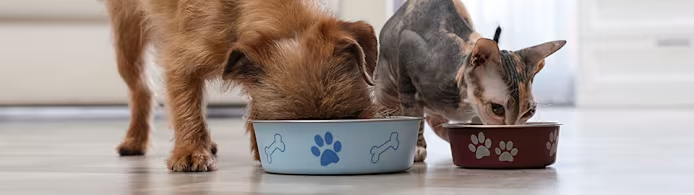
Cat food is ideal for cats, but not dogs. Learn more from Petco about what your dog should & should not be eating.
No, dogs should not eat cat food. If your household includes cats and dogs, you may have caught your pup grabbing a bite from your cat’s food bowl. Or perhaps you’ve run out of dog food and wondered, “Can you feed a dog cat food?”
In a nutshell, the answer is no, though your dog will probably be okay if they snuck a few bites of cat food without your permission. Cats and dogs have different nutritional needs. Unsurprisingly, cat food is formulated to support the health needs of cats—not dogs.
The Difference Between Cats and Dogs
Can dogs eat wet cat food? Or dry cat food? No, but if you read the labels on cat and dog food, you’ll find a lot of the same ingredients in each product. However, there are important differences in cat and dog food, and it has to do with the differences between cats and dogs.
Cats are obligate carnivores, meaning they need to eat a high amount of protein to survive and thrive. Though many people assume dogs are also carnivores, the truth is they are actually omnivores. Dogs require a greater nutritional variety in their food compared to cats. Along with protein, your pup needs fiber and carbohydrates. That’s why most dog food includes a mixture of meat, vegetables and grains.
Cat food—on the other hand—typically includes a higher ratio of protein and fats than dog food. Cats also need more vitamins and minerals in their food compared to dogs. Food for felines may include vitamins that aren’t optimized for dogs.
Is Cat Food Bad for Dogs?
Generally speaking, a few bites of cat food probably won’t hurt your dog. Though, depending on your dog, they may end up with an upset stomach. You may notice dog gas or stomach grumbles. Your pup may also experience vomiting and diarrhea.
That said, cat food can make your dog sick if they eat it regularly or in large quantities. First, the high amount of fat and protein in cat food can upset your dog’s stomach. That amount of protein will force your dog’s liver and kidneys to work extra hard, which can take a toll on your dog’s health. Cat food is also higher in calories per portion than dog food, so your best friend can quickly gain unwanted weight if they eat cat food too often.
Perhaps the biggest risk to your dog is that high-fat cat food can trigger inflammation of the pancreas—a condition known as pancreatitis. Pancreatitis is a painful and serious illness that can be fatal if not addressed immediately. Symptoms of pancreatitis include lethargy, loss of appetite, vomiting, hunching, diarrhea and a distended stomach. If you notice any of these symptoms in your dog, take them to the vet immediately.
If your dog shows signs of an upset stomach, make sure your pet doesn’t have access to your cat’s food. You may also want to consult your vet and consider investing in digestive health dog food.
How to Prevent Your Dog from Eating Cat Food
Even though you now know that it’s not a good idea for your dog to eat cat food, your canine doesn’t know any better. In fact, because cat food contains a high level of protein, many dogs enjoy the taste of cat food. It’s not uncommon for a dog to gobble up leftovers from the cat’s bowl or to even rip through the bag of cat food in the pantry.
There are several easy ways you can help prevent your dog from dining on your cat’s food. First, if your dog has a habit of getting into the pantry or cabinets, put your cat’s kibble in a bin with a lid. Make sure the bin is strong enough to withstand canine teeth. Next, consider placing your cat’s food on a high surface where your dog can’t reach it, like a cat window seat or on a platform of their cat tree. Finally, if you enjoy technological solutions, consider investing in an automatic feeder that stays closed until dinner time. Some of the more advanced feeders can even connect to an individual pet’s ID chip and will only open for that pet.
Can Cats Eat Dog Food?
You already know the answer to the question of “can dogs have cat food,” so you can probably guess that your cat shouldn’t be eating your canine’s food either. Fortunately, most cats don’t seem to enjoy the taste and smell of dog food, so it shouldn’t be too difficult to keep your kitty away from your dog’s food bowl.
Dog food does not contain the amount of protein, amino acids and fatty acids cats require. If you were to feed dog food to your cat over an extended period of time, they would likely begin to suffer from nutritional deficiencies. Additionally, certain ingredients that are safe for dogs are not safe for cats. One example is propylene glycol which can be found in some semi-moist dog foods. High levels of this ingredient can be harmful to cats.
Keep Your Pet Food Separate
At the end of the day, the main point is simple. Can dogs eat cat food? Nope. Make sure to feed your canine food formulated for dogs. The same goes for your cat. Cats should only eat food made for felines. Look for nutritionally balanced food formulated for the life stage of each pet. If you’ve ever considered making your own pet food at home, work with your veterinarian or a veterinary nutritionist to design appropriate recipes for your cats and dogs.
If your dog is showing signs of an upset stomach and you suspect they’ve eaten a large amount of cat food, contact your vet. It’s always better to be safe rather than sorry. Learn more about gut health for dogs and cats.
Frequently Asked Questions
Can dogs eat cat food in an emergency if I've run out of dog food? A single meal of cat food is unlikely to cause serious harm to an otherwise healthy adult dog, but it is not a recommended substitute. Cat food's higher protein and fat content is formulated to meet feline nutritional requirements — not canine ones — so it does not provide the balanced nutrition dogs need. https://www.aafco.org/consumers/understanding-pet-food/ Pick up dog-appropriate food as soon as possible, and consult your veterinarian if you have concerns.
Is cat food toxic to dogs? Cat food is not toxic to dogs in the way that certain foods (like grapes or xylitol) are. However, its elevated protein, fat and calorie levels can cause real harm over time, and even a single large serving can trigger vomiting, diarrhea or, in predisposed dogs, a serious bout of pancreatitis. https://www.merckvetmanual.com/management-and-nutrition/nutrition-small-animals/nutritional-requirements-of-small-animals "Not toxic" does not mean "safe to share regularly."
What should I do if my dog ate cat food? If your dog stole a few bites, monitor him or her for signs of digestive upset — loose stool, vomiting, lethargy or a distended abdomen. Mild symptoms usually resolve on their own; withhold additional food for a few hours and ensure fresh water is available. If symptoms are severe, persist beyond 24 hours, or if your dog consumed a large quantity of cat food, contact your veterinarian promptly. https://www.aspca.org/pet-care/animal-poison-control
How much cat food is dangerous for a dog? There is no universal threshold because risk depends on the dog's size, age, health status and how much fat and protein his or her system can handle. Small or toy breeds, senior dogs and dogs with a history of pancreatitis or kidney disease are at greater risk from even modest amounts. As a general rule, cat food should never be a planned part of a dog's diet, and any dog that has consumed a large or repeated serving warrants a call to your veterinarian. https://sites.tufts.edu/petfoodology/
Why do dogs love the smell and taste of cat food so much? Cat food is formulated to appeal to obligate carnivores, so it is typically higher in animal-derived protein and fat — two qualities that are highly palatable to dogs as well. The richer aroma and denser caloric profile make it especially tempting for a dog who has learned the cat's bowl is within reach. This is a behavioral reality, not a sign that cat food is appropriate for dogs. https://www.aafco.org/consumers/understanding-pet-food/
Can eating cat food long-term cause lasting health problems in dogs? Yes. Chronic consumption of cat food can contribute to obesity due to its higher calorie density, place sustained strain on a dog's kidneys and liver from excess dietary protein, and significantly raise the risk of pancreatitis from elevated fat levels. Dogs also miss out on the fiber, carbohydrates and dog-specific nutrient ratios they need for long-term wellbeing. https://www.merckvetmanual.com/management-and-nutrition/nutrition-small-animals/nutritional-requirements-of-small-animals https://wsava.org/global-guidelines/global-nutrition-guidelines/ If you suspect your dog has been eating cat food regularly, discuss a nutritional reset with your veterinarian.
This article was created with assistance from AI tools and reviewed for accuracy by Petco's content team.


FAQs About Dogs Eating Cat Food
Generally speaking, a few bites of cat food probably won’t hurt your dog. However, they may end up with an upset stomach. You may notice your dog has intestinal upsets and gas. Your pup may also experience vomiting and diarrhea.
No. Cat food can make your dog sick if they eat it regularly or in large quantities. First, the high amount of fat and protein in cat food can upset your dog’s stomach. That amount of protein will force your dog’s liver and kidneys to work extra hard, which can take a toll on your dog’s health. Cat food is also higher in calories per portion than dog food, so your best friend can quickly gain unwanted weight if they eat cat food too often.
Perhaps the biggest risk to your dog is that high-fat cat food can trigger inflammation of the pancreas—a condition known as pancreatitis. Pancreatitis is a painful and serious illness that can be fatal if not addressed immediately. Symptoms of pancreatitis include lethargy, loss of appetite, vomiting, hunching, diarrhea and a distended stomach. If you notice any of these symptoms in your dog, take them to the vet immediately.