


Two Easy Ways to Start Earning Rewards!
Become a member today! Members-only pricing and offers, personalized care notifications, Vital Care points back on every purchase and more!
 Become a credit card member today!
Earn 2X Pals Rewards points at Petco
when you use Petco Pay!APPLY NOWLearn More About Petco Pay Benefits
Preauricular Alopecia in Cats: Thin Hair Above the Eye
Published on November 5th, 2024
Updated on June 18th, 2026

Written by Petco Editorial Team
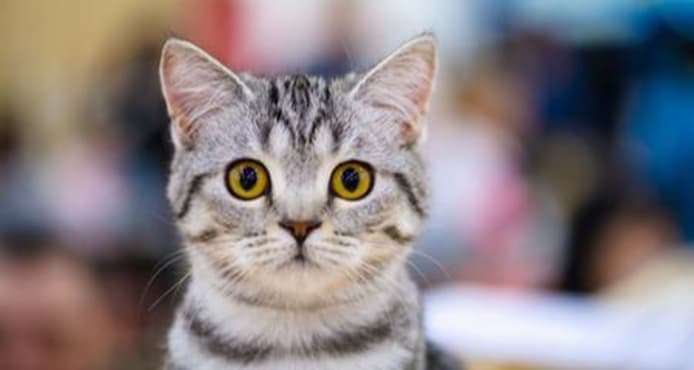
Facial alopecia (hair loss) in the area between the ears and eyes in cats is normal.
The normal hair loss between the eyes and the ears in cats is called 'facial alopecia,' or 'preauricular' (literally, before the ear) alopecia. It is seen in male and female cats and is more noticeable in the shorthaired varieties.
Facial alopecia is not a medical disorder or a disease. It is a normal aging process. Kittens have equal hair density over their entire bodies. As they age, certain areas 'thin out.' On the face, this usually starts when they are 14 to 20 months old and continues until they are about 3 years old.
If you see this hair loss in your cat and there are no lesions or scratching, what you are seeing in your cat is a normal aging process and should not cause any concern.
Frequently Asked Questions
What is preauricular alopecia in cats? Preauricular alopecia is the normal, gradual thinning of hair in the area between a cat's eyes and ears. It is not a disease or medical disorder — it is simply a natural part of how a cat's coat matures as he or she ages.
When does preauricular alopecia start, and how long does it last? Most cats begin showing this thinning between 14 and 20 months of age. The gradual hair loss typically continues until around 3 years old, at which point the coat stabilizes. If your cat is in that age window and you notice the temples looking a little sparse, there is usually no cause for concern.
Does preauricular alopecia affect all cats? It can appear in both male and female cats of any breed, but it tends to be far more noticeable in shorthaired cats. Longhaired cats experience the same thinning, but the surrounding fur often masks it.
Is preauricular alopecia permanent? The thinning that develops during the normal aging process is generally permanent in the sense that the temples will remain less dense than the rest of the coat — but it does not progress into full baldness, and it does not spread. Think of it as your cat's adult coat finding its natural pattern.
When should I be concerned about hair loss near my cat's ears? Normal preauricular alopecia comes with no redness, flaking, lesions, or itching. If your cat is scratching at the area, if the skin looks irritated or inflamed, if the hair loss is spreading beyond the temple region, or if your cat seems uncomfortable, those are signs worth a veterinary visit. Conditions such as ringworm, allergies, mites, or hormonal imbalances can also cause facial hair loss and do require diagnosis and treatment. Consult your veterinarian any time you are unsure. https://www.vet.cornell.edu/departments-centers-and-institutes/cornell-feline-health-center/health-information
Can nutrition affect my cat's coat and contribute to unusual hair loss? A nutritionally complete diet formulated to meet AAFCO standards supports healthy skin and coat in cats. Since cats are carnivores, they have specific protein and nutrient requirements that a quality cat food should fulfill. While preauricular alopecia is not diet-related, poor nutrition can contribute to dull coats or excessive shedding in other areas. If you have concerns about your cat's overall coat health, your veterinarian can help evaluate whether diet may be a factor. https://www.aafco.org/consumers/understanding-pet-food/
This article was created with assistance from AI tools and reviewed for accuracy by Petco's content team.
255Pet Parents found this article helpful
Related Articles


