


Two Easy Ways to Start Earning Rewards!
Become a member today! Members-only pricing and offers, personalized care notifications, Vital Care points back on every purchase and more!
 Become a credit card member today!
Earn 2X Pals Rewards points at Petco
when you use Petco Pay!APPLY NOWLearn More About Petco Pay Benefits
Cat Aging: Normal Changes in Senior & Geriatric Cats
Published on August 21st, 2000
Updated on June 18th, 2026

Written by Lauren M. Jones, VMD
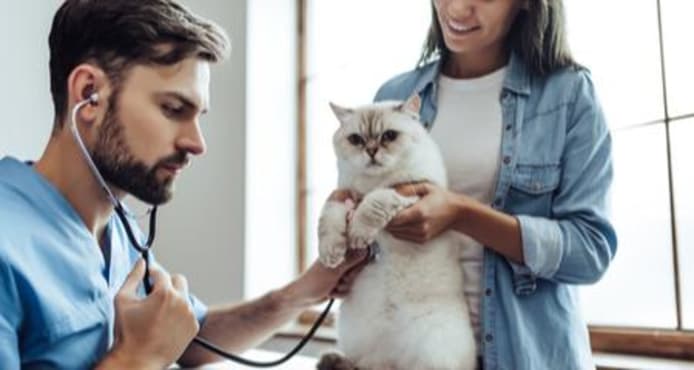
The normal aging process and expected changes in the bodily functions of senior cats are discussed.
How Aging Changes Your Cat's Body — And What You Can Do About It
Cats are living longer than ever, and with that longer life comes a set of predictable physical changes that every pet parent should recognize. Starting around age 7–10, your cat's body begins shifting in ways that affect everything from digestion to joint comfort to organ function. Knowing what to expect — and when to call your veterinarian — is the single most important thing you can do for your senior cat's quality of life. https://www.vet.cornell.edu/departments-centers-and-institutes/cornell-feline-health-center/health-information
Not every cat ages on the same schedule. Some cats show pronounced changes earlier; others sail into their teens with minimal disruption. The good news: most age-related changes are manageable when caught early through regular wellness exams, thoughtful environmental adjustments and a diet matched to your cat's current life stage.
Nutritional Needs: What Actually Changes (and What Doesn't)
Here's a fact that surprises many pet parents: unlike dogs, whose calorie needs typically decline with age, cats' energy requirements remain essentially stable throughout adulthood. https://www.merckvetmanual.com/management-and-nutrition/nutrition-small-animals/nutritional-requirements-of-small-animals
What does change is how efficiently a senior cat processes what she eats:
- Fat digestion declines. Research shows that older cats do not digest and absorb dietary fat as effectively as younger cats. To maintain the same energy intake, she may need either more fat in her diet or fat from more digestible sources. https://www.merckvetmanual.com/management-and-nutrition/nutrition-small-animals/nutritional-requirements-of-small-animals
- Weight trends shift. Obesity is a primary concern in middle-aged cats, but many cats actually lose excess body fat as they move into their senior years — sometimes too much of it.
- Muscle mass decreases. Older cats tend to lose lean muscle tissue, which compounds mobility challenges (more on that below).
Monitor your cat's weight and body condition score at home between vet visits, and adjust her cat food accordingly. Look for formulas developed specifically for senior cats, which are calibrated for these shifting needs. https://www.aafco.org/consumers/understanding-pet-food/ A wet cat food option can also help support hydration — especially important as kidney function changes with age.
Coat, Nails and Foot Pads
Visible changes to your cat's coat and feet are often the first signs of aging that pet parents notice.
Coat changes to watch for:
- Gray hair, particularly around the muzzle — most noticeable in black cats
- A thinner, duller coat texture
- Reduced ability to self-groom, especially around the hindquarters, due to arthritis stiffness
Important: A significantly changed coat can also signal disease or nutritional deficiency — not just normal aging. If your cat's coat deteriorates noticeably, schedule a veterinary exam. Fatty acid supplements may help restore some coat luster, but confirm the right product and amount with your vet first. https://www.vet.cornell.edu/departments-centers-and-institutes/cornell-feline-health-center/health-information
Nail and foot pad changes:
- Foot pads may thicken with age
- Nails become more brittle and may need more frequent trimming, since senior cats tend to use scratching posts less often than younger cats
- Use extra care when clipping brittle nails to avoid cracking or splitting
Make grooming count. Regular brushing sessions are a meaningful way to bond with your older cat while also giving you a chance to check for lumps, bumps or non-healing sores. Contact your veterinarian promptly if you find any.
Mobility, Arthritis and Muscle Loss
Arthritis is common in older cats, and its severity varies widely — from mild stiffness that's easy to miss to significant pain that limits daily movement. https://www.vet.cornell.edu/departments-centers-and-institutes/cornell-feline-health-center/health-information
Signs your cat may be experiencing joint discomfort:
- Hesitation or refusal to jump onto favorite perches or furniture
- Difficulty navigating stairs
- Reduced grooming of hard-to-reach areas
- Moving more slowly or sleeping more than usual
Environmental adjustments that help:
- Ramps or pet stairs to favorite resting spots
- Low-sided litter boxes that are easy to step into — and placed on the floor level where your cat spends most of her time (see our litter and waste disposal options)
- Low-profile cat beds that don't require climbing
- Food and water bowls kept on the same level as the litter box
Glucosamine and chondroitin supplements can help support joint health in senior cats — ask your veterinarian whether they're appropriate for your cat and what form works best.
A critical safety note: Cats have a distinct and serious sensitivity to many anti-inflammatory medications. Common over-the-counter pain relievers — including aspirin and acetaminophen — are highly toxic to cats. https://www.aspca.org/pet-care/animal-poison-control Never give your cat any pain or anti-inflammatory medication unless it has been specifically prescribed by your veterinarian. If a medication is prescribed, follow the dosage instructions exactly.
Muscle loss matters too. Like people, older cats lose muscle mass when they're less active — and less muscle makes movement harder, which leads to even less activity. Breaking that cycle with gentle, age-appropriate play is important for muscle health, cardiovascular function, digestion and your cat's overall mood. Senior cats still have real curiosity; try empty cardboard boxes, paper bags turned on their sides, slow-moving wand toys or "cat TV" videos to keep her engaged and moving.
Dental Disease
Dental disease is one of the most common conditions seen in older cats. Studies indicate that approximately 70% of older cats show signs of gum disease. Left unaddressed, dental disease progresses from discomfort to serious, potentially life-threatening complications.
A complete dental care routine includes:
- Daily toothbrushing with a cat-safe toothpaste
- Regular dental checkups at your veterinary clinic
- Professional dental cleanings by a veterinarian as recommended
Cats who haven't received consistent dental care throughout their lives are at higher risk for significant disease as they age. Starting — or restarting — a home dental routine is worthwhile at any age.
Immune System Changes
As a cat ages, her immune system becomes less effective at identifying and fighting off pathogens. The practical result: older cats are more susceptible to infectious diseases, and when infections do occur, they tend to be more severe than the same infection would be in a younger cat. https://www.vet.cornell.edu/departments-centers-and-institutes/cornell-feline-health-center/health-information
Keeping your senior cat current on her vaccinations is an important and straightforward way to help protect her. Discuss the right vaccination schedule for your individual cat's lifestyle and health status with your veterinarian.
Heart and Lung Function
The aging feline heart gradually loses pumping efficiency. One condition to be aware of is hypertrophic cardiomyopathy — a disease of the heart muscle that is relatively common in cats. Diagnostic tools including radiographs (X-rays), an electrocardiogram (ECG) and an echocardiogram (echo) can be used to detect heart disease, often before obvious symptoms appear. Treatment options vary depending on the type and severity of disease present.
The lungs also lose elasticity with age, which can reduce their ability to oxygenate the blood efficiently. Senior cats with asthma may experience more severe episodes. Older cats in general may be more prone to respiratory infections and may tire more quickly during activity than they did when younger.
Kidney Function
Kidney disease is one of the most significant health concerns in senior cats, and the risk increases steadily with age. Declining kidney function can result from changes within the kidneys themselves or from reduced blood flow caused by heart dysfunction. https://www.vet.cornell.edu/departments-centers-and-institutes/cornell-feline-health-center/health-information
What to know about monitoring:
- Blood chemistry panels and urinalysis can detect chronic kidney problems before clinical signs appear
- However, changes in key kidney markers (BUN and creatinine) on a blood panel typically don't show up until roughly two-thirds of kidney function has already been lost — which is why routine senior wellness bloodwork matters so much
- The most common sign pet parents notice at home is increased water consumption and more frequent urination
If kidney function is compromised, your cat's diet and any medications she takes may need to be adjusted to reduce the workload on her kidneys. Despite drinking more water, some cats with kidney disease still need periodic fluid supplementation because the kidneys aren't processing consumed water efficiently. Pre-anesthetic bloodwork is also recommended before any procedure requiring anesthesia, to identify kidney concerns in advance.
Liver Function
The liver is remarkably resilient — it has a unique capacity to regenerate after injury — but it does age along with the rest of the body. Over time, its ability to filter the blood and produce essential enzymes and proteins gradually declines.
Interpreting liver values on a blood panel can be nuanced: some cats with elevated liver enzymes appear otherwise normal, while others with genuine liver disease show normal enzyme levels. This is why bloodwork results are always interpreted alongside a full clinical picture by your veterinarian.
Because the liver metabolizes most medications and anesthetics, drug doses may need to be reduced if liver function is impaired. Pre-anesthetic bloodwork is recommended before any procedure, for this reason as well.
Endocrine (Hormonal) Changes
Hormonal shifts are a significant — and sometimes overlooked — part of feline aging. Some glands produce less of their hormones as a cat ages, while others may become overactive.
| Endocrine Condition | What Happens | Common Signs to Watch For |
|---|---|---|
| Hyperthyroidism | Thyroid gland becomes overactive; very common in senior cats | Weight loss despite good appetite, increased vocalization, restlessness, increased thirst |
| Diabetes mellitus | Reduced insulin production or response | Increased thirst and urination, weight loss, lethargy |
| Reduced adrenal function | Adrenal glands may produce less cortisol with age | Subtle; often detected on bloodwork |
Hormonal conditions in older cats are often very manageable when caught early. Regular senior wellness exams — typically recommended every six months for cats over age 10 — give your veterinarian the opportunity to screen for these changes before they become serious. https://www.vet.cornell.edu/departments-centers-and-institutes/cornell-feline-health-center/health-information
A Quick-Reference Guide to Senior Cat Changes
| Body System | What Changes With Age | Key Action for Pet Parents |
|---|---|---|
| Nutrition & weight | Fat digestion declines; muscle mass decreases | Monitor body condition; consider a senior formula |
| Coat & nails | Duller coat, brittle nails, reduced self-grooming | Groom regularly; check for lumps; trim nails more often |
| Joints & mobility | Arthritis, stiffness, reduced activity | Add ramps, low-sided litter boxes; encourage gentle play |
| Dental health | Gum disease affects ~70% of older cats | Brush teeth; schedule regular dental checkups |
| Immune system | Less effective pathogen response | Keep vaccinations current |
| Heart & lungs | Reduced pumping efficiency; less lung elasticity | Annual or biannual cardiac screening |
| Kidneys | Declining filtration; increased thirst/urination | Twice-yearly bloodwork and urinalysis |
| Liver | Slower detoxification; altered drug metabolism | Pre-anesthetic bloodwork before any procedure |
| Hormones | Hyper- or hypo-active glands (thyroid, pancreas) | Regular senior wellness exams; watch for weight changes |
Every cat ages differently, and many of these changes are gradual enough that they're easy to miss at home. The most powerful tool you have is a consistent relationship with a veterinarian you trust — one who knows your cat's individual baseline and can spot meaningful shifts early. If you notice any sudden or significant changes in your cat's weight, thirst, mobility, coat or behavior, don't wait for the next scheduled visit. Call your vet.
Cat Life Stages at a Glance: What to Expect at Every Age
Understanding where your cat falls on the aging spectrum helps you catch changes early and give her the right care at the right time. Veterinary consensus generally divides a cat's life into four stages — and the shifts between them can be surprisingly subtle.
| Life Stage | Approximate Age | Key Physical Changes | Nutritional Focus | Vet Care Priority |
|---|---|---|---|---|
| Kitten | Birth – 1 year | Rapid growth; deciduous teeth replaced by permanent teeth; immune system developing | High-calorie, high-protein diet to fuel growth; kitten-formulated food essential https://www.merckvetmanual.com/management-and-nutrition/nutrition-small-animals/nutritional-requirements-of-small-animals | Core vaccinations; parasite prevention; spay/neuter discussion |
| Junior / Young Adult | 1 – 6 years | Full skeletal maturity reached by year 2; peak muscle mass; coat at its densest | Balanced adult maintenance diet; monitor portion size as metabolism stabilizes https://www.merckvetmanual.com/management-and-nutrition/nutrition-small-animals/nutritional-requirements-of-small-animals | Annual wellness exams; dental baseline; weight monitoring |
| Mature / Middle-Aged | 7 – 10 years | Metabolism begins to slow; obesity risk peaks; early dental disease common (studies show 70% of older cats show signs of gum disease ); coat may subtly dull | Calorie-controlled diet; watch fat digestibility; introduce joint-supportive nutrients if recommended by your veterinarian | Biannual exams recommended; baseline bloodwork; blood pressure screening |
| Senior | 11 – 14 years | Muscle mass loss accelerates; fat digestion declines — older cats may need more digestible fat sources to maintain energy https://www.merckvetmanual.com/management-and-nutrition/nutrition-small-animals/nutritional-requirements-of-small-animals; arthritis signs emerge; kidney filtration rate decreases; immune response weakens | Senior-formulated food; higher digestibility; adequate hydration critical; consult your veterinarian before changing diet | Biannual exams; full chemistry panel + urinalysis; cardiac and thyroid screening |
| Geriatric | 15+ years | Significant organ reserve decline (heart, kidney, liver); pronounced muscle wasting; brittle nails; thickened foot pads; cognitive changes possible; heightened infection susceptibility | Highly digestible, nutrient-dense food; caloric needs may increase again to offset poor absorption https://www.merckvetmanual.com/management-and-nutrition/nutrition-small-animals/nutritional-requirements-of-small-animals; omega fatty acids may help support coat condition | Every 3–6 month wellness visits; pain and mobility assessment; quality-of-life conversations with your veterinarian |
A note on energy needs: Unlike dogs, whose caloric requirements typically decrease with age, cats' energy needs remain relatively stable through adulthood — then can actually increase in the geriatric stage as fat and protein absorption becomes less efficient. This makes regular weight and body-condition monitoring essential at every stage, not just when problems appear. https://www.merckvetmanual.com/management-and-nutrition/nutrition-small-animals/nutritional-requirements-of-small-animals
Frequently Asked Questions
At what age is a cat considered "senior"? Most veterinary guidelines place cats in the senior category starting around age 11, with geriatric status beginning at approximately 15 years. Because aging varies by individual, your veterinarian is the best person to assess your cat's biological age based on her health history and exam findings.
Do older cats need different food than younger adult cats? Often, yes. Senior and geriatric cats may struggle to digest and absorb fat as efficiently as younger cats, meaning they can benefit from foods formulated with highly digestible protein and fat sources. Caloric needs don't automatically drop the way they do in aging dogs — so work with your veterinarian to find the right balance for your cat's body condition. https://www.merckvetmanual.com/management-and-nutrition/nutrition-small-animals/nutritional-requirements-of-small-animals
How can I tell if my older cat is in pain from arthritis? Cats are skilled at masking discomfort. Watch for subtle signs: reluctance to jump onto favorite perches, hesitation on stairs, changes in grooming habits (especially around the lower back and hindquarters), or increased irritability when touched. If you notice any of these, schedule a veterinary exam — do not give over-the-counter pain relievers, as medications like aspirin and acetaminophen are highly toxic to cats. https://www.aspca.org/pet-care/animal-poison-control
How often should a senior or geriatric cat see the veterinarian? For cats aged 11 and older, most veterinary professionals recommend wellness visits every six months rather than annually. More frequent checkups allow earlier detection of kidney disease, hyperthyroidism, dental disease and heart conditions — all of which are far more manageable when caught before clinical signs appear. https://www.vet.cornell.edu/departments-centers-and-institutes/cornell-feline-health-center/health-information
What are the earliest warning signs that my cat's kidneys may be declining? The most common early sign pet parents notice at home is increased water consumption paired with more frequent urination. However, measurable changes in bloodwork (BUN and creatinine) typically don't appear until roughly two-thirds of kidney function is already lost — which is exactly why routine chemistry panels and urinalysis are so valuable in senior cats, even when she seems perfectly fine.
Is weight loss in an older cat ever normal? Some loss of excess body fat is common as cats move from middle age into their senior years, but significant or rapid weight loss is never something to dismiss. It can signal kidney disease, hyperthyroidism, dental pain, digestive issues or other conditions that need veterinary attention. Always consult your veterinarian if your cat loses noticeable weight, regardless of her age. https://www.vet.cornell.edu/departments-centers-and-institutes/cornell-feline-health-center/health-information
Frequently Asked Questions
At what age is a cat considered senior? Most veterinarians classify cats as senior starting at around 11 years of age, with the mature or middle-aged stage beginning as early as 7 years. Because cats age faster than humans in their early years, these milestones arrive sooner than many pet parents expect. Your veterinarian can help you determine where your individual cat falls on the aging spectrum. https://www.vet.cornell.edu/departments-centers-and-institutes/cornell-feline-health-center/health-information
What is the difference between a senior cat and a geriatric cat? "Senior" typically refers to cats aged 11–14 years, while "geriatric" describes cats 15 years and older. Geriatric cats are more likely to experience compounding age-related changes — including decreased kidney function, muscle loss and immune decline — and generally benefit from more frequent veterinary check-ups, often every six months rather than annually. https://www.vet.cornell.edu/departments-centers-centers-and-institutes/cornell-feline-health-center/health-information
Do older cats need a special diet? Unlike dogs, whose calorie needs decrease with age, a cat's energy requirements remain relatively stable throughout adulthood. However, senior cats can lose the ability to digest and absorb fat as efficiently, so they may need food with higher fat digestibility to maintain a healthy body weight. Always monitor your cat's weight and body condition, and ask your veterinarian before switching to a senior formula. https://www.merckvetmanual.com/management-and-nutrition/nutrition-small-animals/nutritional-requirements-of-small-animals
What are the earliest warning signs of age-related illness in cats? Watch for increased water consumption and urination (a common early sign of kidney disease), unexplained weight loss, a dull or thinning coat, difficulty jumping or climbing stairs, changes in litter box habits and any new lumps or non-healing sores found during grooming. Any of these changes warrants a prompt call to your veterinarian, since many conditions are far more manageable when caught early. https://www.vet.cornell.edu/departments-centers-and-institutes/cornell-feline-health-center/health-information
How often should a senior or geriatric cat visit the veterinarian? Most veterinary professionals recommend wellness exams every six months for cats in the senior and geriatric life stages, compared with once a year for younger adults. More frequent visits allow for earlier detection of conditions like hypertrophic cardiomyopathy, chronic kidney disease and dental disease — all of which are significantly more common in older cats. https://wsava.org/global-guidelines/global-nutrition-guidelines/
Are over-the-counter pain relievers safe for cats with arthritis? No. Common human pain relievers — including aspirin and acetaminophen — are highly toxic to cats and should never be given without direct veterinary guidance. If your cat shows signs of joint pain or decreased mobility, contact your veterinarian to discuss safe, prescription-only options. Supportive measures such as ramps, low-sided litter boxes and joint supplements like glucosamine and chondroitin may also help, but always confirm any supplement with your veterinarian first. https://www.aspca.org/pet-care/animal-poison-control
This article was created with assistance from AI tools and reviewed for accuracy by Petco's content team.
72Pet Parents found this article helpful


