


Two Easy Ways to Start Earning Rewards!
Become a member today! Members-only pricing and offers, personalized care notifications, Vital Care points back on every purchase and more!
 Become a credit card member today!
Earn 2X Pals Rewards points at Petco
when you use Petco Pay!APPLY NOWLearn More About Petco Pay Benefits
Understanding & Controlling Seasonal Shedding in Dogs
Published on May 21st, 2024
Updated on November 17th, 2025

Written by Elizabeth Anderson Lopez
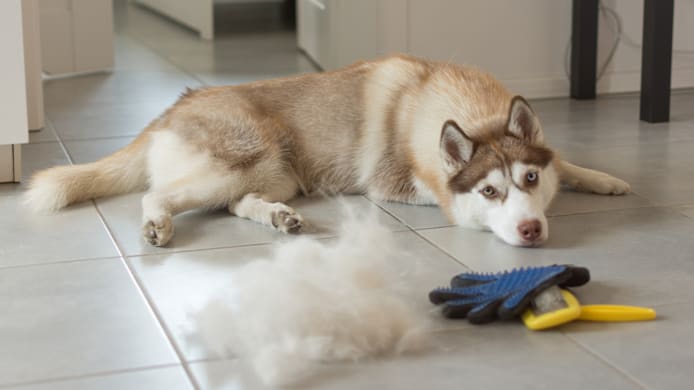
Learn how to spot regular dog shedding and observe if it’s something more serious. Excessive dog scratching and other signs could mean a trip to the vet.
Pretty much all dogs shed — although how much they shed and how often varies greatly by breed — and for the most part, shedding is a natural and healthy occurrence. While seasonal shedding can be a bit annoying, it’s an expected part of having a dog at home. The truth is, though, there’s a lot to know about why the fur flies, and understanding more about this common occurrence can help you ensure your dog is shedding normally or if the hair loss could mean something more.
Natural shedding occurs in dogs for a few different reasons. Most dogs shed at some point in the year as a way of getting rid of old or damaged fur, but how much they shed or how often depends on a number of other factors as well, like their coat layers, length and texture.
Even breeds considered hairless shed, it’s just much less than some other breeds. Not all dogs shed seasonally—only those with double coats who shed their undercoat to prepare for harsher weather. Some of the heaviest shedders include Huskies, Corgis and Newfoundlands.
Shedding by breed & coat
Fur-ther insight: Did you know there’s actually a difference between hair and fur? “Hair” is sometimes used for dogs with a single coat that grows continuously and sheds less (like a Poodle). “Fur” is often used for dogs with a double coat, which includes a dense undercoat and is more prone to seasonal shedding.
Single-coated breeds
(Bichon Frisé, Border Terrier, Boxers, Dachshund, French Bulldogs, Maltese, etc.)
Dogs with single coats can have short or long fur, but it will only be in one single layer. Generally speaking, single coats tend to equal less fur, which leads to less shedding. When they do shed, it tends to me the same throughout the year.
Grooming tips:
- Brush lightly but regularly (2–3 times per week) to catch loose fur.
- Use a slicker brush or grooming mitt to remove hair without irritating skin.
- Expect consistent, low-to-moderate shedding year-round — plan for routine vacuuming.
Double-coated breeds
(Labrador Retriever, German Shepherd, Bernese Mountain Dog, Siberian Husky, Collies, Samoyeds, Alaskan Malamutes, Newfoundlands, Pekingese, etc.)
Dogs with double coats will have a top coat, as well as a shorter, and usually denser, undercoat. For example, some dogs grow thicker coats in the winter in an effort to stay warm. That extra fur is then shed in the spring, when it’s no longer necessary.
Dogs with double coats, like Pomeranians, Border Collies and German Shepherds, will typically shed year-round with heavier periods each spring.
Not all dogs shed seasonally—only those with double coats who shed their undercoat to prepare for harsher weather. Some of the heaviest shedders include Huskies, Corgis and Newfoundlands.
Grooming tips:
- Brush daily during heavy shedding seasons to prevent matting and excess hair around the home.
- Use an undercoat rake or de-shedding tool to remove dense undercoat fur.
- Schedule professional grooming during seasonal coat blowouts for easier maintenance.
Fur-ther insight: That heavier shedding period for double-coated breeds is referred to as “blowing their coats.”
Low-shedding breeds
(Komondor, Poodles, Bichon Frise, Puli)
Some breeds are referred to as “low-shedding,” though they still lose hair — just less visibly. They tend to do their most significant shedding cycle when transitioning from puppy to adult coat.
Grooming tips:
- Don’t assume “low-shedding” means “no shedding” — plan for routine coat and skin care.
- Brush weekly to minimize dander and keep coats healthy (corded breeds have special requirements).
- Clean and supplement baths with grooming wipes
Low-shedding or hairless breeds
(American Hairless Terrier, Chinese Cresteds, Peruvian Inca Orchids, Xoloitzcuintli)
A breed that is truly hairless, of course, never sheds, but most hairless breeds do still have some amount of body hair. But even with minimal hair, that doesn’t mean they don’t still need a beauty routine. Here’s the skinny on some skin care.
Grooming tips:
- Don’t assume “no hair means no care.”
- Bathe monthly (or as recommended) to remove oils and dead skin cells that can cause buildup.
- Their sensitive skin still requires extra care to be kept moisturized and healthy.
- Breeds such as the Chinese Crested can still have long hair on the feet and head that does need routine brushing to prevent matting.
Coat length and texture
It makes sense that different breeds have different types of coats — both in terms of length and texture — and that those different coats would shed differently.
Coat length:
Short: Shorthaired dogs actually shed just as much, or in some cases even more, than longhaired ones do, as their coat is continuously growing.
Medium: Dogs with medium coats fall somewhere between long and shorthaired dogs — with fur that is typically about an inch long — and they shed about the same as longhaired dogs, requiring a moderate amount of brushing to stop mats from forming.
Long: Any dog with fur over two inches in length is typically considered longhaired. Dogs with long fur tend to shed less than other lengths in most cases, but grooming is still especially important for these dogs, as their long hair can tangle or mat, which can lead to dangerous skin conditions.
Coat texture:
Smooth: These are shorthaired dogs with fur that is close to the body. This coat type tends to be high shedding.
Coarse & Straight: These coats are often double-coated and may be weather-resistant but typically heavy shedding.
Wire: Wire coats have a dense undercoat that sheds seasonally, while the longer guard coat needs to be properly maintained to avoid mats and tangles.
Wavy/Curly: As the name suggests, curly-coated dogs have thick curls that often rest close to the body. This type of fur tends to shed the least in comparison to other types, but they may require a lot of attention to maintain.
Corded: Although not prevalent, some dogs have fur that naturally cords itself into patches of fur. Dogs with this fur type shed very little.
Abnormal Shedding
Many pet parents find themselves wondering, “why is my dog shedding so much?” While most shedding is totally natural and shouldn’t be concerning, there are a few things to be on the lookout for. Fur loss — which can resemble shedding — could be an indication of an underlying health issue, like hypothyroidism or even Cushing’s disease. If your dog’s fur has changed in texture or is shedding, thinning, or coming out in patches, or if there are additional skin problems or your dog seems sensitive when touched, consult with your veterinarian immediately.
Warning signs of abnormal shedding
- Bald spots or patches of missing hair
- Redness, rashes, irritation, bumps, crusts on the skin
- Excessive scratching, biting, or chewing
- Drainage, open sores, or signs of infection
- Sudden or progressive thinning of the coat
- Shedding patterns outside of the typical ones for that dog (e.g. heavy shedding in the dead of winter)
Fur-ther insight: Thanks to their exposure to artificial heating, air conditioning, and indoor lighting, strictly indoor dogs’s seasonal shedding cycles can be blurred or disrupted, causing more moderate shedding year-round; this is not considered abnormal.
Health causes of excessive shedding
Diet and health can also impact a dog’s shedding. A poor diet that’s not nutritionally balanced can not only make your pup sick, but it can also lead to a coat that’s lacking in vibrancy and strength, and is therefore shed more frequently. Below are eight other factors that can cause shedding issues and how to control dog shedding effectively at home.
1. Parasitic infestations/skin disorders
External parasites such as fleas, mites or lice, in addition to being gross to think about, can make dogs intensely itchy, leading to scratching, chewing and patches of missing hair. In some cases, secondary infections such as bacterial or yeast overgrowth, or even ringworm, can develop and worsen the problem. Early detection and treatment are key to preventing further discomfort or spread.
Action plan:
- Schedule a veterinary visit for diagnostic skin testing.
- Begin parasite prevention medication as directed by your veterinarian.
- Follow your vet’s cleaning and treatment plan for your home and pet bedding.
2. Allergies
Just like us, dogs can develop allergic reactions to food, environmental elements like pollen or dust, or grooming and flea control products. These reactions often cause irritation, inflamed skin and excessive shedding or hair loss. Unlike us, chronic licking may signal the itching is an underlying allergy that needs medical evaluation.
Action plan:
- Work with your vet to identify the trigger through allergy testing or an elimination diet.
- Use prescribed treatments such as antihistamines, medicated shampoos or anti-itch sprays as directed by your veterinarian.
- Keep track of flare-ups to help your vet fine-tune treatment.
3. Age and Hormonal Changes
As dogs age, their skin naturally becomes drier and less elastic, which can lead to more shedding. Hormonal imbalances like hypothyroidism or Cushing’s disease can also cause abnormal coat thinning or hair loss. Senior dogs may need closer health monitoring to detect and treat these underlying conditions.
Action plan:
- Ask your veterinarian to run bloodwork to assess thyroid and hormone levels.
- Maintain a balanced diet with senior-specific nutrition.
- Provide regular grooming to promote circulation and coat health.
4. Nutritional Deficiencies or Poor Diet
When a dog’s diet lacks essential nutrients such as protein, healthy fats or omega-3 fatty acids, the skin and hair follicles may weaken. This can lead to brittle fur, patchy shedding or a dull coat. Nutrition plays a major role in coat quality and overall health.
Action plan:
- Switch to a high-quality, vet-recommended diet.
- Consider adding approved supplements like fish oil for coat support under the guidance of your veterinarian.
- Ensure your dog stays hydrated and eats balanced meals consistently.
5. Diseases & systemic illnesses
Internal diseases, such as kidney or liver disease, immune disorders or certain cancers can manifest through coat and skin changes. If your dog’s shedding coincides with other symptoms like fatigue, appetite loss or weight change, it may point to a deeper health issue.
Action plan:
- Schedule a comprehensive veterinary exam.
- Report all new symptoms to your vet, not just coat changes.
- Follow diagnostic recommendations such as bloodwork or imaging.
6. Medication side effects or reactions
Some medications, including steroids or vaccines, may occasionally cause localized or widespread hair loss. While these effects are typically temporary, they can still be uncomfortable for your dog. Always consult your vet before changing or discontinuing any medication.
Action plan:
- Discuss any suspected side effects with your veterinarian.
- Never stop or change a medication without professional advice.
- Ask about safer alternatives or supportive treatments if needed.
7. Stress, or psychological or environmental triggers
Emotional stress can have physical effects on dogs, including increased shedding. Major changes like moving homes, schedule disruptions or the addition of new pets can all raise anxiety levels. A calm, structured environment helps reduce this type of hair loss.
Action plan:
- Identify and minimize sources of stress.
- Provide enrichment through toys, walks and training sessions.
- Consider calming aids, pheromone diffusers or behavior support if recommended by your vet.
8. Sunburn or Skin damage
Dogs with light-colored or thin coats are more prone to sunburn, which can cause skin peeling, irritation and temporary shedding. Overexposure to sunlight can also lead to long-term skin damage if not prevented.
Action plan:
- Limit outdoor time during peak sunlight hours.
- Apply a vet-approved sunscreen for dogs to exposed areas—do not use yours!
- Use protective clothing or shade when possible to prevent burns. Petco can help with lots of cute outfit options!
When to seek veterinary help
- As soon as you notice signs of irritation, lesions, or abnormal coat thinning
- When shedding is sudden, severe, or unexplained
- If other systemic signs are present (loss of appetite, lethargy, weight changes)
Takeaways
Remember regular shedding is normal, and while you can’t actually stop it from happening, regularly brushing and grooming your dog can help curb the amount of fur that spreads throughout your home.
Professional groomers can help keep your dog’s coat in optimal health, especially if you have a pet with long or tricky fur. Booking an appointment with a groomer is easy at Petco — check out the full services here. We offer many de-shedding services that can help remove excess fur.
For home care, Petco has everything you need to keep your dog properly groomed and bathed. Staying on top of your dog’s grooming routine will not only keep his coat healthy, shiny and beautiful, but it could help curb the spread of fur in your own home, as well.


