


Two Easy Ways to Start Earning Rewards!
Become a member today! Members-only pricing and offers, personalized care notifications, Vital Care points back on every purchase and more!
 Become a credit card member today!
Earn 2X Pals Rewards points at Petco
when you use Petco Pay!APPLY NOWLearn More About Petco Pay Benefits
Mourning Gecko Care: Habitat, Food & Health Essentials
Published on July 18th, 2026
Updated on July 18th, 2026

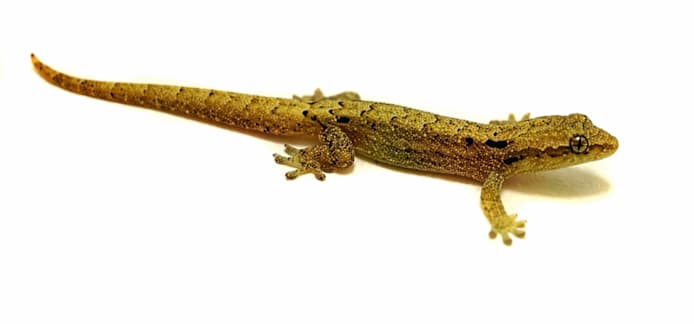
Learn how to care for your mourning gecko. Get expert tips on habitat, food & health from the team at Petco.
Overview
Lepidodactylus lugubris
The mourning gecko, also known as the smooth-scaled gecko, is a remarkably adaptable small lizard whose parthenogenetic reproduction — meaning the species consists primarily of females who reproduce without males — makes it one of the most biologically unique reptile pets available today. Native to Pacific Island ecosystems from Southeast Asia to Hawaii and beyond, mourning geckos are increasingly popular with terrarium keepers who appreciate their active, curious nature and their compatibility with live planted vivaria.
Typical Mourning Gecko appearance and behavior
- The mourning gecko is primarily light tan to brown in coloration.
- As your mourning gecko prepares to shed, its coloration may appear dull or faded and its skin can look slightly loose — this is normal and usually completes within 24-48 hours, but ensure humidity remains at the high end of range (70-80%) to support a clean shed.
- Mourning geckos are highly vocal — they produce a series of short chirps and clicks, particularly around feeding time and during social interactions with cohabitants, which is unusual among lizards and adds to their appeal as a display animal.
- Mourning gecko is primarily crepuscular and nocturnal, becoming most active in the hours after the enclosure lights dim. During the day, expect to find them tucked into cork bark hides, plant foliage, or the upper corners of their enclosure.
- The mourning gecko does not have eyelids, they utilize their tongue to hydrate and clean its eyes.
- Similar to other geckos, their toe pads contain thousands of setae. These little hairs allow them to stick and climb up most surfaces.
- Mourning geckos have the ability to regenerate their tails.
Characteristics
| Care Difficulty | Beginner |
|---|---|
| Average Life Span | Up to 10+ years with proper care |
| Average Adult Size | 3-4 inches (snout to tail tip) |
| Diet | Omnivore (fruit-based diet and small live insects) |
| Minimum Habitat Size | 8" x 8" x 12" vertical terrarium |
Habitat
Habitat size
A 8" x 8" x 12" vertical glass terrarium is the recommended minimum for one mourning gecko. Because they are arboreal, height and climbing space matter more than floor space. Larger groups should be stepped up to an 18" x 18" x 24" terrarium to provide ample climbing, foraging, and hiding opportunities. Most mourning geckos reach adult size within 8 to 10 months.
Building your habitat
- Substrate - A bioactive mix of coconut coir, organic topsoil, and fine orchid bark maintains humidity and supports beneficial microfauna; alternatively, straight coconut fiber or eco earth work well for simpler setups. Maintain a depth of at least 2 inches.
- Décor - Provide cork bark tubes and flats for hides, multiple climbing branches or bamboo sections at varying heights, and live or artificial tropical plants (pothos, bromeliads, and ficus are all suitable) for cover and egg-laying sites.
- Temperature - Maintain an ambient temperature of 70-75°F with a warm/basking zone up to 85°F near the top of the enclosure. A nighttime drop to 65-72°F is acceptable and may benefit long-term health. Do not allow temperatures to exceed 85°F.
- Humidity - Maintain 60-70% relative humidity. Mist one side of the enclosure lightly each evening to create a damp/dry gradient; ensure the substrate surface can dry partially between misting to prevent mold.
- Lighting - Provide a 12-hour photoperiod using a low-output UVB lamp (Ferguson Zone 1-2; Arcadia 6% or Zoo Med T5 HO 5.0 are appropriate). While mourning geckos are primarily crepuscular, low-level UVB supplementation supports calcium metabolism and overall health.
Cleaning your Mourning Gecko's habitat
Thoroughly clean and disinfect the habitat at least once a week:
- Place your mourning gecko in a secure temporary holding container and remove all décor, hides, and substrate.
- Scrub the enclosure walls and floor with a reptile-safe disinfectant or a 3% bleach solution; allow a 10-minute contact time for full disinfection.
- Rinse thoroughly with clean water to remove all disinfectant residue, then repeat the rinse once more to remove all traces of cleaner or bleach smell.
- Dry the enclosure completely before replacing cleaned décor and fresh substrate, then return your gecko to the habitat.
What do Mourning Geckos eat?
A well-balanced Mourning Gecko diet consists of:
- Fruit-based gecko diet such as Repashy Crested Gecko MRP — offered 3-4 times per week in a small shallow dish.
- Live feeder insects, including appropriately sized fruit flies (Drosophila melanogaster for juveniles, D. hydei for adults), 1/4-inch crickets, and other appropriately sized insects — offered 1-2 times per week.
- Springtails and isopods (if keeping a bioactive setup) — these cleanup crew species double as a constant live food source your gecko will forage for naturally.
- Fresh clean water available at all times via a shallow dish or daily light misting of enclosure walls.
Things to remember when feeding your Mourning Gecko:
In groups, place feeding locations at multiple points in the enclosure — this prevents a dominant female from guarding a single dish and ensures all geckos have equal access to food.
- Dust live insects with a calcium and vitamin D3 supplement at every feeding; use a multivitamin supplement 1-2 times per week to prevent nutritional deficiencies.
- Offer feeder insects that are no larger than the width of your gecko's head to prevent choking and impaction.
- Remove uneaten gecko diet after 24 hours to prevent bacterial growth and replace with fresh food at the next scheduled feeding.
- Juveniles and gravid (egg-carrying) females require more frequent feeding — increase gecko diet offerings to daily and keep supplemented insects available several times per week during these periods.
Mourning Gecko care
- Mourning geckos are parthenogenetic, meaning all individuals are female and reproduce without a male; a single female in the proper conditions may begin laying eggs, so prepare for the possibility of clutches even in a solo setup.
- Your mourning gecko sheds its skin periodically throughout its life — shedding frequency is highest in juveniles (every 2-3 weeks) and slows as the animal matures.
- If you notice retained shed, especially on the toes, raising humidity for 24 hours and providing a moist hide can help geckos that are struggling with stuck shed around the toes or tail.
- Handle your mourning gecko minimally and with care — they are fast, skittish, and small enough that a small drop can be fatal; when interaction is necessary, allow the gecko to walk onto your hand rather than grabbing, and always handle close to a flat surface.
- Like many gecko species, mourning geckos can drop their tails (autotomy) as a defense response; the tail will regenerate but the replacement will differ in appearance, so minimize sudden movements and stressful interactions.
Where to buy a Mourning Gecko
Mourning Geckos are available for purchase at your local Petco location. Please call ahead to check availability.
Supplies
- Appropriately sized habitat
- Substrate
- Food and water dishes
- Décor
- Thermometer
- Humidity gauge
- Vitamin supplement
- Calcium supplement
- Red or blue bulb and lighting fixture
- Full spectrum lighting
Habitat mates
Mourning geckos are communal and do well when housed in pairs or small same-sex groups of females, making them one of the few gecko species that genuinely thrives with companions rather than requiring solitary housing. Do not house mourning geckos with other reptile species; size disparities and differing husbandry requirements create stress and risk of injury. In rare cases where a male is present (they occur infrequently in captive populations), monitor closely for any signs of aggression or excessive pursuit and separate immediately if stress behaviors are observed.
Health
Signs of a healthy Mourning Gecko
• Clear, bright eyes without cloudiness or discharge (outside of normal pre-shed opacity)
• Healthy body weight — ribs and hip bones not prominently visible with full tail
• Clean, fully shed skin with no retained patches on toes or tail tip
• Active and alert during crepuscular hours; moves confidently across all surfaces
• Consistent appetite for gecko diet and live insects
• Well-formed droppings — not runny, not absent for more than 7 days
• Smooth, intact skin free of swelling, wounds, or discoloration
Red flags (If you notice any of these signs, contact your veterinarian.)
• Sunken or cloudy eyes outside of pre-shed period
• Sudden or prolonged loss of appetite (beyond 7-10 days)
• Visible weight loss, protruding hip and spine bones or thin tail
• Retained shed, especially around toes or eyes
• Labored or open-mouth breathing
• Lethargy or unusual stillness during active hours
• Lumps, swelling, or discoloration on skin or limbs
• Abnormal droppings — runny, blood-tinged, or absent for more than a week
Common Mourning Gecko health issues
| Health Issue | Symptoms or Causes | Suggested Action |
|---|---|---|
| Metabolic Bone Disease (MBD) | Soft or deformed limbs and jaw, tremors, lethargy; caused by insufficient calcium, vitamin D3, or inadequate UVB exposure. | Review and correct supplementation protocol and UVB lighting immediately. Consult your veterinarian. |
| Dysecdysis (Retained Shed) | Shed skin retained around toes, tail tip, or eyelids; may constrict blood flow if untreated. Caused by low humidity. | Raise humidity temporarily and provide a moist hide to ease shedding. Consult your veterinarian. |
| Parasitic Infection | Weight loss, diarrhea, lethargy, visible mites or unusual fecal consistency. Internal parasites are common in wild-caught animals. | Consult your veterinarian for fecal examination and appropriate antiparasitic treatment. |
| Respiratory Infection | Wheezing, open-mouth breathing, mucus around nostrils or mouth; caused by low temperatures, high humidity without ventilation, or bacterial infection. | Correct temperature and ventilation as directed. Consult your veterinarian. |
| Egg Binding (Dystocia) | Gravid female straining without laying, visible bulges in the lower abdomen, lethargy; caused by lack of suitable egg-laying site, low humidity, or calcium deficiency. | Consult your veterinarian immediately. Ensure a moist laying site (e.g., moistened sphagnum moss hide) is always available. |
Notes and sources
• Ask a Pet Care Center employee about Petco's selection of products available for the care and happiness of your new pet. All products carry a 100% money-back guarantee.
• Because all reptiles are potential carriers of infectious diseases such as salmonella, always wash your hands before and after handling your reptile or habitat contents to help prevent the potential spread of disease.
• Pregnant women, children under the age of 5, senior citizens and people with weakened immune systems should contact their physicians before purchasing or caring for reptiles and should consider having a pet other than a reptile.
• Go to the Centers for Disease Control at cdc.gov/healthypets for more information about animals and disease.
• The information on this Care Sheet is not a substitute for veterinary care. If you need additional information, please contact your veterinarian as appropriate.
Related Articles


FAQs
Mourning geckos typically reach 3-4 inches in total length, including their tail, making them one of the smaller gecko species available in the hobby. Their compact size is one of the reasons they thrive in modestly sized vertical enclosures.
Mourning geckos are one of the more beginner-friendly gecko species thanks to their small size, simple diet, and forgiving temperature range.
With proper diet, humidity, and UVB exposure, mourning geckos can live up to 10+ years in captivity.
While mourning geckos are crepuscular and historically considered low-UVB-demand, providing a low-output UVB source (Ferguson Zone 1-2) to support calcium metabolism, reduce reliance on supplementation alone, and promote overall health. A 12-hour photoperiod with a T5 5.0 or Arcadia 6% is appropriate.
Yes — mourning geckos are communal and do well in pairs or small groups of females. Because the species is parthenogenetic, groups are almost always all-female, and cohabitation is generally peaceful. Provide sufficient space, hides, and feeding stations to minimize competition.
Mourning geckos are omnivores that thrive on a combination of fruit-based meal replacement powder such as Repashy Gecko diet, and small live insects like appropriately sized fruit flies and tiny crickets. Gecko diet should be offered 3-4 times per week and insects 1-2 times per week, with all insects dusted with calcium and vitamin D3 supplement.
Mourning geckos may nip if they feel threatened, but bites from this small species are rarely painful and pose minimal risk to an adult keeper. Frequent, calm interaction and allowing the gecko to move onto your hand rather than being grabbed will significantly reduce defensive biting over time.
Chirping and clicking vocalizations are normal and expected in mourning geckos — they are among the most vocal lizard species kept in captivity. Vocalizations typically increase around feeding time, during territorial displays, and during social interactions. Persistent chirping at unusual times may indicate a husbandry issue worth investigating (temperature, hunger, or enclosure stress).
In optimal conditions, a mourning gecko can lay pairs of eggs every 4-6 weeks. Females require a moist, covered egg-laying site (such as a small container of moistened sphagnum moss tucked into a hide) and consistent calcium supplementation to support egg production without depleting bone stores.