


Two Easy Ways to Start Earning Rewards!
Become a member today! Members-only pricing and offers, personalized care notifications, Vital Care points back on every purchase and more!
 Become a credit card member today!
Earn 2X Pals Rewards points at Petco
when you use Petco Pay!APPLY NOWLearn More About Petco Pay Benefits
Cool Climate Chameleon Care: Habitat, Food, Health & Setup Secrets
Updated on July 17th, 2023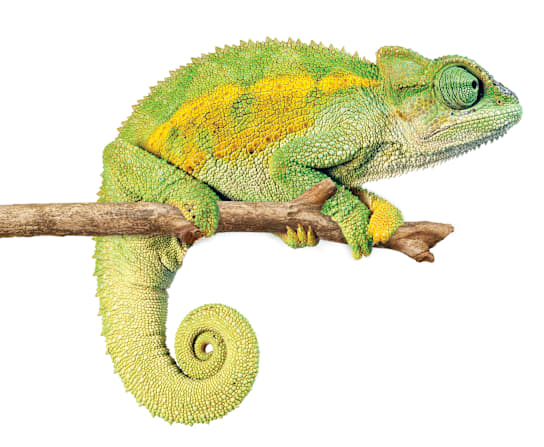
Chameleons are a very diverse group of over 150 species of diurnal (active during the day) lizards of varying sizes, colors and temperaments. Males are typically larger and more vibrantly colored than females. While generally gentle, they are easily stressed by handling, and the more stressed they are, the darker their colors. Nearly all chameleon species are arboreal (tree climbing) and use their prehensile tails to hold on to branches as they climb. Their cone-shaped eyes can move independently of each other, so they can see 360 degrees around them. They have long, sticky tongues—nearly twice the length of their bodies—that they quickly protrude from their mouths to catch moving insects. Some species are native to areas in Africa where they are found at higher elevations and, therefore, cooler temperatures. Among these species are the Fischer’s chameleon, the Jackson’s chameleon and the rudis chameleon. These species of chameleons are often referred to as the cool climate, montane or highland group of chameleons.
Learn how to care for cool climate Chameleons, recommended diet & habitat setup. Find the right food, supplies & equipment at your neighborhood Petco.
This care sheet covers a variety of cool climate chameleon species, including:
- Fischer's chameleons – Kinyongia fischeri
- Jackson's chameleons – Chamaeleo jacksonii xantholophus
- Rudis chameleons – Chamaelo trioceros rudis
Table of Contents
Typical appearance and behavior
Fischer’s chameleons:
- These chameleons only grow up to 11” long
- They are a vibrant green color with vertical white stripes and a subtle blue hue
- They have low, small spikes along their rounded backs and a prominent horn covered in bumpy scales on their faces
- Males are very territorial and should not be housed together; pairs of males and females may be housed together, or these lizards may be kept individually
- Females lay eggs during reproduction
Jackson’s chameleons:
- These chameleons are easily recognized by the three horns on their faces: one (the rostral horn) on the nose and the other two beneath each eye; only males have these prominent horns, while females either have no horns or poorly developed rostral horns
- Both males and females have prominent spines running down their backs
- When young, they are brown and gradually turn green as they mature; males may have yellow on their heads and backs and blue flanks, while females are deeper green than males and may have a reddish hue
- Males grow to 8–10" long, while females reach only 7–8"
- They are very territorial and should be housed individually or they will fight
- Females give birth to live young, rather than laying eggs
Rudis chameleons:
- Also known as coarse chameleons, rudis chameleons are small, reaching only 3–6" in length, and stress easily when handled
- They range in color from yellow-green to pea green to bright green, and most have a yellow stripe down their backs; many have a red hue to their bellies
- They lack horns, have small crests on their heads and have long tails
- When threatened by predators, they will show their red underside to try to scare them off
- A single male may be housed with one or more females, but males should not be housed together, as they will fight over territory
- While generally docile if handled gently, they will arch their backs and flare out their head crests when scared
- Females give birth to live young, rather than laying eggs
Characteristics
| Care difficulty | Advanced |
|---|---|
| Average Life Span | 2-5+ years with proper care |
| Average adult size | 3-11 inches, depending on species |
| Diet | Insectivorous |
| Minimum habitat size | 24”L x 24”W x 36”H for one adult |
Habitat
Habitat size
Provide an appropriately sized and shaped habitat to accommodate normal activity; chameleons are arboreal species, so vertically oriented habitats with room for climbing are preferable. Chameleons are best housed individually in well-ventilated aquariums or mesh/screened habitats, with tightly fitting lids to prevent escape, as long as appropriate temperature and humidity levels can be maintained. The minimum size enclosure for a single adult is 24”L x 24”W x 36”H for one adult chameleon. If using a screened habitat, be sure there are no sharp edges on which chameleons can get injured. Plastic coated or PVC mesh is often safer than metal screening for this reason. Most species of chameleons reach full size by 18 months under ideal conditions.
Building your habitat
- Décor - Chameleons can become very stressed if they don’t have adequate hiding spaces. Provide numerous visual barriers with densely planted artificial or live plants (such as ficus, pothos or other nontoxic vegetation), commercially available vines and branches so your chameleon can climb freely throughout the habitat and choose the temperature at which to perch and bask. Branches and vines should be of varying widths appropriate to the size of your chameleon’s feet as they grasp and climb.
- Substrate - Because cool climate chameleons are housed at high humidity levels, substrates that are easy to clean and less likely to become moldy are best. They also spend very little time on the ground, preferring to climb on branches and vines higher up in the habitat, so they require little to no substrate. Partner with your veterinarian on substrate recommendations if you have a gravid, egg-laying female. Commercially available paper-based substrates and bark are recommended. Small, particle-sized substrates, such as sand, gravel and mulch, should not be used in chameleon habitats, as they commonly irritate chameleons’ eyes and the delicate skin around their mouths. Plus, chameleons often ingest these indigestible substrates and develop potentially life-threatening gastrointestinal tract obstructions.
- Temperature - Provide a temperature gradient in the habitat so that chameleons—who are ectotherms whose body temperatures depend on their environmental temperatures—can move around and adjust their body temperatures accordingly. Daytime temperatures should range from 82–85°F for the warm end/basking zone down to 70°F for the cool end; nighttime temperatures can reach 55–60°F. Monitor the temperature with at least two thermometers: one in the cool zone and the other in the hot (basking) zone. Heat may be provided by an incandescent or ceramic heat bulb. Heat sources should be attached to thermostats to regulate temperatures. Hot rocks should not be used as a heat source, as they can burn reptiles. Reptiles not kept at the appropriate temperature ranges are more likely to become immunosuppressed and get sick.
- Lighting - Chameleons require full-spectrum ultraviolet (UV) lighting for 10–12 hours a day to expose them to UVB rays to enable them to make vitamin D in their skin so that they can absorb dietary calcium. UV bulbs should be turned off at night to establish a clear day-night cycle and changed every six months, as their potency wanes. Chameleons in well-ventilated mesh habitats also can be placed outside in direct sunlight if it is warm enough, as long as they have adequate spots for hiding and shade.
- Humidity - Cool climate chameleons require a habitat humidity of 50–75% to stay hydrated and shed properly. Use a humidity gauge to monitor humidity levels. Spraying the enclosure multiple times per day will help maintain humidity and allow chameleons to drink droplets of water from the décor. Commercial drip systems, misters and bubblers also may be used as long as they are cleaned once or twice a month with dilute bleach and rinsed thoroughly to prevent bacteria and mold from growing in them, leading to potential medical problems. Humidifiers are particularly notorious for growing microbes and should be avoided.
Cleaning your habitat
- Thoroughly clean and disinfect water and food bowls and spot-clean the habitat daily to remove droppings
- Thoroughly clean the habitat at least once a week:
- Place the chameleon in a secure habitat
- Scrub the tank and furnishings with a reptile habitat cleaner or 3% bleach solution
- Rinse the tank and all furnishings thoroughly with water, removing all traces of habitat cleaner or bleach smell
- Dry the tank and furnishings and add clean substrate before putting the chameleon back into the habitat
Feeding
A well-balanced cool climate chameleon diet consists of:
- A variety of live insects, including gut-loaded (recently fed) crickets, mealworms, superworms, calci-worms, Dubia roaches, flies, butterworms, silkworms, hornworms, earthworms and waxworms
Things to remember when feeding your cool climate chameleon:
- Crickets should be no longer than the width of the chameleon’s head
- An open bowl of shallow water may be provided on the floor of the habitat; however, chameleons typically don’t drink from standing water and prefer to drink water droplets off plants or habitat screens
- Commercial drip systems, misters and foggers or hand misting 4–5 times per day can provide water on plants for chameleons to drink
- Feed juveniles daily and adults every day to every other day
- Juveniles can be fed as many insects as they will eat at a time, while adults typically eat between 5 and 15 insects every 2–3 days
- Insects may be placed in the habitat for chameleons to catch or may be fed by hand, one at a time, to tamer chameleons
- Uneaten insects should be removed from the habitat to prevent them from chewing on and injuring chameleons; alternatively, chameleons may be removed from their habitat and fed in a separate feeding container to monitor appetite and prevent injury from uneaten insects
- Sprinkle food with a calcium supplement containing vitamin D3 every other day for juveniles and twice a week for adults
- Sprinkle food with a multivitamin once a week; because chameleons cannot make vitamin A from its precursor, beta carotene, be sure the multivitamin supplement contains preformed vitamin A so your chameleon doesn’t develop vitamin A deficiency
Care
- Chameleons regularly shed their skin; ensure habitat humidity is at an appropriate level to allow proper shedding
- If chameleons retain small pieces of shed skin on their feet, toes or heads, increase habitat humidity to aid in shedding
Where to buy cool climate chameleons
Cool climate chameleons are available for purchase at your local Petco Pet Care Center location. Please call ahead to check availability.
Supplies
- Appropriately sized habitat
- Substrate
- Live insects
- Food & water dish
- Climbing décor
- Plants
- Dripper or mister system
- Heat light
- Heat fixture
- UVB lighting and fixture
- Multivitamin supplement
- Calcium supplement with vitamin d3
- Cricket quencher
- Cricket keeper
- Cricket food
- Thermometers
- Humidity gauge
- Mister
Habitat mates
- House adult chameleons separately, except for small rudis chameleons, who may be housed in pairs in large habitats with multiple areas for hiding and shade
- Do not house different reptile species together
Health
Signs of a healthy chameleon
- Active, alert and interested in their habitat and in humans
- Clear eyes, nose and mouth
- Body and tail are filled out
- Skin is supple and smooth without lesions, discoloration, swelling or retained shed skin
- Tongue protrudes and retracts from mouth normally
- Eats and passes stool regularly
- Grasps habitat décor and climbs normally
Red flags (If you notice any of these signs, contact your veterinarian)
- Weight loss or decreased appetite
- Mucus or discharge from mouth, eyes, or nose
- Swelling of limbs
- Lethargy
- Inability to close the mouth or retract the tongue
- Twitching/tremors/seizures
- Bumps, sores, wounds, discolorations, or abrasions on skin
- Labored breathing
- Weakness or paralysis of limbs
- Abnormal feces
- Nonrotating eye(s)
- Swollen abdomen
Common cool climate chameleon health issues
| Health Issue | Symptoms or Causes | Suggested Action |
|---|---|---|
| Gastrointestinal disease | Runny or bloody stools, caked or smeared stool around the vent, weight loss, loss of appetite; caused by bacterial, viral or parasitic infection | Consult your veterinarian |
| Metabolic bone disease | Inability to absorb calcium due to insufficient UVB light or improper amounts of dietary calcium/vitamin D3; if untreated, can lead to deformed, softened or fractured bones, swollen limbs, decreased appetite, weakness and lethargy | Consult your veterinarian and provide ample UVB lighting, a balanced diet and the proper amount of calcium/vitamin supplements |
| Respiratory tract disease | Labored breathing, mucus and/or bubbles in the mouth or nose; can be caused by inappropriate habitat temperature and humidity, leading to secondary bacterial, viral or fungal infection | Consult your veterinarian and ensure habitat has the proper temperature and humidity |
| Egg binding | Females with swollen abdomen, decreased appetite, lethargy, weakness, straining to pass eggs unsuccessfully; may be due to calcium or vitamin D deficiency, inadequate UV light exposure, lack of appropriate laying sites or the presence of other underlying diseases | Seek veterinary attention immediately to determine proper treatment |
| Vitamin A deficiency | Signs include swelling around the eyes/lips/head, dull skin color, squinting and discharge from eyes, retained shed skin; may be caused by ingestion of beta carotene (vitamin A precursor) in diet, rather than preformed vitamin A, as chameleons cannot make vitamin A in their bodies | Consult with your veterinarian and provide proper diet and nutritional supplements |
Notes and resources
Ask a Pet Care Center associate about Petco's selection of products available for the care and happiness of your new pet. All products carry a 100% money-back guarantee.
Because all reptiles are potential carriers of infectious diseases, such as salmonella bacteria, always wash your hands before and after handling your reptile or habitat contents to help prevent the potential spread of disease.
Pregnant women, children under the age of 5, senior citizens and people with weakened immune systems should contact their physicians before purchasing or caring for reptiles and should consider having a pet other than a reptile. Go to the Centers for Disease Control at cdc.gov/healthypets for more information about Lizards and disease.
The information on this care sheet is not a substitute for veterinary care. If your pet is sick or you need additional information, please contact your veterinarian as appropriate.
Related Articles


FAQs
Chameleons eat a variety of live insects, including gut-loaded (recently fed) crickets, mealworms, calci-worms, superworms, Dubia roaches, flies, butterworms, silkworms, hornworms, earthworms and waxworms.
Depending on species, cool climate chameleons grow 3–11 inches long.
As pets, chameleons live about 2–5 years with proper care.
Chameleons need a well-ventilated, vertically oriented habitat with numerous plants for hiding behind and branches/vines for climbing on. They need supplemental heat, ultraviolet light, thermometers to monitor habitat temperature, a humidity gauge to monitor humidity levels, insects dusted with calcium and vitamin D3 plus a multivitamin, and a misting system (automatic or manual) to mist the habitat to provide adequate humidity and water on plant leaves for them to drink.