


Two Easy Ways to Start Earning Rewards!
Become a member today! Members-only pricing and offers, personalized care notifications, Vital Care points back on every purchase and more!
 Become a credit card member today!
Earn 2X Pals Rewards points at Petco
when you use Petco Pay!APPLY NOWLearn More About Petco Pay Benefits
Summer Safety Guide for Small Pets
Published on March 20th, 2024
Updated on June 18th, 2026

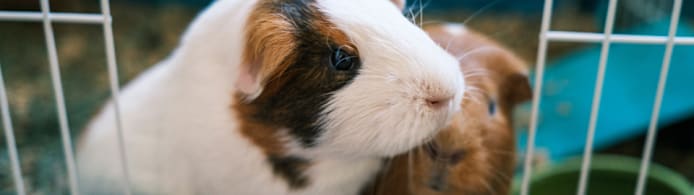
Learn how to take precautions to keep your small pets safe and healthy during the warmest period of the year.
When the warm days of summer arrive, many of us celebrate the chance to spend more time in the sun. But higher temperatures and humidity levels during summer can be hazardous for small pets.
In many cases, pet parents aren’t aware of the dangers summer can bring to their small animals. During the summer months, pet parents should understand and know how to handle the possible health issues warm temperatures can cause—such as an increased risk of heatstroke and other heat-related issues—so they can get their pets veterinary care if necessary.
So, to keep your small pets safe when hot weather strikes, let’s look at the best ways to protect them.
Know the right temperature for your small pet
Keeping Your Small Pet's Habitat Cool and Safe All Summer
Temperature control is one of the most important things you can do for your small pet during the warmer months. Hamsters, gerbils, chinchillas, mice, rats, rabbits, ferrets and guinea pigs all thrive in average household temperatures that stay below 80°F. Once the thermometer climbs past that threshold, these animals are at real risk of heat stress — and some are more vulnerable than others.
Chinchillas deserve special attention. Their dense, plush fur coats — bred for the cold Andes highlands — give them almost no ability to shed excess body heat. As temperatures approach 80°F, chinchillas can begin to overheat quickly. If you share a life with a chinchilla, keeping the room noticeably cool (ideally between 60°F and 75°F) is a year-round priority that becomes critical in summer.
Habitat Placement: Where You Put the Enclosure Matters as Much as the Thermostat
When setting up your small pet's habitat, pay close attention to its exact location in your home — not just the room temperature. Follow these placement guidelines to minimize exposure to temperature extremes:
- Never place a habitat or pen in direct sunlight, even indoors. A window that looks shaded in the morning can flood a room with intense afternoon light. Direct sun exposure can spike the temperature inside an enclosure by 10–20°F above the surrounding room temperature, even when the rest of the house feels comfortable.
- Keep habitats away from exterior walls and windows that receive prolonged sun during the hottest part of the day (typically 10 a.m.–4 p.m.).
- Avoid placing enclosures near heat vents, radiators or appliances (ovens, dryers, televisions) that generate ambient warmth.
- Choose an interior wall or a consistently shaded corner of a climate-controlled room as your default placement.
- Reassess placement with each season. The angle of sunlight shifts significantly between summer and winter, so a spot that was perfectly shaded in January may be bathed in direct sun by July. Walk through your home at midday during the first warm weeks of the year and confirm your pet's habitat is still out of the sun's path.
A simple indoor thermometer placed at habitat level — not just across the room — gives you the most accurate read on what your small pet is actually experiencing. Digital min/max thermometers are inexpensive and let you track overnight lows and daytime highs without having to watch the display constantly.
Traveling With Small Pets in Summer
If you plan to travel with your small pet during the warmer months, a few non-negotiable rules apply:
- Never leave your small pet unattended in a parked vehicle. Even on a mild 70°F day, the interior of a car parked in the sun can exceed 100°F within minutes — well past the danger threshold for any small animal https://www.aspca.org/pet-care/animal-poison-control.
- Monitor the vehicle temperature continuously during the drive and keep it below 80°F. Use the air conditioning and confirm the vents are directing cool air toward your pet's carrier.
- Pre-cool the car before loading your pet. If your vehicle has been sitting outside in the heat, run the air conditioning for several minutes and allow the interior — including the seat and any surfaces the carrier will rest on — to cool down fully before placing your small animal inside.
- Use an insulated or ventilated carrier appropriate for your pet's species, and never cover it in a way that restricts airflow.
- Plan stops strategically. On long trips, schedule rest stops during cooler parts of the day (early morning or evening) and avoid leaving your pet in the car even briefly while you run errands.
When in doubt, consult your veterinarian. If you notice signs of heat stress in your small pet — rapid or labored breathing, lethargy, drooling, redness around the ears or a limp posture — contact your vet or an emergency animal clinic immediately. Early intervention makes a significant difference in outcomes.
Take extra steps to keep your small pet cool
Keeping Your Small Pet Cool and Comfortable All Summer Long
Keeping small pets indoors during the summer and maintaining a proper temperature in your home are the most important steps in preventing heatstroke and shielding your pet from other warm-weather dangers. Beyond those fundamentals, the tips below can help you go further — giving your small pet the best chance at a safe, comfortable summer.
Talk to Your Veterinarian First
Every species has its own heat tolerance, and some are far more vulnerable than others. Chinchillas, for example, are particularly susceptible to heat-related illness and death, even at temperatures that might seem mild to other pets. Your veterinarian can help you understand your specific pet's thresholds and recommend whether additional cooling measures are needed. When in doubt, always consult your vet before the hottest days arrive — not during a crisis. https://www.merckvetmanual.com/management-and-nutrition/nutrition-small-animals/nutritional-requirements-of-small-animals
Provide Constant Access to Fresh, Clean Water
Hydration is critical in summer heat. During warmer months, pets typically drink more water, and water also evaporates more quickly from bowls and bottles — which means levels can drop faster than you expect. Check and refresh your pet's water supply more frequently than you would in cooler seasons, and keep a close eye on levels throughout the day.
Warm weather also accelerates algae and bacterial growth inside water bottles and bowls. Disinfect all water vessels regularly — not just a quick rinse — to prevent harmful buildup that could make your pet ill. https://www.aspca.org/pet-care/animal-poison-control
Use Fans to Circulate Air (Not to Blast Your Pet)
A small fan placed near your small pet's habitat can make a meaningful difference in ambient temperature. The key word here is near — not aimed directly at your pet. A fan blowing concentrated air directly onto a small animal can cause stress, respiratory irritation and rapid moisture loss. Instead, position the fan so it circulates air throughout the room around the habitat. Gentle, indirect airflow is generally all that's needed to help your pet stay comfortable.
Add Frozen Items to the Habitat on Hot Days
On especially hot days, frozen items can offer small pets meaningful relief. Consider freezing:
- Ceramic or stainless-steel water bottles filled with water and placed inside or against the habitat wall
- Appropriate treats frozen into small ice portions
- Safe, species-appropriate toys that can be briefly frozen
A few important precautions apply:
- Always give your pet space within the habitat to move away from frozen items — forced contact with cold surfaces can be just as stressful as heat.
- Remove any substrate or bedding near frozen items promptly, since damp bedding from melting ice can quickly become moldy and harbor bacteria.
- Never use frozen items around neonatal pets. Very young animals have not yet developed sufficient fur to protect their skin from direct contact with ice, and chilling can be dangerous. https://www.aspca.org/pet-care/animal-poison-control
Clean Habitats More Frequently in Summer
Warm, moist environments are ideal breeding grounds for parasites and infectious microorganisms — and small pets are particularly susceptible to both. During summer, step up your cleaning routine:
| Cleaning Task | Cool-Weather Frequency | Summer Frequency |
|---|---|---|
| Spot cleaning (remove waste, soiled substrate) | Daily | Daily — more thorough |
| Full habitat deep clean | Weekly | Twice per week |
| Water bottle/bowl disinfection | Weekly | Every 2–3 days |
| Toy and accessory wipe-down | As needed | Weekly minimum |
Staying ahead of buildup during the warmer months helps eliminate the parasites and pathogens that thrive in heat and humidity before they can affect your pet's health. https://www.merckvetmanual.com/management-and-nutrition/nutrition-small-animals/nutritional-requirements-of-small-animals
Limit Strenuous Exercise During Peak Heat
Even active small pets need a modified routine when temperatures climb. Strenuous exercise raises core body temperature and can predispose small animals to overheating quickly. If you regularly take your rabbit outdoors to stretch his legs, for instance, skip those outings on hot days — or reschedule them for early morning or evening when temperatures are lower and the ground is cooler underfoot.
For small pets who exercise indoors (on wheels, in play spaces or during free-roam time), keep sessions shorter and ensure the room is well-ventilated and at a comfortable temperature before letting your pet out to play.
When to call your vet immediately: If your small pet shows signs of heat stress — labored breathing, lethargy, drooling, loss of coordination or unresponsiveness — move him to a cooler environment right away and contact your veterinarian or an emergency animal clinic without delay. Do not attempt to treat heatstroke at home without professional guidance.
Watch for signs of heatstroke
Ideally, keep your small pet cool in a temperature-controlled, indoor environment. However, if your pet is outside or in a situation where you cannot provide air conditioning, monitor them closely, looking for the following signs of heatstroke:
- Increased respiration/panting
- Lethargy
- Red gums
- Red ears
- Confusion
- Drooling
- Collapse
If you suspect your pet is suffering from heatstroke, see a veterinarian immediately
Spend quality time together
While the summer heat may restrict your pet’s outdoor playtime, make sure you spend ample time together. Interacting with your small pet, providing them with extra toys and treats and playing their favorite games are all excellent ways of bonding, even during warm months.
Interacting with your pet will not only make your pet happy from the attention, but also allow you to carefully observe their health. These interactions will help you pick up on any changes in their behavior due to the warm weather so you can seek veterinary attention if necessary.
Finally, don’t hesitate to stop into your local Petco and ask an associate for some fun ideas to treat your small pal. And check out our care sheets to learn more about taking care of your specific pet.


