


Two Easy Ways to Start Earning Rewards!
Become a member today! Members-only pricing and offers, personalized care notifications, Vital Care points back on every purchase and more!
 Become a credit card member today!
Earn 2X Pals Rewards points at Petco
when you use Petco Pay!APPLY NOWLearn More About Petco Pay Benefits
Bird-Proof Your Home: Eliminate Household Hazards
Published on August 21st, 2000
Updated on July 16th, 2026

Written by Petco Editorial Team
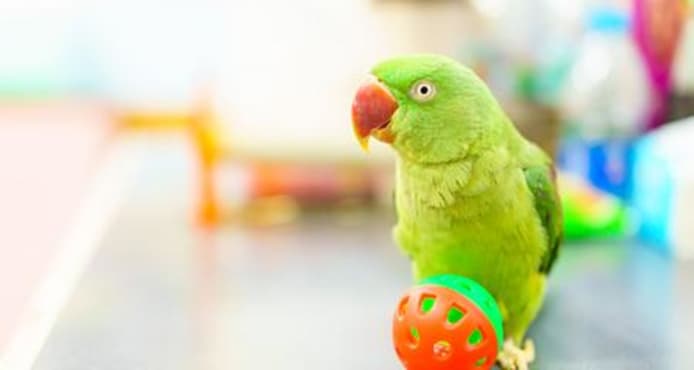
There are many household hazards for birds, that's why it's important to bird proof your home.
Imagine you have a flying two-year old whose fingers can get into an opening about 1/4 inch in diameter. Think of the many alterations in your house you would need to do to make it childproof. Basically, you will need to do that to remove household hazards and bird-proof your home.
The following household hazards may cause your bird injury or be dangerous to some degree if ingested, inhaled, or placed in contact with your bird. Some can cause death almost instantly. Others may cause only a mild reaction, but it is best to remove them from any areas where they would be in contact with your bird. This is not a complete list, so if you are in any doubt about the safety of something that your bird has eaten or been in contact with, contact your veterinarian.
Windows, doors and skylights
Just like wild birds, our pet birds do not understand glass, and will try to fly right through it.
- One precaution you can take is to keep your bird's wings clipped. This will not necessarily prevent him from flying, but it will slow down his speed. Using a flight suit with a lanyard could also be helpful.
- Use drapes, blinds, or shades to cover your windows when your bird is loose. Some people have installed decals on their windows, similar to those used to deter wild birds.
- Make sure your screens are strong and installed securely. Check them regularly for any holes or loose wire that could injure your bird.
- Curtains and drapery can pose hazards if toenails become caught in the fabric or the bird becomes entangled in the cord. Keep your bird's nails clipped to the appropriate length.
Fans and temperature extremes
Extreme heat and cold can be dangerous for your bird. Both ceiling and regular fans can pose a danger to your bird.
- Avoid placing your bird's cage or play station in any drafty area; keep him well away from fans, open windows, and heat registers. Also, do not place him in a cold room, or area that may be in full sun with no shade.
- Turn all fans, including ceiling fans, off when your bird is out of his cage, even if his wings are clipped.
Suffocation or crushing
Many birds like to hide under things, or find a small "hole" in which they can nest. With their small size, they can easily go unnoticed and be trapped or injured by moving parts.
- Always look where you walk. Many birds have been injured or even killed from being stepped on.
- When you close a door or cupboard, make sure your bird is not sitting on top of it or on his way through the opening.
- Do not allow your bird in rooms where computer printers, electrical tools, vacuum cleaners, or other mechanical devices with moving parts are being used.
- Use caution when using fold-out beds or recliners, since birds may get underneath them and into the mechanism.
- Before moving or laying anything on the bed covers, laundry basket, or other areas where there are multiple layers of fabric, be sure your bird has not gotten between the layers.
- Do not sleep with your bird. You could easily move and crush him.
- Cover all air ducts to prevent a bird from exploring and becoming lost in the maze.
Electrical and other cords
Electrical cords are a very serious threat to a bird. Chewing through a cord could cause severe burns, or even electrocution. There are other cords that can be chewed, including phone, computer, stereo, cable TV, and appliance cords.
To reduce the risk of injury, use one or more of the following:
- Spiral cable wrap. This is a flexible plastic sheath that can be wound around the cords. CAUTION: Some birds may still try to chew through this. Monitor your bird closely, and if he chews on this, try one of the other two alternatives.
- Cord concealers. These are hard plastic, come in various colors and sizes, and are usually applied to the area above the baseboards.
- PVC pipe or polyethylene hard tubing. A slit can be cut through the pipe or tubing, and the cords slipped inside. Tubing that is already split is also available.
Interactions with children
A bird could be hurt, or hurt a child if she is improperly handled.
- Take into account the age of children, their maturity, and experience with handling birds and other pets when deciding if they may be left alone with a bird. Also, take into account the temperament of the bird.
- Establish household rules regarding the handling of the bird, including who may feed her, and what supervision is necessary.
- Show children the correct way to play with a bird and praise them when they do it properly.
- Always have a safe area where your bird can retreat.
Interactions with other pets
Extreme care should be taken when introducing your bird to other pets, including other birds. It is natural instinct for wild canines and felines to prey on birds. Sometimes the reverse is true, and a large bird can actually be more aggressive. Animal bites can cause severe injuries and be fatal. If your bird is bitten, always seek veterinary attention.
- Never leave a loose bird unattended in a room with another pet, even if they appear to get along well together. It is always better to be safe than sorry.
- Place bird cages where they cannot be tipped over by inquisitive or predatory behaviors of other pets.
- Cover all aquariums to prevent your bird from accidental drowning, ingestion of lead weights used on some plants, and drinking the water that may contain infectious organisms or chemicals used to treat the water.
- Prevent birds from having access to corncob or hay bedding used for small pets. These may contain molds or cause digestive problems.
- Keep cat litter boxes out of the reach of birds. The dust and scent may cause respiratory problems, and ingestion could result in obstructions of the digestive tract.
- Keep water dishes out of the reach of birds, since birds can drown in even a small amount of water.
- Prevent access to areas where heat lamps are used, such as housing for reptiles. These can cause burns and the covers may give off toxic fumes if coated with polytetrafluoroethylene (PTFE).
- Keep all flea and tick sprays and pet medications and supplements especially those that are flavored out of the reach of birds.
Kitchen hazards
The kitchen contains an almost endless number of hazards, including:
- Burns from hot burners, open ovens, toasters, coffee pots, tea kettles, boiling water, or hot cooking oil.
- Toxic fumes from teflon or other non-stick cookware and appliances including pots, waffle irons, slow-cookers, and drip pans. Fumes may contain PTFE and be very toxic. Fumes from self-cleaning ovens and oven cleaners are also toxic, as well as those from cleaning supplies.
- Drowning in a sink or even a glass or small bowl of water.
- Injuries or entrapment in open appliances, such as dishwashers, freezers, and refrigerators.
- Cuts from sharp, shiny objects, such as knives.
- Grease, butter, margarine, and oils that can get on the feathers.
- Toxic foods including chocolate (bakers, semi sweet, milk, dark), alcohol, avocado, garlic, onion, salt, yeast dough, and coffee (grounds, beans, chocolate espresso beans), tea, colas, and other caffeinated beverages.
- Smoke fumes from overheated foods or oils. The kitchen should always be off limits to birds.
Bathroom hazards
Bathrooms can be almost as hazardous as kitchens, and extreme care should be taken if a bird is allowed in this room of the house.
- Prevent access to water in sinks, bathtubs, toilet bowls, and jacuzzis, since drowning could easily occur.
- Place decals on large mirrors to prevent your bird from flying into them.
- Do not use a curling iron in the presence of a bird, since the iron may give off PTFE fumes.
- Keep all medications, including vitamins and supplements, out of the reach of children and pets.
- Keep other potentially poisonous items, such as shaving cream and lotion, aerosol hairsprays, hair dyes and permanent solutions, and cleaning supplies, including toilet bowl cleaner safely stored.
Laundry room hazards
The laundry room is another area of the house that poses multiple threats to birds.
- Use care when placing or removing laundry from baskets your bird may have found the basket to be a good sleeping place.
- Keep the doors to the washer and dryer closed, and watch very closely as you load and unload the laundry. Birds have accidentally been trapped and killed in these appliances.
- Do not use hot irons in the presence of birds due to the danger of burns and PTFE fumes. Spray starch is also toxic.
- Keep detergents, fabric softener sheets, liquid softeners, fabric dyes, bleach, and other potentially toxic laundry supplies safely stored out of the reach of children and pets.
Heat sources
Burns are a common injury in pet birds and can occur from a number of sources other than kitchen appliances.
- Never allow your bird in a room where there is an open flame from candles, fondue pots, heated potpourri pots, or other sources.
- Keep your bird caged when using a space heater or fireplace. Even if glass fireplace doors would prevent access to the fire, the doors themselves can be very hot. Also, always keep the damper and doors to the fireplace closed when it is not in use.
- Radiators can also pose a risk of burns.
- Light bulbs, especially halogen ones, can become quite hot, and remain hot even after being turned off. Be sure they are cool before allowing your bird access.
- Keep matches out of the reach of birds they can be toxic.
Smoke and fumes
A bird's respiratory tract is very different from that of a mammal's, and actually concentrates any smoke or fumes in the air, making them markedly more toxic. Basically, by the time an odor is strong enough for you to smell it (or even before that), the chemical could be damaging your bird's respiratory tract. The following should all be considered dangerous around birds:
- Smoke from any source is hazardous. Secondhand smoke from cigars and cigarettes can cause chronic eye, skin, and respiratory disease. Install smoke and carbon monoxide alarms. Tobacco is also toxic, so remove any whole or smoked cigars or cigarettes before allowing your bird access to a room.
- Marijuana, which can cause depression and regurgitation.
- Gasoline, kerosene, lighter fluid, and other petroleum products.
- Paint, wood stains and preservatives, mineral spirits, turpentine, paint remover, paint thinner, and other solvents.
- Cleaning supplies and disinfectants including bleach, phenols, ammonia, pine oil, spot remover, window cleaning solution, floor and furnisher polish.
- Scented candles, potpourri, tea tree oils, essential oils, and air fresheners.
- Perfumes, hairsprays, room deodorizers, deodorant, nail polish remover, and anything with a propellant.
- Other items that can give off fumes such as glues, permanent markers, and mothballs.
Do not use the above items in the presence of birds. If they are being used in large areas of the house, it is best to remove the bird from the house temporarily.
Heavy metals
Poisonous heavy metals include zinc, lead, and arsenic, which are surprisingly common in a household and may actually be incorporated in items made for birds.
- Zinc is present in galvanized metal, such as nails and staples; solder (including that used in some bird cages); padlocks; zippers, snaps, and costume jewelry; the clasps and chains on some bird toys; pennies made since 1982; paint (especially anti-rust paint); zinc oxide skin preparations, such as Desitin and sunblock containing zinc oxide; calamine lotion; suppositories; shampoos; zinc undecylenate (Desenex); and fertilizers.
- Lead is present in lead-containing paint, linoleum, tile, batteries, plumbing materials, putty, lead foil, solder, golf balls, some roof coverings, lubricants, the backing on mirrors, wine bottle cork foils, rug pads, acid (soft) drinking water from lead pipes or improperly glazed ceramic water bowls, lead weights, fishing sinkers, drapery weights, newsprint, dyes, insulation, lead-containing burnt lubricant oil, stained glass objects, and lead shot.
- Arsenic is a highly poisonous metal used in insecticides, pesticides, rodenticides, weed killers, wood preservatives, some insulation, and some alloys.
To protect your bird:
- Keep items containing these metals out of the reach of birds.
- Regularly check your bird cage and toys for any loose solder or pieces of metal that are loose.
- Choose non-heavy metal alternatives to the above items, if possible.
Other toxins or hazards
In addition to those mentioned, there are many other potential toxins that are found in and around many homes. Since birds can absorb chemicals through their feet, always wash your hands well after having contact with any possible poison. Protect your bird from: Jewelry, button batteries, coins, fishing tackle, pins, and other small metallic items, which are very attractive to birds, but can cause mouth injuries, damage or obstruction of the digestive tract, or toxicity.
- Guns and associated supplies such as cleaner, powder, and ammunition.
- Toxic houseplants.
- Polishes including those for brass, silver, copper, floors, and shoes.
- Other poisons, such as herbicides (weed killers), snail and slug bait, insecticides (flea and tick control products), pesticides (ant poison), and rodenticides (rat poison). Be careful with mouse traps, too.
- Holiday hazards, such as Christmas decorations including tinsel, angel hair, tree flocking, and glass ornaments; Easter basket grass; and ribbons and balloons.
It may seem like a daunting task to bird proof your home, but it can be done. Remain on the lookout for potential hazards, regularly check each room of the house, and daily monitor your bird for any signs of illness. Being on the safe side will help your bird live a longer and healthier life with you.
Common Bird Home Hazards: Quick-Reference Safety Guide
| Hazard | Risk Level | What to Do |
|---|---|---|
| Non-stick (PTFE/Teflon) cookware & appliances | Severe — fumes can be fatal within minutes | Replace with stainless steel, cast iron, or ceramic cookware; keep birds out of the kitchen entirely the ASPCA |
| Ceiling & floor fans | Severe — collision can cause fatal injury | Turn off all fans before allowing your bird out of his habitat; never leave running unsupervised |
| Electrical cords | Severe — chewing can cause electrocution or burns | Cover with PVC tubing, cord concealers, or spiral cable wrap; monitor closely Merck Veterinary Manual |
| Toxic foods (chocolate, avocado, onion, garlic, alcohol, caffeine) | Severe — can be fatal even in small amounts | Store all human food securely; never offer as treats the ASPCA |
| Open water (sinks, toilets, bowls, fish tanks) | Severe — birds can drown in even a small amount of water | Keep toilet lids closed; cover fish tanks; supervise near any open water source |
| Other household pets (cats, dogs) | Severe — bites can cause fatal injury or infection even when wounds look minor | Never leave a loose bird unattended with another pet; seek veterinary care immediately after any bite |
| Windows, glass doors & skylights | Severe — birds cannot perceive glass as a barrier | Use decals, blinds or drapes when your bird is out; ensure window screens are secure and intact |
| Self-cleaning ovens & oven cleaners | Severe — fumes are highly toxic to birds | Run self-cleaning cycles only when birds are removed from the home with good ventilation the ASPCA |
| Recliners & fold-out beds | High — birds can hide in mechanisms and be crushed | Check all furniture mechanisms before use; establish bird-free zones around these items |
| Curtain cords & drapery fabric | High — toenails can catch; cords can entangle | Keep nails trimmed to appropriate length; use cordless window treatments where possible |
| Cat litter dust & flea/tick sprays | High — respiratory irritation and potential toxicity | Store all pet products out of reach; use flea and tick treatments in separate rooms away from birds Merck Veterinary Manual |
| Curling irons & hair styling tools | High — PTFE-coated tools emit toxic fumes; burn risk | Use styling tools only in rooms birds cannot access; allow to cool fully before birds re-enter |
| Corncob or hay bedding (from small pets) | Moderate — mold risk and potential digestive obstruction | Store small-pet substrate in sealed containers; keep birds away from other pets' living areas |
| Grease, butter & cooking oils on feathers | Moderate — disrupts feather structure and waterproofing | Supervise birds in or near the kitchen; contact your veterinarian if significant exposure occurs |
| Mirrors & reflective surfaces | Moderate — collision and behavioral impact | Apply decals to large mirrors; monitor your bird's behavior around reflective surfaces |
Frequently Asked Questions
Is Teflon cookware really dangerous enough to kill a bird? Yes — overheated non-stick cookware and appliances coated with polytetrafluoroethylene (PTFE) release fumes that can be fatal to birds extremely rapidly, even at temperatures reached during normal cooking. Avian respiratory systems are far more sensitive to airborne toxins than those of humans or other pets. Petco strongly recommends keeping birds out of the kitchen at all times and switching to stainless steel, cast iron, or ceramic cookware the ASPCA.
What foods are toxic to pet birds? Several common human foods are dangerous to birds, including chocolate (all varieties), avocado, onion, garlic, salt, alcohol, yeast dough, coffee, tea and other caffeinated beverages. Even small amounts can cause serious harm. If you suspect your bird has eaten any of these, contact your veterinarian or the ASPCA Animal Poison Control Center right away the ASPCA.
Can my bird and my cat or dog safely share the same space? Not unsupervised — ever. Even a cat or dog that appears calm and friendly around your bird retains instincts that can result in a sudden, fatal bite or strike. Animal bites on birds are a veterinary emergency; bacteria naturally present in a cat's or dog's mouth can cause life-threatening infection even when the wound looks minor. Always keep your bird in his habitat or under direct supervision when other pets are present .
How do I protect my bird from flying into windows? Because birds do not perceive glass as a solid barrier, window collisions are a serious and common hazard. Use blinds, drapes or shades whenever your bird is out of his habitat. Applying decals or frosted film to large glass surfaces — the same approach used to protect wild birds outdoors — can also help. Keeping your bird's wings trimmed will reduce flight speed, though it does not eliminate the risk entirely Merck Veterinary Manual.
Are there household cleaning products I should avoid using around my bird? Yes. Birds' respiratory systems are highly sensitive, and many common household cleaners, aerosol sprays, scented candles, air fresheners and oven cleaners can cause serious respiratory distress or toxicity. Always move your bird to a well-ventilated area away from the home when using strong cleaning products, and allow surfaces to dry and air out fully before allowing your bird back into the space. When in doubt, consult your veterinarian about which products are safest to use in a bird-sharing household Merck Veterinary Manual.
What should I do if my bird is injured or I think he has been exposed to something toxic? Contact your avian veterinarian immediately. Time is critical with birds because their small body size means toxins and injuries progress rapidly. If your regular veterinarian is unavailable, reach the ASPCA Animal Poison Control Center for guidance. Do not wait for symptoms to worsen before seeking professional help the ASPCA.
Frequently Asked Questions
What is the single most dangerous household hazard for pet birds? Non-stick (PTFE/Teflon) cookware and appliances top the list. Fumes released when these surfaces overheat can kill a bird within minutes — even before a pet parent notices anything is wrong. Keep birds completely out of the kitchen and avoid non-stick coatings on any item used near your bird. Merck Veterinary Manual
How do I know if my bird has been poisoned or exposed to toxic fumes? Warning signs can include sudden collapse, labored or open-mouthed breathing, loss of balance, seizures, or a bird found unresponsive on the cage floor. Because birds hide illness instinctively, symptoms may appear only when a bird is already in serious distress. If you suspect any toxic exposure, contact your veterinarian or an emergency avian clinic immediately — do not wait to see if your bird "improves on its own." the ASPCA
Can I use air fresheners, scented candles, or aerosol sprays around my bird? Use extreme caution. Birds have highly sensitive respiratory systems, and many aerosolized products — including scented candles, plug-in air fresheners, hairspray, and cleaning sprays — can irritate or damage their airways. Fumes from self-cleaning ovens and oven cleaners are also toxic. When in doubt, move your bird to a well-ventilated room away from the source and consult your veterinarian before reintroducing any scented or chemical product into your bird's environment.
Which common foods are toxic to pet birds? Several everyday foods are dangerous and should never be offered to your bird, including chocolate (all varieties), avocado, onion, garlic, alcohol, caffeinated beverages (coffee, tea, colas), salt in large amounts, and raw yeast dough. Even small quantities of some of these — particularly avocado and chocolate — can be life-threatening. the ASPCA
Is it safe to have cats or dogs in the same home as a free-flying bird? It can be managed, but it requires strict supervision. Even a well-socialized cat or dog retains instincts that can put your bird at serious risk. A bite or scratch — even a seemingly minor one — can introduce bacteria that cause life-threatening infection in birds. Never leave a bird loose and unsupervised with any other pet, regardless of how well they appear to get along. If your bird is bitten or scratched, seek veterinary attention right away. Merck Veterinary Manual
What should I do the moment I think my bird has been exposed to something harmful? Act immediately — do not wait for symptoms to worsen. Remove your bird from the source of exposure and move him to a clean, well-ventilated space. Call your veterinarian or the ASPCA Animal Poison Control Center (APCC) right away and be ready to describe exactly what your bird was exposed to, how much, and for how long. Time is critical with avian emergencies. the ASPCA
This article was created with assistance from AI tools and reviewed for accuracy by Petco's content team.
159Pet Parents found this article helpful
Related Articles


