Two Easy Ways to Start Earning Rewards!
Earn 2X Pals Rewards points at Petco
when you use Petco Pay!
Get It Today
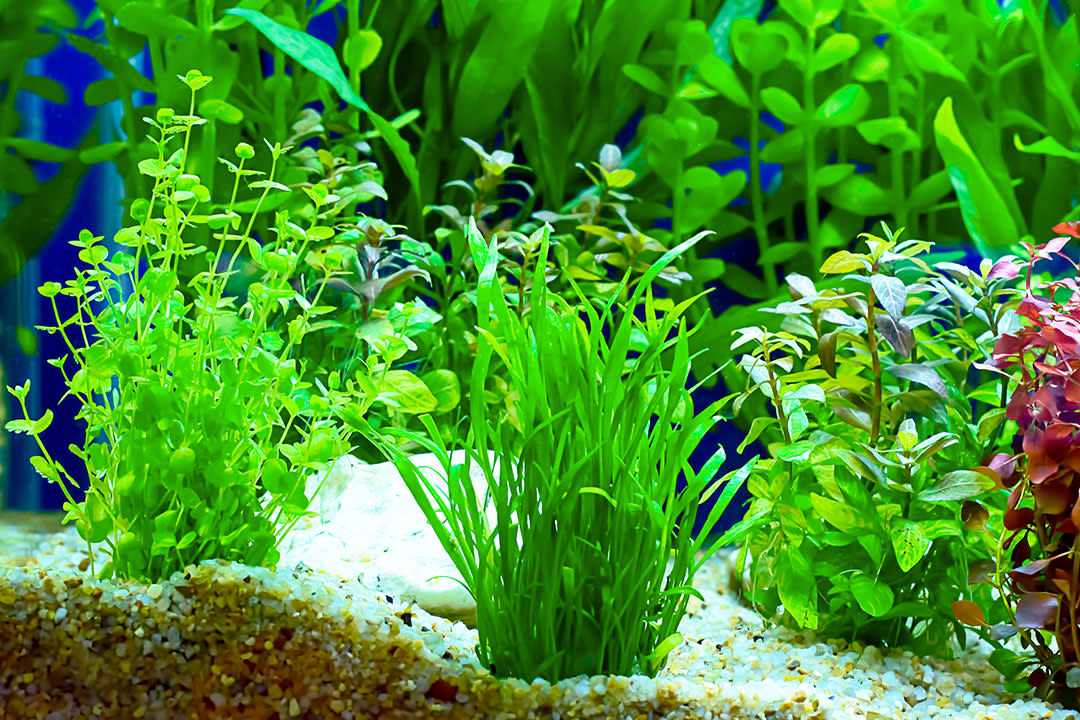
Tanks with live plants can be excellent additions to your home, bringing a touch of nature indoors. Learn how to take care of aquatic plants.
Updated on November 13th, 2025
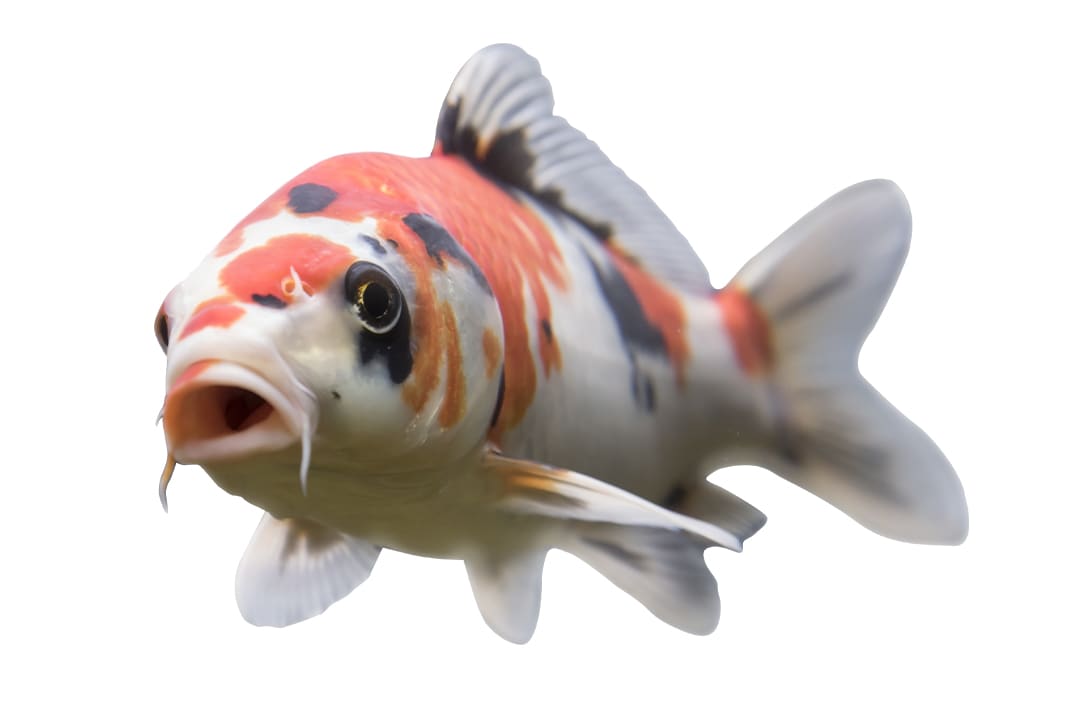
Learn how to care for a Koi, recommended diet and aquarium setup. Find Koi for sale, supplies and equipment at your neighborhood Petco.
Updated on November 13th, 2025
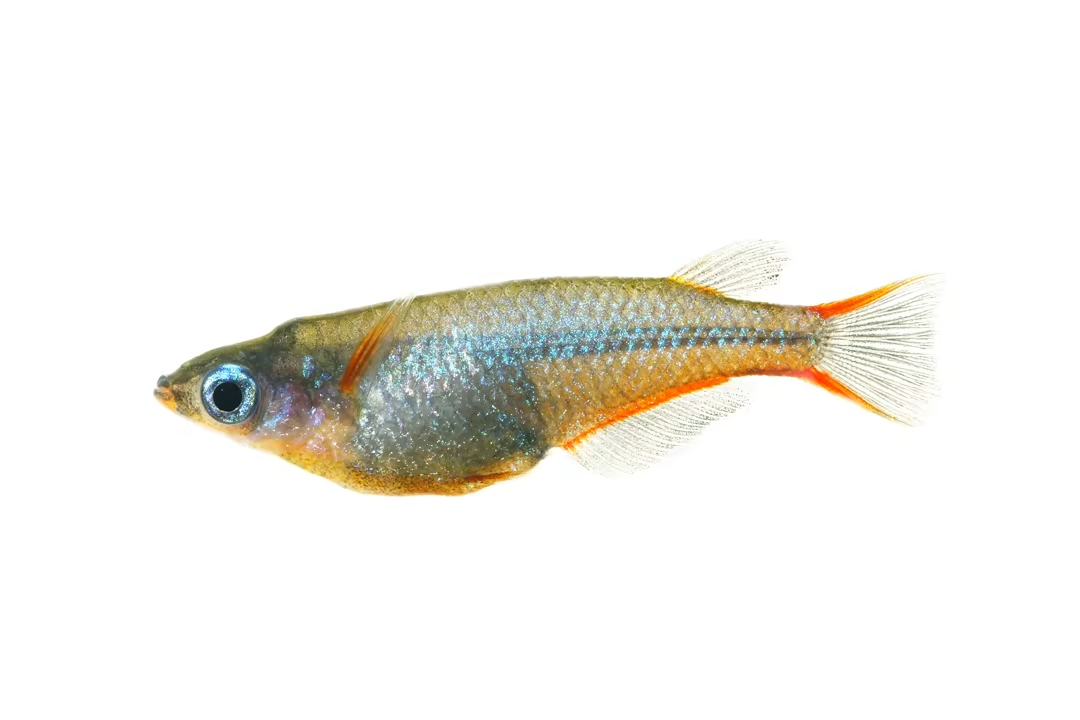
Learn more about these slow moving fish and the care they need when added to your aquatic environment.
Updated on November 13th, 2025
Shop Petco for low-maintenance aquarium decorations like the El Nino fern. We want to help decorate your aquarium to keep your fish happy and comfortable.
Updated on November 13th, 2025
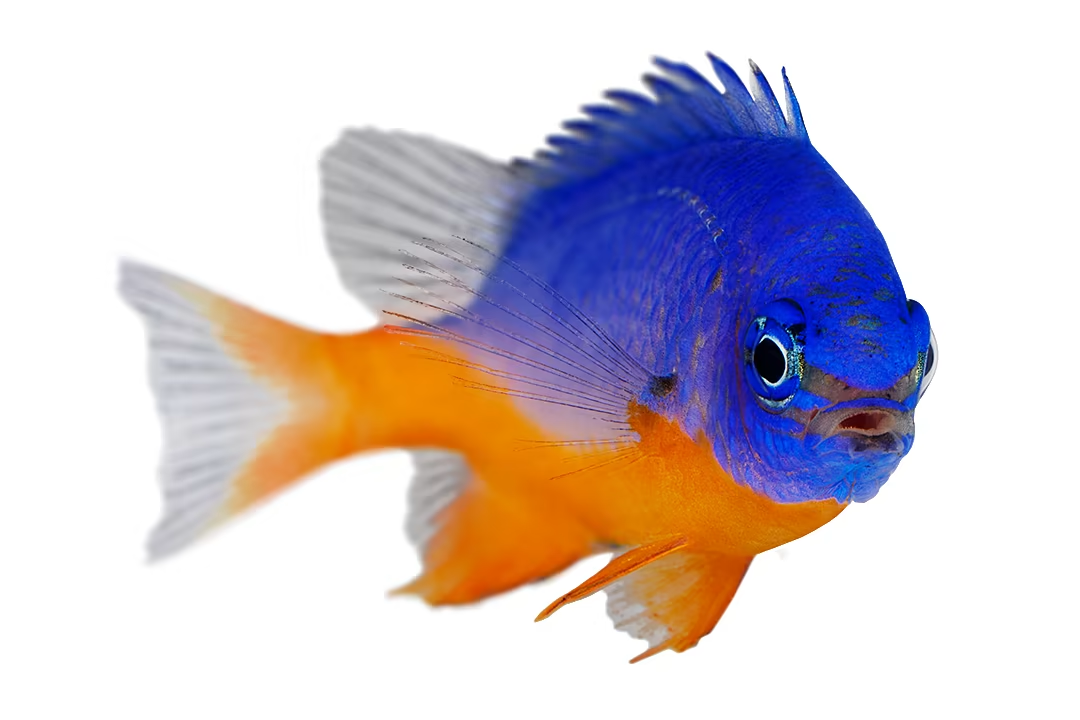
Learn how to care for a Damselfish, recommended diet and aquarium setup. Find Damselfish for sale, supplies and equipment at your neighborhood Petco.
Updated on November 13th, 2025
Before you buy any fish, you will need to set up the tank. A basic set up includes: a tank, filter, hood/light, heater, gravel and some decor. The tank should run without fish for at least 4 to 6 weeks. This gives it time to cycle. The Nitrogen Cycle is critical to the health of the tank and any fish you will be keeping. During this time, beneficial bacterial will populate the filter and substrate (gravel). These bacteria will be responsible for breaking down fish wastes and other wastes (uneaten food, dead plants, etc.). You will need a home test kit to monitor water chemistry (ammonia, nitrites, nitrates, pH) or you will have to submit water samples for testing. Most pet stores will do this for free or for a small fee. At first, you will see high levels of ammonia and nitrites. Over time, as bacteria grow, these levels will drop. When ammonia and nitrites are at 0 ppm and nitrates are below 20 ppm, you can consider adding fish. Regular (every 1 or 2 weeks) partial water changes as we
Updated on August 12th, 2025
Goldfish need powerful filtration. Your filter should be rated for at least twice the tank volume. Once you get a test kit, check the chemistry. Aim for 0 ppm ammonia and nitrites with nitrates at about 40ppm. Use a kit that has liquid reagents, not strips. The liquid kit is more accurate. The pH should range between 7.2-7.6. Being cold water fish, goldfish thrive between 65F and 72F. You can dissolve 1 teaspoon of plain aquarium salt (NOT table salt) per gallon of water to use as a general tonic. It will reduce stress, improve gill function, treat minor infection and aid in recovery. Treat for 10-14 days then reassess the condition of your fish. When performing partial water changes, treat only the volume of water being replaced not the entire tank volume. Change no more than 30% of the volume at a time. Use only aged or conditioned water that is temperature matched to prevent stress or shock.
Updated on August 12th, 2025
Thanks for reaching out about your aquarium and including photos. Did you test your water quality prior to the water change? Continue to test for pH, ammonia, nitrites and nitrates. Pristine water quality is needed for health. Are any of the fish new, that could have introduced parasites? Itching/flashing can be due to water quality, external parasites, bacterial or viral infections and other causes. The white lesions on the photo could be fungal infections. A skin scrape and examination under the microscope (at a veterinarian's office) is needed for an attempt to determine a cause. Fungal infections are often secondary problems, so check water quality first. Good luck.
Updated on August 12th, 2025
Those could be copepods. They are typically harmless and difficult to completely eradicate. On the good side, they are a sign of a healthy tank and are useful in eating decaying matter in the aquarium. The brown algae can be due to insufficient lighting or lighting periods. You can wipe down the glass and plants, perform a partial water change and increase lighting. It can take weeks to month to resolve. Use only aged or conditioned water that is temperature matched to prevent stress or shock. Confirm stable water chemistry and quality. Make sure the water temperature is correct as well. Too warm or too cold can cause stress. Look the Jack Dempsey over for signs of injury or infection. Ich, bacterial infection or fungal infection can cause the fish too twitch or shiver. Plain aquarium salt (NOT table salt or Epsom salt) dissolved at 1 tablespoon per 5 gallons of water is a great general tonic that can reduce stress, improve gill function, treat minor infection and aid in any recover
Updated on August 12th, 2025
From your description, I think swim bladder disease is possible. There is a really thorough article that I will link below. When you check water parameters, it is important to make sure you also check nitrites and nitrates. Ideally, ammonia and nitrites should be zero and nitrates should be equal to or less than less than 40. If nitrates are zero, it indicates that your tank is not quite nitrogen cycled. If it is higher than 40, then you need to do at least a 50% water change. https://www.thesprucepets.com/swim-bladder-disorder-in-aquarium-fish-1381230
Updated on August 12th, 2025