


Two Easy Ways to Start Earning Rewards!
Become a member today! Members-only pricing and offers, personalized care notifications, Vital Care points back on every purchase and more!
 Become a credit card member today!
Earn 2X Pals Rewards points at Petco
when you use Petco Pay!APPLY NOWLearn More About Petco Pay Benefits
Your Healthy Happy Ferret: Complete Care Guide
Published on May 29th, 2024
Updated on June 18th, 2026

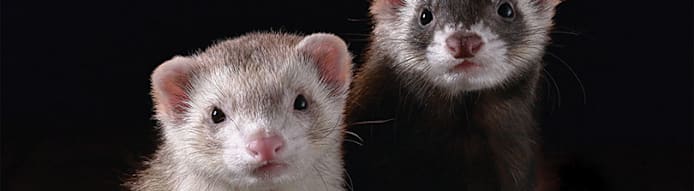
Have questions about how to keep your ferret healthy? Use our checklist to identify the ways to ensure that your little ferret is happy and healthy.
Ferrets are a mischievous bunch, but that's what makes them so fun to watch. As a pet parent, the best thing you can do when welcoming a ferret into your home is to understand how to keep him as happy and healthy as possible. Annual checkups with an exotic animal veterinarian are a must, but it's also good to know the telltale signs of a healthy ferret so you can help ensure your pet lives a long, healthy, happy life.
Your pet ferret, like many animals, will often hide signs of illness or distress. It's up to you as a pet parent to notice any changes in your ferret’s health. If you observe any anything outside your ferret's normal behavior, call your veterinarian.
Healthy Ferret Checklist: What does a healthy ferret look like?
Healthy ferrets are active and curious animals. A happy ferret is one that stays alert and playful. Knowing what physical characteristics are normal for your ferret can help keep your little friend happier and healthier. Knowing more also enables you to act faster should any health issues arise.
Eyes
Eyes should be big, clear, bright, even in size and free of discharge. Looks can be deceiving, and that's especially true with a ferret's eyesight. Although they have big, bright eyes, their eyesight is typically very poor and they are prone to a variety of problems with their vision.
Ferrets do not see colors the way we do and they have a hard time seeing in bright light. Where a ferret's eyesight falls short, their other senses pick up the slack. In fact, hearing, smell and touch are so acute in ferrets, that it can be hard to tell the difference between a blind and sighted ferret. Despite the low functionality, a laceration or scratch to the eye should always be considered an emergency.
Whiskers
Your ferret likely moves around your home at high speeds, and their whiskers help them navigate the world safely at high speeds. They can also be a key indicator of how your pet ferret is feeling, so ensuring their whiskers are in good shape is important to their overall health.
Ferret whiskers should be soft, long and full. While long whiskers are a sign of good health, they can also fall out and regrow on their own. Constantly short whiskers that are thin and brittle may indicate that your ferret has a health issue, but it can be hard for pet parents to discern this on their own. If you notice this trend in your ferret’s whiskers, consult your veterinarian.
Ears
Ears should be pink and clear of debris or dirt. Ferrets have excellent hearing. To help them maintain this ability, their ears need regular cleaning, as they tend to develop a wax build-up.
If you notice that a dark, waxy build-up reappears after you clean their ears, have your ferret checked by a veterinarian as they may have ear mites.
Nose
Nose should be moist, smooth and free of scales. Ferrets genuinely "follow their nose" and use this keen sense for exploration. They are very curious creatures and will sniff everything they come into contact with.
A healthy ferret should have a moist nose, free of scales or discharge. A runny nose can be a symptom of a serious condition and should be checked by a veterinarian immediately. Ferret's noses can become dry after burrowing during naps, but it's usually nothing to worry about.
Mouth
Like a hockey player, ferrets will sometimes break or chip their teeth. A veterinarian should always be consulted if you notice a chipped or broken tooth. However, tooth loss in baby ferrets is common. As carnivores, adult ferrets have 40 teeth to help them chow down, and as they get older, their teeth begin to yellow. If you notice a foul odor or tartar build-up on your ferret's teeth, a veterinarian can provide needed cleanings to ensure proper oral health.
Body
Body should be firm with muscle evenly distributed. A healthy ferret feels muscular and athletic. Ferrets twist and turn so freely, it's hard to imagine that they have any bones. Flexibility is one of the ferret's many strong suits and proof of their talent can be seen when they turn their head 180 degrees (a very unusual ability among vertebrates).
Such flexibility gives ferrets the ability to crawl into tight spaces—ferrets can fit through openings that are the same size as their heads. A full-grown ferret weighs between three and five pounds; males typically weigh more than females and their average length is 14 inches long. Check your ferret's body regularly for lumps, bumps or anything else that seems unusual.
Fur
Fur should be clean, shiny and completely covering the body, and be free of fleas, bald spots or sores. While a ferret's body may be thin, their hair is the definition of thick. When healthy, a ferret's coat should be soft and glossy from head to tail. No two ferrets have the same hair color or markings, and that is something that can make your ferret endlessly unique and admirable.
Some ferrets' markings include facemasks, which fits, considering how mischievous and sneaky these little ones can be. Ferrets shed their coat twice a year, and their coat colors often change slightly from season to season, so don't be concerned when noticing such changes. To help keep your ferret's skin and coat healthy, weekly brushing with a soft brush is recommended. Your ferret’s fur should also be soft and free of bald spots.
Skin
Skin should be smooth, not scaly, and free of lumps, bumps or sores. Another interesting characteristic among ferrets is the absence of sweat glands. This little quirk makes ferrets likely to overheat in temperatures over 85 degrees Fahrenheit, so be watchful in warm climates.
Although ferrets don't have sweat glands, they have many scent glands that produce a natural musky odor. Monthly bathing using a ferret shampoo can help keep this odor under control. Also, removing feces daily and changing your ferret's bedding once a week can help with odor control. Some ferrets can suffer from scaly, itchy skin. If you notice this condition, consult with your veterinarian. Also, check your ferret regularly for fleas, injuries and other signs of trouble on their skin.
Anus
The genitals/anus should be clean and healthy looking, not prolapsed or protruding, with no signs of feces or discharge
Skunks and ferrets are relatives, and it just so happens they share one unwanted characteristic—an anal scent gland. Ferrets only release their scent when scared; however, most ferrets meant to be pets have already been de-scented.
Behavior
Ferrets are usually alert and curious. Your ferret should always be playful, gentle and with a good attitude. Like puppies, young ferrets like to teeth. This behavior should be discouraged and should subside as your ferret ages. A healthy ferret will display a confident attitude and appear happy. Healthy ferrets generally sleep about 18–20 hours per day.
Feces
Healthy ferret feces should be tubular in shape, smooth and firm in consistency and tan to brown in color.
Runny and/or discolored feces could be an indication of indigestion or serious illnesses like ECE which should be diagnosed and treated by a veterinarian.
Your Ferret's First Health Exam
Annual examinations with an exotic animal veterinarian are a must to maintain your ferret's good health. In addition to addressing any congenital problems or detecting or treating diseases, your vet will administer required vaccinations. Ferrets require distemper vaccinations at 8, 11 and 14 weeks, a rabies vaccination at 12–16 weeks of age and annual distemper and rabies vaccinations. Your vet also can show you how to clip your ferret’s nails, a task you'll regularly need to perform.
Here's what else you can expect at your ferret's first exam:
- Medical Records. Medical records are usually filed under your pet's name and the pet parent's name. These records will include:
- Where you purchased/adopted your ferret. Your veterinarian may identify certain medical risks based on where you purchased him. By knowing his origin, your veterinarian can better understand what tests or vaccinations might be necessary.
- Your ferret's sex and if he is spayed/neutered and/or de-scented. Your veterinarian can help determine these statuses if you do not know. Most ferrets are usually spayed or neutered and de-scented. De-scenting is a medical procedure that removes the ferret's anal sacs.
- Your ferret's age. Again, if you don't know your ferret's history, your veterinarian will be able to estimate his age for you.
- Previous vaccination history. If you don't have a complete health history for your ferret, he most likely will receive a full set of shots. Bring any shot records that you may have been provided when you adopted/purchased him.
- Any behavioral problems. Your veterinarian may be able to offer advice on modifying your ferret's unwanted habits or may refer you to a certified animal behaviorist.
- How he gets along with other ferrets (if you own more than one). It can be tricky to bring a new ferret into a household in which another ferret runs the show, especially if the ferrets think they are in competition with each other. Your veterinarian may be able to offer advice on encouraging your ferrets to live in harmony or you may be referred to a certified animal behaviorist.
Follow-up Annual Exams
Be prepared to identify the following at your ferret's annual checkup:
- Any problems lately, such as vomiting, coughing or sneezing.
- Litter box problems. Problems with urination and bowel movements can signal a number of ailments, including some that are serious.
- Ear scratching or head shaking. This behavior could be a sign of ear mites or other ear infections.
- Skin or coat changes. Your veterinarian may want to know if his coat is thinning, or whether it feels coarser than usual.
- Sudden weight gain or loss. Any noticeable change in weight could signal a variety of problems, including a serious medical issue.
- Current feeding protocol. Be prepared to tell your veterinarian about your ferret's diet, including any recent changes in his eating or drinking habits.
- Activity and exercise levels. Ferrets are energetic and playful creatures. Your veterinarian can offer tips on keeping your pet fit and mentally stimulated.
It's normal to feel a bit overwhelmed when taking your ferret to the veterenarian—especially if specific treatment is being recommended. To ensure that you document all important information, ask your veterinarian to repeat or write down any diagnoses or care tips. Write down any important information or instructions you’ve been given, including:
- Diet recommendations, including the brand name of recommended foods and the amounts to feed your ferret. Ferrets must be fed a very specific diet that is high in protein and fat. They should not be offered dog or cat food. Your veterinarian can also make healthy treat suggestions.
- Exercise recommendations and any activities your ferret should avoid.
- If your ferret will be taking medication, ask how much, how often, how long and how to administer it.
- When to schedule a follow-up visit.
- Finally, always retain all shot records for your ferret in a safe location.
Final Thoughts
By getting to know your ferret and observing his normal daily behavior, you'll be able to spot when something is wrong. Finding a health problem early can help your ferret receive prompt treatment and will ensure that he is happy and healthy for many years to come.
Frequently Asked Questions
What do healthy ferret teeth look like? Adult ferrets have 40 teeth that should be white to slightly off-white, free of heavy tartar buildup, and free of chips or breaks. As ferrets age, some yellowing is normal. Foul odor or visible tartar buildup are signs your ferret needs a veterinary dental cleaning. A chipped or broken tooth always warrants a call to your veterinarian.
How often should ferrets see a veterinarian? Ferrets need annual wellness exams with an exotic animal veterinarian at minimum. Younger ferrets require a series of distemper vaccinations at 8, 11 and 14 weeks of age, plus a rabies vaccination between 12 and 16 weeks, followed by annual boosters for both. Because ferrets can hide signs of illness, routine checkups are one of the most important things a pet parent can do to catch problems early.
What behaviors might indicate my ferret is ill? Healthy ferrets are alert, curious and playful, sleeping roughly 18–20 hours per day and active during their waking hours. Warning signs that something may be wrong include unusual lethargy, loss of appetite, runny or discolored feces, discharge from the eyes or nose, labored breathing, or sudden changes in temperament. If you notice anything outside your ferret's normal behavior, contact your veterinarian promptly.
What should healthy ferret feces look like? Normal ferret feces are tubular in shape, firm and smooth in consistency, and tan to brown in color. Runny, unusually dark, green or mucus-coated feces can signal digestive upset or more serious conditions such as Epizootic Catarrhal Enteritis (ECE) and should be evaluated by a veterinarian as soon as possible.
Are there foods or household items that are toxic to ferrets? Ferrets are strict carnivores and should not be fed fruits, vegetables, grains or sugary treats, as their digestive systems are not designed to process plant matter. Many common household substances can also be harmful. If you suspect your ferret has ingested something toxic, contact your veterinarian immediately or reach out to the ASPCA Animal Poison Control Center for guidance. [https://www.aspca.org/pet-care/animal-poison-control]
Can ferrets overheat, and how do I prevent it? Yes. Ferrets lack sweat glands, which makes them highly vulnerable to heat stress in temperatures above 85°F. Keep your ferret's living space in a cool, well-ventilated area, especially during summer months, and never leave him in a hot car or direct sunlight. Signs of overheating include excessive panting, drooling and weakness — all of which require immediate veterinary attention.
Healthy Ferret at a Glance: Signs to Watch For
Use this checklist at home between vet visits. If you spot anything in the "See Your Vet" column, contact an exotic animal veterinarian promptly — ferrets are skilled at masking illness, so early action matters.
| Body Area | Healthy Signs | See Your Vet If You Notice |
|---|---|---|
| Eyes | Big, clear, bright; equal in size; no discharge | Discharge, cloudiness, unequal pupil size, visible injury or laceration |
| Whiskers | Long, soft, full | Consistently thin, brittle or short whiskers that don't regrow |
| Ears | Pink inside; minimal light-colored wax | Dark, heavy wax buildup returning after cleaning (possible ear mites) |
| Nose | Moist, smooth, no scales or discharge | Runny nose, cracking, persistent dryness beyond a short nap |
| Teeth & Mouth | White to slightly cream; no odor; gums pink | Chipped or broken teeth, tartar buildup, foul odor, bleeding gums |
| Body & Weight | Firm, evenly muscled; 3–5 lbs for adults | Lumps, bumps, rapid weight loss or gain, bloating |
| Fur & Coat | Soft, shiny, full coverage; seasonal shed twice yearly | Bald patches outside normal shed, dull or brittle coat, sores |
| Skin | Smooth, supple, no lesions | Scaly or itchy patches, fleas, wounds, unusual growths |
| Anus/Genitals | Clean, flush with body; no discharge | Prolapse, protrusion, fecal staining, unusual discharge |
| Behavior | Alert, curious, playful; sleeps 18–20 hrs/day | Lethargy beyond normal sleep, aggression, loss of coordination |
| Feces | Tubular, firm, smooth; tan to brown | Runny, mucousy, green, black or bloody stool — may signal ECE or other illness |
| Appetite | Consistent interest in food and water | Refusing food or water for more than 12 hours; sudden changes in intake |
Petco tip: Run through this checklist weekly during your ferret's grooming session. Catching subtle changes early — a slightly dull coat, a new lump, a shift in stool color — gives your veterinarian the best chance to help. When in doubt, call your exotic animal vet. [https://www.merckvetmanual.com/management-and-nutrition/nutrition-small-animals/nutritional-requirements-of-small-animals]
Frequently Asked Questions
How do I know if my ferret is sick? Ferrets instinctively hide illness, so watch for subtle shifts: reduced playfulness, changes in stool color or consistency, weight loss, discharge from the eyes or nose, or unusual lumps on the body. Any deviation from your ferret's normal behavior warrants a call to an exotic animal veterinarian. [https://www.merckvetmanual.com/management-and-nutrition/nutrition-small-animals/nutritional-requirements-of-small-animals]
How often should a ferret see a veterinarian? Annual wellness exams with an exotic animal veterinarian are the minimum recommended standard for ferrets. These visits cover vaccinations (distemper and rabies), nail trims, dental checks and screening for common ferret conditions. Ferrets over five years old may benefit from twice-yearly visits.
What does healthy ferret poop look like? Normal ferret feces are tubular, firm and smooth, ranging from tan to brown in color. Green, black, mucousy or watery stool can indicate digestive upset or a serious illness such as Epizootic Catarrhal Enteritis (ECE) and should be evaluated by a veterinarian promptly.
Are there foods that are toxic to ferrets? Yes. Ferrets are carnivores and their digestive systems are not equipped to handle fruits, vegetables, grains or sugary treats — these can cause dangerous drops in blood sugar and gastrointestinal distress. If you suspect your ferret has ingested something harmful, contact your veterinarian or the ASPCA Animal Poison Control Center immediately. [https://www.aspca.org/pet-care/animal-poison-control]
How can I control my ferret's natural musky odor? Scent glands are a normal part of ferret biology. Monthly bathing with a ferret-specific shampoo, removing feces from the habitat daily and replacing bedding weekly can all help manage odor. Avoid over-bathing, as it can strip natural oils and dry out the skin.
What vaccinations does my ferret need? Ferrets require a distemper vaccination series at 8, 11 and 14 weeks of age, followed by a rabies vaccination between 12 and 16 weeks. After that, annual distemper and rabies boosters are required. Your exotic animal veterinarian will set the schedule that is right for your ferret's age and health history.
This article was created with assistance from AI tools and reviewed for accuracy by Petco's content team.


