


Two Easy Ways to Start Earning Rewards!
Become a member today! Members-only pricing and offers, personalized care notifications, Vital Care points back on every purchase and more!
 Become a credit card member today!
Earn 2X Pals Rewards points at Petco
when you use Petco Pay!APPLY NOWLearn More About Petco Pay Benefits
Do Snakes Poop? What's Normal & What's Not
Published on May 29th, 2024
Updated on June 18th, 2026

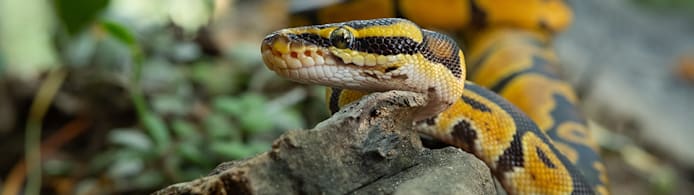
Are you curious to know if snakes poop? Visit Petco and get the answers to the most common questions about snake poop.
Snakes have many characteristics that set them apart from other pets, including other reptiles. They don’t have legs or eyelids, they shed their skin in a single piece, and they can swallow huge prey without chewing. In other ways, however, snakes share similarities with mammalian pets. So, does a snake poop? Yes. Like mammals—and fish, birds and other reptiles, too—snakes digest food and expel waste from their bodies, but their poop looks a little different than you might expect.
What does snake poop look like?
Healthy snake poop is blackish brown and solid, and it typically is passed simultaneously with clear urine and chalky white urates (the solid portion of snakes’ urine). Snake poop—the breakdown product of digestion—comes from the intestinal tract and passes into the cloaca (the collecting chamber for the gastrointestinal, reproductive and urinary tracts) before being expelled through the vent. Snake poop may also contain undigested bone and fur as byproducts of digesting mice and rats. Most snakes have a predictable cycle for passing feces after they’ve eaten, so pet parents will know when it’s time to get out the cleaning supplies and spruce up their living space.
What does abnormal snake poop look like?
Typical snake poop has three components: the solid fecal material, the clear liquid urine and the solid, white, chalky urine, or urates. Over time, you will get to know what your pet’s snake droppings look like, including their color, consistency and typical volume. If your snake starts passing very little feces or the fecal color changes, you should take your snake to the vet. Blood in snake poop is also a cause for concern, as is excessively liquid feces.
Pay attention to their habits to determine what normal snake poop looks like for your pet. Monitoring changes to their feces can help you identify health problems early so that you can get them prompt veterinary attention. Consult your veterinarian if you have questions or concerns about your pet’s feces or other aspects of their health. Keeping clean habitats and enclosures and using the right heating and lighting products also help support snake health.
Featured Snake Products

Frequently Asked Questions
Do snakes poop? Yes — snakes digest food and expel waste just like other animals. A typical bowel movement includes three components: solid dark fecal matter, clear liquid urine and chalky white urates (the solid portion of a snake's urine). All three pass through the cloaca and exit through the vent in a single event.
How often do snakes poop? Frequency depends on how often your snake eats, the size of the meal and the species. Most snakes pass waste within a few days to two weeks after eating. A ball python fed every 10–14 days, for example, will typically defecate once per feeding cycle. Younger snakes that eat more frequently will poop more often. Tracking your snake's schedule helps you recognize what is normal for him.
Why isn't my snake pooping? Infrequent or absent droppings can signal dehydration, an enclosure that is too cool (slowing digestion), incomplete shedding or, in more serious cases, intestinal impaction or parasites. Check that your snake's habitat temperatures and humidity are within the recommended range for his species, and ensure he has access to fresh water at all times. If your snake has not passed waste within two to three weeks of his last meal, consult your veterinarian promptly.
What does unhealthy snake poop look like? Healthy droppings are firm, dark brown to black and accompanied by white urates. Contact your veterinarian if you notice: blood in the stool, unusually watery or runny feces, a greenish or yellowish color, an extremely foul odor beyond the norm, or an absence of urates. These changes can indicate infection, parasites or other digestive concerns that require professional evaluation.
Is snake poop dangerous to humans? Snake feces can carry Salmonella and other bacteria that are transmissible to people — a concern shared across reptiles generally. Always wash your hands thoroughly with soap and water after handling your snake or cleaning his habitat. Children, pregnant individuals and anyone who is immunocompromised should take extra precautions around reptile waste. [https://www.aspca.org/pet-care/animal-poison-control]
How should I clean up snake poop safely? Spot-clean the habitat as soon as you notice a dropping to limit bacterial growth and odor. Use a reptile-safe disinfectant, disposable gloves and paper towels. Remove soiled substrate (bedding), wipe the area thoroughly and allow it to dry before replacing clean material. Perform a full habitat deep-clean on a regular schedule — frequency depends on enclosure size and how often your snake eats. Always wash your hands after any cleaning session.
This article was created with assistance from AI tools and reviewed for accuracy by Petco's content team.


