


Two Easy Ways to Start Earning Rewards!
Become a member today! Members-only pricing and offers, personalized care notifications, Vital Care points back on every purchase and more!
 Become a credit card member today!
Earn 2X Pals Rewards points at Petco
when you use Petco Pay!APPLY NOWLearn More About Petco Pay Benefits
Bird Poop Guide: What's Normal & What's Not
Published on February 3rd, 2023
Updated on July 16th, 2026

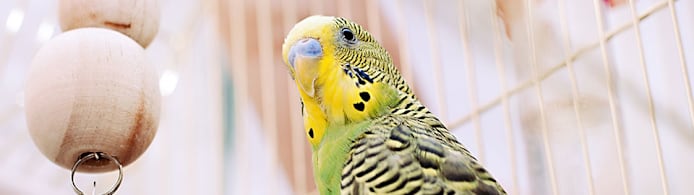
Learn how to identify if your bird’s poop is healthy or not. Visit Petco to find all the answers about birds’ poop.
Is Your Bird's Poop Healthy? How to Read Color, Consistency and Smell
Your bird can't tell you when something feels off — but her droppings can. Healthy bird poop is one of the earliest and most reliable windows into your bird's wellbeing. Knowing what normal looks like makes it far easier to spot a problem before it becomes serious. Here's what to look for every single day.
What Does Healthy Bird Poop Look Like?
Every dropping your bird produces has three distinct components. Learn these, and you'll have a clear baseline to compare against.
| Component | What It Is | Healthy Appearance |
|---|---|---|
| Feces | Solid digestive waste | Green to olive-brown; firm and formed |
| Uric acid | Solid urine (birds don't produce liquid urine alone) | Chalky white or cream; pasty in texture |
| Liquid urine | Watery portion of the dropping | Clear; small amount pooling around the feces |
Together, urine makes up roughly 30–50% of a dropping, with liquid urine and solid uric acid both present; feces makes up the remainder . Because birds expel both urine and feces simultaneously through a single opening called the vent, every dropping is a combined package — which is exactly why consistency and proportion matter so much.
Quick answer for featured snippet: Healthy bird poop is green or olive-brown (feces), chalky white (uric acid) and clear (liquid urine). It should be formed, odorless and produced frequently throughout the day.
Bird Poop Color: What's Normal, What's Not
Healthy bird poop color varies by species and diet — there is no single "correct" shade. What matters is knowing your individual bird's normal and recognizing when something shifts.
Normal color ranges by diet:
- Seed- and grain-heavy diets (common in budgies and cockatiels in the wild): green to dark olive droppings
- Pellet-based diets with pigmented pellets: brown-tinted feces — this is diet-related and not a concern
- Fruit- and vegetable-rich diets (lorikeets, many macaws): softer, more colorful droppings that reflect what was eaten; a bird who just ate blueberries may produce purple-tinged feces temporarily
Bird poop colors that signal a problem:
| Poop Color | Possible Concern | Action |
|---|---|---|
| Red or dark red | Fresh blood in the stool | Contact your veterinarian promptly |
| Black or tar-like | Digested blood (higher in the GI tract) | Contact your veterinarian promptly |
| Mustard yellow | Possible liver disease | Schedule a veterinary visit |
| Bright lime green | Can indicate infection or anorexia (bile staining) | Monitor closely; call your vet if it persists |
A single unusual dropping after a new food isn't cause for alarm. A pattern of color change — especially paired with behavior shifts, reduced appetite or lethargy — is your cue to call your veterinarian.
Bird Poop Consistency: The Most Telling Clue
Consistency is one of the most accurate indicators of healthy bird poop. Because birds process liquids and solids together, the ratio of each component tells you a great deal about what's happening internally .
Normal consistency: The fecal portion is formed and holds its shape. The uric acid portion is pasty and white. The liquid urine portion is small and clear — not pooling excessively.
Abnormal consistency and what it may mean:
- Excess clear liquid urine (polyuria): The feces itself is still formed, but there's far more watery urine than usual. This is not the same as diarrhea. Polyuria can result from eating water-dense foods like fruits and vegetables, but it can also signal kidney disease Merck Veterinary Manual.
- True diarrhea: The fecal portion itself is unformed, loose or liquid. Causes include dietary changes, stress, bacterial infection, parasites or yeast overgrowth.
- Thick, black, tar-like texture: Suggests digested blood in the stool — a reason to contact your veterinarian right away.
- Excess white, pasty uric acid: A large increase in the uric acid portion can point to a kidney problem .
Polyuria vs. diarrhea — know the difference:
| Polyuria | True Diarrhea | |
|---|---|---|
| Fecal portion | Formed, normal shape | Unformed, loose or liquid |
| Urine portion | Excessive clear liquid | May also be increased |
| Common causes | Fruit/veggie-heavy diet, kidney disease, diabetes | Diet change, stress, infection, parasites |
| Urgency | Monitor; vet visit if persistent | Vet visit, especially with color change or blood |
What Does Healthy Bird Poop Smell Like?
Healthy bird poop should have little to no odor. This surprises many pet parents — but it makes sense. Most pet birds eat grains, fruits, vegetables and pellets rather than animal protein. It's the digestion of animal protein that produces the strong odor associated with mammal waste. Because most pet parrots and companion birds aren't digesting meat, their droppings stay relatively odorless .
You don't need to make a habit of sniffing your bird's droppings. Instead, simply stay aware of any unusual scent near her habitat. If you notice something off:
- Rule out old food or soiled water in the habitat as the source.
- If the smell is definitely coming from the droppings, contact your veterinarian.
A foul or distinctly unpleasant odor from bird poop is not normal and warrants a call to your vet.
How Often Should Your Bird Poop?
Pooping frequency is directly tied to body size and metabolism. Smaller birds have faster metabolisms and eliminate more frequently; larger birds poop less often but still regularly.
| Bird Size | Examples | Approximate Frequency |
|---|---|---|
| Small | Budgie, parrotlet, lovebird | Up to 40–50 times per day |
| Medium | Cockatiel, conure | 20–30 times per day |
| Large | Macaw, African grey, Amazon | Up to 20 times per day |
Frequent elimination isn't a problem — it's normal and healthy. Birds digest food rapidly and eliminate quickly, which also helps keep their body weight low for efficient flight. Monitor your bird's individual rhythm so you notice when something shifts. A bird pooping significantly less than her normal rate may not be eating enough; one pooping far more than usual may be having trouble digesting food. Either change is worth a conversation with your veterinarian.
Common Causes of Unhealthy Bird Poop
Spotting abnormal bird poop is the first step. Understanding the likely cause helps you have a more informed conversation with your veterinarian. Here are the most common culprits:
Diet changes New foods — especially colorful fruits or pigmented pellets — can temporarily change fecal color and consistency. Birds eating more fruits and vegetables ingest more water and typically produce softer, wetter droppings. Birds on seed- and grain-heavy diets tend to have firmer stools. These changes are usually temporary and benign, but track them alongside any other symptoms. Explore bird food options to find a balanced diet suited to your bird's species.
Stress Anxiety accelerates food passage through the gastrointestinal tract, producing loose or watery droppings. This is why many birds have softer poop when they first arrive in a new home or during a veterinary visit. Once they settle, droppings typically return to normal — unless an underlying issue is also present.
Parasites Gastrointestinal parasites are a real cause of loose or watery bird poop. Giardia — commonly transmitted through contaminated drinking water — is a frequent offender, and cockatiels are particularly susceptible. Intestinal worms can also cause abnormal droppings. Importantly, a low parasite burden doesn't always cause visible symptoms; a routine fecal test from your veterinarian can catch what you can't see Merck Veterinary Manual.
Bacterial and viral infections Several infections can disrupt a bird's gastrointestinal tract and produce unhealthy poop:
- Psittacosis (Chlamydia psittaci): Common in parrots; transmitted through stool; causes diarrhea among other symptoms
- Salmonella: Bacterial infection affecting the GI tract
- Polyomavirus: Viral infection seen in parrots and other birds
- Candida yeast overgrowth: Fungal infection that can cause loose, abnormal droppings
Your veterinarian can diagnose the specific cause through symptom evaluation and testing Merck Veterinary Manual.
Renal (kidney) disease The kidneys filter waste products from the bloodstream and excrete them through urine and feces. When kidney function is compromised, you'll often notice a significant increase in the clear liquid urine portion of your bird's dropping — the feces may still look normal, but the overall dropping appears much wetter than usual. Kidney disease requires veterinary diagnosis and management; do not attempt to treat it at home .
When to Call Your Veterinarian
Contact your veterinarian promptly if you notice any of the following in your bird's droppings:
- Red, black or tar-like coloring (possible blood)
- Mustard yellow or bright lime green feces (possible liver or infection issue)
- Persistent diarrhea lasting more than one to two days
- A strong, foul odor from droppings
- Significant increase or decrease in pooping frequency
- Any color or consistency change paired with behavior changes, reduced appetite or lethargy
Early detection gives your veterinarian the best chance to identify and address a problem. Monitoring healthy bird poop daily is one of the simplest, most effective things you can do for your bird's long-term wellbeing.
Healthy vs. Unhealthy Bird Poop: What to Look For
Use this quick-reference guide to compare what's normal and what warrants a call to your veterinarian. Keep in mind that your bird's baseline can shift slightly with diet changes — so knowing your bird's typical droppings is the best starting point.
| What to Check | Healthy Bird Poop | Unhealthy Bird Poop | When to Call Your Vet |
|---|---|---|---|
| Fecal color (solid portion) | Green to olive-brown; may shift to brown with pigmented pellets or brightly colored fruits | Red or black (possible fresh or digested blood); mustard yellow (possible liver involvement) | Immediately if you see red, black, or persistent mustard-yellow droppings |
| Uric acid color (white portion) | Chalky white to off-white | Yellow-green tint; absent or dramatically reduced | Same visit as above — color changes in uric acid can signal kidney or liver stress Merck Veterinary Manual |
| Liquid urine (clear portion) | Small amount of clear fluid surrounding the dropping | Excessive clear liquid pooling around the dropping (polyuria); or completely absent | If polyuria persists more than 24–48 hours or accompanies other symptoms |
| Overall consistency | Fecal portion is formed and holds its shape; uric acid is pasty; liquid urine is minimal | Tar-like or very dark and sticky (possible digested blood); overly watery or completely unformed feces (true diarrhea) | Right away for tar-like stool; within 24 hours for persistent watery feces Merck Veterinary Manual |
| Smell | Little to no odor — most pet birds eat grains, fruits and vegetables rather than animal protein | Any noticeable foul or unusual odor coming distinctly from the droppings (rule out old food or soiled water first) | If odor is confirmed to come from droppings and persists beyond one day |
| Frequency | Budgies: up to ~50 times per day; macaws and larger parrots: up to ~20 times per day; consistent with the bird's normal pattern | Noticeably fewer droppings than usual (possible reduced food intake or obstruction); sudden increase beyond normal (possible digestive upset) | If frequency drops or spikes significantly for more than one day Merck Veterinary Manual |
| Texture red flags | Soft but formed fecal portion; pasty uric acid; no mucus | Mucus-coated droppings; undigested seed visible in stool repeatedly; foamy appearance | Within 24 hours — undigested food or mucus can point to infection, parasites or malabsorption |
| Blood visible | None | Any red streaking, fresh blood or black tarry appearance | Immediately — blood in droppings is always an urgent veterinary concern Merck Veterinary Manual |
A note on normal variation: A single "off" dropping after your bird eats blueberries or beets is usually nothing to worry about. It's a pattern of changes — especially those paired with lethargy, fluffed feathers, reduced appetite or weight loss — that signals it's time to reach out to your avian veterinarian.
Frequently Asked Questions
What does healthy bird poop look like? A normal dropping has three distinct parts: a formed green-to-olive-brown fecal portion, a chalky white uric acid portion and a small amount of clear liquid urine. The exact shade of the fecal portion can vary with diet — birds eating more colorful fruits or pigmented pellets may produce differently colored droppings — but the three-part structure should remain consistent.
Why is my bird's poop watery? Watery droppings usually mean one of two things: polyuria (excess liquid urine) or true diarrhea (unformed feces). Polyuria can be as simple as your bird eating water-dense foods like cucumber or melon, but it can also point to kidney disease. True diarrhea may stem from stress, dietary changes, bacterial infections such as Chlamydia psittaci (psittacosis), yeast overgrowth or intestinal parasites like giardia. If watery droppings persist beyond 24–48 hours or are paired with other symptoms, contact your veterinarian. Merck Veterinary Manual
What color bird poop is a warning sign? Red or black droppings can indicate fresh or digested blood in the stool and should be treated as urgent. Mustard-yellow droppings may be associated with liver concerns. Bright lime-green droppings in a bird that hasn't eaten brightly colored food can also be a flag worth discussing with your vet. When in doubt, photograph the droppings and call your avian veterinarian the same day.
How often should a bird poop? Pooping frequency is tied directly to body size and metabolism. Small birds like budgies may produce up to 50 droppings per day, while larger species like macaws typically produce around 20. Any significant departure from your individual bird's established pattern — either far fewer or far more droppings than usual — is worth monitoring closely and discussing with your veterinarian if it continues. Merck Veterinary Manual
Can bird droppings make people sick? Yes — certain infections transmissible through bird droppings, including psittacosis caused by Chlamydia psittaci, can affect people. Always wash your hands thoroughly after handling your bird's habitat or droppings, and avoid inhaling dried fecal dust when cleaning. If anyone in your household develops flu-like symptoms after contact with a bird, mention the exposure to a healthcare provider. the AVMA
When should I take my bird to the vet for poop problems? Contact your avian veterinarian right away if you notice blood in the droppings, a tar-like black consistency, complete absence of droppings, or droppings paired with lethargy, fluffed feathers or loss of appetite. For less urgent changes — persistent watery droppings, unusual color lasting more than a day or a noticeable odor — schedule a visit within 24 hours rather than waiting to see if things resolve on their own. Your veterinarian may recommend a fecal test to check for parasites, bacteria or yeast.
Frequently Asked Questions
What color should healthy bird poop be? For most pet birds, normal droppings are green or olive-brown (the fecal portion), chalky white (solid uric acid), and clear (liquid urine). Color varies by species and diet — pelleted foods can produce brown tones, while dark leafy greens may deepen the green hue. Red, black or mustard-yellow droppings are warning signs that warrant a call to your veterinarian. Merck Veterinary Manual
Why is my bird's poop runny or watery? Watery droppings usually point to one of two things: polyuria (excess liquid urine) or true diarrhea (loose fecal matter). Polyuria can stem from eating water-rich fruits and vegetables, stress or kidney disease. True diarrhea may be triggered by diet changes, gastrointestinal infections (bacterial, yeast or parasitic) or viruses such as polyomavirus. If watery droppings persist beyond a day or two — or appear alongside color changes or blood — contact your veterinarian promptly.
Does bird poop smell? Healthy droppings from most pet birds have little to no odor. Because the majority of pet parrots, budgies and cockatiels eat grains, fruits and vegetables rather than animal protein, their waste doesn't produce the strong smell associated with mammal feces. A noticeable, foul odor coming from your bird's habitat is considered abnormal and is a reason to consult your veterinarian. Merck Veterinary Manual
How often should a bird poop, and is it normal for it to be so frequent? Pooping frequency is directly tied to metabolism and body size. Small birds like budgies can produce droppings up to 50 times a day; larger species such as macaws typically go up to 20 times a day. This rapid elimination helps birds stay light for flight and reflects their fast digestive systems. A sudden drop or spike in frequency — not explained by a diet change — is worth discussing with your veterinarian.
Can what my bird eats change the color or texture of its droppings? Yes — diet is one of the most common reasons droppings look different from day to day. Pigmented pellets can turn stool brown or reddish; beets and berries may temporarily darken it; and water-dense foods like cucumber or melon increase the liquid urine portion, making droppings appear wetter. These diet-related shifts are generally harmless, but if you can't link a color change to something your bird recently ate, treat it as a potential health signal and check with your veterinarian. Merck Veterinary Manual
Could my bird's abnormal poop be contagious to people or other pets? Some infections that cause unhealthy bird droppings — most notably psittacosis (Chlamydia psittaci) and salmonella — are zoonotic, meaning they can be transmitted from birds to humans. Always wash your hands thoroughly after handling droppings or cleaning your bird's habitat, and keep children and immunocompromised individuals away from soiled surfaces. If you suspect your bird is ill, contact your veterinarian and mention any human household members who may have been exposed. the AVMA
This article was created with assistance from AI tools and reviewed for accuracy by Petco's content team.


