


Two Easy Ways to Start Earning Rewards!
Become a member today! Members-only pricing and offers, personalized care notifications, Vital Care points back on every purchase and more!
 Become a credit card member today!
Earn 2X Pals Rewards points at Petco
when you use Petco Pay!APPLY NOWLearn More About Petco Pay Benefits
Ball Python Diet: What, How & How Often to Feed
Published on October 4th, 2022
Updated on June 18th, 2026

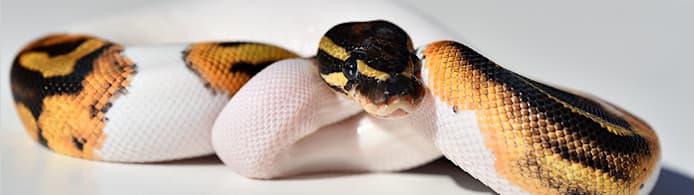
Search Petco for answers to all your questions about ball pythons. We’ve got the information to help you figure out why your ball python is not eating.
Ball Python Diet & Eating Habits: What Every Pet Parent Needs to Know
Ball pythons are one of the most popular pet snakes in the US — and for good reason. They're manageable in size, relatively calm in temperament, and fascinating to observe. But if you're new to life with a ball python, their eating habits can feel downright alarming. Feeding pauses, food refusals, and weeks-long fasts are all part of the ball python experience. Understanding why your snake eats the way it does — and what a normal feeding schedule actually looks like — is the single most important thing you can do to keep your python thriving.
Key Takeaways
- Ball pythons do not eat every day; weekly feedings for juveniles and every one to two weeks for adults is normal.
- Prey size matters: never offer a food item wider than the widest part of your snake's body.
- Stress, environmental changes, shedding, brumation-like behavior, and breeding cycles are the most common reasons a ball python stops eating.
- A ball python that refuses food for an extended period alongside other behavioral or physical changes warrants a veterinarian visit.
- Adult ball pythons typically reach 4 to 6 feet in length and can live 20 to 30 years — plan your feeding routine for the long haul.
How Often Do Ball Pythons Eat?
The first thing to accept is that ball pythons are not like dogs or cats. They do not eat every day — not even close. Their metabolism is slow by design, and their feeding schedule reflects that.
| Life Stage | Recommended Feeding Frequency |
|---|---|
| Juvenile (under 1 year) | Once every 5–7 days |
| Sub-adult (1–3 years) | Once every 7–10 days |
| Adult (3+ years) | Once every 10–14 days |
Juveniles eat more frequently because they are actively growing. Once a ball python reaches adulthood, its metabolism slows considerably, and going two full weeks between meals is completely normal. In general, your snake will signal hunger by becoming more active and moving toward the front of its enclosure — let that behavior guide any adjustments to the schedule.
What Do Ball Pythons Eat?
In the wild, ball pythons are carnivores that feed primarily on small mammals and birds. In captivity, the diet centers on appropriately sized rodents — typically mice or rats depending on the snake's age and girth.
Prey sizing rule: The food item should never be wider than the widest point of your ball python's body. Offering prey that is too large can cause regurgitation and physical stress.
Pre-killed or frozen/thawed prey is strongly preferred over live prey. Live rodents can injure your snake, and the risk simply isn't worth it. Frozen/thawed prey is widely available, convenient, and eliminates that risk entirely. If your ball python is hesitant about frozen/thawed prey, try warming the item to approximately 100–105°F before offering it — this mimics the heat signature of live prey and can trigger a feeding response.
Why Is My Ball Python Not Eating? Common Causes
A ball python that suddenly stops eating is one of the most common concerns among reptile pet parents — and in most cases, it has a straightforward explanation. Ball pythons can be very particular about what they eat, when they eat, and where they eat. Stress is the most frequent culprit. Work through the checklist below before assuming something is seriously wrong.
Time of Day
Ball pythons are nocturnal, meaning they are naturally more active after dark. Offering food during daylight hours is like waking your snake up mid-sleep and expecting it to have an appetite. Try offering meals in the late afternoon or early evening to align with your python's natural activity window.
Enclosure Conditions
An uncomfortable or unfamiliar habitat is a major stressor. Ask yourself:
- Has the temperature or humidity in the enclosure changed recently?
- Did you switch the substrate (the bedding material on the floor of the habitat)?
- Did you change or add a heat lamp or lighting source?
- Has your snake outgrown its current enclosure and needs more space?
- Are there adequate hiding spots? Ball pythons love to burrow and feel secure in snug hides. If a hide box was moved, removed, or has become too small after a growth spurt, your snake may refuse food until it feels safe again.
If you recently upgraded or rearranged your snake's habitat, a temporary feeding pause is expected. Reptiles are creatures of habit and typically need time to acclimate before resuming a normal eating routine.
Socialization and Handling
Snakes are solitary animals and should always be housed individually. If you've added a second snake — even another ball python — to the same enclosure, territorial stress can cause both animals to stop eating. Separate them into individual habitats immediately if you notice a decline in appetite after cohabitation.
Handling also plays a role. Avoid handling your ball python for at least 48 hours after a meal to prevent regurgitation. And be attentive to your snake's body language: if it shies away, hides, or curls into a ball when you reach in, it is communicating that it wants to be left alone. Forcing interaction when your python is stressed can suppress its appetite further.
Change in Prey Type or Size
Ball pythons can be remarkably stubborn about their food preferences. If you switch from mice to rats, change the prey size, or move from live to frozen/thawed prey, your snake may refuse to eat until it adjusts. Introduce changes gradually and be patient — some ball pythons take several feeding cycles to accept a new prey type.
Shedding (Ecdysis)
It is completely normal for a ball python to stop eating in the days leading up to a shed. You may notice your snake's eyes turn a milky blue-gray color — a reliable sign that a shed is imminent. Do not be alarmed by a feeding refusal during this period. Once the shed is complete, appetite typically returns. On average, adult ball pythons shed every four to six weeks; younger, faster-growing snakes shed more frequently. Snakes should shed their skin in one complete piece — retained shed can indicate a humidity problem and should be addressed promptly.
Brumation
In the wild, ball pythons slow down in response to cooler temperatures and reduced food availability during winter months — a reptile equivalent of hibernation called brumation. During brumation, snakes become less active, their metabolism slows, and they eat significantly less. Their immune systems are also less efficient during this period, which can increase susceptibility to infection.
Pet ball pythons should not need to brumate because their enclosures maintain consistent temperature and lighting year-round. If your snake is showing signs of brumation — decreased appetite, unusual lethargy, or prolonged inactivity — first check that your habitat's temperature and lighting are correct. If conditions are ideal and the behavior continues, consult your veterinarian.
Breeding Season
In the wild, ball pythons typically breed in the fall. During breeding season, both males and females may stop eating for several months. Males often refuse food when they can detect the scent of a female nearby; females may stop eating when they are carrying eggs. Pet ball pythons that are not in proximity to other snakes may not show these changes, but it is worth noting if your snake's fast coincides with the fall season.
When a Feeding Refusal Signals Something More Serious
A short-term fast tied to shedding, a habitat change, or seasonal behavior is normal. But a ball python that stops eating and shows other physical or behavioral changes may be ill. Decreased appetite is often one of the first signs of illness in snakes, regardless of the underlying cause.
Contact your veterinarian if your ball python is refusing food alongside any of the following:
- A change in shedding frequency or difficulty completing a shed
- Unusual lethargy or lack of energy
- Discoloration, scabs, wounds, bumps, or visible parasites on the skin
- Changes in droppings, or an absence of droppings
- Labored or audible breathing
- Discharge or bubbles from the mouth, nose, or eyes
- Difficulty moving, or inability to right itself when placed on its back
- "Star-gazing" behavior (the head and neck arching upward or backward involuntarily)
- Excessive rubbing against objects in the enclosure
- Cloudy eyes after a shed has already completed
- Swelling along any portion of the body
Do not attempt to diagnose or treat these symptoms at home. A reptile-experienced veterinarian is your best resource for ruling out infection, parasites, respiratory illness, or other conditions that require professional care.
Quick-Reference: Ball Python Feeding Do's and Don'ts
| Do | Don't |
|---|---|
| Offer prey in the evening or at night | Feed during the day when your python is resting |
| Use frozen/thawed or pre-killed prey | Offer live prey that can injure your snake |
| Match prey width to your snake's body width | Offer prey that is wider than your snake's midsection |
| Wait 48 hours after feeding before handling | Handle immediately after a meal |
| Maintain consistent enclosure temperature and humidity | Make sudden changes to the habitat environment |
| House ball pythons individually | Cohabitate snakes in the same enclosure |
| Consult a vet if refusal lasts beyond normal patterns | Attempt to diagnose or treat illness at home |
Understanding your ball python's diet and the many factors that influence its appetite will make you a more confident, prepared pet parent — and it will make life considerably less stressful for both of you. When in doubt, your veterinarian is always the right call.
Frequently Asked Questions
How often should I feed my ball python? Juvenile ball pythons (under one year) should be offered food once a week to support their growth. Adult ball pythons, whose metabolisms slow significantly once they stop growing, do well on a feeding schedule of every one to two weeks. Your snake's appetite and body condition are your best guides for fine-tuning that schedule.
What size prey is right for my ball python? A good rule of thumb: the prey item should never exceed the widest part of your ball python's body. Offering prey that is too large can cause stress, regurgitation or injury. If you change the size or species of rodent you offer, your python may refuse food temporarily while it adjusts — this is normal behavior.
Why has my ball python suddenly stopped eating? Refusal to eat is one of the most common concerns for ball python pet parents, and it rarely signals an emergency on its own. Common triggers include the time of day you offer food (ball pythons are nocturnal and prefer evening feedings), recent changes to their habitat or substrate, a pre-shed cycle, the breeding season or the onset of brumation. If habitat temperature and lighting are correct and the fast extends beyond several weeks — or is accompanied by lethargy, skin abnormalities, respiratory difficulty or unusual droppings — contact your veterinarian promptly, as decreased appetite is also one of the first signs of illness in snakes.
What are the signs that my ball python may be overfed or underfed? An overfed ball python may develop visible fat rolls along the sides of the body or a spine that is no longer palpable; regurgitation after meals can also indicate prey items are too large or feedings too frequent. An underfed snake will show visible spine and rib definition and may become more restless as it searches for food. Either condition warrants a conversation with a reptile-knowledgeable veterinarian.
Should I feed my ball python live or frozen-thawed prey? Frozen-thawed rodents are widely recommended by reptile veterinarians because live prey can injure a snake during feeding. Always thaw frozen prey completely and warm it to approximately body temperature before offering it — ball pythons use heat-sensing pits to detect prey, and a cold rodent may be ignored. If your python refuses frozen-thawed prey, consult a reptile veterinarian or knowledgeable Petco associate for transitioning strategies rather than routinely offering live rodents.
When should I call a veterinarian about my ball python's eating habits? Reach out to your veterinarian if your ball python has not eaten for more than a month and no environmental cause is apparent, or sooner if the food refusal is paired with any of the following: lethargy or inability to right itself, respiratory difficulty, discharge or bubbles from the mouth or nose, cloudy eyes after a completed shed, skin discoloration, wounds or swelling along the body, or changes in droppings. These signs can indicate infections, parasites or other conditions that require professional diagnosis — never attempt to diagnose or treat your snake at home.
Ball Python Feeding Chart: Schedule by Age, Prey Size & Frequency
Use this quick-reference chart to keep your ball python on a consistent, age-appropriate feeding routine. Prey size is the single most important safety variable — always match the prey item to the widest part of your snake's body. When in doubt, go smaller rather than larger.
| Life Stage | Approximate Age | Snake Length | Recommended Prey | Prey Size Guide | Feeding Frequency |
|---|---|---|---|---|---|
| Hatchling | 0–6 months | 10–17 in | Pinky or fuzzy mouse | No wider than the snake's widest body point | Every 5–7 days |
| Juvenile | 6–18 months | 18–36 in | Hopper mouse or small rat | No wider than the snake's widest body point | Every 7 days |
| Sub-adult | 18 months–3 years | 3–4 ft | Small to medium rat | No wider than the snake's widest body point | Every 7–10 days |
| Adult | 3+ years | 4–6 ft | Medium rat | No wider than the snake's widest body point | Every 10–14 days |
| Senior / low-activity adult | 10+ years | 4–6 ft | Small to medium rat | No wider than the snake's widest body point | Every 14–21 days |
Prey size rule: A prey item that is too large can cause regurgitation, stress, and injury. The prey should never exceed the widest diameter of your ball python's mid-body.
Frozen/thawed vs. live: Petco strongly encourages feeding pre-killed or frozen/thawed prey. Live prey can injure your snake, even during a normal feeding response.
Post-feeding handling: Wait at least 48 hours after a feeding before handling your ball python to reduce the risk of regurgitation and stress.
Always consult your veterinarian if your ball python refuses food for more than 4–6 consecutive weeks, loses visible body condition, or shows any signs of illness.
Frequently Asked Questions
Why has my ball python suddenly stopped eating? Refusal to eat is one of the most common concerns for ball python pet parents, and it rarely signals an emergency on its own. Common triggers include shedding cycles, seasonal brumation responses, stress from habitat changes, recent handling, or a switch in prey type or size. If the fast extends beyond 4–6 weeks or is accompanied by lethargy, discharge, or visible weight loss, contact your veterinarian promptly, as decreased appetite is also one of the earliest signs of illness in snakes.
How do I know if a prey item is the right size for my ball python? The prey item should be roughly equal to — but never wider than — the widest point of your snake's body. Feeding prey that is too large increases the risk of regurgitation and physical stress. When you are unsure, choose the next size down and offer a second smaller item if your snake still seems hungry.
Is it safe to feed my ball python live prey? Live prey poses a real risk to your snake. Even a small mouse or rat can bite and injure a ball python during a feeding attempt. Pre-killed or frozen/thawed prey is the recommended choice because it eliminates that risk entirely and is equally nutritious. Thaw frozen prey completely to room temperature before offering it to your snake.
How does shedding affect my ball python's appetite? Ball pythons commonly reduce or stop eating in the days leading up to a shed. You may notice their eyes turn a milky blue-gray color — a reliable sign that a shed is coming. This appetite dip is normal and temporary. Resume your regular feeding schedule once the shed is complete and your snake's eyes have cleared.
Can I house two ball pythons together to encourage feeding? No. Ball pythons are solitary animals and should always be housed individually. Cohabitation causes significant stress, competition for resources, and territorial behavior — all of which can suppress appetite in one or both snakes. If you notice a decline in eating after introducing a second snake into your home, separate their habitats immediately.
When should I call a veterinarian about my ball python's eating habits? Contact a reptile-experienced veterinarian if your ball python has not eaten for more than 4–6 weeks without an obvious cause such as shedding or a recent habitat change, or if the food refusal is accompanied by any of the following: visible weight loss, lethargy, respiratory difficulty, discharge from the mouth or nose, abnormal droppings, skin discoloration, swelling, or "star-gazing" behavior. These can be signs of an underlying health condition that requires professional evaluation.
This article was created with assistance from AI tools and reviewed for accuracy by Petco's content team.
Related Articles


