


Two Easy Ways to Start Earning Rewards!
Become a member today! Members-only pricing and offers, personalized care notifications, Vital Care points back on every purchase and more!
 Become a credit card member today!
Earn 2X Pals Rewards points at Petco
when you use Petco Pay!APPLY NOWLearn More About Petco Pay Benefits
Scale Rot in Reptiles: Causes, Symptoms & Treatment
Published on August 17th, 2022
Updated on July 16th, 2026

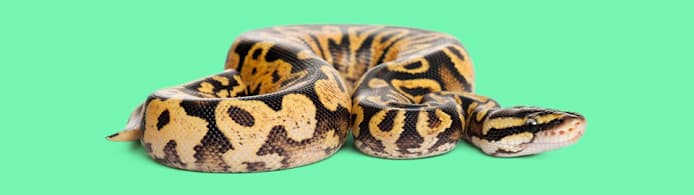
Search Petco for treatment for scale rot on your reptile. We can help you make sure your pet is always happy and healthy.
What Is Scale Rot in Reptiles?
Scale rot is a catch-all term for any bacterial or fungal dermatitis — skin infection or inflammation — that affects a reptile's scales, skin or shell. Despite the alarming name, it doesn't mean your reptile's skin is literally decaying; it describes a spectrum of skin conditions that range from mild surface irritation to deep tissue infection when left untreated. Merck Veterinary Manual
The single most common trigger is prolonged exposure to excess moisture combined with unsanitary habitat conditions. When a reptile spends too much time on wet or soiled substrate, bacteria and fungi find an easy entry point through small cuts, abrasions or even healthy skin — and an infection takes hold. Merck Veterinary Manual
Scale Rot Is an Umbrella Term — Here's What It Covers
"Scale rot" actually describes several related conditions depending on where the infection appears:
- Skin/scale rot — the most common form; presents as discolored, soft or blistered scales anywhere on the body
- Mouth rot (infectious stomatitis) — infection of the gum tissue and mouth lining; look for swelling, mucus or reddening around the mouth
- Shell rot — seen in turtles and tortoises; affects the scutes (the individual plates of the shell), causing pitting, soft spots or foul odor
Recognizing which form your reptile may have helps you describe symptoms clearly to your veterinarian — and act quickly before the condition progresses.
Why Reptile Skin Infections Deserve Your Attention
Reptiles are remarkable animals. They span an enormous range of species with varied diets — carnivorous, herbivorous and everything in between — and equally varied behaviors, from burrowing and tree climbing to swimming. That biological diversity is part of what makes reptile care so rewarding, and also why their health needs can feel unfamiliar at first.
Unlike the illnesses most pet parents recognize in cats and dogs, reptile skin conditions don't always look urgent in their early stages. A reptile's stoic nature means he or she may show few outward signs of discomfort until an infection is well established. That's why knowing what scale rot looks like — and what causes it — is one of the most important things you can do for your reptile's long-term wellbeing.
The bottom line: Scale rot is preventable in most cases. Understanding its causes, spotting its symptoms early and maintaining a properly set up habitat are your best tools — and your veterinarian is your partner whenever symptoms appear or worsen.
What is scale rot?
Scale rot is a catch-all term that typically describes dermatitis (skin inflammation) that can occur in a reptile as a result of infection, injury, or other illnesses. Scale rot can vary from mild to moderate to severe. Mild scale rot may be caused by improper conditions in your pet’s habitat. A combination of high humidity levels and lower temperatures can create a breeding ground for bacteria within a habitat. In nature, reptiles regulate their body temperatures by basking in the sun to warm up and hiding in the shade to cool down. They also have access to varying levels of humidity. As pets, reptiles’ options for different environmental temperatures and humidity levels are much more limited.
With high humidity, excess moisture can significantly contribute to the development of scale rot, especially in snakes. Ball python scale rot often occurs when ball pythons are housed in excessively moist conditions. These reptiles’ native habitats are the drier regions of Africa, so they are not typically subject to conditions of high humidity. Because water particles tend to disperse quickly and widely in enclosed spaces, they can cling to substrate and other ball python supplies in their habitats, making it hard for these snakes to dry out.
If moisture builds up in the bedding or other parts of the habitat that the snake is in contact with, it can become a breeding ground for bacteria, fungi and other organisms that can cause infection. Moisture can promote bacterial growth from any excess waste hiding in the habitat. Bacteria and fungi also can grow on rotting food and will thrive in a humid environment. When these moist populations of bacteria and fungi come into contact with a reptile’s skin, they can get into the reptile’s scales, leading to the infection commonly referred to as scale rot. If left untreated, bacteria and fungi can spread from the reptile’s skin into their bloodstream and internal organs, potentially causing organ failure and death.
Snake scale rot is particularly common since snakes can’t always lift their bodies off the bacteria-laden substrate. Scale rot may occur along the entire length of their body in contact with substrate, if they regularly slither around in material that contains bacteria.
In lizards, scale rot commonly occurs on the tail, so it’s sometimes referred to as tail rot. Bearded dragon tail rot is a commonly seen condition due to this species’ need for low environmental humidity.
In moist conditions, damage to any scale can serve as an entry for bacteria into the skin, leading to scale rot. Therefore, it’s important to keep an eye on your pet and treat any broken or damaged scales before infection develops.
Identifying scale rot
Reptiles can be resilient pets, and many forms of mild scale rot can be dealt with quickly and simply. However, early detection and treatment is key in preventing it from being a substantially worse problem. Here are some symptoms to look for to help you catch this condition early:
Discoloration: Any abnormally dark scales on your pet reptile could be an indication of scale rot, especially on the tail and areas most likely to come in contact with bacteria in substrate or waste.
Swollen or raised scales: These can indicate inflammation or infection underneath your pet’s abnormal-looking scales and that scale rot is developing.
Blisters: These will appear as small bumps on the surface of your pet’s scales that develop in response to exposure to excess moisture. They can occur in the early stages of scale rot. While they are initially filled with clear, sterile (bacteria-free) fluid, bacteria may enter fluid-filled blisters, leading to the development of cream-colored pus inside.
Treatment of scale rot
As mentioned above, the main cause of scale rot is suboptimal living conditions, so giving your pet’s habitat a thorough cleaning and adjusting humidity levels are good first steps in trying to prevent scale rot from developing. This means completely cleaning out feces and uneaten food regularly, fully sterilizing the habitat and décor and frequently replacing the bedding. Temporarily placing your pet in a dry enclosure with optimal temperatures while adjusting their habitat may also help reduce symptoms of lizard and snake scale rot.
If your pet is showing signs of scale rot, they should be examined by a veterinarian. When it comes to treatment, mild scale rot can often be treated at home. Your veterinarian will perform a full physical on your pet to determine the severity of the condition. If your vet thinks the case is benign enough to treat yourself, there will likely be two steps.
The first step is to tend to the blisters. Iodine-based antiseptics and antimicrobial liquids can help clean the blisters to make sure they don’t become infected while the scales beneath them heal. It is important to keep blisters well-moisturized and intact, as ruptured blisters are at a higher risk for collecting bacteria that lead to infection.
Veterinarians commonly prescribe antibiotics in cases of moderate to severe scale rot. Depending on how advanced the decay is, topical, injectable or oral medications may be used. Consult your veterinarian before administering any drug, as antibiotic doses and recommendations can differ from reptile to reptile. Bearded dragon antibiotics can be quite different from ball python antibiotics, so you want to make sure you’re providing the proper treatment.
In severe cases, your vet may have to surgically remove scale rot from your pet’s skin, which can be a complicated, risky and sometimes expensive procedure. This is why prevention of scale rot can be so crucial. To prevent scale rot from coming back after treatment, commit to removing all waste and spilled water from the enclosure daily and to thoroughly cleaning the enclosure at least once every two weeks. Ensure the temperature and lighting in your reptile’s habitat is optimal for their species to help prevent excess moisture accumulation.
Mouth rot
Reptile mouth rot (also called stomatitis) is similar to scale rot—but with a few key differences. Mouth rot has multiple possible causes, including poor nutrition, trauma to the mouth, inappropriate habitat temperature and humidity, stress from overcrowded or dirty conditions and immune system compromise from other underlying conditions. Instead of developing blisters, affected reptiles develop swelling and possible discoloration in their mouths, typically along their gumlines. Their scales are not usually affected. Like scale rot, mouth rot typically involves bacterial infection in the mouth that can spread into the bloodstream and into the underlying jaw bones if left untreated. If mouth rot spreads to your reptile’s bones, it can quickly reach and affect vital systems and organs. Much like scale rot, it can be fatal if left untreated.
The first symptoms of mouth rot in reptiles typically include increased mucus and saliva in the mouth. If you suspect your scaly friend has mouth rot, you can attempt to gently open their mouth and look inside—either with tongs or your hands while wearing latex gloves. The gum tissue will typically change color, often becoming deeper red or yellow, and swell as mouth rot progresses, eventually exposing blood vessels and nerves that can make chewing very painful. Reptiles with severe mouth rot often eat little to nothing as a result.
While some types of scale rot can be treated at home, mouth rot is typically more complicated to treat and should always be performed under the direction of a veterinarian. Treatment typically involves injections or oral administration of antibiotics and pain-relievers, plus antiseptic mouthwashes. . Reptile mouth rot treatment is not as easily administered at home and is often better performed with the reptile at an animal hospital, at least initially, until the pet is less painful and more easily treated.
Shell rot
While scale rot can be caused by excess moisture exposure or wounds penetrating scales, shell rot is often caused by an infection developing from an injury to the shell. Bacteria in turtles’ water or tortoises’ bedding often enter penetrating shell wounds causing inflammation, infection and sometimes even abscesses in shells—all of which are considered different degrees of shell rot. Sometimes the lesions associated with shell rot are obvious, while other times, these lesions may not be visible and appear only as shell discoloration.
Turtle shells are composed of plates of keratin protein (called scutes) with living bone underneath. While these plates are like armor, protecting turtles and tortoises from harm, damage or infection underneath the scutes is common. A wound may penetrate the scutes and can easily spread to the bones underneath, then into the bloodstream to be carried to vital organs. Severe turtle shell rot, once it spreads like this, can be fatal.
If you notice shell discoloration or damage, it’s important to see your veterinarian right away for proper diagnosis and treatment, typically with antibiotics and antiseptic cleansers. Severe cases of shell rot may require surgical intervention by your vet. Keeping your turtle or tortoise in a clean habitat can be crucial for their recovery.
FAQs About Scale Rot
Yes, all reptiles—including snakes and lizards—have scales. They help reptiles in many ways, including protecting them and helping retain moisture. Even turtles, crocodiles and alligators have scales, although they are specifically called scutes in these species, and they have slightly different characteristics.
While there are a few different forms and causes of shell rot, this condition typically begins with shell discoloration. Your pet’s shell color may start to fade, or the shell’s texture may become softer or bumpier. Oddly colored spots may appear. As this condition progresses, severe turtle shell rot can actually eat through the outside of the shell, all the way through to the bone underneath.
Because shell rot has multiple causes, treatments can vary. Your veterinarian will prescribe the best treatment for your pet after examining them. Possible treatments include iodine or antibiotic ointments, more intensive oral or injectable antibiotic treatments and even surgery. It is important to consult your veterinarian for a thorough examination and appropriate diagnosis to ensure your reptile receives the most appropriate treatment.
Scale Rot Severity at a Glance
Use this quick-reference table to gauge where your reptile may fall on the scale rot spectrum. When in doubt, contact your veterinarian — early intervention almost always leads to a better outcome.
| Severity | Common Symptoms | Typical Causes | Treatment Urgency | General Approach |
|---|---|---|---|---|
| Mild | Slight discoloration on one or a few scales; small, clear fluid-filled blisters; no open wounds | Temporarily high humidity; brief contact with soiled substrate; minor scale damage | Monitor closely; veterinary call recommended within a few days | Thorough habitat cleaning; correct humidity and temperature; iodine-based antiseptic on blisters per vet guidance |
| Moderate | Spreading dark or discolored patches; raised or swollen scales; blisters turning creamy or opaque (pus forming); mild lethargy | Prolonged exposure to excess moisture or waste; bacterial or fungal overgrowth from chronically unclean habitat | Veterinary appointment within 24–48 hours | Habitat overhaul; temporary dry enclosure; veterinarian-prescribed topical or oral antibiotics likely needed Merck Veterinary Manual |
| Severe | Large areas of blackened, necrotic (dead) tissue; open sores or ruptured blisters; significant swelling; visible tissue decay; lethargy or appetite loss | Advanced bacterial or fungal infection that has penetrated deeper skin layers; infection risk of spreading to bloodstream and internal organs | Emergency veterinary care — do not wait | Prescription antibiotics (topical, oral or injectable); possible surgical debridement or tissue removal; intensive supportive care directed by your veterinarian Merck Veterinary Manual |
A note on species differences: Ball pythons are especially prone to moderate-to-severe scale rot because their native habitat in Africa is relatively dry — excess enclosure humidity hits them hard. Bearded dragons and other lizards most commonly develop scale rot on the tail (sometimes called tail rot), while snakes may show lesions along the entire length of the body that contacts substrate.
Frequently Asked Questions
What does scale rot look like in its earliest stages? The first signs are typically abnormally dark or discolored scales and small, clear blisters on the skin's surface. Because these early changes can be subtle, make a habit of doing a gentle, close visual check of your reptile during routine handling. Early detection is the single most important factor in keeping scale rot from progressing.
Can scale rot heal on its own without treatment? Mild cases may improve once habitat conditions are corrected — humidity lowered, enclosure cleaned and waste removed — but scale rot does not reliably resolve without intervention. Bacteria and fungi can spread from the skin into the bloodstream if left unaddressed, potentially causing organ failure. Always consult your veterinarian before deciding to manage any case at home. Merck Veterinary Manual
Is scale rot contagious to other reptiles or to people? The bacteria and fungi that cause scale rot thrive in poor enclosure conditions rather than spreading like a classic contagious disease, but housing multiple reptiles in the same unclean habitat does put all of them at risk. As a general hygiene practice, wash your hands thoroughly after handling any reptile or cleaning its habitat. For specific guidance on zoonotic risk, speak with your veterinarian. the AVMA
How do I prevent scale rot from coming back after treatment? Commit to removing all waste and spilled water from the enclosure every day, and do a full enclosure cleaning at least once every two weeks. Dial in the temperature gradient and humidity level that is correct for your specific species — what works for a ball python will differ from what a bearded dragon needs. Your veterinarian or a knowledgeable Petco associate can help you confirm the right parameters.
What is the difference between scale rot and mouth rot? Scale rot (dermatitis) affects the skin and scales across the body, most often triggered by excess moisture and bacterial or fungal overgrowth. Mouth rot (stomatitis) is a related but distinct condition that causes swelling and discoloration along the gumline inside the mouth, and can stem from poor nutrition, mouth trauma, stress or immune compromise — not just humidity. Both conditions require veterinary evaluation. Merck Veterinary Manual
When should I go straight to an emergency vet rather than waiting for a regular appointment? Seek urgent care if you notice large areas of blackened or necrotic tissue, open wounds that won't stop weeping, significant swelling, or if your reptile has stopped eating and is visibly lethargic. These are signs that infection may be advancing toward the bloodstream and internal organs — a situation where hours matter. The ASPCA Animal Poison Control Center (888-426-4435) can also provide guidance if a toxic substance may be involved in your pet's condition. the ASPCA
This article was created with assistance from AI tools and reviewed for accuracy by Petco's content team.


