


Two Easy Ways to Start Earning Rewards!
Become a member today! Members-only pricing and offers, personalized care notifications, Vital Care points back on every purchase and more!
 Become a credit card member today!
Earn 2X Pals Rewards points at Petco
when you use Petco Pay!APPLY NOWLearn More About Petco Pay Benefits
What Do Reptiles Eat? Full Feeding Guide by Species
Published on August 17th, 2022
Updated on July 16th, 2026

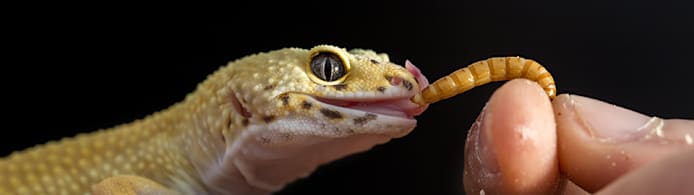
Do you have questions about what to feed a reptile? Petco has the answers! Visit us to learn about reptile dietary needs.
One of the most ancient vertebrates in the world, reptiles once dominated the landscape and can still be found in nearly every ecosystem on the planet. Many reptiles make excellent pets for pet parents of all ages and experience levels. Part of choosing the right one for your home is understanding a reptile’s nutritional needs.
With more than 11,000 unique reptile species, the possible food for reptiles runs the gamut. Even within a single type of reptile—like lizards—you can find insectivores, omnivores and even a few herbivores and carnivores.
When considering reptile food, the proper cuisine will depend upon the specific dietary needs of your pet. With that in mind, let’s look at the eating habits of lizards, turtles, snakes and tortoises.
What do lizards eat?
As a group, lizards are incredibly diverse in size, appearance and eating habits. Most lizards are insectivores, meaning they only eat insects and invertebrates, or omnivores, meaning they can eat both meat and plants. Insectivores include leopard geckos, anoles and African fat tail geckos, to name a few. Meanwhile, bearded dragons, blue-tongued skinks and crested geckos fall into the omnivore group. A few species of lizards—like the green iguana—are herbivores and only eat plant matter. You can also find a few meat-eaters—or carnivores—such as monitors in the lizard family.
It’s critical to research the dietary needs of the lizard you want to add to your family. A diet that works for one species of lizard may not work for a different species.
When it comes to live food for reptiles, lizards typically love to crunch down on:
- Crickets
- Roaches
- Waxworms
- Hornworms
- Silkworms
- Butter worms
- CalciWorms
- Nightcrawlers
- Mealworms
- Superworms
Some of the most nutritious food for many reptiles—including omnivorous lizards—are dark, leafy vegetables. You’ll also want to vary your pet’s veggie dish with some of the following, so they can enjoy a diverse range of nutrients.
- Kale
- Collard greens
- Mustard greens
- Red leaf lettuce
- Green leaf lettuce
- Romaine lettuce
- Turnup greens
- Dandelion greens
- Carrot tops
- Carrots
- Squash
- Sweet potatoes
When considering your reptile’s food, think of fruit as a dessert or special treat. It should only be fed to omnivores in small quantities.
- Apples
- Pears
- Bananas
- Blueberries
- Strawberries
- Peaches
- Papayas
There are also plenty of things that seem like they could be possible food for reptiles but can actually be harmful or not contain the proper nutrients needed for your pet. Do NOTfeed your reptile:
- Fireflies
- Avocado
- Iceberg lettuce
- Eggplant
- Garlic
- Onion
- Ticks
- Celery
- Anything from your yard
When it comes to providing live food for reptiles, resist the temptation to catch a few crickets in your backyard and drop them into your lizard’s habitat. You don’t know if those crickets have ingested pesticides that could be dangerous to your pet.
Supplements for lizards
Many lizards cannot get all the vitamins and minerals they need through reptile food alone. Depending on the species, they often need calcium with or without vitamin D3 and a multivitamin supplement. You can purchase calcium, combination calcium with D3 powder and a multivitamin at your local Petco Pet Care Center. Just sprinkle it on your pet’s meal before putting it in your reptile’s habitat.
Vita-Bugs are raised on a diet that helps them maintain increased vitamins and nutrients such as vitamin E, beta-carotene, and omega-3 and -6 fatty acids to provide your reptile with a healthier insect option. Lizard pet parents can also take the extra step of gut loading live food for reptiles. This simply means feeding your insects a commercially available food for insects that is packed with vitamins and nutrients to benefit your reptile once consumed.
How often to feed your lizard
An adequate feeding schedule depends on the specific lizard you add to your family. Juvenile lizards need to be fed daily or even multiple times a day, and adult lizards often require one feeding per day or every other day, depending on the species. Never provide more crickets than your lizard can consume in a single feeding and discard vegetables and fruits that are not eaten within 10 to12 hours.
What do turtles eat?
Watching your turtle explore their habitat or swim around their home can be a simple joy, but these reptiles have particular habitat and dietary needs. Most pet turtles—like red-eared sliders and Eastern box turtles—are omnivores, so the right reptile food for them is a mixture of meat, plants and fruit.
You can find live insects as food for reptiles at most Petco Pet Care Centers and on petco.com. Do not feed your pet insects from your yard since they may have been exposed to pesticides and other chemicals. Another option is commercially made turtle pellets and treats, which help provide a nutritionally balanced diet. Appropriate turtle food includes:
- Crickets
- Nightcrawlers
- Mealworms
- Hornworms
- Wax Worms
- Pelleted turtle food
- Freeze-dried insects
- Freeze-dried shrimp (as an occasional treat)
Like lizards, turtles do well with lots of the following vegetables as reptile food—especially dark, leafy greens. The proper ratio of plant matter to meat will depend on your turtle’s species and age.
- Romaine lettuce
- Red leaf lettuce
- Green leaf lettuce
- Kale
- Collards
- Dandelions
- Mustard greens
Consider these fruits to be a special treat or a yummy dessert. Feed them to your turtle only in moderation.
- Apples
- Cantaloupe
- Bananas
- Berries
- Mango
The list of foods to avoid giving your turtle may be short, but pet parents should NOTfeed their turtles:
- Avocado
- Rhubarb
- Tomato leaves
How often to feed turtles
Feed your juvenile or adult turtle once a day and consult your veterinarian to determine the right ratio of plant matter to meat.
How much to feed your turtle
The amount of reptile food you feed your turtle will depend on your pet’s species and size. Aquatic turtles can be given the amount of food that they can consume in 20 minutes. For a land turtle, you can leave food in their enclosure for several hours as they tend to graze throughout the day. Talk to your vet about appropriate portion sizes. Discard vegetables and fruits not eaten within 10 to 12 hours and remove any excess food not eaten from an aquatic habitat to prevent negatively affecting the water quality.
What do snakes eat?
Snakes make great pets for many households. However, those who may be considering adding a snake to the family need to make sure they are comfortable with their pet’s dietary needs.
Snakes are carnivores through and through. The most common reptile food for snakes is mice and rats of various sizes. These days, most pet parents prefer to purchase frozen mice and rats rather than feeding live prey to their pets. Frozen mice and rats just need to be thawed and warmed properly to room temperature before being fed to your snake. Do NOT warm them up in a microwave.
Should you consider live food for reptiles? It’s not advisable. A live mouse or rat could scratch or bite your snake and cause serious (even fatal) injuries to your pet—especially if the wound becomes infected. Additionally, live foods may have internal or external parasites; the freezing process removes most parasites that may be harmful to your reptile. It is recommended that you purchase frozen rodents and convert any snakes who are not actively feeding on thawed frozen rodents.
How often to feed your snake
Younger snakes need to be fed once a week. Possible food for reptiles like juvenile snakes can vary between pinkies, fuzzies and hoppers, depending on the species and the size of your snake. As your snake matures, you should provide food for them every week or every 10 days, depending on their species, size and activity level. Make sure to feed size-appropriate prey that is no bigger than the widest part of your snake’s body.
There are a number of factors, such as temperature and humidity, whether they are about to shed, etc., that can affect your snake’s interest in feeding. If your snake does not immediately show interest in eating, there are a number of methods you can employ such as using tongs to wiggle the prey. If your snake ultimately does not eat, remove the prey from the feeding container and discard. Never attempt to reuse an already thawed frozen rodent.
What do tortoises eat?
These reptiles come in many sizes and can live for 60-plus years. Adding a tortoise to your home could potentially be a life-long commitment. Most tortoises are herbivores, meaning they prefer to spend their day munching on reptile food that includes a range of greens, vegetables and flowers in addition to a commercial tortoise diet. Providing a nutritionally balanced, varied diet will help ensure your tortoise benefits from all of the vitamins and nutrients they need to remain healthy. Other plant matter tortoises typically enjoy can include:
- Grass
- Hay
- Dandelions
- Hibiscus leaves/flowers
- Rose petals
- Prickly pear cactus
- Alfalfa
- (Although it’s not recommended, if you do feed grass, plants or flowers from your yard, use caution as chemicals or pesticides can be fatal to your tortoise.)
You can find suitable types of hay for your tortoise at Petco Pet Care Centers and at petco.com.
Leafy green vegetables like the following are among the most nutritious foods for reptiles like tortoises. For example, Romain lettuce is far richer in vitamins and minerals than iceberg lettuce.
- Romaine lettuce
- Kale
- Green leaf lettuce
- Red leaf lettuce
- Mustard greens
- Collard greens
- Carrot tops
- Beet greens
- Dandelion greens
The majority of tortoise species can eat fruit, but this should be a treat and make up less than 10 percent of their daily diet.
Do NOTfeed your tortoise these common garden plants, fruits and vegetables, as they can be harmful
- Peas
- Beans
- Avocado
- Eggplant
- Citrus fruits
- Holly
- Ivy
- Iris
- Nightshades
- Buttercups
- Daffodil
- Ficus
- Azalea
- Begonia
This is far from a complete list of plants and foods that could make your tortoise ill, so always do your research before offering a new diet to your tortoise.
Supplements for tortoises
Many tortoises require supplemental vitamins and minerals to thrive. Most commonly, they need calcium with vitamin D3 and a multivitamin to promote proper bone and shell growth. You can purchase these supplements at most Petco Pet Care Centers and then sprinkle them over your reptile’s food.
How often to feed your tortoise
This topic is a point of contention among many tortoise pet parents. The correct answer will depend on your tortoise’s size and activity level. Generally speaking, juvenile tortoises need to be fed every day. Adult tortoises can be fed four to five days per week. Keep in mind that tortoises are grazing animals, so it may take them a while to finish the food provided, however, vegetables and fruits that are not consumed within 10 to 12 hours should be discarded.
As always, consult your vet to determine the proper amount of food and the right ratio of greens to vegetables for your particular pet.
Looking to adopt a reptile?
Reptiles can make wonderful pets, but before you add a tortoise to your household look at each species’ adult size and habitat requirements. Make sure you purchase all the solutions they need for a comfortable and happy home. That includes a suitable reptile habitat, décor, heat, UV lighting, substrate, calcium, vitamins and other supplies. And, of course, make sure to stock up on the right reptile food for your lucky pet.
Reptile Diet Quick-Reference Guide
Use this table to get a fast overview of what each common pet reptile eats. Always research the specific species you share a life with, since dietary needs can vary significantly even within the same reptile group. Merck Veterinary Manual
| Reptile Type | Dietary Category | Primary Food Sources | Common Treats (limit these) | Key Foods to AVOID |
|---|---|---|---|---|
| Insectivore lizards (leopard gecko, anole, African fat-tail gecko) | Insectivore | Crickets, roaches, mealworms, waxworms, hornworms, silkworms, CalciWorms, superworms | Waxworms, butterworms (high fat) | Fireflies, ticks, anything caught in your yard |
| Omnivore lizards (bearded dragon, blue-tongued skink, crested gecko) | Omnivore | Crickets, roaches, dark leafy greens (collard greens, kale, mustard greens, dandelion greens), squash, carrots, sweet potatoes | Apples, pears, blueberries, strawberries, papaya, peaches (small amounts only) | Avocado, iceberg lettuce, eggplant, garlic, onion, celery, fireflies |
| Herbivore lizards (green iguana) | Herbivore | Dark leafy greens, turnip greens, carrot tops, red and green leaf lettuce, romaine, squash | Fruit in very small quantities | Insects, meat, avocado, onion, garlic |
| Carnivore lizards (monitor lizards) | Carnivore | Appropriately sized prey items; consult your veterinarian for species-specific guidance | N/A | Live prey from your yard (pesticide risk) |
| Omnivore turtles (red-eared slider, Eastern box turtle) | Omnivore | Crickets, nightcrawlers, mealworms, hornworms, wax worms, pelleted turtle food, freeze-dried insects, dark leafy greens (kale, collards, romaine, mustard greens, dandelion greens) | Apples, cantaloupe, bananas, berries, mango, freeze-dried shrimp (occasional) | Avocado, rhubarb, tomato leaves |
| Snakes (ball python, corn snake, king snake) | Carnivore | Frozen-thawed mice and rats (appropriately sized to the snake); never microwave to thaw | N/A | Live rodents (injury and parasite risk), wild-caught prey |
| Tortoises (Russian tortoise, sulcata) | Herbivore | Dark leafy greens, grasses, hay, dandelion greens, collard greens, turnip greens, squash | Fruit very sparingly (high sugar) | Avocado, rhubarb, high-oxalate foods such as spinach |
A note on supplements: Most pet reptiles — regardless of dietary category — benefit from calcium and vitamin D3 supplementation dusted onto their food, since captive diets and indoor lighting rarely replicate the full nutritional spectrum available in the wild. Ask your veterinarian which supplement regimen is right for your specific reptile. Merck Veterinary Manual
Frequently Asked Questions
What do reptiles eat as a general rule? There is no single answer — reptile diets span the full spectrum from strict herbivores (green iguanas, tortoises) to strict carnivores (snakes, monitor lizards) to omnivores (bearded dragons, most turtles). The right diet depends entirely on the species, so always research your specific reptile's nutritional needs before bringing one home. Merck Veterinary Manual
Can reptiles eat fruits and vegetables from my kitchen? Many omnivorous and herbivorous reptiles can enjoy a variety of fresh vegetables and limited fruit, but not everything in your kitchen is safe. Avocado, onion, garlic and rhubarb are toxic to reptiles and should never be offered. Iceberg lettuce provides almost no nutritional value. Stick to dark, leafy greens like collard greens, kale and mustard greens as dietary staples, and treat fruit as an occasional small reward. the ASPCA
Is it safe to feed my reptile insects caught from the backyard? No. Wild-caught insects — including crickets, roaches and fireflies — may have been exposed to pesticides, herbicides or other chemicals that can seriously harm your reptile. Fireflies in particular are toxic to many lizards and should never be fed under any circumstances. Always purchase feeder insects from a reputable source such as a Petco Pet Care Center or petco.com. the ASPCA
Do reptiles need vitamin and mineral supplements? Most pet reptiles cannot meet all of their nutritional needs through food alone, particularly in a captive setting. Calcium (with or without vitamin D3) and a multivitamin are commonly recommended for lizards and many other reptiles. The specific supplement protocol will vary by species, age and the type of lighting in your reptile's habitat — consult your veterinarian to build the right plan for your pet.
Should I feed my snake live prey? Reptile care specialists strongly advise against feeding live rodents to snakes. A live mouse or rat can scratch or bite your snake, causing serious or even fatal injuries, and live prey may carry internal or external parasites. Frozen-thawed rodents are the recommended choice: thaw them to room temperature before feeding, and never use a microwave to warm them. Merck Veterinary Manual
How do I know if my reptile is getting the right nutrition? Signs of nutritional deficiency in reptiles can include lethargy, soft or deformed bones, poor skin condition and loss of appetite — but many problems are not visible until they are advanced. The most reliable way to confirm your reptile is thriving is through regular wellness visits with a veterinarian experienced in exotic and reptile medicine.
This article was created with assistance from AI tools and reviewed for accuracy by Petco's content team.
Related Articles


