


Two Easy Ways to Start Earning Rewards!
Become a member today! Members-only pricing and offers, personalized care notifications, Vital Care points back on every purchase and more!
 Become a credit card member today!
Earn 2X Pals Rewards points at Petco
when you use Petco Pay!APPLY NOWLearn More About Petco Pay Benefits
How Do Chameleons Change Color? A Complete Guide
Published on February 3rd, 2023
Updated on June 18th, 2026

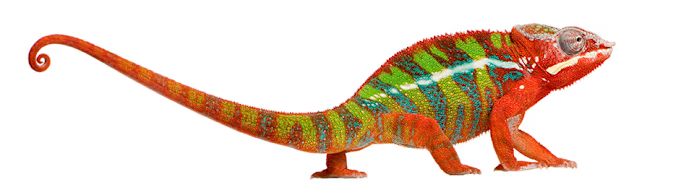
Chameleons are a type of lizard that can change their color to match the environment. They have a complex interaction between hormones, which can help them camouflage.
How Do Chameleons Change Color?
Chameleons change color through a remarkable biological system of specialized pigment cells called chromatophores — and the process happens faster than you might expect. When a chameleon experiences a shift in mood, temperature or social situation, its nervous system sends signals to these cells, triggering them to expand or contract. That physical change alters which pigments are visible at the skin's surface, producing the dramatic color shifts chameleons are famous for.
The Chromatophore Layers: How the Mechanism Works
A chameleon's skin is built in distinct layers, each containing a different type of chromatophore loaded with a specific pigment. Think of it like a living color-mixing system:
| Skin Layer (deepest to outermost) | Cell Type | Pigment Colors |
|---|---|---|
| Deepest layer | Melanophores | Browns |
| Second layer | Iridophores | Blues and greens |
| Third layer | Xanthophores | Vivid yellows |
| Outermost layer | Erythrophores | Reds |
By signaling specific layers to expand or contract simultaneously, the chameleon's nervous system blends these pigments the way a painter mixes colors — producing an almost limitless range of hues from a single animal. This is why a chameleon can shift from a calm, leafy green to a blazing orange-red in moments.
Beyond the pigment cells themselves, chameleons also have some truly distinctive physical traits worth appreciating: a prehensile tail that grips branches for climbing, and monocular vision that lets each eye move and focus independently. But it's the color-changing ability that makes them one of the most captivating pet reptile species available.
Do All Chameleons Change Color?
Yes — all chameleons can change hues, though the range and vibrancy of colors varies considerably by species, sex and age. With more than 100 chameleon species originating mainly from Madagascar, Africa and Asia, there's meaningful variety in what that color change looks like in practice.
Sex plays a significant role. Male chameleons undergo the most dramatic color changes and display the brightest hues. Females experience subtler shifts and tend toward more muted tones overall.
Here's a closer look at three popular pet species and what to expect from their color displays:
Panther Chameleon
The panther chameleon offers some of the most vivid colors of any chameleon kept as a pet. Males grow up to 20 inches long in the wild — though they tend to stay a bit smaller in a home habitat — and their coloration can span blue, red, green, yellow and orange. The specific shades a panther chameleon displays are partly determined by which subspecies lineage from Madagascar it descends from. Panther chameleons develop their color-changing ability as they reach sexual maturity and may not hit their full color-changing potential until adulthood.
Veiled Chameleon
Veiled chameleons don't produce the jewel-bright tones of panther chameleons, but their colors are still striking. They're most recognizable by the bony protrusion on top of their heads called a casque — a crown-like structure that channels rainwater toward their mouths, an adaptation that likely evolved because these chameleons originated in the water-scarce deserts of Saudi Arabia and Yemen. Female veiled chameleons display more subdued colors than males and have smaller casques, reflecting the general size difference between the sexes. Males may have developed larger casques partly to signal fighting ability to rivals.
Jackson's Chameleon
Jackson's chameleons start life in shades of brown and transition to greens, teals, blacks and yellows around four to five months of age. Males tend toward brighter hues with blues and yellows, and they carry three prominent horns on their heads — a feature so distinctive that they're sometimes called three-horned chameleons.
Why Do Chameleons Change Color? (It's Not Camouflage)
Here's the most common misconception about chameleons: despite what cartoons and TV shows suggest, chameleons do not primarily change color to camouflage themselves. A chameleon's baseline coloration already helps it blend into its surroundings. The real reasons for color change are more nuanced — and more interesting.
1. Temperature Regulation
Chameleons are ectothermic, meaning they cannot regulate their own body temperature internally. Color change is one of the tools they use to manage heat:
- A cold chameleon may darken its skin to absorb more heat from sunlight.
- A hot chameleon may lighten its skin to reflect sunlight and reduce heat absorption.
This is why providing your pet chameleon with both a warm basking area and a cooler zone in its habitat is so important — it allows the animal to thermoregulate by moving between zones, not just by changing color. Temperature requirements vary by species, so always research the specific needs of your chameleon.
2. Mood and Communication
Color change is also a primary communication tool, especially among males. Understanding what your chameleon's colors are telling you is one of the most valuable skills a chameleon pet parent can develop.
| Color Signal | What It May Indicate |
|---|---|
| Bright reds, blues, greens | Excitement or dominance display |
| Darker, deeper tones | Aggression or stress |
| Black (especially around the throat) | Feeling threatened, angry or potentially ill |
| Neutral light greens, blues or browns | Relaxed and content |
Males use these color signals to assert dominance over rival males, defend territory and communicate their emotional state. Females display color changes too, though more subtly.
When to call your vet: If your chameleon's color remains very dark or black for an extended period — and you've already confirmed that habitat temperatures and lighting are correct — schedule a visit with a reptile-knowledgeable veterinarian. Prolonged dark coloration can be a sign that something is wrong.
3. Social Signaling
Beyond dominance displays, color change helps chameleons signal their readiness to mate, their submission to a more dominant animal and their general social status within their environment. It's a sophisticated, full-body communication system that makes chameleons genuinely unlike any other lizard.
Understanding how and why chameleons change color gives you a real window into your pet's wellbeing. When you learn to read those color cues — and pair that knowledge with a properly set-up habitat — you're giving your chameleon the best possible foundation for a comfortable, enriched life.
Frequently Asked Questions
Do all chameleons change color? Yes — all chameleon species can shift hues to some degree, though the range and vibrancy vary widely by species and sex. Males typically display far brighter, more dramatic color shifts than females, whose changes tend to be subtler and more muted.
How fast do chameleons change color? A chameleon can complete a full color shift in as little as 20 seconds, though the speed depends on the intensity of the trigger — a sudden threat or a rival male nearby tends to produce the fastest response. Gradual temperature-related shifts happen more slowly.
What colors can chameleons turn? The palette depends on the species. Panther chameleons are among the most vivid, cycling through blue, red, orange, yellow and green. Veiled chameleons display greens, yellows and browns with banded patterns. Jackson's chameleons work primarily in greens, teals, blacks and occasional yellows. No chameleon can reproduce every color — the range is set by the pigment layers present in that individual's skin.
Is color-changing really about camouflage? Primarily, no. A chameleon's resting coloration already provides solid camouflage in its habitat. Active color changes serve two main purposes: thermoregulation (darkening to absorb heat, lightening to reflect it) and communication — signaling dominance, stress, readiness to mate or territorial aggression to other chameleons.
What does it mean if my chameleon turns very dark or black? Sustained dark or black coloration — especially around the throat — can indicate that your chameleon feels threatened, is under significant stress, or may be unwell. If the dark color persists after you've confirmed that habitat temperatures and lighting are correct, consult your veterinarian promptly, as prolonged stress or illness requires professional evaluation.
Do baby chameleons change color the same way adults do? Not immediately. Jackson's chameleons, for example, are born brown and don't develop their characteristic greens and teals until around four to five months of age. Panther chameleons may not reach their full color-changing potential until sexual maturity. Color-change ability develops alongside the nervous system and pigment cells as the animal matures.
This article was created with assistance from AI tools and reviewed for accuracy by Petco's content team.
Related Articles


