


Two Easy Ways to Start Earning Rewards!
Become a member today! Members-only pricing and offers, personalized care notifications, Vital Care points back on every purchase and more!
 Become a credit card member today!
Earn 2X Pals Rewards points at Petco
when you use Petco Pay!APPLY NOWLearn More About Petco Pay Benefits
Aquarium Plant Nutrient Deficiency Chart & Guide
Published on December 8th, 2022
Updated on June 18th, 2026


Reviewed by Don Spaeth
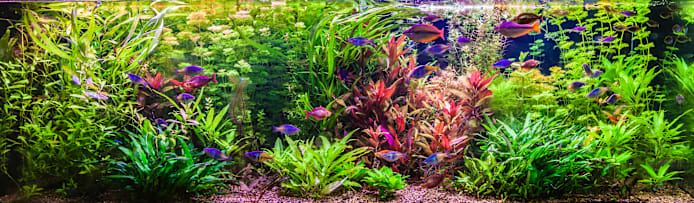
Are your aquarium plants nutrient deficient? Petco is here to help you identify different deficiencies such as light, nitrogen, co2, magnesium, iron and more.
Aquarium Plant Nutrient Deficiency Chart & Guide
Live plants bring color, movement and a sense of living ecosystem to any freshwater fish tank — whether you're keeping them alongside fish or building a dedicated planted display. But even a beautifully arranged aquascape can run into trouble. Aquarium plant nutrient deficiencies are among the most common challenges planted fish tank keepers face, and they almost always show up first in the leaves.
The good news: most deficiencies follow predictable visual patterns. Use the nutrient deficiency chart below as your first diagnostic tool. The sooner you identify what's missing, the sooner you can correct it and get your plants thriving again.
Aquarium Plant Nutrient Deficiency Chart
| Nutrient | Key Symptoms | Where It Shows First | Common Fix |
|---|---|---|---|
| Iron | Pale yellow leaves; veins stay dark; new growth fails to color up | New (young) leaves | Iron-specific liquid supplement |
| Magnesium | Overall yellowing; pale patches between leaf veins | Older leaves first | Balanced fertilizer; magnesium supplement |
| Calcium | Crinkled, distorted or cupped leaves; stunted new growth | New growth tips | Calcium-rich mineral supplement |
| Zinc | Yellow spots on leaves; noticeably stunted growth | Leaf surface (spotty) | Comprehensive fertilizer (deficiency is rare) |
| Potassium | Yellow and brown spots ("polka dots"); holes developing in leaves | Leaf edges and surface | Liquid potassium supplement |
| CO₂ | General failure to thrive; slow growth; dull coloration | Whole plant | CO₂ kit (run only while aquarium light is on) |
| Light | Pale or yellowing leaves; leggy, stretched stems; poor photosynthesis | Whole plant | Full-spectrum aquarium lamp; multiple fixtures for larger fish tanks |
Quick tip: Many deficiencies share overlapping symptoms — yellowing in particular can point to iron, magnesium or potassium issues. When in doubt, start with a broad-spectrum liquid fertilizer to raise overall nutrient levels before targeting a single supplement.
Understanding Each Deficiency
Iron deficiency Iron is one of the most frequently seen aquarium plant nutrient deficiencies. It causes leaves to turn pale yellow while the veins remain visibly darker — a pattern called interveinal chlorosis. New leaves are the first to show it, and they often fail to develop their intended color entirely. An iron-specific liquid supplement is usually the most direct fix.
Magnesium deficiency Magnesium supports chlorophyll production, so a shortage shows up as yellowing leaves with pale patches. Unlike iron deficiency, magnesium problems tend to appear on older leaves first. A balanced fertilizer often resolves the issue; a dedicated magnesium supplement can help in more pronounced cases.
Calcium deficiency When a plant lacks calcium, new growth becomes crinkled, cupped or generally distorted in shape. Catching this early matters — plants that have deteriorated significantly may not recover even after calcium is restored. Adding a calcium-rich mineral supplement to your fish tank water is the standard correction.
Zinc deficiency Zinc deficiency is relatively rare in planted fish tanks but does occur. It presents as yellow spots scattered across leaf surfaces alongside noticeably stunted growth. A quality comprehensive fertilizer is usually sufficient to prevent and address it.
Potassium deficiency Low potassium produces one of the more distinctive symptom patterns: yellow and brown spots that look almost like polka dots, sometimes progressing to actual holes in the leaves. A liquid potassium supplement can raise levels relatively quickly.
CO₂ deficiency Plants depend on carbon dioxide to drive photosynthesis and produce vibrant color. Without enough CO₂, plants experience a general failure to thrive — slow growth, dull leaves and poor overall health. The right CO₂ level varies by plant species and the other inhabitants in your fish tank. A CO₂ kit is the most reliable way to supplement it. One important rule: run CO₂ only while your aquarium light is on, never during dark hours.
Light deficiency Without adequate light, plants simply cannot complete photosynthesis — no amount of fertilizer or supplementation will compensate. A full-spectrum aquarium lamp is the foundation of any healthy planted fish tank. Larger fish tanks often require multiple fixtures to ensure even coverage. Freshwater planted LED lights are a popular and energy-efficient choice for maintaining the intensity live plants need.
How to Prevent Aquarium Plant Nutrient Deficiencies
Catching a deficiency early is valuable, but preventing one from developing is even better. Start with the right foundation when you set up your fish tank.
Choose the right gravel or substrate Plain sand or gravel provides little nutritional value to plant roots. A plant-specific substrate — designed to release nutrients directly into the root zone — gives your plants a meaningful head start. Browse aquarium substrate and gravel options to find a formula suited to planted setups.
Fertilize consistently Liquid fertilizer is the backbone of long-term plant nutrition. Dose on a regular schedule and follow the product instructions carefully. If you miss a dose, skip it — never double up to compensate. Keep in mind that mature, established plants typically have higher nutrient demands than young ones, so adjust your dosing as your plants grow.
Follow these planted fish tank best practices:
- Maintain water temperature between 68°F and 82°F
- Keep pH in the 6.0–8.0 range (pH treatments can help you dial this in)
- Run aquarium lights for a minimum of 8 hours per day
- Perform water changes of 10–25% every two to four weeks, scaled to your fish tank size, to sustain clean, balanced water
- Research any new fish or invertebrates before adding them — some species will eat plant roots or leaves
- Use targeted supplements as needed to maintain the right nutrient balance alongside your regular fertilizer routine
Setting up your planted fish tank correctly from the start — with the right fish tank, substrate, lighting and fertilizer schedule — is the most reliable way to keep aquarium plant nutrient deficiencies from taking hold in the first place.
Aquarium Plant Nutrient Deficiency Chart: Symptoms, Causes & Solutions
Use this at-a-glance reference to quickly identify what your freshwater aquarium plants may be missing. Because several deficiencies share overlapping symptoms — yellowing leaves being the most common — cross-reference the location of discoloration and any secondary signs (holes, curling, stunted growth) before reaching for a supplement. When in doubt, a broad-spectrum liquid fertilizer is a reasonable first step.
| Nutrient / Factor | Visual Symptoms | Where Symptoms Appear First | Severity / Frequency | Primary Fix |
|---|---|---|---|---|
| Iron (Fe) | Pale yellow leaves; veins stay dark (interveinal chlorosis) | New, young growth | Common | Liquid iron supplement; check pH — iron becomes unavailable above 7.0 |
| Magnesium (Mg) | Yellowing between leaf veins; pale patches on older leaves | Older, mature leaves | Common | Balanced fertilizer with Mg; dedicated magnesium supplement if needed |
| Calcium (Ca) | Crinkled, cupped or distorted leaf edges; stunted new shoots | Growing tips and new leaves | Moderate | Calcium-rich mineral supplement added to the water column |
| Potassium (K) | Yellow or brown pinhole spots; holes that enlarge over time | Mid-canopy leaves | Common | Liquid potassium supplement; dose consistently on a set schedule |
| Zinc (Zn) | Yellow spots on leaves; noticeably stunted overall growth | Scattered across leaves | Rare | Comprehensive trace-element fertilizer |
| Carbon Dioxide (CO₂) | General failure to thrive; slow growth; dull or faded color | Whole plant | Common in planted tanks | CO₂ injection kit; run CO₂ only while aquarium light is on |
| Light | Leggy, stretched stems reaching toward the surface; pale or transparent leaves; algae outcompetes plants | Whole plant | Very common | Full-spectrum aquarium LED or lamp; minimum 8 hours on per day; add a second fixture for larger fish tanks |
Quick tip: Iron and magnesium deficiencies both cause yellowing, but iron affects new leaves first while magnesium targets older leaves. That single distinction can save you from treating the wrong problem.
Frequently Asked Questions
Why are my aquarium plant leaves turning yellow even though I use fertilizer? Yellowing despite fertilization often points to a pH imbalance rather than a true nutrient shortage — iron and other micronutrients become chemically unavailable to plant roots when pH drifts outside the 6.0–8.0 range. Test your water parameters first, then reassess your fertilizer dose.
How often should I fertilize live aquarium plants? Follow the dosing schedule on your specific fertilizer label and maintain a consistent routine. Mature plants generally require more nutrients than young ones, so adjust the dose as your plants grow — but never double-dose to make up for a missed application.
Can too much of a nutrient harm my aquarium plants or fish? Yes. Over-supplementing — particularly with iron or CO₂ — can stress both plants and the fish sharing the tank. Excess CO₂ in particular can lower dissolved oxygen levels, which is harmful to fish. Always follow product instructions and consult your veterinarian or an aquatic specialist if you notice fish showing signs of distress.
Is a plant-specific substrate really necessary, or can I use regular gravel? Plain gravel and sand provide little to no nutritional value for plant roots. A nutrient-rich, plant-specific substrate gives roots direct access to the minerals they need from the moment you set up your fish tank, reducing the likelihood of deficiencies developing over time.
How do I tell the difference between a nutrient deficiency and an algae problem? Nutrient deficiencies typically show up on the plant tissue itself — yellowing, holes, distortion or pale patches. Algae problems appear on surfaces (glass, décor, leaves) as green, brown or black film or fuzz. Both can occur simultaneously, especially when light or CO₂ levels are off-balance.
When should I call a veterinarian about my aquarium plants? Plants themselves don't require veterinary care, but if fish sharing the planted tank begin acting lethargic, gasping at the surface or showing unusual coloration alongside plant decline, consult your veterinarian promptly — a systemic water-quality issue may be affecting the whole aquatic environment.
This article was created with assistance from AI tools and reviewed for accuracy by Petco's content team.
Related Articles


FAQs about Aquarium Plant Nutrient Deficiencies
You may be able to identify problems by looking at the leaves of your plant, but determining the exact aquarium plant nutrient deficiency may require a water test. Use a testing kit to evaluate levels of nitrites, nitrates, water hardness, pH levels and more. When in doubt, switch to a plant-specific substrate and fertilizer to add more nutrients.
There are a few ways to fix nutrient deficiencies in an aquarium. Adding a nutrient-rich liquid fertilizer can replenish many nutrients, but you may also need CO2 aquarium kits, systems and accessories to remedy an aquarium plant nutrient deficiency.
A nitrogen deficiency first shows up in older leaves and usually indicates that your plant no longer has access to fertilizer. Consider increasing your liquid fertilizer dose to adjust for aging plants. As plants grow, they need more fertilizer to thrive.
An aquatic plant’s failure to thrive is usually due to a missing nutrient. Aquarium plant deficiencies can usually be rectified by adjusting the fertilizer and ensuring the water is clean. You may also need to add more CO2 or light, both of which are required for live plants to complete the photosynthesis process.
Make sure your plants are getting enough light and carbon dioxide. Aquarium lights should provide full-spectrum output, and if you don’t have a lot of other aquatic life in the habitat, your plants may not be getting enough CO2 to survive. You can also bring new life to yellowing plants by removing damaged leaves and starting a regular liquid fertilizer routine.