


Two Easy Ways to Start Earning Rewards!
Become a member today! Members-only pricing and offers, personalized care notifications, Vital Care points back on every purchase and more!
 Become a credit card member today!
Earn 2X Pals Rewards points at Petco
when you use Petco Pay!APPLY NOWLearn More About Petco Pay Benefits
Aquarium Sizes, Weights & Dimensions Guide
Published on March 5th, 2024
Updated on June 18th, 2026


Reviewed by Don Spaeth
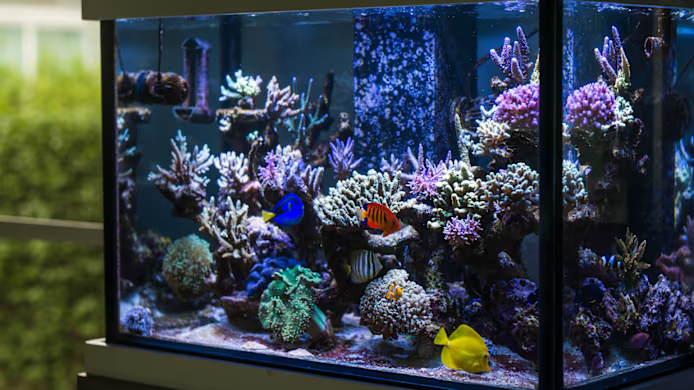
When choosing a new aquarium or moving to a new home you’ll want to know the dimensions, weight, and size of your tank to plan accordingly.
One of the easiest things to forget when choosing a new aquarium, or even moving to a new home with your current aquarium, is how much your aquarium will weigh when it’s complete, and often it’s a lot more than one would expect! Choosing the right stand, or even the right spot in your home to support that weight is critical for ensuring the security of the aquarium and avoiding disaster for both your new aquatic life, and your home.
To determine the weight of an aquarium, you’ll need to take into consideration the weight of the tank itself, gravel/substrate, décor, equipment, and of course the water. Below is a step-by-step guide for how to calculate the weight of your aquarium.
Tank Weight
Use the chart below to estimate the weight of your tank. The chart includes glass tanks sized 5.5-75 gallons.
- Example: A 10G tank weighs 11lbs.
Gravel/Substrate Weight
A good rule of thumb for determining gravel weight is 1 pound for every gallon. You can also use the chart below to estimate the weight of your gravel.
- Example: A 10G tank weighs 11lbs. The gravel in the tank will weigh approximately 10lbs. The tank and gravel combined are approximately 21lbs.
Water Weight
1 gallon of water weighs roughly 8.34lbs, and it’s recommended to round up to 10lbs per gallon to leave yourself a nice safety buffer. There will be displacement of water if you add gravel/substrate, but to be safe we recommend calculating 10lbs per gallon of water your tank can hold.
- Example: A 10G tank weighs 11lbs. The gravel in the tank will weigh approximately 10lbs. The water in a 10G tank will weigh approximately 100lbs. A 10G tank with gravel and water will weigh approximately 121lbs!
Décor and Equipment
Décor and equipment, such as the filter, can also influence the total weight of your aquarium. All chosen items should list the weight on the packaging, or you can look it up online. For equipment that houses water outside of the aquarium, such as a canister filter, don’t forget to check what volume of water it holds and calculate the additional water weight in as well!
Total Weight
The numbers in the chart below are a base guideline for glass aquariums, gravel/substrate, and water weight. Any additional equipment and décor will have their own individual weight that will need to be calculated into the total weight estimate. Even though the tank weights below are based on glass aquariums, you can use the same guideline for acrylic aquariums. Acrylic aquariums will weigh slightly less than glass, but it’s always best to over-estimate the weight rather than underestimate, so you’ll still be safe utilizing the weight chart below.
| Tank Gallons | Tank Dimensions (in) | Tank Dimensions (cm) | Tank Weight | Water Weight | Gravel Weight | Aquarium, Gravel & Water Weight |
|---|---|---|---|---|---|---|
| 5.5 | 16.50”L x 10.75”H x 8.75”W | 41.91L x 27.3H x 22.23W | 8lbs | 50.5lbs | 5.5lbs | 64lbs |
| 10 | 20.25”L x 12.625”H x 10.5”W | 51.44L x 32.08H x 26.67W | 11lbs | 100lbs | 10lbs | 121lbs |
| 15 | 25.00”L x 13.25”H x 13.25”W | 63.50L x 33.66H x 33.66W | 21lbs | 150lbs | 15lbs | 186lbs |
| 20 Long | 30.50”L x 13.0”H x 13.13”W | 77.47L x 33.02H x 33.35”W | 25lbs | 200lbs | 20lbs | 245lbs |
| 20 High | 25.00”L x 17.25”H x 13.25”W | 63.50L x 43.82H x 33.66W | 25lbs | 200lbs | 20lbs | 245lbs |
| 29 | 30.63”L x 19.0”H x 13.25”W | 77.80L x 48.26H x 33.66W | 40lbs | 290lbs | 29lbs | 359lbs |
| 40 | 36.19”L x 16.94”H x 18.25”W | 91.92L x 43.03H x 46.36W | 58lbs | 400lbs | 40lbs | 498lbs |
| 55 | 48.75”L x 21.25”H x 14.00”W | 123.83L x 53.98H x 46.36W | 78lbs | 550lbs | 55lbs | 683lbs |
| 75 | 49.00”L x 21.25”H x 19.50”W | 124.46L x 53.98H x 49.53W | 140lbs | 750lbs | 75lbs | 965lbs |
Aquarium Sizes, Weights & Dimensions: Full Specifications Chart
Choosing the right fish tank starts with understanding exactly how much space — and structural support — each size requires. The numbers below are the industry-standard specifications pet parents rely on when planning a new setup, from a compact desktop aquarium to a large show tank.
Standard Aquarium Dimensions & Weight Chart
| Tank Size (gallons) | Typical Dimensions (L × W × H, inches) | Empty Weight (lbs) | Filled Weight (lbs) |
|---|---|---|---|
| 2.5 | 12 × 6 × 8 | 3 | 27 |
| 5 | 16 × 8 × 10 | 7 | 62 |
| 10 (standard) | 20 × 10 × 12 | 11 | 111 |
| 15 | 24 × 12 × 12 | 21 | 170 |
| 20 (high) | 24 × 12 × 16 | 25 | 225 |
| 20 (long) | 30 × 12 × 12 | 25 | 225 |
| 29 | 30 × 12 × 18 | 40 | 330 |
| 37 | 30 × 12 × 22 | 45 | 415 |
| 40 (breeder) | 36 × 18 × 16 | 55 | 458 |
| 55 | 48 × 13 × 21 | 78 | 625 |
| 75 | 48 × 18 × 21 | 140 | 850 |
| 90 | 48 × 18 × 24 | 160 | 1,050 |
| 125 | 72 × 18 × 22 | 206 | 1,400 |
| 150 | 72 × 18 × 28 | 338 | 1,800 |
Important: Filled weight accounts for water only. Add gravel, sand, rocks, decorations and equipment — a fully dressed 55-gallon tank can easily exceed 700 lbs. Always confirm your floor and stand can support the total load before filling.
Why Aquarium Dimensions Matter as Much as Gallons
Gallon count alone doesn't tell the whole story. Two tanks can hold the same volume of water yet have very different footprints and heights — and that directly affects which fish can thrive inside.
- Length and width determine swimming room. Active species like danios and rainbowfish need horizontal length, not height.
- Height matters for tall-bodied fish (angelfish, discus) and for planted aquariums where light must penetrate to the substrate.
- Footprint (L × W) dictates how much gravel, sand or other aquarium substrate and gravel you'll need to cover the bottom at the recommended 1–2 inch depth.
- Surface area (length × width) governs gas exchange — oxygen in, carbon dioxide out. A wider, shallower tank often supports more fish than a narrow, tall one of equal gallons.
Floor Load: What Every Pet Parent Must Check First
Water weighs approximately 8.34 lbs per gallon. That means a filled 75-gallon tank tips the scale at roughly 850 lbs before a single piece of gravel goes in. Residential floors in the US are typically engineered to support 40–50 lbs per square foot, so placement matters enormously.
Before you fill any tank over 40 gallons:
- Identify whether the tank will sit parallel or perpendicular to floor joists — parallel to joists concentrates weight on fewer supports.
- Use a purpose-built aquarium stand rated for the tank's total filled weight.
- For tanks 75 gallons and larger, consider placing the stand against a load-bearing wall or consulting a contractor.
- Level the stand before adding water; even slight unevenness stresses glass seams over time.
Choosing the Right Size for Your Fish
| Setup Goal | Recommended Minimum Size | Why |
|---|---|---|
| First-time pet parent / beginner | 10–20 gallons | Easier water chemistry to maintain than nano tanks |
| Betta fish (single) | 5 gallons | Adequate swimming room; stable temperature |
| Community tropical fish (6–10 fish) | 29–40 gallons | Dilutes waste; reduces aggression territory |
| Cichlids or goldfish | 55+ gallons | High bioload; need robust filtration and space |
| Reef or saltwater display | 75+ gallons | Stable salinity and temperature swings are easier to manage |
| Breeding or grow-out | 40 breeder | Wide footprint maximizes bottom space for fry |
Smaller tanks — under 10 gallons — can look appealing on a desk, but they're actually harder to maintain because temperature and water chemistry fluctuate rapidly in low volumes. Beginners are often better served by a 10- or 20-gallon setup where small mistakes are more forgiving.
Quick-Reference: What Fits Where
- Desktop / countertop: 2.5–5 gallons — confirm the surface is rated for 30–65 lbs when filled.
- Standard furniture / dresser: Not recommended for any tank over 10 gallons; most are not engineered for concentrated, sustained weight.
- Dedicated aquarium stand: Required for 20 gallons and above; stands are sized to match standard tank footprints.
- In-wall or custom built-in: Requires a structural assessment; consult a contractor before installation.
Ready to find the right fit? Browse the full selection of aquariums and fish tanks at Petco, where knowledgeable associates can help you match tank dimensions to the fish you want to keep. If you have questions about which species are compatible with a specific tank size, your veterinarian or a Petco aquatics specialist is a great first call.
Aquarium Size, Dimensions & Weight Specifications
Use this reference table to plan your fish tank setup before you buy a stand, choose a room, or move your aquarium to a new home. Weights below cover standard glass fish tanks and assume a standard gravel layer (roughly 1 lb per gallon) plus a full water fill calculated at 10 lbs per gallon — a conservative safety buffer recommended for structural planning. Acrylic fish tanks run slightly lighter than glass, but use these figures for any tank material; over-estimating is always the safer approach.
| Tank Size (gal) | Dimensions L × H × W (in) | Dimensions L × H × W (cm) | Empty Tank Weight | Water Weight (@ 10 lb/gal) | Gravel Weight (@ 1 lb/gal) | Total Estimated Weight |
|---|---|---|---|---|---|---|
| 5.5 | 16.50 × 10.75 × 8.75 | 41.91 × 27.30 × 22.23 | 8 lb | 55 lb | 5.5 lb | ~64 lb |
| 10 | 20.25 × 12.63 × 10.50 | 51.44 × 32.08 × 26.67 | 11 lb | 100 lb | 10 lb | ~121 lb |
| 15 | 25.00 × 13.25 × 13.25 | 63.50 × 33.66 × 33.66 | 21 lb | 150 lb | 15 lb | ~186 lb |
| 20 Long | 30.50 × 13.00 × 13.13 | 77.47 × 33.02 × 33.35 | 25 lb | 200 lb | 20 lb | ~245 lb |
| 20 High | 25.00 × 17.25 × 13.25 | 63.50 × 43.82 × 33.66 | 25 lb | 200 lb | 20 lb | ~245 lb |
| 29 | 30.63 × 19.00 × 13.25 | 77.80 × 48.26 × 33.66 | 40 lb | 290 lb | 29 lb | ~359 lb |
| 40 | 36.19 × 16.94 × 18.25 | 91.92 × 43.03 × 46.36 | 58 lb | 400 lb | 40 lb | ~498 lb |
| 55 | 48.75 × 21.25 × 14.00 | 123.83 × 53.98 × 35.56 | 78 lb | 550 lb | 55 lb | ~683 lb |
| 75 | 49.00 × 21.25 × 19.50 | 124.46 × 53.98 × 49.53 | 140 lb | 750 lb | 75 lb | ~965 lb |
How to read this table: Total estimated weight = empty tank + water + gravel only. Decorations, a filter, a heater, a protein skimmer, or a sump will each add additional pounds — check the packaging or product listing for individual item weights. For equipment that holds water outside the fish tank (such as a canister filter), calculate that water volume at 10 lb per gallon and add it to your total.
Frequently Asked Questions
How much does a full 10-gallon fish tank weigh? A standard 10-gallon glass fish tank weighs approximately 121 lbs when filled with water and a standard gravel layer — 11 lbs for the empty tank, 100 lbs for water (calculated at 10 lb per gallon), and 10 lbs for gravel. Decorations and filter equipment will add to that figure.
How much does 1 gallon of water weigh? One US gallon of freshwater weighs approximately 8.34 lbs at room temperature. For structural planning purposes, rounding up to 10 lbs per gallon gives you a useful safety buffer that accounts for gravel displacement and equipment.
What floor or stand weight capacity do I need for a 55-gallon fish tank? A fully set-up 55-gallon glass fish tank — water, gravel and tank combined — weighs roughly 683 lbs before decorations and equipment are added. Your aquarium stand and the floor beneath it must be rated to support that load. If you are placing a large fish tank on an upper floor, consult a structural engineer or your building manager before setup.
Do acrylic fish tanks weigh less than glass fish tanks? Yes — acrylic fish tanks are generally lighter than equivalent glass fish tanks. However, the difference is primarily in the empty tank weight; once filled with water and gravel, the total weight is dominated by the water, which is the same regardless of tank material. Use the glass-based figures in the table above for any tank material to stay on the conservative side.
How do I calculate the total weight of my aquarium setup? Add four components together: (1) empty tank weight, (2) water weight at 10 lbs per gallon, (3) gravel or sand weight at approximately 1 lb per gallon, and (4) the individual weights of all decorations and equipment. For any filter or sump that holds water outside the fish tank, calculate that water volume separately at 10 lbs per gallon and include it in your total.
Why does aquarium weight matter for fish health? An undersupported fish tank can bow, crack or collapse — putting your aquatic life at immediate risk and causing significant water damage to your home. Choosing a properly rated aquarium stand and verifying your floor's load capacity before filling the tank is one of the most important safety steps a pet parent can take. If you notice bowing glass or a stand that feels unstable, consult a knowledgeable aquatics associate before proceeding.
Frequently Asked Questions
How much does a 20-gallon fish tank weigh when full? A 20-gallon fish tank weighs approximately 245 lbs when filled with water and gravel — that's 25 lbs for the glass tank itself, roughly 200 lbs of water (calculated at 10 lbs per gallon), and about 20 lbs of gravel. Add the weight of your filter, decorations and any other equipment on top of that total. Always confirm your stand and floor can support the load before filling.
How do I calculate the total weight of my fish tank? Use this simple formula: tank weight + water weight + gravel weight + equipment/decoration weight = total estimated weight. For water, use 10 lbs per gallon as your safety buffer (actual weight is ~8.34 lbs per gallon). For gravel, estimate 1 lb per gallon. Check packaging or product listings for the individual weight of filters, heaters and decorations — and if your filter holds water outside the tank (like a canister filter), calculate that extra water weight too.
What size stand do I need for my fish tank? Your stand must match or exceed both the footprint and the weight capacity of your filled fish tank. A 55-gallon tank, for example, can weigh over 683 lbs fully set up — far beyond what a standard piece of furniture can safely hold. Always use a stand rated specifically for aquarium use and sized to the tank's exact dimensions, so the frame supports the bottom edges evenly. Consult the stand manufacturer's weight rating before purchasing.
Does a larger fish tank weigh more per gallon than a smaller one? Not proportionally — water weight stays constant at roughly 8.34 lbs per gallon regardless of tank size. However, larger tanks have heavier glass, thicker seams and more substantial hardware, so the tank itself contributes more weight per gallon as size increases. A 5.5-gallon tank weighs 8 lbs empty; a 75-gallon tank weighs 140 lbs empty — nearly 18 times heavier for roughly 14 times the water volume.
Is an acrylic fish tank lighter than a glass one? Yes — acrylic tanks are generally lighter than glass tanks of the same gallon capacity. That said, when calculating total setup weight, it's always safer to use the glass tank weight figures as your estimate. Over-estimating weight is far safer than under-estimating when it comes to choosing a stand or assessing floor support.
Can my floor support a large fish tank? Most residential floors in the US are engineered to support approximately 40–50 lbs per square foot, which means a large tank like a 75-gallon setup — approaching 965 lbs fully loaded — can exceed safe limits depending on placement, floor construction and whether weight is distributed over joists. Position large tanks against a load-bearing wall when possible, and consult a contractor or structural engineer if you have any concerns before filling a tank over 40 gallons.
This article was created with assistance from AI tools and reviewed for accuracy by Petco's content team.


