


Two Easy Ways to Start Earning Rewards!
Become a member today! Members-only pricing and offers, personalized care notifications, Vital Care points back on every purchase and more!
 Become a credit card member today!
Earn 2X Pals Rewards points at Petco
when you use Petco Pay!APPLY NOWLearn More About Petco Pay Benefits
Auto Feeding Fish on Vacation: Complete Guide
Published on September 9th, 2022
Updated on July 16th, 2026


Reviewed by Don Spaeth
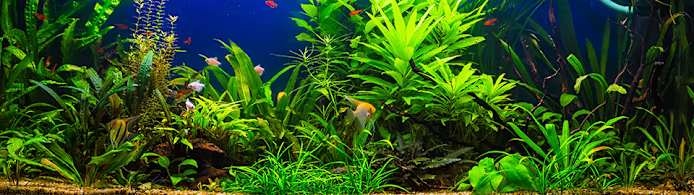
Do you have questions about feeding your fish while on vacation? Petco has the answers! Visit us to learn about fish dietary needs.
Auto Feeding Fish While You're Away: Your Two Best Options
Auto feeding fish is one of the smartest moves you can make before any trip — and it's easier than most pet parents expect. An automatic fish feeder dispenses precise portions on a set schedule, so your fish get consistent meals whether you're gone for a weekend or two weeks.
Fish are among the most rewarding pets to share a life with: endlessly fascinating to watch, no handling required, and perfectly content in their aquarium without daily interaction. That independence is a genuine advantage — but it stops at mealtime. Unlike a dog or cat who can travel with you, your fish stay home, and they still need regular, reliable feedings every single day you're away.
Here's the key planning reality most pet parents overlook: even fish that appear healthy and well-fed should not simply be left without a feeding plan. Older fish that carry more body fat may tolerate a short gap better than younger or smaller fish, but even they benefit from being checked on at least a few times during a longer absence . Skipped feedings, overfeeding by a well-meaning neighbor, or uneaten food fouling the water can all create health problems fast.
The good news: you have two dependable solutions.
- Automatic fish feeders — battery- or USB-powered devices that attach to your aquarium rim and dispense a measured amount of flake, pellet or granule food on a programmed schedule. Set it once, and your fish eat on time, every time, with no human intervention needed.
- A knowledgeable pet sitter — someone familiar with your specific fish, your aquarium setup and the correct portion sizes, who can also spot early warning signs like unusual behavior or water clarity changes.
Both options can work well; many pet parents use an automatic feeder plus a pet sitter check-in for added peace of mind on longer trips. The sections below will help you choose the right approach — and set it up correctly — so your fish thrive while you travel.
Instructions for pet sitters
One of the most common ways pet parents make sure their fish are taken care of when they’re away is by asking a friend or family member to check in on their aquatic pets. While fish-sitting can appear simple, people who haven’t cared for fish before may need a little guidance.
Below are some tips you will want to share with your pet sitter about how to feed fish while you are on vacation. Of course, you can add to or adjust this list based on your individual pets, but it can serve as a good foundation for new aquatic caretakers.
- Feed fish at the same time every day: Fish can have an internal clock when it comes to food, and they will expect a feeding at the same time and place daily
- Measure food amount carefully: The appropriate amount of food depends on the total amount of fish—and how old they are
- Don’t provide more food than fish can consume in 1–2 minutes: Leftover food quickly decays and affects water quality, so remove leftover food after 2 minutes; if you notice fish regularly leave a lot of food behind after 2 minutes, try offering marginally less food
- Make sure aquatic life gets the right nutrients: Provide species-appropriate nutrition
- Keep flake, pellet and freeze-dried fish foods cool and dry: Some fish foods can spoil in the wrong conditions, and they may also lose nutrients faster in hot or wet conditions
While some fish can be left alone for a few days without food, you may come home to sick fish if you go away at length and your pets haven’t received proper care. If you choose not to go with a sitter, the other way to keep your fish fed when on vacation is to use an automated fish feeder.
Automated fish feeders
Your fish might never notice your absence if you use auto and vacation fish feeders to keep the food flowing while you’re gone. These can be great options for feeding fish when you’re away if you don’t have a trusted pet sitter. Automatic fish feeders deploy a set amount of food on a timer so your fish can receive food at their regular mealtime, whereas drop-in vacation feeders release food inside a calcium or gel block that dissolves over time.
The primary downside to these types of feeders is that no one is there to clean up leftover food, so you may return to a dirtier aquarium than usual. On the plus side, an automated feeder is easy to use and won’t require you to find a friend or pet sitter.
Optimizing your aquarium before vacation
Whether you rely on an automated feeder or a person to feed your fish, you will want to set your aquarium up for success while you’re away. In addition to deciding how to keep your fish fed, you can also help optimize your habitat before you head out on your vacation.
Clean the aquarium: Leave your fish with a clean environment. Test the water to ensure the chemical balance is within an appropriate range and address any parameters that are outside of the normal range.
Check the temperature: For freshwater fish, a good temperature range is 72–82 degrees Fahrenheit; for most marine species, 74–80 degrees Fahrenheit is ideal. Aquarium heaters and chillers regulate the aquarium at the appropriate temperature, but always validate the temperature before heading out on vacation.
Clean the filter: You may also want to clean the tank filter and replace the filter media before leaving. Filters automatically catch debris and dirt, and they eventually get full. You want to make sure your filter has room to collect any extra fish food that accumulates while you’re not at home to remove it manually.
Spotting health problems in fish
It can be a good idea to inspect your fish when you return home. Feeding fish while on vacation can be an imperfect science for automatic feeders and pet sitters alike. Look for fish rubbing up against objects, circling, going to the surface for oxygen, hiding or assuming a strange posture. These can all be signs of a sick fish.
Frequently Asked Questions
How long can fish go without food while I'm on vacation? Most healthy adult fish can go 3–5 days without food without serious harm, though this varies by species, age and health status. Younger fish, fry and certain species with faster metabolisms need more frequent feedings. When in doubt, consult your veterinarian or a knowledgeable aquatics associate before leaving your fish unattended for any extended period.
Are automatic fish feeders reliable enough to use without a backup plan? Automatic fish feeders are a dependable option for short trips when properly set up and tested before you leave. Run the feeder for at least 2–3 days before your vacation to confirm it dispenses the correct amount and doesn't jam. For trips longer than a week, pairing an automatic feeder with at least one check-in from a trusted person adds an important safety net.
How do I set up an automatic fish feeder correctly? Mount the feeder securely over the aquarium opening, load it with your fish's regular dry food (flakes or pellets), and program the timer to match your fish's existing feeding schedule. Start with the smallest portion setting and adjust upward — overfeeding is the most common problem with automatic feeders, and uneaten food decays quickly and degrades water quality. Always test the feeder while you're still home before relying on it.
What is the difference between an automatic feeder and a vacation feeder block? Automatic feeders are battery-powered devices that dispense a measured amount of dry food on a programmable timer, giving you precise control over portion size and feeding frequency. Vacation feeder blocks — sometimes called slow-release or calcium blocks — dissolve gradually in the water, releasing food over several days. Feeder blocks are simpler and require no setup, but they offer far less control over how much food is released and can sometimes cloud water or alter water chemistry. For most aquariums, a programmable automatic feeder is the more reliable choice.
Can I overfeed my fish with an automatic feeder? Yes — overfeeding is the primary risk with any automatic feeder. Excess food sinks, decays and causes ammonia and nitrite spikes that can seriously harm your fish. Set the feeder to dispense only what your fish can consume in 1–2 minutes, clean the aquarium thoroughly before you leave and make sure your filter is fresh so it can handle any extra debris while you're away.
What signs of illness should I look for when I return from vacation? When you get home, observe your fish closely before doing anything else. Warning signs include rubbing or scraping against decorations or gravel, gasping at the water's surface, unusual hiding, erratic swimming, circling or an abnormal body posture. Any of these behaviors can indicate stress, poor water quality or disease. Test your water parameters immediately and contact your veterinarian if symptoms persist or worsen.
Feeding Fish on Vacation: Comparing Your Options
Not sure which approach is right for your aquarium while you're away? Use this side-by-side comparison to weigh the most common options — a trusted pet sitter, an automatic fish feeder, and a slow-release vacation feeder block — before you pack your bags.
| Feature | Pet Sitter (friend or family) | Automatic Fish Feeder | Vacation / Slow-Release Feeder Block |
|---|---|---|---|
| How it works | A person visits on a set schedule to feed and observe your fish | Battery- or USB-powered drum dispenses a measured portion on a programmable timer | Calcium- or gel-based block dissolves slowly in the water, releasing food over days |
| Best for | Trips of any length, especially 1+ weeks | Trips of 3–14 days with a reliable power source | Short trips of 2–7 days; low-bioload tanks |
| Feeding consistency | Depends on the sitter's reliability and your instructions | High — same amount, same time, every day | Low — release rate varies with water temperature and chemistry |
| Portion control | Moderate — requires clear written instructions and pre-measured servings | High — dial or app sets exact portion size | Low — difficult to calibrate to your specific fish population |
| Water quality impact | Low, if sitter removes uneaten food within 1–2 minutes | Moderate — no one removes excess food; clean filter before leaving | Moderate to high — dissolving block can cloud water and raise ammonia if overstocked |
| Health monitoring | Yes — a person can spot lethargy, surface gasping, or unusual behavior | No | No |
| Species-appropriate food | Yes — sitter uses your existing food supply | Yes — you load the drum with your fish's regular flake or pellet food | Limited — blocks are typically generic formulas; may not suit all species |
| Setup effort | Medium — requires written instructions, food pre-measured per feeding | Medium — requires programming and a test run before departure | Low — drop in tank and go |
| Typical cost | Varies (often free with a friend; paid sitters vary by region) | $25–$100+ one-time hardware cost | $3–$10 per block |
| Power/supply dependency | None | Requires batteries or USB power; failure = missed feedings | None |
| Recommended for beginners? | Yes, with clear written guidance | Yes, after a 48-hour test run at home | Use with caution; best as a backup only |
| Vet-recommended for sick fish? | Yes — only option that allows real-time observation | No — consult your veterinarian before leaving if a fish shows any symptoms | No — never use if a fish is already unwell |
Pro tip: For trips longer than a few days, consider pairing an automatic fish feeder with at least one check-in visit from a trusted pet sitter. That combination gives you the consistency of timed portions and a set of human eyes watching for early signs of illness — something no device can replicate. If you notice any health concerns before you leave, consult your veterinarian before relying on an unattended feeding method.
This article was created with assistance from AI tools and reviewed for accuracy by Petco's content team.


FAQs about feeding fish on vacation
Deploying fish food on vacation can be done in a few ways. Automatic feeders are sometimes the simplest way to make sure your aquatic pets remain well-fed while you’re on short trips. They deploy a set amount of food on a timed schedule, and many feeders can be loaded with enough food to last up to 14 days. Alternatively, drop-in vacation feeders, which release food inside a calcium or gel block that dissolves over time, are another option for feeding your aquatic life while on vacation.
Just like any method pet parents use to feed fish while on vacation, drop-in vacation feeders can have their benefits and drawbacks. The food may not dissolve without enough circulation, which can leave the tank dirty. However, the simplicity and efficiency of vacation feeders tend to outweigh the concerns when used properly. They slowly dispense fish food when you’re on vacation, so you don’t have to worry about coming home to underfed aquatic pets.
Some fish may be fine for a few days with no food; however, do your research about how frequently your aquatic life’s species needs to be fed before planning to leave them without food. Additionally, stress and changes in environment are common causes of fish illness, and going several days without food could cause enough stress that they develop a disease.
Some fish may survive for a long weekend with no fish food. To be on the cautious side, it’s recommended you ask your veterinarian or a Petco Pet Care Center aquatic specialist if your fish can withstand being unfed for multiple days in a row before attempting to do so. Keep in mind that young fish are usually less tolerant about not being fed than older fish. Check out our guide to Fish Nutrition to learn about the right feeding schedule for your pets.