


Two Easy Ways to Start Earning Rewards!
Become a member today! Members-only pricing and offers, personalized care notifications, Vital Care points back on every purchase and more!
 Become a credit card member today!
Earn 2X Pals Rewards points at Petco
when you use Petco Pay!APPLY NOWLearn More About Petco Pay Benefits
Best Shampoo for Terriers: A Complete Guide
Published on July 13th, 2022
Updated on June 18th, 2026

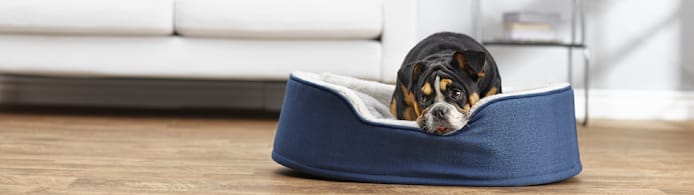
Trying to find the best puppy shampoo for your dog? Learn how you can choose the right solution for your pet based on their fur and skin needs.
Finding the Best Shampoo for Terriers (and All Puppies)
If you're searching for the best shampoo for terriers, you're already thinking like a thoughtful pet parent — because terrier coats are genuinely different from those of most other breeds, and that difference matters at bath time.
Terriers typically have a double coat: a dense, wiry outer layer and a softer undercoat beneath. That texture is part of what makes terriers so distinctive, but it also means their skin and coat have specific needs. Wiry, coarse coats can trap dirt and debris close to the skin, and some terrier breeds are prone to skin sensitivities that a harsh or poorly matched shampoo can aggravate. Add in the fact that your dog is still a puppy — with skin that is thinner, more permeable, and more reactive than an adult dog's — and choosing the right formula becomes even more important.
Wendy Weinand, manager of Pet Services and Grooming Education with Petco, notes that knowledgeable groomers can make targeted recommendations based on a puppy's specific coat type, skin condition, and lifestyle. Here's what she and Petco's grooming team suggest keeping in mind as you shop.
What Makes Terrier Puppy Skin and Coats Unique
Young dogs of any breed have sensitive skin that is still maturing, which means their skin barrier is more vulnerable to irritation from strong detergents, artificial fragrances, or pH-imbalanced formulas. For terrier puppies specifically, a few additional factors come into play:
- Wiry, double-coat texture — Coarse outer coats need a shampoo that cleans thoroughly without stripping the natural oils that keep the wire texture intact and the skin beneath moisturized.
- Skin-fold areas — Many terrier breeds have wrinkles or tight skin around the face and neck that can harbor moisture and require gentle but effective cleansing.
- Breed-specific sensitivities — Certain terrier breeds, including West Highland White Terriers and Bull Terriers, are recognized for a higher incidence of skin conditions; always consult your veterinarian if you notice redness, flaking, or persistent itching before selecting a medicated or specialty formula.
How to Choose the Right Puppy Shampoo for a Terrier
| Feature to Look For | Why It Matters for Terriers |
|---|---|
| Puppy-specific or gentle formula | Puppy skin has a more delicate pH balance than adult skin; harsh adult formulas can cause dryness or irritation |
| Moisturizing ingredients (oatmeal, aloe) | Helps soothe skin prone to dryness or sensitivity common in wire-coated breeds |
| Fragrance-free or lightly scented | Reduces risk of contact irritation on sensitive terrier skin |
| Tearless formula | Essential for puppies who are still learning to tolerate bath time |
| Coat-type specific (wiry/double coat) | Helps preserve the natural texture of the terrier's outer coat without over-softening it |
| Free of harsh sulfates and parabens | Gentler on the developing skin barrier of young dogs |
A Note on Frequency and Routine
Puppies are continually growing and changing, which means the shampoo routine that works at eight weeks may need to be revisited at six months. Terrier coats, in particular, can shift in texture as the adult wire coat comes in — another reason to check in with a Petco-certified groomer periodically. Overbathing any puppy can strip the skin's natural oils, so most terrier puppies do well with a bath every three to four weeks unless they've gotten into something that requires an earlier rinse.
If your terrier puppy has persistent skin issues — flaking, redness, odor between baths, or excessive scratching — consult your veterinarian before switching shampoos. Some symptoms point to underlying conditions that a shampoo change alone won't resolve.
Ready to find the right formula? Browse dog grooming options at Petco to compare puppy shampoos suited to sensitive skin and specialty coat types.
Sensitive skin needs or allergies: A dog with sensitive skin or specific allergies would likely benefit from a puppy-specific shampoo that is formulated with hypoallergenic and tear-free ingredients. However, if skin concerns are severe it is best to consult your veterinarian as a medicated shampoo may be the best option.
Fur color: Depending on the color of your puppy’s fur, they might be able to get some enhancement from a puppy shampoo that’s specific to their needs. For example, for puppies with white fur, a brightening shampoo might make their coat pop.
Shedding: For puppies that are starting to lose their puppy coats, a deshedding shampoo can help remove loose hair and keep their overall coat healthy.
Dry skin/coat: If a puppy has dry skin or a dry coat, Weinand says a groomer may recommend a few different options, including oatmeal shampoo, which helps reduce itching, and a remoisturizing conditioner, which helps seal moisture into the skin & coat.
Seasons also play a part in the types of products that will work best for your puppy. “In the winter, it tends to be a lot more dry in the environment, so using a conditioning product is best,” says Weinand. “In the summer, dogs are outside more, and based on what they are doing outdoors, finding the right product to make sure their skin and coat are getting the proper nutrients to keep it healthy is a huge consideration.”
How to find the best brand of puppy shampoo for your dog
Besides finding the type of shampoo that works best for your puppy, finding a trusted brand is important, as well. When looking for a good puppy shampoo, Weinand suggests following these steps:
- Always check the labels to make sure it contains safe ingredients and is free from harmful or harsh chemicals. “Don’t be fooled by the pictures on the bottle,” said Weinand. “Read the ingredients and understand what they are meant to do before buying.”
- If the shampoo calls for dilution, be sure to do so, as using the full strength could cause a negative reaction.
- Don’t just buy something because it smells good—understand what your specific puppy needs and prioritize that first.
As your puppy grows, their skin and fur may change, so be sure to always do a thorough check of your puppy after each bath to ensure there is no unwanted reaction.
Can you use human shampoo on a dog?
Although you might be tempted to just use your own shampoo on your puppy in a pinch —like if your puppy decided to play in a mud puddle or rolled in something stinky—you should refrain from doing so. “Human and canine pH and acid levels are different,” notes Weinand, “and using a human-grade shampoo can cause a reaction to the pup’s skin and coat, either drying it out or leaving it too oily, based on the shampoo being used.”
As with products you would buy for yourself, remember that the most expensive isn’t always better. If you aren’t sure what to get, consider asking a professional groomer for help.
Best Shampoo for Terriers by Coat Type: Quick-Reference Guide
Different terrier breeds have dramatically different coats — from the wiry, dense double coat of a Wire Fox Terrier to the soft, single-layer skin of a Bull Terrier. Matching the right shampoo formula to your terrier's specific coat type is one of the most important grooming decisions you'll make. The table below, informed by Petco grooming education guidance, gives you a starting point — but always do a patch test first and consult your veterinarian if your terrier has persistent skin concerns.
| Terrier Breed | Coat Type | Recommended Shampoo Type | Key Ingredients to Look For | Ingredients to Avoid |
|---|---|---|---|---|
| Wire Fox Terrier | Wiry, dense double coat | Texturizing or clarifying shampoo | Aloe vera, tea tree (diluted), keratin | Heavy silicones, thick conditioners |
| Miniature Schnauzer | Wiry outer coat, soft undercoat | Texturizing shampoo + light conditioner | Oatmeal, panthenol, vitamin E | Sulfates, artificial dyes |
| Scottish Terrier | Dense, hard wiry outer coat | Clarifying or deshedding shampoo | Coconut-derived cleansers, aloe | Parabens, heavy moisturizers |
| Cairn Terrier | Harsh, weather-resistant double coat | Gentle clarifying shampoo | Natural oils, oatmeal | Artificial fragrances, sulfates |
| West Highland White Terrier | Thick white double coat | Brightening + whitening shampoo | Optical brighteners, oatmeal, aloe | Bleaching agents, harsh sulfates |
| Yorkshire Terrier | Long, silky, single-layer coat | Moisturizing or hypoallergenic shampoo | Argan oil, silk proteins, panthenol | Drying alcohols, sulfates |
| Bull Terrier | Short, flat, thin single coat | Hypoallergenic, sensitive-skin shampoo | Colloidal oatmeal, ceramides, aloe | Fragrances, parabens, dyes |
| American Pit Bull Terrier | Short, stiff, glossy single coat | Hypoallergenic or oatmeal shampoo | Oatmeal, vitamin E, aloe vera | Artificial fragrances, harsh detergents |
| Airedale Terrier | Dense, wiry double coat | Texturizing or deshedding shampoo | Keratin, oatmeal, coconut cleansers | Heavy silicones, thick conditioners |
| Jack Russell Terrier | Smooth or rough double coat | Gentle all-purpose or oatmeal shampoo | Oatmeal, aloe, chamomile | Sulfates, synthetic dyes |
| Border Terrier | Harsh, dense wiry double coat | Clarifying or texturizing shampoo | Tea tree (diluted), aloe, oatmeal | Heavy moisturizers, silicones |
| Soft Coated Wheaten Terrier | Soft, wavy single coat | Moisturizing or detangling shampoo | Argan oil, silk proteins, panthenol | Drying alcohols, sulfates |
A note on ingredients: Always read the full ingredient list before purchasing — don't rely on front-of-bottle claims alone. If your terrier has a history of skin sensitivities or food sensitivities, a hypoallergenic, tear-free formula is the safest starting point. Persistent itching, redness or flaking after bathing warrants a visit to your veterinarian, as a medicated shampoo may be more appropriate than an over-the-counter option.
Frequently Asked Questions
Can I use human shampoo on my terrier in an emergency? No — human and canine skin have different pH levels. Human shampoos are formulated for a more acidic pH (around 5.5), while a dog's skin sits closer to neutral (6.5–7.5). Using human shampoo can disrupt your terrier's skin barrier, leading to dryness, irritation or an overly oily coat. Always keep a dog-specific formula on hand.
How often should I bathe my terrier? Bathing frequency depends on coat type and lifestyle. Wiry-coated terriers like Schnauzers and Wire Fox Terriers generally do well with a bath every four to six weeks, while short-coated terriers like Bull Terriers may need bathing less frequently unless they've been outdoors heavily. Over-bathing can strip natural oils from your terrier's skin and coat. When in doubt, ask a Petco-knowledgeable groomer for a personalized recommendation.
Are oatmeal shampoos genuinely helpful for terriers with dry or itchy skin? Colloidal oatmeal is widely used in pet grooming products to help soothe and reduce itching associated with dry skin. It works by forming a protective barrier on the skin's surface and helping to retain moisture. If your terrier's dry skin or itching is persistent or severe, consult your veterinarian — a medicated shampoo or an underlying condition may need to be addressed.
Is tea tree oil safe in terrier shampoos? Tea tree oil is toxic to dogs when used in high concentrations or applied undiluted. The ASPCA Animal Poison Control Center lists tea tree oil as a substance that can cause serious harm if misused on pets https://www.aspca.org/pet-care/animal-poison-control. Some commercially formulated dog shampoos use highly diluted concentrations considered safe for topical use, but you should always verify the concentration and consult your veterinarian before using any tea tree-containing product on your terrier.
Do wiry-coated terriers need conditioner after shampooing? Generally, no — heavy conditioners can soften the wiry texture that defines breeds like the Airedale Terrier, Wire Fox Terrier and Scottish Terrier, making the coat harder to hand-strip or maintain. A light, rinse-out conditioner may be appropriate in dry winter months to combat environmental dryness, but avoid leave-in conditioners or thick moisturizing formulas on wiry coats. A Petco-knowledgeable groomer familiar with terrier coat care can advise on the right seasonal approach.
When should I consult a veterinarian about my terrier's skin and coat? If your terrier shows persistent redness, flaking, hair loss, odor between baths, or seems uncomfortable after bathing, schedule a veterinary visit. These signs can indicate allergies, a fungal or bacterial skin condition, or other underlying health issues that a grooming shampoo alone cannot address. Your veterinarian may recommend a prescription or medicated shampoo as part of a broader treatment plan.
Frequently Asked Questions
What shampoo is best for wiry terrier coats? Terriers with wiry, double coats do well with a gentle, pH-balanced dog shampoo formulated to cleanse without stripping the natural oils that give the wiry outer coat its texture. Look for shampoos with moisturizing ingredients like oatmeal or aloe to keep the dense undercoat from drying out. If your terrier is hand-stripped or regularly groomed, ask a Petco-certified groomer which formula best supports that coat type — a conditioning shampoo used after stripping can help the new wiry coat grow in properly.
How often should I bathe my terrier? Most terriers do well with a bath every four to six weeks, though active dogs who spend a lot of time outdoors may need more frequent washing. Over-bathing can strip the natural oils from a terrier's skin and coat, leading to dryness and irritation. Wendy Weinand, Petco's manager of Pet Services and Grooming Education, notes that seasonal changes matter too — in drier winter months, extending time between baths and adding a conditioning product helps protect skin moisture. When in doubt, consult your veterinarian about the right bathing schedule for your individual dog's skin and coat health.
Are there shampoos for terrier skin allergies? Yes. Terriers — including West Highland White Terriers and Bull Terriers — are among the breeds more prone to skin sensitivities and environmental allergies. A hypoallergenic, tear-free shampoo with minimal fragrance and no harsh chemicals is a sound starting point for sensitive-skinned terriers. Oatmeal-based formulas can help soothe itching and reduce inflammation on irritated skin. However, if your terrier's skin concerns are severe, recurring or involve hot spots, redness or hair loss, consult your veterinarian — a medicated shampoo prescribed by a vet may be the most appropriate option rather than an over-the-counter product.
Can I use human shampoo on my terrier in a pinch? No — and this is especially important for wiry-coated terriers. Human and canine skin have different pH levels; human shampoo is formulated for a more acidic pH and can disrupt a dog's skin barrier, leaving the coat either too dry or too oily. This disruption can be particularly noticeable on a terrier's dense double coat. Always use a shampoo specifically formulated for dogs, even in an emergency situation.
Should I use a conditioner on my terrier after shampooing? For most terriers, a light remoisturizing conditioner used after shampooing can help seal moisture into the skin and coat — particularly during dry winter months or after frequent outdoor activity. However, if your terrier is maintained in a traditional hand-stripped style, discuss conditioner use with a Petco-certified groomer first, as heavy conditioning products can soften the wiry outer coat and affect its characteristic texture.
How do I know if a shampoo is causing a reaction on my terrier? After every bath, do a thorough check of your terrier's skin — part the coat and look for redness, flaking, hives or unusual scratching in the hours following the bath. These can be signs of a sensitivity to an ingredient in the shampoo. If you notice any of these signs, discontinue use of that product immediately and consult your veterinarian. Always read ingredient labels carefully before purchasing, and avoid shampoos that require dilution but are applied at full strength, as this alone can cause a skin reaction.
This article was created with assistance from AI tools and reviewed for accuracy by Petco's content team.


