


Two Easy Ways to Start Earning Rewards!
Become a member today! Members-only pricing and offers, personalized care notifications, Vital Care points back on every purchase and more!
 Become a credit card member today!
Earn 2X Pals Rewards points at Petco
when you use Petco Pay!APPLY NOWLearn More About Petco Pay Benefits
How to Get Your Dog Healthy Skin & a Shiny Coat: 5 Tips
Published on July 18th, 2024
Updated on October 22nd, 2025

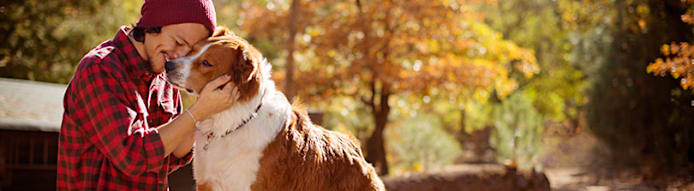
From nutrition to grooming, there are multiple different aspects that affect your dog's skin and coat. Learn how to give them the shiny, soft coat they're looking for.
Keeping your dog looking fabulous is just one way of letting her know she's the best dog ever. Here are five simple ways to ensure that your pet's skin and coat is in top condition:
- Proper nutrition A healthy, balanced diet is the cornerstone to your dog's skin and coat looking shiny, healthy and lustrous, whether her coat is long and silky or wiry and curly. Work with your veterinarian to ensure your dog's diet is tailored to her specific needs, including age, breed, life stage and activity level. This means that you will have peace of mind knowing that not only is she getting the right amount of protein, vitamins and minerals, but also the correct amount of calories to maintain a healthy weight. Dry, red or irritated skin can be a sign of diet deficiencies or an allergy to certain foods and may require dietary changes. Always consult with your veterinarian if you suspect that your pet has a food allergy. Your veterinarian may recommend trying a different protein source or a limited ingredient diet. In addition, anytime you switch your pet's food, be sure to transition slowly over a period of seven to 10 days to avoid an upset stomach.
- Hydration
Along with high-quality food, it's important to have plenty of water available for your dog to drink to ensure they are properly hydrated, which will also directly affect the condition of their skin and coat. Having plenty of fresh water available is always important, particularly if your dog solely eats dry food, as it doesn't have the moisture content of wet food.
- Skin and coat supplements for dogs
You can further help your dog maintain a healthy coat by adding supplements such as Alaskan salmon oil to dog food. Fish oils are known to help relieve dry, itchy skin and boost the immune system, resulting in a shiny coat. In many cases, these nutrients are already part of a high-quality diet.
Essential amino acids: Dogs needs a balanced amino acid profile in their diet — including animal- and plant-based foods — for optimal overall health, as well as optimal coat health.
Vitamins and minerals: To develop healthy skin and a healthy coat, your dog needs the proper levels of vitamins and minerals. Some of the essential vitamins and minerals for your dog’s coat health include:
- Vitamin A: necessary for growth and skin repair
- Vitamin E: protects skin cells from oxidant damage
- Vitamin C: helps with wound healing
- Biotin: aids in the utilization of protein
- Riboflavin (or B2): necessary for fat and protein metabolism
- Zinc: necessary for fat and protein metabolism
- Copper: involved in tissue, pigment and protein synthesis
Most commercial dog foods provide a proper balance of all the necessary nutrients your dog needs, but if your dog’s coat is exhibiting signs of stress — thinning, dullness, greasiness or it’s falling out — consult with your veterinarian immediately to determine what might be missing and to rule out other medical issues.
- Regular brushing It's important to brush your dog regularly between grooming sessions. Brushing is the best way to spread natural oils on her skin, helping her coat look glossy and keeping it in peak condition. Brushing is also a great way to spend quality time together. Brushing helps remove loose fur and prevent mats. Matted hair can prevent oxygen and moisture from reaching the skin and can cause bacterial infections that appear as red, itchy patches on the skin. Further, the clumps of hair put pressure on the skin, which can weaken it. Even if your dog goes to a professional groomer, it's an excellent idea to have a variety of grooming essentials at home. Read the packaging carefully to ensure you get the right size and firmness best suited for your dog.
- Grooming your dog and bathing Whether you groom your dog at home, take her to a professional salon or take them to a self-serve dog wash, it's a good idea to bathe them every four to six weeks. Always select the right shampoo and conditioner for your dog's specific needs. Never use your own (human) shampoo on your pet as it could cause skin irritation. It's always a good idea to give your dog a thorough brush-through before and after a bath.
- Protect against sun, sand, sea and chlorine The sun's rays can be harmful to your dog. As with humans, excessive sun exposure can lead to skin cancer, which is especially common in dogs with pink skin and white fur. Use a special pet sunscreen with a minimum SPF 15 protection factor anytime your dog is exposed to the sun. Seawater, sand and chlorine can be damaging to your pet's skin and fur, as well. They dry the skin, causing irritations and making the fur look dull and spiky. Always bathe your pet after they've been swimming in oceans, lakes, ponds or playing in the pool.
- Prevent fleas, ticks and parasites Excessive itching and gnawing brought on by fleas can cause serious skin irritation and dryness (moreover, by gnawing an itchy area, your pet may ingest fleas which, if carrying the larva, can lead to a tapeworm infestation within your pet's intestine). Constant scratching can cause hair loss and damage to your pet's fur. It takes only one flea bite to cause an allergic reaction in your dog. Prevent an infestation with year-round protection on your pet, home and yard. Many options are available for preventing fleas and ticks, including topical solutions, chewable pills and collars. Talk with your veterinarian to decide which products are best for your dog. Protect the interior of your home with house foggers, carpet and upholstery treatments and use sprays for your lawn and other outside areas where your pet hangs out.
- Regular veterinary check-ups
Regular vet check-ups can help identify any underlying health issues that might have an impact on your dog’s skin and coat. Your veterinarian will look for signs of infection and inflammation and perform diagnostic tests to help identify current issues or prevent potential issues.
Some common skin and coat issues that vets can help your dog with include allergies, hormonal imbalances, nutritional deficiencies, parasite infestations and skin infections. Regular check-ups at the vet will also help identify any other underlying health issues that may be impacting your dog’s skin and coat, like cancer, autoimmune diseases or diabetes.
- Regular and adequate exercise
Regular exercise will not only keep your dog looking and feeling great, but it will also help your dog’s skin and coat. Getting your dog’s heart pumping will improve circulation and increasing blood flow will carry more oxygen and nutrients to their skin and coat.
Exercise is also a proven stress-reducer, and reducing stress in your dog can improve overall skin health.
Exercise helps to release natural oils in your dog’s skin and coat, keeping it shiny and healthy. They’ll also get a release of endorphins, helping to reduce itching and inflammation in the skin.
Additionally, frequent exercise helps to improve your dog’s overall immune health and will boost their immune system, bolstering it to fight off any skin infections or parasites that come their way.
- Seasonal apparel, dog beds and gear
Seasonal apparel can help protect and improve your dog’s skin and coat health. Providing your dog with cold-weather clothing like coats, sweaters and boots can be great for low-temperatures and rainy, icey or snowy conditions. It will help prevent dryness, irritation or frostbite.
During the summer months, dog beds and gear like sunshades can help protect your pup from harmful UV rays, excessive heat, sunburns and overheating—all of which can be harmful to your dog’s skin and coat.
Related Articles


