


Two Easy Ways to Start Earning Rewards!
Become a member today! Members-only pricing and offers, personalized care notifications, Vital Care points back on every purchase and more!
 Become a credit card member today!
Earn 2X Pals Rewards points at Petco
when you use Petco Pay!APPLY NOWLearn More About Petco Pay Benefits
Can Dogs Eat Shrimp? A Complete Safety Guide
Published on January 11th, 2023
Updated on June 12th, 2026


Dogs love seafood & in particular shrimp. Can you give shrimp to your dog? Visit Petco for answers to these & other questions!
Can dogs eat shrimp safely? The answer is yes, as long as they are properly cooked and prepared. Not only can your pup munch on these tasty little crustaceans as a treat, but shrimp can offer health benefits as well. We recommend always consulting your veterinarian before introducing new foods into your pet’s diet—and that applies to snacks, too. Canines can have food sensitivities to shellfish just like humans can, and your veterinarian may recommend an allergy test before giving their approval. If your pup has an adverse reaction when eating shrimp, contact your veterinarian or pet poison control immediately.
Can dogs eat fried shrimp?
No, do not feed your dog fried shrimp. Oils used in frying contain high amounts of fat that are bad for canines, and any sort of batter is bound to contain unhealthy ingredients—possibly even toxic. Plus, battered foods are much harder for dogs to digest and can cause gastrointestinal upsets.
Foods high in fat, like fried foods, are widely known to cause pancreatitis and loose stools in dogs. Batters commonly used to coat shrimp before frying often contain salt that raises your pup’s blood pressure and can cause salt toxicity. Combining all these ingredients for your dog creates a recipe for poor health and more severe issues as they age.
Can dogs eat boiled shrimp?
Yes, boiling is one of the best cooking methods to use when giving your dog shrimp. Make sure that you don’t salt the water when boiling, and don’t add any seasonings in between cooking and serving the shrimp to your pet. Also ensure that the shrimp has cooled before tossing a bite-sized piece to your pup.
Is shrimp toxic to dogs?
No, there’s nothing in shrimp that is immediately toxic to canines. However, like all seafood, shrimp contains small amounts of mercury, which can cause toxicity or poisoning if fed in large quantities. That’s why shrimp is only recommended as an occasional treat and shouldn’t be provided too often or in large amounts.
Health benefits of shrimp for dogs
Can dogs eat cooked shrimp? The answer is a complicated yes because how you prepare them matters. Let’s start by talking about some of the health benefits your pet may gain by eating shrimp. Shrimp are:
- Low in fat
- Low in calories
- Low in carbohydrates
- Excellent source of vitamin B12
- Excellent source of niacin—also known as Vitamin B3
- Excellent source of phosphorus
- High in omega-3 fatty acids
- High in protein
Keep in mind, however, that shrimp are also high in cholesterol and should, therefore, only be offered occasionally as a treat. Overdoing it can lead to gastrointestinal upset, heightened cholesterol levels and other potential health problems. Treats, as a category, should make up no more than 10 percent of your pet’s daily caloric intake.
The answer to “Can dogs eat shrimp?” is yes, as long as you feed them responsibly.
How to feed shrimp to your dog
Can dogs eat raw shrimp? No. Uncooked shellfish contains pathogens that, if ingested, can lead to gastrointestinal discomfort or a severe bacterial infection called vibriosis. Cooking is the simplest way to kill these pathogens.
Can dogs eat cooked shrimp? Now that you’ve learned about vibriosis, the answer to this question is yes. However, shrimp should be free of any seasoning, like salt, garlic, onion, etc. when feeding it to your dog.
Can dogs eat fried shrimp? No. While there’s usually no cause for concern if your dog gobbles up a fried shrimp that’s been dropped on the floor, breaded or popcorn shrimp is fatty and full of calories most dogs don’t need. Too much fat can lead to obesity—and eventually cardiovascular and joint problems—as well as pancreatitis. Also, some batters, seasonings and sauces contain garlic or onions, which can be highly toxic to canines. This is also why sautéing shrimp is not recommended. Steam or boil them instead.
Can dogs eat unpeeled shrimp? No. The shells can be a choking hazard and cause an intestinal obstruction.
Can dogs eat shrimp tails? No. Like the shells, shrimp tails can present a choking hazard.
Featured dog food and treats with shrimp
Frequently Asked Questions
How much shrimp can a dog eat? Shrimp should be offered as an occasional treat only — and treats of any kind should make up no more than 10% of your dog's total daily caloric intake. For most dogs, that means one to three plain, cooked shrimp a few times per week at most, depending on your dog's size. When in doubt, ask your veterinarian for a portion recommendation tailored to your pet. https://wsava.org/global-guidelines/global-nutrition-guidelines/
Can dogs eat raw shrimp? No. Raw shrimp can harbor harmful pathogens — including bacteria responsible for a severe infection called vibriosis — that cooking eliminates. Always serve shrimp fully cooked, plain, peeled and with the tail removed before offering it to your dog. https://www.fda.gov/animal-veterinary/animal-foods-feeds/pet-food
Are shrimp shells or tails safe for dogs? No. Both shrimp shells and tails should always be removed before serving. They present a real choking hazard and can cause an intestinal obstruction, which may require emergency veterinary care. Peel shrimp completely and inspect each piece before giving it to your pet.
Can dogs be allergic to shrimp? Yes. Dogs can develop food sensitivities to shellfish just as people can. Signs of a reaction may include itching, hives, vomiting, diarrhea or swelling. If you notice any of these symptoms after your dog eats shrimp, contact your veterinarian promptly. Your veterinarian may recommend an allergy evaluation before you introduce shrimp or any shellfish into your dog's diet. https://www.aspca.org/pet-care/animal-poison-control
Is shrimp high in cholesterol for dogs? Yes. While shrimp is low in fat, calories and carbohydrates and delivers useful nutrients like protein, vitamin B12, niacin and phosphorus, it is relatively high in cholesterol. Feeding shrimp too frequently or in large amounts can contribute to elevated cholesterol levels and gastrointestinal upset, which is why it is best reserved as an occasional treat rather than a dietary staple. https://www.merckvetmanual.com/management-and-nutrition/nutrition-small-animals/nutritional-requirements-of-small-animals
Can dogs eat shrimp that has been seasoned, buttered or fried? No. Seasonings commonly used with shrimp — including garlic, onion, salt and certain spice blends — range from harmful to highly toxic for dogs. Butter and frying oils add excess fat that can trigger pancreatitis and loose stools. High-sodium preparations can raise blood pressure and risk salt toxicity. Always serve shrimp plain: steamed or boiled in unsalted water, with no sauces, butter or seasoning of any kind. https://www.aspca.org/pet-care/animal-poison-control
Shrimp Preparation for Dogs: Safe vs. Unsafe Methods
Use this quick-reference table before you serve shrimp to your dog. When in doubt, consult your veterinarian.
| Preparation Method | Safe for Dogs? | Why It Matters |
|---|---|---|
| Plain boiled (unsalted, unseasoned) | ✅ Yes | Kills pathogens like Vibrio bacteria; no added fat, salt or toxic seasonings https://www.merckvetmanual.com/management-and-nutrition/nutrition-small-animals/nutritional-requirements-of-small-animals |
| Plain steamed (unseasoned) | ✅ Yes | Gentle cooking method; preserves nutrients without adding harmful ingredients https://www.merckvetmanual.com/management-and-nutrition/nutrition-small-animals/nutritional-requirements-of-small-animals |
| Raw / uncooked | ❌ No | May contain Vibrio and other pathogens that cause gastrointestinal illness or serious bacterial infection https://www.fda.gov/animal-veterinary/animal-foods-feeds/pet-food |
| Fried / battered | ❌ No | High fat content can trigger pancreatitis; batters often contain salt, garlic or onion — all harmful to dogs https://www.aspca.org/pet-care/animal-poison-control |
| Sautéed | ❌ No | Typically prepared with butter, oil or seasonings (garlic, onion) that are toxic to dogs https://www.aspca.org/pet-care/animal-poison-control |
| Seasoned / salted | ❌ No | Excess sodium raises blood pressure and can cause salt toxicity; garlic and onion are toxic to canines https://www.aspca.org/pet-care/animal-poison-control |
| Shell-on | ❌ No | Shells are a choking hazard and can cause intestinal obstruction |
| Tail-on | ❌ No | Tails pose the same choking and obstruction risk as shells |
| With cocktail sauce or dipping sauce | ❌ No | Most sauces contain garlic, onion, horseradish or high sodium — all problematic for dogs https://www.aspca.org/pet-care/animal-poison-control |
| Large whole pieces | ⚠️ Use caution | Always cut shrimp into bite-sized pieces sized appropriately for your dog to prevent choking |
The golden rule: Plain, fully cooked, peeled, tail-removed shrimp — served cool and unseasoned — is the only form you should offer your dog, and only as an occasional treat making up no more than 10% of his daily caloric intake. https://www.aafco.org/consumers/understanding-pet-food/
Frequently Asked Questions
Can dogs eat shrimp every day? No. Shrimp is high in cholesterol, and feeding it too frequently can elevate your dog's cholesterol levels and contribute to gastrointestinal upset. Treats of any kind — including shrimp — should make up no more than 10% of your dog's daily caloric intake. https://www.aafco.org/consumers/understanding-pet-food/ When in doubt, ask your veterinarian how often shrimp fits into your individual dog's diet.
Is shrimp toxic to dogs? Shrimp itself contains no ingredient that is immediately toxic to dogs. However, it does contain small amounts of mercury, which can accumulate and cause toxicity if shrimp is fed in large or frequent quantities. https://www.fda.gov/animal-veterinary/animal-foods-feeds/pet-food Keep portions small and occasional, and always consult your veterinarian if you have concerns.
Can dogs be allergic to shrimp? Yes. Dogs can develop food sensitivities to shellfish just as people can. Signs of a reaction may include itching, hives, swelling, vomiting or diarrhea. If your dog shows any adverse reaction after eating shrimp, contact your veterinarian or the ASPCA Animal Poison Control Center immediately. https://www.aspca.org/pet-care/animal-poison-control Your veterinarian may recommend an allergy evaluation before you introduce shrimp.
Can dogs eat shrimp shells or tails? No. Both the shell and the tail should be completely removed before serving. They present a choking hazard and can cause an intestinal obstruction, which may require veterinary intervention. Always peel shrimp fully and check for any remaining shell fragments before offering a piece to your dog.
How much shrimp can I give my dog? There is no universal serving size — the right amount depends on your dog's size, weight and overall diet. As a general guideline, treats should not exceed 10% of daily caloric intake. https://www.aafco.org/consumers/understanding-pet-food/ A single small, plain boiled shrimp cut into pieces is a reasonable starting point for most dogs. Ask your veterinarian for a portion recommendation tailored to your dog's specific nutritional needs. https://www.merckvetmanual.com/management-and-nutrition/nutrition-small-animals/nutritional-requirements-of-small-animals
What should I do if my dog eats fried or seasoned shrimp? If your dog accidentally eats a small amount of fried or seasoned shrimp, monitor him closely for signs of gastrointestinal distress such as vomiting, diarrhea or lethargy. If the shrimp contained garlic or onion — both of which are toxic to dogs — or if your dog consumed a large quantity, contact your veterinarian or the ASPCA Animal Poison Control Center right away. https://www.aspca.org/pet-care/animal-poison-control
This article was created with assistance from AI tools and reviewed for accuracy by Petco's content team.
-
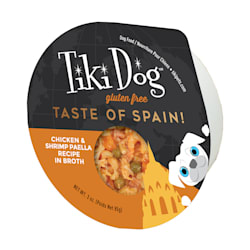
Dog Food Trays, Cups & Tubs Tiki Dog Petites Gourmet International Spanish Paella with Chicken & Shrimp Wet Food
-
Icelandic+ Mini Shrimp Dog Treats
-
Tiki Dog Taste of Spain Healthy Grains Chicken & Shrimp Paella Recipe in Broth Wet Dog Food
-
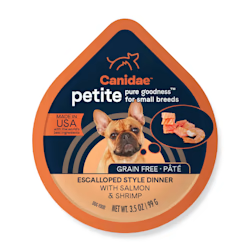
Canidae PURE Grain Free Petite Small Breed Escalloped Style Dinner with Salmon and Shrimp Wet Dog Food
-
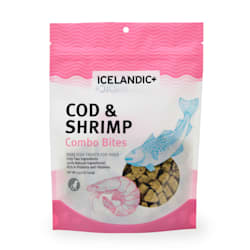
Icelandic+ Cod & Shrimp Combo Bites Fish Dog Treats



FAQs About Feeding Your Dog Shrimp
When properly cooked and prepared, your dog can enjoy this tasty and nutritious treat. Note, however, that shells and tails are choking hazards and difficult to digest, while ingredients that humans often enjoy—like onions and garlic—are toxic to dogs. Batter, breading and excessive salt can also make your dog sick.
Typically, shrimp will not make your dog sick—but there are a few exceptions. Feeding your dog undercooked or raw shrimp can result in gastrointestinal issues such as vomiting and diarrhea. In extreme cases, shrimp that has not properly been cooked can result in vibriosis—a severe bacterial infection similar to cholera.
Your pup may also experience gastrointestinal distress if you allow them to eat the shell or tail of shrimp. These are often difficult for your canine to digest and can pose a choking hazard as well as causing stomach upsets. Making shrimp a regular part of your dog’s diet can also make them sick in the form of high cholesterol and obesity, so be sure only to provide it as an occasional treat.
Can dogs eat cooked shrimp? Yes, cooking unseasoned shrimp—by steaming or boiling them—is the best way to kill harmful pathogens in raw seafood. Sautéing typically involves fatty oils or butter, both of which can be unhealthy for your pup. Breading or battering shrimp also usually involves frying them in oil, which can add harmful and unnecessary calories.
Other types of seafood may be more appropriate for your particular dog’s diet. These may include:
Whitefish
Tuna
Cod
Salmon
Whiting or hank
Crab
Lobster
Flounder
Look for them among the first ingredients in many popular dog food formulas. It’s important to remember all the lessons you’ve learned here, as the necessary preparation, cooking methods and feeding guidelines apply to all forms of seafood and shellfish.