


Two Easy Ways to Start Earning Rewards!
Become a member today! Members-only pricing and offers, personalized care notifications, Vital Care points back on every purchase and more!
 Become a credit card member today!
Earn 2X Pals Rewards points at Petco
when you use Petco Pay!APPLY NOWLearn More About Petco Pay Benefits
Can Dogs Eat Olives? What Pet Parents Should Know
Published on October 10th, 2022
Updated on June 16th, 2026

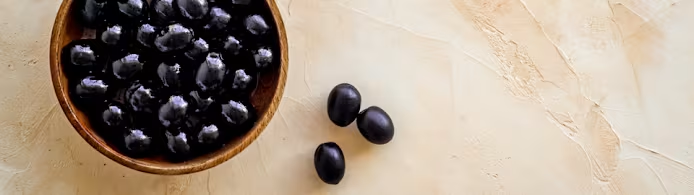
Search Petco for information about what dogs can & cannot eat. Read more to find out if dogs are able to eat & digest olives & olive oil.
Since many humans enjoy the bitter, salty flavor of olives, you may wonder if dogs can eat olives, too. Many foods humans enjoy can be toxic to canines; are olives one of them?
Your dog will likely be fine if they eat a plain, unsalted, pitted olive that fell to the floor or that they snatched off your plate. However, your pup shouldn’t eat many, and olives shouldn’t become a regular part of their diet. Let’s find out more about dogs, olives and the nutritional relationship between the two.
Are olives good for dogs?
A plain olive with the pit removed is not generally considered harmful to dogs, and olives don’t contain any elements toxic to canines—unless there are other added ingredients, such as garlic or onions, or your pet has a food sensitivity. While olives have wholesome vitamins and nutrients, as well as fatty acids and beneficial antioxidants that are known to help lower inflammation, commercial dog food is formulated to meet your pets' nutritional needs, and you should never add extra foods to alter that balance without reviewing your plan with your veterinarian. If you’re feeding your dog enough olives to impact their nutrition levels, that’s too many. Olives often contain salt, and too many can make your dog sick or suffer from salt toxicity.
If you decide to offer an olive to your dog, be very careful about what kind you choose. Your dog’s olives need to be plain and not brined. Brined olives can contain a lot of salt, and too much sodium can have severe side effects in canines and even lead to toxicity.
Finally, there’s another reason why olives can be a bad idea for dogs—they’re often stuffed. While a simple pimento is usually OK, olives can be filled with dairy products and cheeses, which can upset their stomachs and contain bad bacteria for canines. Some olives are even stuffed with whole cloves of garlic, which is extremely toxic to dogs and can be fatal.
You should never allow dog treats, chews or snacks to make up more than 10% of your pup’s daily caloric intake. Invest in high-quality, veterinarian-approved dog food instead. If you have a dog with sensitivities, minimally processed dog food may also help.
How to feed olives to your dog
The fruit itself isn’t typically considered dangerous to your dog in small quantities, but it is easier just to skip feeding your canine olives altogether.
If you do opt to let your dog try a plain, unsalted olive, there’s another hazard to watch out for—the pit. Olives are a stone fruit, so they have a rock-like seed in the center, which can be deadly to pets. The pit can cause a lot of damage to their teeth if they chew it, it can get lodged in their throat and—if it makes it down—it can cause intestinal blockages, which can become a life-threatening medical emergency.
» MORE: Learn about fruits and vegetables that dogs can and cannot eat.
Frequently Asked Questions
Can dogs eat olives with pits? No — never offer your dog an olive with the pit still inside. Olive pits are hard, rock-like seeds that can crack teeth, become a choking hazard, or cause a life-threatening intestinal blockage if swallowed. Always remove the pit completely before offering even a single olive as an occasional treat.
Can dogs eat canned or jarred olives? It's best to avoid canned or jarred olives for dogs. These are almost always packed in brine, which is very high in sodium. Excess sodium can lead to salt toxicity in dogs, causing symptoms such as vomiting, excessive thirst, lethargy and, in severe cases, neurological problems. If you're unsure whether a food is safe for your dog, consult your veterinarian. https://www.aspca.org/pet-care/animal-poison-control
Can dogs eat green olives vs. black olives? Plain, pitted, unsalted versions of either color are similarly low-risk in very small amounts — the color difference reflects ripeness, not a meaningful difference in safety for dogs. The real concern is what's added: stuffings, brine, garlic, onions or other seasonings make any olive — green or black — potentially harmful. Always choose plain and unsalted, regardless of variety.
Are olives toxic to dogs? Plain olives are not considered toxic to dogs the way grapes, raisins or xylitol are. However, olives stuffed with garlic or onions are a serious danger — both are toxic to dogs and can cause damage to red blood cells even in small quantities. When in doubt, skip the olive entirely and contact your veterinarian or the ASPCA Animal Poison Control Center if your dog has eaten something potentially harmful. https://www.aspca.org/pet-care/animal-poison-control
How many olives can a dog safely eat? There is no established "safe" serving size, and olives should never be a regular part of your dog's diet. At most, one plain, pitted, unsalted olive on a rare occasion is unlikely to cause harm for most dogs. Remember: all treats and snacks combined should make up no more than 10% of your dog's daily caloric intake, and commercial dog food is already formulated to meet your dog's complete nutritional needs. https://wsava.org/global-guidelines/global-nutrition-guidelines/
What should I do if my dog ate a stuffed or brined olive? Stay calm and check the ingredient list. If the olive contained garlic, onions, or other seasonings known to be harmful, contact your veterinarian or the ASPCA Animal Poison Control Center right away — don't wait for symptoms to appear. If the olive was plain but brined, monitor your dog for signs of sodium overload such as vomiting, diarrhea, excessive thirst or unusual lethargy, and call your vet if any of those signs develop. https://www.aspca.org/pet-care/animal-poison-control
Olive Types at a Glance: What's Safe for Dogs?
| Olive Type | Key Concern | Safe for Dogs? | Notes |
|---|---|---|---|
| Plain green olive, pitted, unsalted | Moderate fat content | ✅ Occasionally, in very small amounts | The lowest-risk option; offer no more than one as an infrequent treat |
| Plain black olive, pitted, unsalted | Moderate fat content | ✅ Occasionally, in very small amounts | Similar risk profile to plain green; still limit strictly |
| Green or black olive, unpitted | Pit can crack teeth, cause choking or intestinal blockage | ⚠️ No | The hard pit is a serious physical hazard — always remove it before any olive gets near your dog |
| Brined or canned olive (any color) | Very high sodium; excess sodium can lead to salt toxicity in dogs | ❌ Avoid | Even a small number of brined olives can deliver a dangerous sodium load for a dog's body size https://www.aspca.org/pet-care/animal-poison-control |
| Olive stuffed with pimento | Mild; pimento pepper is not toxic to dogs | ⚠️ Use caution | Generally low risk, but added ingredients vary by brand — always check the label |
| Olive stuffed with garlic | Garlic is toxic to dogs and can be fatal even in small amounts | ❌ Never | Garlic causes oxidative damage to red blood cells in dogs; no safe threshold for pet parents to rely on https://www.aspca.org/pet-care/animal-poison-control |
| Olive stuffed with cheese or dairy | Lactose and fat can cause digestive upset; some dairy carries harmful bacteria | ❌ Avoid | Dogs have limited ability to digest lactose; high-fat fillings can also trigger pancreatitis |
| Olive oil (plain, no additives) | Calorie-dense; excess fat can contribute to weight gain or pancreatitis | ⚠️ Tiny amounts only, with vet guidance | A small drizzle is not acutely toxic, but it adds significant calories — always consult your veterinarian before adding it to your dog's diet https://wsava.org/global-guidelines/global-nutrition-guidelines/ |
Quick rule of thumb: If an olive has been soaked, stuffed, seasoned or canned, it's best kept off your dog's plate entirely. When in doubt, skip it — your dog's complete and balanced commercial food already provides the nutrients he or she needs. https://www.aafco.org/consumers/understanding-pet-food/
Frequently Asked Questions
Can dogs eat olives safely? A plain, pitted, unsalted olive is not considered toxic to dogs and is unlikely to cause harm if your dog snatches one off the floor. That said, olives are not a necessary part of a dog's diet, and treats of any kind — including olives — should make up no more than 10% of your dog's daily caloric intake. https://wsava.org/global-guidelines/global-nutrition-guidelines/
What happens if a dog eats a brined or canned olive? Brined and canned olives are packed with sodium. Too much sodium can cause symptoms ranging from excessive thirst and urination to vomiting, diarrhea and, in serious cases, salt toxicity. If your dog has eaten several brined olives, contact your veterinarian promptly. https://www.aspca.org/pet-care/animal-poison-control
Are olive pits dangerous to dogs? Yes. Olive pits are a significant physical hazard. Chewing on a hard pit can fracture your dog's teeth, and swallowing one can cause choking or an intestinal blockage — a potentially life-threatening emergency that may require surgery. Always remove the pit completely before offering any olive to your dog.
Can dogs eat garlic-stuffed olives? No — never. Garlic is toxic to dogs and can damage red blood cells, leading to hemolytic anemia. Even small amounts carry risk, and there is no established safe quantity for pet parents to rely on. If your dog has eaten a garlic-stuffed olive, call your veterinarian or the ASPCA Animal Poison Control Center immediately. https://www.aspca.org/pet-care/animal-poison-control
Do olives provide any nutritional benefit to dogs? Olives do contain vitamins, antioxidants and monounsaturated fatty acids that can support health in humans. However, a complete and balanced commercial dog food is already formulated to meet all of your dog's nutritional requirements — meaning olives add little meaningful benefit and introduce unnecessary fat and sodium. https://www.aafco.org/consumers/understanding-pet-food/ https://sites.tufts.edu/petfoodology/
How many olives can a dog eat? There is no established "safe" serving size, and most veterinary nutritionists would recommend skipping olives altogether. If you do offer one as an occasional curiosity, limit it to a single plain, pitted, unsalted olive and monitor your dog for any signs of digestive upset. When in doubt, consult your veterinarian before introducing any new food. https://wsava.org/global-guidelines/global-nutrition-guidelines/
This article was created with assistance from AI tools and reviewed for accuracy by Petco's content team.


FAQs About Dogs and Olive Oil
While plain unseasoned olive oil would typically not be considered harmful to a healthy pet with no medical conditions, oils, butter and seasonings are never recommended when cooking for your pet. Olive oil is bad for dogs who suffer from health issues like inflammatory bowel disease or pancreatitis. Adding fat to their diet can have serious consequences.
While plain, unseasoned olive oil would typically not be considered harmful to a healthy pet with no medical conditions, oils, butter, and seasonings are never recommended when cooking for your pet.
If you’re looking to add shine to your dog’s coat, there are many dog shampoos, conditioners and treatments that contain olive oil, which can make a great topical supplement.