


Two Easy Ways to Start Earning Rewards!
Become a member today! Members-only pricing and offers, personalized care notifications, Vital Care points back on every purchase and more!
 Become a credit card member today!
Earn 2X Pals Rewards points at Petco
when you use Petco Pay!APPLY NOWLearn More About Petco Pay Benefits
Senior Cat Behavior Changes: What to Expect
Published on August 21st, 2000
Updated on June 18th, 2026

Written by Lauren M. Jones, VMD
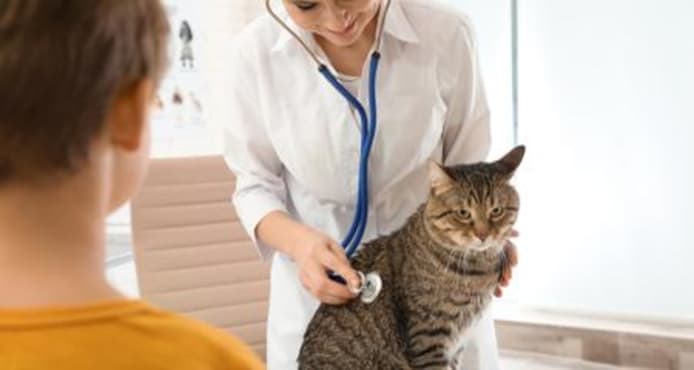
Common behavior changes and problems are seen in older cats such as urinating outside of the litter box, spraying, anxiety and increased aggression.
How Senior Cats' Behavior Changes — and What to Do About It
As cats move into their senior years (generally age 11 and older), behavioral changes are common — and they're one of the earliest signals that something may need attention. Some shifts are simply part of aging; others point to an underlying medical condition that your veterinarian can help address. The good news: with the right diagnosis, a little patience and some adjustments at home, many of these changes can be managed well.
The most important thing to understand upfront is that a behavior change in a senior cat is rarely "just attitude." Pain, sensory loss, cognitive decline and systemic illness can all show up first as a change in how your cat acts — not how she looks. That's why any new or worsening behavior in an older cat deserves a veterinary conversation. https://www.vet.cornell.edu/departments-centers-and-institutes/cornell-feline-health-center/health-information
Below is a full picture of the behavioral changes senior cats most commonly experience, their likely causes and practical steps you can take at home.
Quick-Reference: Common Senior Cat Behavior Changes at a Glance
| Behavior Change | Possible Medical Causes | Possible Behavioral/Environmental Causes |
|---|---|---|
| Eliminating outside the litter box | Kidney disease, diabetes, hyperthyroidism, FLUTD, arthritis, colitis, IBD, liver disease, anal sac disease, vision loss | Stress, litter aversion, litter box placement |
| Aggression toward people or other pets | Pain (arthritis), vision or hearing loss, neurologic disease | Stress, startling easily due to sensory loss |
| Fear or anxiety | Hearing or vision loss, pain, neurologic disease | Environmental stressors, changes in routine |
| Altered sleep-wake cycle | Pain, increased urination/defecation, vision or hearing loss, neurologic conditions, appetite changes | Disrupted routine, insufficient daytime activity |
Inappropriate Elimination (Going Outside the Litter Box)
Urinating or defecating outside the litter box — or spraying — is the single most common behavior problem in older cats. Because so many of the causes are medical, a cat who starts eliminating inappropriately should be examined by a veterinarian promptly. Lab work is typically needed to rule out underlying conditions.
Medical Causes
Several conditions increase the frequency or urgency of urination and defecation, making it physically difficult for a senior cat to reach the litter box in time:
- Kidney disease
- Diabetes mellitus
- Hyperthyroidism
- Feline lower urinary tract disease (FLUTD)
- Inflammatory bowel disease (IBD)
- Colitis
- Liver disease
Other conditions make the act of eliminating painful, or make getting in and out of the litter box physically difficult:
- Arthritis — joint pain can make stepping over a high-sided box a real obstacle
- Anal sac disease — can cause discomfort during defecation
- Vision loss — a cat who can't see well may struggle to locate or navigate to the box
Treating the underlying medical condition often resolves or significantly reduces the elimination problem. In the meantime, these practical adjustments can help:
- Switch to a low-sided litter box so an arthritic cat can step in and out easily
- Add more litter boxes — one per cat plus one extra is a widely recommended guideline
- Relocate a box to the area where your cat spends the most time, reducing the distance she needs to travel
Behavioral and Environmental Causes
Stress is a major driver of inappropriate elimination in cats of any age — and older cats tend to handle stressors less gracefully than younger ones. Common triggers include:
- Moving to a new home
- Changes in daily routine
- Changes in household makeup (a new pet, a new baby, a family member leaving)
Reducing or softening these stressors benefits your cat and your household. Calming pheromone products — synthetic versions of the chemicals cats use to communicate calm to members of their own species — can meaningfully reduce anxiety-related urine spraying and inappropriate urination. Products like Feliway are available as plug-in diffusers, sprays or collars.
Cats of any age can also develop an aversion to the litter box itself or to the litter material inside it. If your cat is avoiding the box, experiment with:
- Clumping litter
- Fine-grain sand-type litter
- Shredded newspaper
- An unlined box with no litter at all
When cleaning soiled areas, use an enzyme-based cleaner — standard household cleaners don't fully break down the odor compounds that draw cats back to the same spot. Additional deterrents for off-limits areas include upside-down carpet runners (spike side up), double-sided tape, motion-activated deterrents, pet-safe repellent sprays or scat mats. Placing your cat's food bowl in a previously soiled area can also discourage repeat use — cats instinctively avoid eliminating where they eat.
Aggression Toward People or Other Pets
An older cat who suddenly becomes aggressive — swatting, hissing, biting or attacking housemates she previously tolerated — is almost always communicating that something is wrong, not acting out.
Medical causes to rule out first:
- Pain (arthritis is a frequent culprit)
- Vision or hearing loss, which causes a cat to startle easily and react defensively
- Neurologic disease that directly affects behavior and impulse control
Stress and environmental change can also tip a senior cat into irritability and aggression, just as they can trigger inappropriate elimination.
What can help:
- Counter-conditioning — teaching your cat a calmer, different response to a specific trigger
- Desensitization — gradually and patiently reintroducing her to whatever is causing the reaction
- Calming pheromones (same products noted above)
- Medical treatment of any identified underlying condition
If your older cat is becoming aggressive, consult both your veterinarian and a certified animal behaviorist. Do not attempt to manage aggression through punishment — it increases fear and typically makes the behavior worse.
Fear and Anxiety
Fear and anxiety in senior cats often share the same root causes as aggression: hearing or vision loss, chronic pain, stress and neurologic disease. A cat who was once confident and social may become withdrawn, clingy, easily startled or vocally distressed.
When possible, the approach is to identify and minimize the source of fear, provide appropriate veterinary treatment for any medical condition contributing to it and — where your veterinarian determines it's appropriate — consider anti-anxiety support. Never start or stop any medication without veterinary guidance.
Simple environmental adjustments that reduce unpredictability and sensory overload can make a meaningful difference for an anxious senior cat: consistent feeding times, quiet resting spaces she can retreat to and gradual (rather than abrupt) changes to her routine.
Changes in Sleep-Wake Patterns and Activity Level
It can be disorienting — for you and your cat — when a senior cat who slept soundly through the night suddenly becomes restless, vocal or active in the early morning hours. This altered sleep-wake cycle is a recognized pattern in older cats, and it has real causes.
Contributing factors include:
- Pain that disrupts comfortable rest
- Increased need to urinate or defecate, which interrupts sleep
- Vision or hearing loss, which can make nighttime disorienting or anxiety-provoking
- Changes in appetite that shift her internal schedule
- Neurologic conditions affecting the brain's regulation of sleep cycles
Practical strategies to try:
- Play with your cat before bedtime — a short, gentle interactive session can help her settle
- Groom her in the evening — many cats find brushing calming and sleep-inducing
- Experiment with feeding times — shifting her last meal closer to your bedtime may help align her schedule with yours
- Keep nighttime environments consistent — nightlights can help a cat with vision loss feel more secure after dark
Be realistic: some altered sleep-wake cycles in senior cats cannot be fully corrected, particularly when neurologic changes are involved. In those cases, keeping your cat out of the bedroom at night is a reasonable and humane solution that protects everyone's rest.
The Common Thread: Most Senior Cat Behavior Changes Have a Medical Root
Nearly every behavioral change described above can be caused or worsened by an underlying health condition. This is why a veterinary exam — not a training fix — is always the right first step when an older cat's behavior shifts. https://www.vet.cornell.edu/departments-centers-and-institutes/cornell-feline-health-center/health-information
Senior cats are also more sensitive to stress than younger cats, so when changes at home are unavoidable, make them gradually. Give your cat time to adjust, minimize exposure to known stressors and lean on your veterinarian for guidance tailored to her specific health picture.
With patience, attentive care and the right veterinary support, your cat's senior years can still be rich, comfortable and full of connection — for both of you.
Frequently Asked Questions
Why do senior cats change their behavior as they age? Behavior changes in senior cats are most often driven by underlying medical conditions — including hyperthyroidism, kidney disease, diabetes, arthritis and feline lower urinary tract disease — or by age-related declines in vision and hearing. Neurological changes and increased sensitivity to stress also play a role. Because so many causes are medical, any noticeable shift in your cat's behavior warrants a veterinary exam. https://www.vet.cornell.edu/departments-centers-and-institutes/cornell-feline-health-center/health-information
When should I be worried about my senior cat's behavior change? Contact your veterinarian promptly if you notice: elimination outside the litter box, sudden aggression, significant changes in sleep patterns, increased vocalization at night, unexplained fearfulness or a marked drop in activity. These signs can point to conditions that are very treatable when caught early — but they should never be dismissed as "just old age." https://www.vet.cornell.edu/departments-centers-and-institutes/cornell-feline-health-center/health-information
Why is my older cat suddenly missing the litter box? Inappropriate elimination is the most common behavior problem in older cats and is frequently medical in origin. Conditions such as kidney disease, diabetes, inflammatory bowel disease and arthritis (which makes stepping into a box painful) can all be responsible. Your veterinarian will typically recommend laboratory tests to rule out these causes before a behavioral explanation is assumed.
Can stress really cause litter box problems in senior cats? Yes. Older cats are generally less resilient to stressors than younger cats, and changes such as a new pet, a move or a shift in household routine can trigger inappropriate elimination or urine spraying. Calming pheromone products (such as plug-in diffusers or sprays) can help support a calmer environment, and reducing the pace or intensity of household changes benefits senior cats considerably.
Why has my senior cat become aggressive or fearful seemingly out of nowhere? New aggression or fearfulness in an older cat is a red flag for pain (arthritis is a common culprit), vision or hearing loss, or a condition affecting the nervous system. A cat that can no longer see or hear well is easily startled and may react defensively. Your veterinarian and a certified animal behaviorist can work together on a plan that may include medical treatment, desensitization and calming pheromones. https://www.vet.cornell.edu/departments-centers-and-institutes/cornell-feline-health-center/health-information
Why is my senior cat awake and restless at night? An altered sleep-wake cycle in older cats can stem from pain, more frequent urination needs, vision or hearing loss, changes in appetite or neurological conditions. Interactive play and grooming sessions before bedtime may help settle your cat. Adjusting feeding times is also worth trying. If the pattern persists despite these efforts, your veterinarian can evaluate whether an underlying medical condition is contributing.
Senior Cat Behavior Changes: Causes, Symptoms & What to Do
| Behavior Change | Possible Medical Causes | Possible Behavioral Causes | Warning Signs to Watch For | Next Steps |
|---|---|---|---|---|
| Inappropriate elimination (urinating or defecating outside the litter box) | Kidney disease, diabetes mellitus, hyperthyroidism, feline lower urinary tract disease (FLUTD), inflammatory bowel disease, colitis, liver disease, arthritis, anal sac disease, vision loss | Stress from moving or routine changes, litter box aversion, substrate preference change | Straining, blood in urine, sudden onset, frequent small amounts | Veterinary exam and lab work first; try lower-sided litter boxes, add more boxes, try different litter types https://www.vet.cornell.edu/departments-centers-and-institutes/cornell-feline-health-center/health-information |
| Urine spraying | FLUTD, hormonal imbalance | Territorial stress, new pets or people in the home, anxiety | Spraying on vertical surfaces, vocalizing while eliminating | Reduce stressors gradually; consider calming pheromone diffusers (e.g., Feliway); clean soiled areas with enzyme cleaner |
| Aggression toward people or other pets | Arthritis or other pain-causing conditions, vision or hearing loss, neurologic disease | Stress, being easily startled, reduced tolerance for handling | Hissing, swatting, biting with no prior warning, sudden onset | Veterinary exam to rule out pain; consult an animal behaviorist; counter-conditioning and desensitization techniques https://www.vet.cornell.edu/departments-centers-and-institutes/cornell-feline-health-center/health-information |
| Increased fear or anxiety | Hearing loss, vision loss, neurologic conditions, chronic pain | Environmental stressors, disrupted routine, loss of familiar companions | Hiding more than usual, trembling, excessive vocalization, refusing food | Identify and minimize the trigger; address any underlying medical condition with your veterinarian; ask about anti-anxiety support options |
| Altered sleep-wake cycle (active at night, sleeping during the day) | Cognitive dysfunction syndrome (CDS), pain, increased urge to urinate or defecate, vision or hearing loss, neurologic conditions | Changes in appetite timing, reduced daytime stimulation | Yowling at night, disorientation, pacing, seeming "lost" in familiar spaces | Engage in play or gentle grooming before bedtime; experiment with adjusted feeding times; discuss cognitive health with your veterinarian https://www.vet.cornell.edu/departments-centers-and-institutes/cornell-feline-health-center/health-information |
| Increased vocalization | Hyperthyroidism, hypertension, cognitive dysfunction, pain, hearing loss | Anxiety, disorientation, attention-seeking | Loud or persistent yowling, especially at night; new or escalating pattern | Veterinary exam including thyroid and blood pressure screening; rule out pain sources |
| Decreased grooming or unkempt coat | Arthritis (difficulty reaching areas), dental pain, obesity, systemic illness | Depression, reduced motivation linked to cognitive changes | Matted fur, skin sores, greasy or flaky coat | Veterinary exam; assist with gentle brushing; dental evaluation recommended https://www.vet.cornell.edu/departments-centers-and-institutes/cornell-feline-health-center/health-information |
| Increased grooming or overgrooming | Skin conditions, allergies, parasites, pain at a specific body site | Anxiety, compulsive behavior triggered by stress | Hair loss, raw or irritated skin patches, repetitive licking of one area | Veterinary skin and parasite evaluation; reduce environmental stressors; pheromone support https://www.aspca.org/pet-care/animal-poison-control |
| Changes in appetite (increased or decreased) | Hyperthyroidism (increased), kidney disease (decreased), dental disease, diabetes, gastrointestinal disease | Stress, food boredom, changes in household routine | Rapid weight loss or gain, vomiting, drinking significantly more or less water | Veterinary exam with bloodwork; weigh your cat monthly at home; discuss nutritional needs for senior cats with your veterinarian https://www.merckvetmanual.com/management-and-nutrition/nutrition-small-animals/nutritional-requirements-of-small-animals |
| Disorientation or confusion | Cognitive dysfunction syndrome, hypertension, neurologic disease, vision loss | Rarely behavioral alone at this severity | Staring at walls, getting "stuck" in corners, not recognizing familiar people or spaces | Prompt veterinary evaluation; cognitive dysfunction is a recognized condition in senior cats — early support can help https://www.vet.cornell.edu/departments-centers-and-institutes/cornell-feline-health-center/health-information |
A note on timing: Many of these behavior changes overlap in cause and appearance. A single veterinary visit with full bloodwork is almost always the most efficient first step — it can rule out or confirm several conditions at once and spare your cat unnecessary stress from repeated appointments.
Frequently Asked Questions
At what age is a cat considered "senior," and when should I expect behavior changes? Most veterinarians consider cats senior at around 11 years of age, with cats 15 and older classified as geriatric https://www.vet.cornell.edu/departments-centers-and-institutes/cornell-feline-health-center/health-information. Subtle behavior shifts — changes in sleep patterns, litter box habits or activity level — can begin as early as age 10 to 11. Because cats are skilled at masking discomfort, any noticeable change at any age warrants a veterinary conversation.
Is it normal for a senior cat to sleep more, or could it signal a health problem? Some increase in rest is expected as cats age, but a dramatic shift in sleep patterns — especially nighttime restlessness paired with daytime lethargy — can point to cognitive dysfunction syndrome, pain, hyperthyroidism or other medical conditions https://www.vet.cornell.edu/departments-centers-and-institutes/cornell-feline-health-center/health-information. Track the change and mention it at your cat's next wellness visit, or sooner if it's sudden.
Can stress really cause a senior cat to stop using the litter box? Yes. Stress is a well-documented trigger for inappropriate elimination in cats of all ages, and older cats tend to handle stressors — a new pet, a move, a change in routine — less easily than younger cats. Calming pheromone products, gradual routine changes and adding extra litter boxes can all help, but a veterinary exam should come first to rule out medical causes such as FLUTD or kidney disease.
What is cognitive dysfunction syndrome in cats, and how do I recognize it? Feline cognitive dysfunction syndrome (CDS) is an age-related neurological condition comparable to dementia in humans. Signs include disorientation, staring into space, getting "stuck" in corners, altered sleep-wake cycles, increased vocalization and changes in social interaction https://www.vet.cornell.edu/departments-centers-and-institutes/cornell-feline-health-center/health-information. CDS is underdiagnosed because pet parents often attribute these signs to "just getting old." Ask your veterinarian about cognitive screening at your senior cat's annual exam.
Should I change my senior cat's food if her behavior or appetite changes? Nutritional needs do shift as cats age — senior cats may need adjusted protein levels, calorie density and specific nutrients to support kidney, joint and cognitive health https://www.merckvetmanual.com/management-and-nutrition/nutrition-small-animals/nutritional-requirements-of-small-animals. However, never change your cat's diet in response to a behavior or appetite change without first consulting your veterinarian, since the change itself may be a symptom of an underlying condition that needs diagnosis. Look for foods that meet AAFCO nutritional standards for the appropriate life stage https://www.aafco.org/consumers/understanding-pet-food/.
When is a senior cat's behavior change an emergency? Contact your veterinarian promptly — or an emergency clinic immediately — if your cat stops eating or drinking for more than 24 hours, is straining to urinate without producing urine (a potential blockage), is suddenly unable to walk normally, is disoriented and unresponsive, or shows any sign of acute pain such as crying out, hiding and refusing to be touched. These signs go beyond typical age-related behavior shifts and require same-day evaluation.
This article was created with assistance from AI tools and reviewed for accuracy by Petco's content team.
34Pet Parents found this article helpful


