


Two Easy Ways to Start Earning Rewards!
Become a member today! Members-only pricing and offers, personalized care notifications, Vital Care points back on every purchase and more!
 Become a credit card member today!
Earn 2X Pals Rewards points at Petco
when you use Petco Pay!APPLY NOWLearn More About Petco Pay Benefits
Cat Mouth Care: Senior Cat Dental Health Guide
Published on May 21st, 2024
Updated on June 18th, 2026

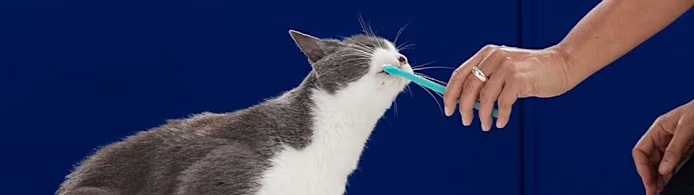
Taking care of your cat’s teeth throughout their life helps contribute to their quality of life as they age.
All a cat has to do to make their pet parent’s heart melt is snuggle up and give a big yawn that shows off their toothy smile and scratchy pink tongue. They’re letting you know how content they are with you as their companion. But have you ever thought of using those moments to check in on your cat’s oral health? It may sound strange, but as a cat parent, you can use these opportunities to look in your cat’s mouth as a tool to help make sure their teeth stay healthy and strong.
As your cat ages, they may begin to experience dental issues that are a cause for concern. After all, good dental hygiene is important for far more than simply showcasing a set of pearly whites; it’s tied to your cat’s overall wellbeing.
Taking care of your cat’s teeth helps contribute to their quality of life as they age. And that begins with a look at why your older cat might face dental health issues and what you can do about them.
Why dental issues might occur in older cats
As cats age, the amount of plaque on their teeth accumulates if left untreated. This can lead to periodontal disease, which in turn can lead to infected teeth and gingivitis (inflamed gums).
If your older cat—12 or older—is facing dental issues, you’re not alone. Dental disease affects approximately 70% of cats.*
Beyond just damaging your cat’s teeth and potentially causing pain, periodontal disease can also lead to other, more serious ailments such as kidney, liver and heart disease.
That’s why it's important to take a proactive approach to caring for your cat’s oral hygiene. This can help prevent pain later in life and help protect your cat from the more serious complications associated with periodontal disease.
Signs of dental disease in older cats
What signs might indicate that your older cat has a dental health issue? Be on the lookout for one or more of the following:
- Bad breath
- Tooth discoloration or visible tartar
- Difficulty eating, which may result in weight loss
- Drooling
- Pawing at the teeth or mouth
- Loose or missing teeth
- Red, swollen or bleeding gums
Senior cat dental care
In some cases, the signs that your older cat is facing a dental issue are obvious. But in other cases, dental problems may be harder to detect. Cats also tend to be masters at hiding the pain they're in, making potential issues more difficult to spot from visual cues alone.
This is where both proactive care and treatment of any existing dental issues can help promote a long, healthy life.
Providing proactive care to help prevent age-related dental issues
Now that you know your aging cat’s teeth need a little extra care, it's time to incorporate a few important steps into your cat’s daily routine.
The place to begin is with daily at-home dental care. While it's easier to start while a pet is young, it’s never too late to incorporate the following:
- Brushing: Once every day (ideally), brush your cat’s teeth using a cat-specific toothbrush and toothpaste. This can help reduce plaque and tartar buildup, which is important in preventing periodontal disease.
- Dental treats: Start incorporating dental treats into your cat’s diet. These tasty treats can help reduce plaque and tartar buildup. Keep in mind, however, that treats should make up no more than 10% of your cat’s diet.
- Oral washes and/or water additives: In addition to brushing, you can use oral washes to help prevent bacteria from building up on your cat’s teeth, or you can add a dental additive to their drinking water to help cut down on plaque and tartar buildup.
The next thing to do is to schedule regular vet visits for professional teeth cleaning. Most older cats should be visiting the vet at least twice a year for a health checkup. During their next checkup, ask your vet about your cat’s dental health. In some cases, your vet may recommend professional cleaning.
Caring for senior cats with age-related dental issues
Your older cat may already be experiencing age-related dental issues such as tooth decay, tooth loss and gum pain. While proactive care remains important, you will also want to help bring your cat comfort from symptoms related to dental disease.
Consider incorporating a diet of wet foods to help make eating easier and less demanding of your senior cat’s teeth. Try out a nutritious mousse, fresh food or canned wet food, all of which are easier to chew than harder kibble.
If you do decide to change your cat’s food, be sure to take the proper steps to make the switch easier on their stomach.
Dental issues are just one of the health-related issues that may arise as your cat ages. As a cat parent, you want to contribute to their full and healthy life in every regard, not just for their teeth. You can do so by continuing to learn more about the ways your senior cat’s needs may change as they age.
*Source: Packaged Facts "Pet Oral Care Services and Products in the U.S." 3rd Edition, 2018.
Frequently Asked Questions
How do I check my cat's mouth at home? Choose a calm moment — like when your cat is relaxed after a meal or a yawn gives you a natural opening. Gently lift your cat's lips with one finger and look at the front teeth, then the back molars. You're checking for yellow or brown tartar buildup, red or swollen gum lines, broken teeth, or any unusual growths. Do this briefly and reward your cat afterward to build a positive association. If anything looks off, contact your veterinarian. https://www.vet.cornell.edu/departments-centers-and-institutes/cornell-feline-health-center/health-information
What are the signs of dental disease in cats? The most common warning signs include persistent bad breath (beyond normal "cat breath"), visible yellow or brown tartar on the teeth, red or bleeding gums, drooling more than usual, pawing at the mouth or face, difficulty chewing or dropping food, and unexplained weight loss. Because cats are skilled at masking discomfort, even a cat who is still eating may be in significant pain — so routine visual checks and twice-yearly vet visits are essential. https://www.vet.cornell.edu/departments-centers-and-institutes/cornell-feline-health-center/health-information
How often should I brush my cat's teeth? Daily brushing is the gold standard for cat mouth care. Use only a toothbrush and toothpaste formulated specifically for cats — human toothpaste contains ingredients that are harmful to cats and should never be used. If daily brushing isn't realistic right away, start with a few times per week and gradually increase frequency. Consistency matters more than perfection, and even partial plaque removal helps slow the progression of periodontal disease. https://www.vet.cornell.edu/departments-centers-and-institutes/cornell-feline-health-center/health-information
Can dental treats replace brushing for my senior cat? Dental treats can help reduce plaque and tartar buildup and are a useful addition to your cat's oral care routine, but they are not a substitute for brushing or professional cleanings. They should also make up no more than 10% of your cat's total daily diet to avoid unbalancing her nutrition. Look for products that carry the Veterinary Oral Health Council (VHOC) seal of acceptance, which indicates the product has been evaluated for effectiveness. Pair treats with brushing and regular vet checkups for the most complete approach to cat mouth care.
Why does dental disease matter beyond my cat's teeth? Periodontal disease doesn't stay confined to the mouth. Bacteria from infected gums can enter the bloodstream and have been associated with damage to the kidneys, liver and heart over time. This is why proactive cat mouth care — especially in senior cats, who face a significantly higher risk of dental disease — is considered part of overall wellness, not just cosmetic upkeep. Your veterinarian can assess whether a professional dental cleaning under anesthesia is appropriate for your cat's age and health status. https://www.vet.cornell.edu/departments-centers-and-institutes/cornell-feline-health-center/health-information
When should I take my cat to the vet for a dental concern? Schedule a veterinary appointment promptly if you notice any of the warning signs listed above, or if your cat's eating habits, energy level or weight change unexpectedly. Senior cats (generally 7 and older, with cats 12 and older considered geriatric) should visit the veterinarian at least twice a year, and dental health should be on the agenda at every visit. Never attempt to treat tooth pain, loose teeth or gum infections at home — these require professional diagnosis and care. https://www.vet.cornell.edu/departments-centers-and-institutes/cornell-feline-health-center/health-information
This article was created with assistance from AI tools and reviewed for accuracy by Petco's content team.


