


Two Easy Ways to Start Earning Rewards!
Become a member today! Members-only pricing and offers, personalized care notifications, Vital Care points back on every purchase and more!
 Become a credit card member today!
Earn 2X Pals Rewards points at Petco
when you use Petco Pay!APPLY NOWLearn More About Petco Pay Benefits
Can Cats Eat Watermelon? What Pet Parents Should Know
Published on August 11th, 2022
Updated on June 12th, 2026

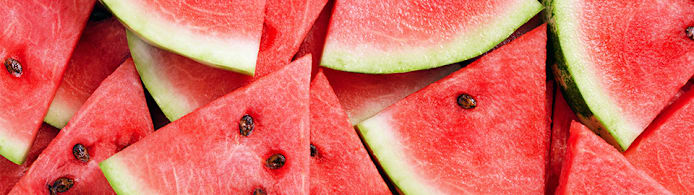
Do you have questions about whether or not it is safe to give your cat watermelon? Petco has the answers to this & other feline diet questions!
Watermelon is a wonderful treat, especially when it’s served cool on a warm summer day. On one such occasion, you may ask yourself, “Can cats eat watermelon?” The short answer is that it’s nontoxic to cats and unlikely to cause problems for them in small doses on rare occasions.
Before offering a bite of this tasty fruit to your cat, however there are a few important points to consider. Can cats eat watermelon rind? Can cats eat watermelon without seeds? Should cats eat watermelon?
The answers could affect your decision to provide watermelon to your feline, so read on. And, as always, remember to consult your veterinarian before adding any new food to your cat’s diet to ensure it’s an appropriate snack for them.
Is watermelon good for cats?
Watermelon is not toxic to cats in that an adult cat without any health conditions is unlikely to experience any serious negative effects from occasionally eating a small amount of seedless fruit without the rind. The big exception when considering if cats can eat watermelon comes up if your pet has health issues. For cats with pre-existing health conditions—particularly diabetes—the unnecessary carbohydrate and sugar content of watermelon may have adverse effects. If your cat falls into this category, they should never eat watermelon.
It’s also possible for watermelon to not agree with your cat’s digestive system and lead to gastrointestinal upset, typically diarrhea or constipation. Every cat is different, however, so, while one cat may be able to eat small amounts of watermelon just fine on occasion, another may experience immediate digestive discomfort. If these symptoms emerge or become more severe for your cat, call your veterinarian right away.
While the answer to, “Can cats eat watermelon?” is yes since it’s not toxic and is generally considered safe in small amounts on occasion, cats are natural meat eaters whose digestive systems are not accustomed to fruit. Watermelon is not a great treat option for cats since it contains sugar and carbohydrates that can be bad news for a pet with a health issue like diabetes.
Providing your cat with high-quality cat food is typically the best way to ensure they eat a wholesome diet and get all the nutrients they need.
How to Feed Watermelon to Your Cat
If, after reading everything above, you would still like to offer your cat a small, bite-size piece of seedless watermelon, do so very sparingly. Since watermelon is not part of a regular feline diet, it should be considered a rare treat, not a daily indulgence.
When introducing new foods to your pet, it’s advisable to do so one item at a time. Then, if there are problems, you’ll be able to pinpoint the cause quite easily. If your cat shows signs of gastrointestinal upset, discontinue feeding them watermelon, monitor them closely and call your veterinarian if symptoms become worrisome.
Can cats eat watermelon rind? Can cats eat watermelon seeds? The answer to both questions is no, as the rind and seeds are choking hazards and can cause digestive upsets. They can also lead to gastrointestinal impaction. Be sure to remove the rind and seeds and cut up the watermelon into small bits that are easy for your pet to swallow and digest.
Frequently Asked Questions
Can cats eat watermelon? Yes, plain seedless watermelon flesh is nontoxic to cats and unlikely to cause harm in very small, occasional amounts. That said, cats are carnivores whose digestive systems are not built for fruit, so watermelon should never become a regular part of their diet. Always check with your veterinarian before introducing any new food. https://www.vet.cornell.edu/departments-centers-and-institutes/cornell-feline-health-center/health-information
Can cats eat watermelon rind? No. The rind is too tough for a cat to chew and digest safely. It poses a choking hazard and can cause gastrointestinal upset or, in more serious cases, intestinal impaction. Always remove the rind completely before offering any watermelon to your cat. https://www.aspca.org/pet-care/animal-poison-control
Can cats eat watermelon seeds? No. Seeds — including the small, pale ones — should be removed entirely. They are a choking hazard and can contribute to digestive blockages. Only offer seedless watermelon flesh, cut into small, bite-size pieces. https://www.aspca.org/pet-care/animal-poison-control
Is watermelon safe for cats with diabetes or other health conditions? No. Cats with diabetes, kidney disease, or other pre-existing conditions should not eat watermelon at all. The fruit's natural sugar and carbohydrate content can interfere with blood sugar regulation and may worsen certain health issues. Consult your veterinarian before offering any fruit-based treat to a cat with a known health condition. https://www.merckvetmanual.com/management-and-nutrition/nutrition-small-animals/nutritional-requirements-of-small-animals
How much watermelon can a cat eat? If your veterinarian has given the go-ahead, keep portions to a single small, bite-size cube of seedless flesh on rare occasions only. Treats of any kind — including fruit — should make up no more than 10% of your cat's daily caloric intake, and watermelon is best reserved as an infrequent indulgence rather than a routine snack. https://wsava.org/global-guidelines/global-nutrition-guidelines/
What should I do if my cat eats watermelon rind or seeds by accident? Monitor your cat closely for signs of gastrointestinal distress — vomiting, diarrhea, constipation, lethargy, or loss of appetite. If any of these symptoms appear or worsen, contact your veterinarian promptly. For concerns about potential toxicity or obstruction, you can also reach the ASPCA Animal Poison Control Center for guidance. https://www.aspca.org/pet-care/animal-poison-control
Watermelon Parts at a Glance: What's Safe for Cats?
| Watermelon Part | Safe for Cats? | Key Concerns | Notes |
|---|---|---|---|
| Flesh (seedless, no rind) | ✅ Yes — in very small amounts, occasionally | High sugar and carbohydrate content; may cause diarrhea or constipation; not nutritionally beneficial for cats | Cats are carnivores whose digestive systems are not designed for fruit; limit to a tiny, bite-size piece on rare occasions https://www.vet.cornell.edu/departments-centers-and-institutes/cornell-feline-health-center/health-information |
| Seeds | ❌ No | Choking hazard; can cause gastrointestinal upset or impaction | Always remove all seeds before offering any watermelon flesh to your cat |
| Rind (green/white outer layer) | ❌ No | Choking hazard; tough texture is difficult to digest; can cause gastrointestinal upset or impaction | The rind offers no nutritional value for cats and poses a real safety risk — skip it entirely |
| Watermelon juice / blended flesh | ⚠️ Use caution | Concentrated sugar with no fiber buffer; may worsen blood sugar concerns | Not recommended; the sugar load is higher relative to volume than whole flesh https://sites.tufts.edu/petfoodology/ |
| Flavored watermelon products (candy, drinks, snacks) | ❌ No | May contain xylitol, artificial sweeteners, or additives that are harmful to cats | Always check ingredients; when in doubt, consult your veterinarian before offering any human snack food https://www.aspca.org/pet-care/animal-poison-control |
| Watermelon for cats with diabetes or chronic illness | ❌ No | The sugar and carbohydrate content can have adverse effects on cats managing diabetes or other metabolic conditions | Cats with any pre-existing health condition should not eat watermelon; speak with your veterinarian https://www.merckvetmanual.com/management-and-nutrition/nutrition-small-animals/nutritional-requirements-of-small-animals |
Quick rule of thumb: If you do offer watermelon, stick to a small, seedless cube of plain flesh only — and treat it as a very rare occasion, not a regular snack. When in doubt, ask your veterinarian first.
Frequently Asked Questions
Can cats eat watermelon safely? Yes, plain seedless watermelon flesh is considered nontoxic to cats and is unlikely to cause serious harm in very small, occasional amounts. However, because cats are carnivores whose digestive systems are not built to process fruit, it offers no real nutritional benefit and should never replace any part of a balanced, meat-based diet. https://www.vet.cornell.edu/departments-centers-and-institutes/cornell-feline-health-center/health-information
Can cats eat watermelon rind? No. The rind — both the green outer skin and the firm white layer beneath it — is a choking hazard and is difficult for cats to digest. It can cause gastrointestinal upset or, in more serious cases, intestinal impaction. Always remove the rind completely before offering any watermelon to your cat.
Can cats eat watermelon seeds? No. Seeds should always be removed before your cat gets anywhere near a piece of watermelon. They pose a choking risk and can contribute to digestive upset or gastrointestinal impaction, even in small numbers.
How much watermelon can a cat eat? Think tiny — a single small, bite-size cube of seedless flesh at most, and only on rare occasions. Treats of any kind, including fruit, should make up no more than 10% of your cat's daily caloric intake, and watermelon's sugar content means even that threshold is generous for this particular food. https://sites.tufts.edu/petfoodology/
Can cats with diabetes eat watermelon? No. Cats managing diabetes or other metabolic or chronic health conditions should not eat watermelon. The sugar and carbohydrate content can interfere with blood sugar regulation and may have adverse effects. Always consult your veterinarian before introducing any new food to a cat with a pre-existing health condition. https://www.merckvetmanual.com/management-and-nutrition/nutrition-small-animals/nutritional-requirements-of-small-animals
What should I do if my cat eats watermelon seeds or rind by accident? Monitor your cat closely for signs of gastrointestinal distress — vomiting, diarrhea, lethargy, loss of appetite or signs of abdominal discomfort. If symptoms appear, worsen, or you have any concern at all, contact your veterinarian promptly. For questions about potentially harmful ingredients in flavored watermelon products, you can also reach the ASPCA Animal Poison Control Center. https://www.aspca.org/pet-care/animal-poison-control
This article was created with assistance from AI tools and reviewed for accuracy by Petco's content team.


FAQs about feeding your cat watermelon
Cats are funny creatures who can have fussy eating habits. Perhaps your cat will enjoy the sweetness, the moisture or the consistency of watermelon, or maybe they’ll be attracted to it because they’ve seen you enjoying it. Many cats, however, would prefer tuna or even their regular cat food, as they should. If your cat happens to love watermelon, be sure to only offer very small portions on rare occasions to help avoid gastrointestinal upset.
Yes, cats can get diarrhea from watermelon, and it’s one of the main caveats when asking, “Can cats eat watermelon?” While watermelon is nontoxic and unlikely to cause problems as long as your cat only eats a small amount of it infrequently, it does have the potential to cause gastrointestinal issues such as diarrhea.
When introducing new foods to your cat, it’s recommended that you do so one item at a time. That way, if your cat does start to experience gastrointestinal upset, you will know which food is responsible.