


Two Easy Ways to Start Earning Rewards!
Become a member today! Members-only pricing and offers, personalized care notifications, Vital Care points back on every purchase and more!
 Become a credit card member today!
Earn 2X Pals Rewards points at Petco
when you use Petco Pay!APPLY NOWLearn More About Petco Pay Benefits
Why Do Bearded Dragon Beards Turn Black?
Published on January 18th, 2023
Updated on June 18th, 2026

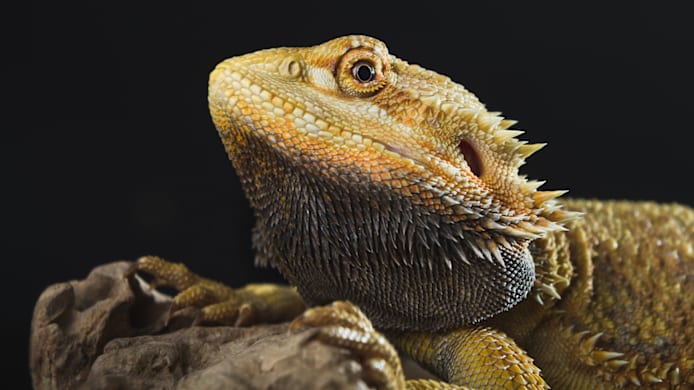
Are you concerned about your bearded dragon’s health and wondering why your bearded dragon’s beard is turning black? Find common causes here.
Why do bearded dragon’s beards turn black?
Bearded dragon’s beards turn black for a variety of reasons. One of the most common reasons is that the bearded dragon is feeling threatened or aggressive when confronted by another animal or person. A bearded dragon’s beard can also turn black when they are feeling stressed or ill.
The beard is one of the bearded dragon’s most distinctive features. It is the patch of skin under their chin that can be expanded and puffed out to make them look larger and more intimidating. Their beards can turn black for multiple reasons, including feeling threatened, aggressive, stressed, sick or having improper nutrition.
Do bearded dragons normally change color?
Yes, it can be normal for bearded dragons to change color. They are able to do this because they have cells in their skin called chromatophores that contain pigment and can reflect light differently in response to changes in their mood, demeanor or environmental temperature.
Color changes can sometimes happen gradually as a lizard gets older and their skin grows and stretches, or they can happen suddenly if there is something that makes a beardie excited or anxious. Bearded dragons can also change the color of their backs rapidly in response to environmental temperature fluctuations. They will lighten the color of the skin over their backs when they are hot to try to absorb less heat. Conversely, they will darken the skin on their backs when they are cold as a way to absorb more heat.
While a bearded dragon may appear black because they are reacting to their surroundings, unique colors in lizards—including black—may simply occur in some breeds because they have been bred to have specific skin colors and patterns. This is how the color mutations in the albino black bearded dragon and blue flame black bearded dragon have been achieved.
Even though color changes may be normal, pet parents should monitor and be inquisitive about their bearded dragon’s color changes. This understanding can offer important clues about how a pet feels and how comfortable they are in their environment.
When to be concerned
Skin color changes in bearded dragons can happen suddenly or over the course of months. As we’ve discussed, there are some perfectly normal reasons a beardie may change their skin color to black that shouldn’t be cause for concern. However, there are some
potentially dangerous reasons for this skin color change, including various sources of stress, exposure to inappropriate environmental conditions or severe underlying health issues. Bearded dragons also may undergo skin color changes during brumation—a natural process similar to hibernation in which reptiles experience a period of dormancy and slower metabolism. However, brumation is not necessary for pet bearded dragons since their environmental conditions and diet should remain constant.
In some cases—such as brumation—color changes may be prolonged. If your beardie’s color changes and it is not in response to brumation or other obvious factors affecting their mood or environment, there may be cause for concern and you should have your pet checked out by a veterinarian.
Reasons a bearded dragon might turn black
1. Thermoregulation
The most common reason a beardie turns black is thermoregulation.
Bearded dragons are cold-blooded, meaning they can’t regulate their own body temperature and depend on external heat to warm them up. Darker colored scales help reptiles absorb heat faster. When bearded dragons are cold, they can make their skin darker to help absorb any extra heat they can.
It’s not uncommon for a beardie to turn black—especially in the morning or if there is a drop in ambient temperature—to try to get their body temperature up.
If a bearded dragon turns dark often, it might be that their habitat isn’t warm enough. Ideal temperatures for a bearded dragon are 75-80°F in the cooler part of the tank and 95-100°F in the warmer part. Bearded dragons should also have a basking zone with ultraviolet (UV)B light and a temperature of 105-110°F. Nighttime temperatures should not fall below 70-75°F. If your bearded dragon is black, check the thermometers in the habitat to ensure the temperature is in the appropriate range. If it is too cold, increase the heat and see if your pet’s color returns to normal. If their skin color remains dark, consult your veterinarian for help in determining the cause.
If your bearded dragon turned black and died, it’s possible that inappropriate habitat temperature was the cause. Speak to your veterinarian about the specifics of your pet’s situation to better understand what might have happened.
2. Stress
Lizards get stressed out for a variety of reasons, including fear, anger, anxiety, discomfort and threats to their territory. A pet beardie may be stressed out by loud noises, other pets near their enclosure, movement or cleaning of their habitat, excess handling and lights or heat being turned on and off too frequently.
A bearded dragon’s black beard is one of the ways they can manifest the stress they are feeling.
If stress is the cause of a beardie’s color change, their beard may not be the only body part that turns black—other body parts may turn black, too. They may also show additional signs of stress, such as rapid opening and closing of their mouths, hiding or decreased appetite. Long-term stress can suppress their immune system function, predispose them to infections and decrease their overall quality of life.
You can help reduce stress in your bearded dragon’s habitat by providing hiding places for security and offering décor—such as rocks and branches to climb on—to help enrich their life. Hiding spots provide them with safety from perceived threats and dangers, greatly decreasing their stress level and helping them feel safer and more comfortable in their enclosure.
A black beard on your bearded dragon could also be a sign that they feel threatened. Bearded dragons commonly turn their beards black to try to ward off rivals or perceived predators such as cats, dogs or birds. Bearded dragons might also feel threatened or stressed while being handled until they get more used to you.
Another potential threat in the eyes of a pet bearded dragon is other bearded dragons. In nature, beardies are generally solitary and only come together to mate. Encounters with other bearded dragons may lead to intense standoffs or even fighting—and the same is true with pet bearded dragons.
To help to reduce potential stress, provide your bearded dragon with a safe, stable, quiet environment and keep other pets away from their habitat.
3. A desire to mate
Another cause for a black beard on a bearded dragon can be that they are trying to impress a female when looking for a mate. This might especially be the case during springtime and breeding season.
Sexually mature male bearded dragons use the darker beard to attract potential mates and as a threat to potential rivals. Other courtship rituals include bobbing their head up and down rapidly or generally acting more aggressively. Males can display these behaviors during breeding season even if there are no other bearded dragons around to mate with.
These displays, including the black beard, are all part of normal breeding behavior and are not something to be concerned about. If your bearded dragon has a black beard and is acting hormonal but is otherwise eating, drinking and active as usual, there is likely no cause for alarm.
4. Emergence from brumation
Brumation is a less intense version of hibernation that many bearded dragons in nature undergo in response to cooler temperatures and food scarcity. Brumation is characterized by periods of lethargy and sluggishness in which the heart rate drops, the digestive system shuts down, metabolism slows and animals appear to be in a deep sleep. However, bearded dragon brumation should not occur in pet beardies because their environmental temperatures and food availability should remain constant all year-round.
It is sometimes difficult to know whether a bearded dragon is sick or is undergoing brumation, as some bearded dragon brumation signs resemble illnesses.
Some bearded dragons coming out of brumation may display darker colors to try to absorb as much heat as they can to get their body temperature and energy levels back up.
If your beardie just woke up from brumation and has a black beard, don’t be concerned about their color change. Instead, review their habitat conditions—light, temperature, humidity, etc.—to ensure they are at optimal levels and to better understand what caused brumation to occur.
5. Establishing dominance and acting territorial
A bearded dragon’s beard color is used to communicate a lot of different feelings. For example, a male bearded dragon will turn their beards black when they are trying to establish dominance over other bearded dragons or when they perceive a threat to their territory.
This behavior is more common when a bearded dragon is housed with or in view of others. The change in beard color may also be accompanied by other behaviors, such as head bobbing or trying to lie on top of their rivals.
Bearded dragons are solitary creatures and shouldn’t be housed together—other than to encourage breeding. Their dominance displays can easily lead to fighting or constant harassment of females by males intent on mating. Sometimes even single bearded dragons can display dominance and territorial behaviors, including beard color changes. These are normal behaviors and generally not a cause for concern.
6. Illness
Of all the possible reasons a bearded dragon can develop a black beard or undergo other color changes, illness is the most concerning and potentially lethal.
If your lizard turns black and stays black and there is no other obvious explanation for this color change, it’s possible that they’re sick. Other signs of illness include lethargy, reduced activity, decreased appetite, changes in droppings, swollen belly, discharge from the nose or eyes and difficulty breathing. If you have a female, any of these symptoms might also be a sign of problems with egg-laying. If you observe any of these signs in your pet, they should be checked out by a veterinarian familiar with reptiles as soon as possible.
7. Inappropriate lighting
In nature, bearded dragons spend a great deal of time basking in the sun. Sunlight not only helps keep them warm but also enables them to make vitamin D in their skin so that they can absorb calcium from their food for strong, healthy bones. In an enclosed indoor habitat, pet bearded dragons need to be exposed to UVB rays from a full-spectrum UV bulb for several hours a day to ensure they don’t become vitamin D- or calcium-deficient. A lack of UVB exposure can lead to metabolic bone disease—a condition seen commonly in indoor pet beardies that causes skeletal deformities.
If you notice bearded dragon skin turning black and staying black, it may be due to a lack of sufficient UVB exposure. You might need to change your bulb or upgrade the current lighting system for your pet if you either don’t have a UV light or it’s been more than six months since you’ve changed the bulb. Ask your veterinarian about the optimal lighting conditions for your pet, and be sure to regularly test and replace their bulbs according to the manufacturer’s recommendations.
Where Your Bearded Dragon Is Turning Black — and What It Means
A black beard is the most talked-about color change in bearded dragons, but darkening can appear on the tail, the body, or as isolated spots — and each location tells a different story. Use the location of the color change as your first clue, then look at your pet's overall behavior to decide how urgently you need to act.
Black Beard or Dark Body Skin
A bearded dragon's beard or general body skin can turn black for several distinct reasons, and most of them are behavioral rather than medical. The most common triggers include:
- Thermoregulation — Dark pigment absorbs heat more efficiently. A beardie that hasn't warmed up yet will often darken its beard and belly to soak in more radiant energy from the basking lamp.
- Stress — New environments, unfamiliar handling, a reflection in the glass, or a nearby pet can all trigger a stress response that darkens the beard.
- Dominance and territoriality — Bearded dragons are solitary by nature. Housing two dragons together — even briefly — frequently causes beard blackening as one or both assert dominance.
- Mating behavior — Sexually mature males commonly display a jet-black beard when courting a female or when they detect another male nearby.
- Illness — Persistent, unexplained darkening that doesn't resolve after the animal has warmed up and been given a calm environment can signal an underlying health issue.
- Inappropriate lighting — Incorrect UVB output or a basking temperature that's too low can cause chronic darkening as your pet struggles to thermoregulate.
What to watch for: A beard that darkens briefly and then returns to its normal color after basking or once a stressor is removed is almost always normal. A beard that stays black for hours, is paired with lethargy, sunken eyes, loss of appetite, or labored breathing, warrants a call to your veterinarian.
Black Tail
A black tail is one of the more urgent color changes you can observe in a bearded dragon. While minor darkening near the tail tip can occasionally be pigment-related, the most common and serious cause is tail rot — a condition in which tissue begins to die due to restricted blood circulation. Tail rot can result from trauma, a constricting shed of skin that wasn't removed, or infection.
How to assess your dragon's tail at home:
- Look at the color — is the darkening isolated to the tip, or is it spreading toward the body?
- Gently feel the affected area — healthy tail tissue is soft and flexible.
- Note the temperature — a section of tail that feels noticeably cold compared to the rest of the body is a warning sign.
- Check for hardness, dryness, or bleeding — these indicate the tissue may be necrotic.
- Observe your pet's reaction to gentle touch — flinching or sensitivity suggests pain.
If the tail is cold, hard, dry, bleeding, or if your bearded dragon reacts with pain when you touch it, the tissue in that section may no longer have adequate blood supply. Do not attempt to treat tail rot at home. Take your pet to a veterinarian promptly; depending on the severity, treatment may be medical or surgical. Early intervention gives the best outcome.
Black Spots on the Skin
Isolated black spots on a bearded dragon's body require a more careful read than a fully black beard or tail, because the range of causes runs from completely harmless to genuinely serious.
| Possible Cause | What It Typically Looks Like | Urgency |
|---|---|---|
| Normal pigmentation | Consistent spots present since birth or last shed; no change in size or texture | Monitor only |
| Bacterial infection ("scale rot") | Discolored, soft, or slightly raised scales; may appear wet or crusty | See a vet soon |
| Fungal infection | Irregular dark patches; scales may look dull or flaky | See a vet soon |
| Parasitic disease | Spots accompanied by weight loss, lethargy, or abnormal droppings | See a vet promptly |
| Thermal burn | Spots appear after contact with a hot surface (e.g., a loose heat rock); skin may blister | See a vet promptly |
| Cancer / neoplasia | New or rapidly changing spots, especially in older animals | See a vet promptly |
The key question is change. Spots your dragon has always had are far less concerning than spots that appear suddenly, grow, change texture, or are accompanied by other signs of illness — such as lethargy, reduced appetite, or abnormal droppings. If new black spots appear alongside any of those signs, contact your veterinarian right away.
A note on thermal burns: Loose heat rocks and improperly positioned heat lamps are a common source of burns in reptiles because bearded dragons cannot always sense dangerously high surface temperatures. If you suspect a burn, consult your veterinarian and review your enclosure's heat setup.
When to Call Your Veterinarian
Regardless of where the darkening appears, the rule of thumb is straightforward: if you cannot identify a clear behavioral or environmental reason for the color change, or if the change persists and is paired with any sign of illness, call your veterinarian. A veterinarian experienced with reptiles can perform a physical exam and, if needed, run diagnostics — bloodwork, cultures, or imaging — to identify the underlying cause and recommend the right course of treatment for your pet's long-term wellbeing.
Frequently Asked Questions
Is a black beard on a bearded dragon always a sign of something wrong? No — a black beard is not always cause for concern. Bearded dragons commonly darken their beards during thermoregulation, breeding displays, or when asserting dominance, all of which are normal behaviors. However, if the black coloration persists without an obvious trigger, spreads to other body parts, or is paired with lethargy, loss of appetite, or labored breathing, contact your veterinarian promptly.
How can I tell if my bearded dragon's black beard is stress-related versus temperature-related? Look at the context and the location of the color change. If the darkening appears mainly on the beard and occurs in the morning or after a temperature drop, thermoregulation is the likely cause — check that your enclosure's basking zone sits at 105–110°F and the cool side stays at 75–80°F. If the black coloring extends beyond the beard to the body, and your pet is hiding, gaping its mouth, or refusing food, stress or illness is more likely the trigger.
When should I call a vet about my bearded dragon's black beard? Reach out to a reptile-knowledgeable veterinarian if the black coloration lasts more than a day or two without a clear environmental cause, if it is accompanied by other symptoms — such as weight loss, swollen limbs, discharge from the eyes or nose, or unusual droppings — or if your pet stops eating or becomes unresponsive. Early veterinary evaluation is always the safest choice when you are unsure.
Can a black beard indicate a nutritional problem? Yes, poor nutrition can contribute to overall stress and immune suppression in bearded dragons, which may manifest as persistent color changes including a darkened beard. Bearded dragons require a carefully balanced diet of appropriately sized insects and leafy greens, along with proper calcium and vitamin D3 supplementation to support bone health and metabolic function. If you suspect a nutritional gap, consult your veterinarian before adjusting your pet's diet.
Do female bearded dragons also get black beards? Yes — both male and female bearded dragons can display a black beard. Males use it most prominently during breeding season to attract mates and intimidate rivals, but females also darken their beards in response to stress, perceived threats, or discomfort. A black beard on a female should be evaluated using the same criteria as for a male: consider the context, duration, and any accompanying symptoms.
Is a "black bearded dragon" a separate morph from a beardie with a temporarily black beard? These are two distinct things. A temporarily black beard is a behavioral and physiological response to mood, temperature, or health. A "black bearded dragon" morph — such as the blue flame or albino black varieties — refers to a lizard that has been selectively bred to carry specific pigmentation mutations, giving it a permanently darker or uniquely patterned appearance regardless of mood or environment.
This article was created with assistance from AI tools and reviewed for accuracy by Petco's content team.


