


Two Easy Ways to Start Earning Rewards!
Become a member today! Members-only pricing and offers, personalized care notifications, Vital Care points back on every purchase and more!
 Become a credit card member today!
Earn 2X Pals Rewards points at Petco
when you use Petco Pay!APPLY NOWLearn More About Petco Pay Benefits
Fish Stress: Signs, Causes & How to Help
Published on September 9th, 2022
Updated on July 16th, 2026

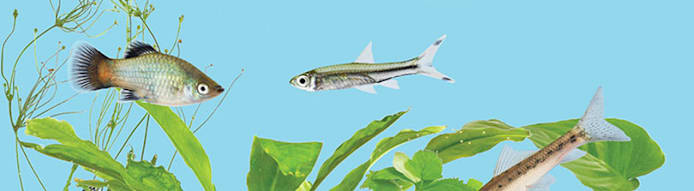
Learn how to spot the signs of a stressed fish and what you can do to calm them and and restore a peaceful, stress-free atmosphere for your aquarium inhabitants.
It can be difficult to notice when our pets are in distress, especially because they can’t tell us exactly what’s wrong. For aquatic life, this can be even more challenging, as can knowing what to do once a problem has been recognized. The truth is, even small, subtle changes in fish behavior or appearance can indicate stress. It’s important to know how fish become stressed and how to react quickly when it happens.
Why Fish Get Stressed — And How to Help Them
Fish are more sensitive to their environment than many pet parents realize. Stress in fish isn't just a behavioral inconvenience — it can weaken the immune system, make fish more vulnerable to disease, and shorten their lifespan Merck Veterinary Manual. Knowing what triggers fish stress, and how to respond quickly, is one of the most important things you can do for your aquatic life.
Common Causes of Fish Stress
Poor water quality or incorrect water temperature Water quality is the single biggest driver of fish stress. The water itself is only part of the equation — your fish tank's filter system, decorations (gravel, live plants, ornaments), the food you feed, and even your fish's own waste all affect water chemistry. Different species also require different temperature ranges, and fluctuations outside those ranges can cause rapid stress. Without clean, properly maintained water, fish become stressed quickly Merck Veterinary Manual.
Moving to a new fish tank Fish are highly susceptible to stress from environmental changes. Even a routine cleaning can be disruptive — relocating a fish to an entirely new fish tank requires extra care. Before you make that move, speak with a Petco aquatics specialist to make sure you're following the right procedure to minimize stress on your fish.
Overcrowding Not all fish are compatible with one another, and even compatible species each need adequate space to live and grow comfortably. Adding more fish to a fish tank also increases waste output, which may require upgrades to your filtration system and more frequent cleaning.
Lack of fish tank decorations An empty fish tank is just as problematic as an overcrowded one. The gravel or sand you use as a base layer matters — gravel and stone provide surfaces where beneficial bacteria can colonize, which helps keep nitrogen levels in check. Live plants help stabilize both nitrogen and CO₂ levels. Decorations that give your fish places to hide and swim around reduce stress and encourage natural behavior. Just remember to clean decorations regularly so they don't become a source of the problem .
Improper diet Fish require a species-specific diet. Feeding the wrong food can leave your fish lacking essential nutrients, while overfeeding creates a separate problem: uneaten food breaks down in the water, degrades water quality, and accelerates the buildup of harmful compounds between cleanings. Feeding the right amount of the right food — and removing excess promptly — goes a long way toward a less stressful fish tank .
Illness or injury A fish already dealing with illness or a physical injury will experience compounding stress. In these cases, the underlying health issue and the stress response feed into each other, making prompt attention especially important.
How to Recognize a Stressed Fish
Before you can help, you need to spot the signs. Stress in fish shows up across three categories:
| Category | Signs to Watch For |
|---|---|
| Behavioral | Reduced activity, excessive hiding, sporadic or erratic swimming, decreased appetite |
| Physical | Nicks or tears in fins, labored breathing, gasping at the water's surface |
| Appearance | Color changes (lighter, darker, discoloration or spots), small white specks (possible ich), fading color on skin or gills (possible flukes) |
If you notice any combination of these signs, act promptly — the sooner you identify the cause, the better the outcome for your fish Merck Veterinary Manual.
How to Help a Stressed Fish: Step-by-Step
Once you've spotted the signs, work through the most likely causes systematically before reaching for any treatment.
- Test your water first. Use a water quality test kit to check pH, nitrate and ammonia levels for your fish's specific species requirements. You can also bring a water sample into your local Petco — an aquatics specialist can test it for you on the spot.
- Check your filtration system. Confirm the filter is running properly and hasn't become clogged or degraded. A failing filter is one of the fastest ways water quality can collapse.
- Inspect your fish closely. Look for fading color on the skin or gills, which can indicate skin or gill flukes, and check for small white specks, which may point to ich. If you see either, consult an aquatics specialist before proceeding.
- Consider a stress coat product. Stress coat treatments can help remove chlorine, neutralize chloramines and detoxify heavy metals to restore optimal water conditions. Some formulations can also support healing of skin wounds and torn fins .
- Address overcrowding. If your fish tank is too full, move additional fish to a separate fish tank or upgrade to a larger one. Reducing competition for space and resources can make a significant difference quickly.
- Boost oxygen levels. Make sure there's adequate surface area where water meets air. A waterfall feature, air pump or the addition of live plants can all help increase dissolved oxygen in the water — low oxygen is a frequently overlooked stressor Merck Veterinary Manual.
- Review your feeding routine. Confirm you're feeding a species-appropriate diet, feeding the right amount, and removing uneaten food promptly after each feeding.
When to Ask for Help
If you've worked through the steps above and your fish is still showing signs of stress, don't wait. Speak with a Petco aquatics specialist — they can help you narrow down the cause and find a solution. For signs of illness, injury or anything beyond routine stress, consult your veterinarian, particularly one with experience in aquatic animals. Early attention gives your fish the best chance at a full recovery the AVMA.
Frequently Asked Questions
What are the most common signs of stress in fish? Watch for heavy or rapid gill movement, gasping at the water's surface, erratic or darting swimming, excessive hiding, faded or blotchy coloration, clamped fins, and a noticeable drop in appetite. Even subtle changes in your fish's normal behavior or appearance can signal that something is off and warrants a closer look at tank conditions.
How do I reduce fish stress quickly? Start by testing your water immediately — check pH, ammonia, nitrite and nitrate levels, and water temperature for your specific species. Confirm your filter is running properly, remove any uneaten food, and consider adding a stress coat product to neutralize chlorine, chloramines and heavy metals while supporting fin and skin repair. Reducing sudden light changes and minimizing loud vibrations near the aquarium can also help calm fish right away.
Can a new aquarium cause fish stress? Yes. Moving fish to a new tank — or even performing a full cleaning — is one of the most common stress triggers. Fish are highly sensitive to environmental changes, including shifts in water chemistry, temperature and unfamiliar surroundings. Always acclimate fish gradually and consult a Petco aquatics specialist before making any major tank transitions to keep disruption to a minimum. Merck Veterinary Manual
Is an empty aquarium stressful for fish? It can be. A bare tank removes hiding spots and visual boundaries that many fish rely on to feel secure. Adding appropriate decorations, live or artificial plants, and the right gravel or substrate gives fish places to retreat and explore, which can help support calmer behavior. Gravel and stone also provide surfaces for beneficial bacteria that help keep nitrogen levels stable. Merck Veterinary Manual
Can poor diet cause fish stress? Yes. Feeding a species-inappropriate diet can leave fish lacking essential nutrients, which can contribute to a weakened immune response and increased stress. Overfeeding is equally problematic — uneaten food breaks down quickly, degrades water quality and raises ammonia levels, all of which are direct stressors. Feed only what your fish can consume in a few minutes and remove any excess promptly.
When should I contact a veterinarian about a stressed fish? If your fish shows persistent symptoms — ongoing lethargy, visible lesions, white spots that may indicate ich, fin deterioration, or continued gasping — even after you've corrected water quality and environmental factors, consult a veterinarian with aquatic experience. Some conditions require professional diagnosis and treatment that goes beyond at-home care. Merck Veterinary Manual
This article was created with assistance from AI tools and reviewed for accuracy by Petco's content team.
Related Articles


