


Two Easy Ways to Start Earning Rewards!
Become a member today! Members-only pricing and offers, personalized care notifications, Vital Care points back on every purchase and more!
 Become a credit card member today!
Earn 2X Pals Rewards points at Petco
when you use Petco Pay!APPLY NOWLearn More About Petco Pay Benefits
My dog had a mast cell tumor removed. What to expect? Prevent new lumps?
Updated on September 23rd, 2025
Pet's info: Dog | Mixed Breed Large (61lb +) | Male | unneutered | 1 year and 4 months old | 9 lbs
My dog just had his Grade II mast cell tumour removed, what should we anticipate and how can we prevent more lumps from growing?
3 Answers
Most Helpful Answer
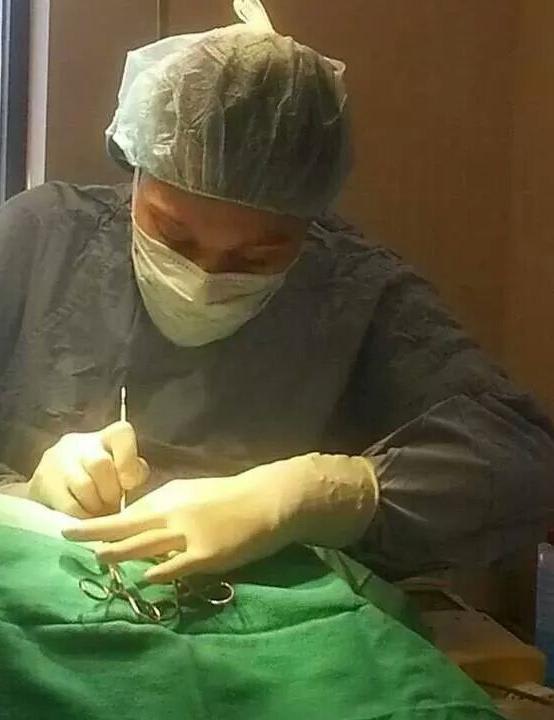
Answered By Ana M, DVM
Veterinarian
Published on December 12th, 2018
 1Pet Parents found this answer helpful
Related Answers from Veterinarians
Answered By Destini R. Holloway, DVM
Veterinarian
Good question. I would check with the veterinarian who should get the histopath report back soon to indicate whether the entire mass was removed or if there were cells left behind. If there were some cells left behind, due to infiltration into the surrounding tissue that was likely microscopic, then I would consider a referral to an oncologist to pursue chemotherapy if desired.
However, if all cancer cells were removed from the area, then you are in good shape. Monitor Twix for any new masses and always have them checked/tested by your vet as soon as they arise. Pets that develop mast cell tumors this young, typically will develop others in new places. There are unfortunately no known supplements or anything that have been proven to slow down the progression of new mast cell tumors; however, feeding Twix a high quality food is best.. Some good high quality foods to consider are Fromm, Royal Canin, Hill's Science diet, or Merrick just to name a few. Best wishes with your pet Twix and I hope that you can manage his future skin masses (if any) well here moving forward. Take care!0Pet Parents found this answer helpful
Answered By Ricardo Fernandez, DVM
Veterinarian, Veterinary Oncology Resident
Published on July 18th, 2018
Thanks for using Petco Pet Education Center, formerly Petcoach! The metastatic rate (chance of being in other places) for a subcutaneous mast cell tumor will depend on things noted on the biopsy report such as the mitotic index. Assuming it looked typical and not too aggressive, the metastatic rate is usually less than 20%. Usually physical examinations every 3 months are recommended going forward to look for any evidence of regrowth of the tumor. Other than that, it is always recommended to continue to monitor for new masses as these may be seen and could be completely separate and unrelated to this mast cell tumor. Good luck and have a great day!
1Pet Parents found this answer helpful