


Two Easy Ways to Start Earning Rewards!
Become a member today! Members-only pricing and offers, personalized care notifications, Vital Care points back on every purchase and more!
 Become a credit card member today!
Earn 2X Pals Rewards points at Petco
when you use Petco Pay!APPLY NOWLearn More About Petco Pay Benefits
How to Stop a Dog From Begging for Food
Published on January 24th, 2023
Updated on June 18th, 2026

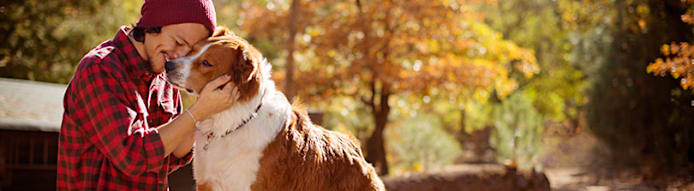
Tired of your dog begging at the dinner table? Learn effective tips to curb begging behavior, from training techniques to creating positive mealtime routines. Enjoy peaceful meals and support your dog's health by reducing begging habits.
“I haven’t eaten in two weeks.”
“Clearly you never learned how to share.”
“If you don’t share that sirloin, I will never speak to you again.”
Oh, the untruths your dog will spew around the dinner table. Shame? A begging dog has none. They’ll even resort to whining, pawing, drooling—anything to score a tasty morsel.
A warm-hearted soul is bound to cave every now and then.
But giving in to your dog only makes things worse. Think about it: Successful begging brings not only food but also attention. It can quickly become an addictive habit.
The problem is, not everyone enjoys a drooling dinner companion. And regular table scraps can be detrimental to your dog’s health.
If you’re ready to eat your meals in peace, consider following these tips for teaching your dog not to beg:
Puppy dog eyes should not win a prize
It’s simple, but yet so hard: Don’t reward an inappropriate behavior. Consistency is key. If your dog continues to receive tabletop treats, your dog will continue to beg. Make a pact with members of your household and kindly remind guests: Ignore the tableside beggar.
Don’t invite your dog to dinner
For dog lovers, ignoring a pleading dog can be an unpleasant—and even painful—task. Plus, a nosy dog can easily disrupt dining room ambiance. For these reasons, consider giving your dog his own seat—away from the table.
Try putting a comfy dog bed in the corner of your dining room. Place your dog’s favorite toys and chews in the bed, and praise him when he sits or lies down on the bed. Instruct your dog to “stay” (assuming your dog knows this basic behavior) and reward him with a treat (not from the table!)
Or, if your dog is crate-trained, consider directing him to his crate for the dinner hour.
Offer dinner entertainment…for your dog
If it’s impossible to keep your dog away from the table, try giving him something else to do. Before you sit down to eat, present your dog with a chew or food puzzle. It may keep him busy—and distracted from begging. If this happens, be sure to give your dog a lot of praise. Make sure the chew or toy is the right size and keeps an eye on him. Best of all, this kind of entertainment gives your dog a positive and appropriate alternative to begging.
Give your dog the early-bird special
Feed your dog before you sit down to dinner. If your dog has a full stomach, he may be less inclined to grovel for your table scraps. Always provide your dog with high-quality nutrition that meets his needs. Your veterinarian or nutrition certified pet store associate can recommend the best nutrition for your dog’s breed, age and size.
Remember, there are certain table scraps your dog should never eat—such as chocolate, onions, grapes or raisins.
Resist his charms—stay strong!
If you’ve become accustomed to sharing meals with your dog, these anti-begging tips may be difficult to follow. After all, puppy dog eyes can be ruthless. But stay strong, and, above all else, stay consistent. Reward good behavior and ignore or redirect the inappropriate behavior. Your guests—and your dog’s health—will thank you.
Frequently Asked Questions
Why does my dog beg for food? Begging is a learned behavior reinforced by reward. When a dog receives food, attention, or even eye contact in response to whining or pawing at the table, he quickly associates that behavior with a positive outcome — and repeats it. Dogs are omnivores with strong food motivation, which makes consistent reinforcement (or the absence of it) the single most powerful tool you have. https://www.merckvetmanual.com/management-and-nutrition/nutrition-small-animals/nutritional-requirements-of-small-animals
Is it bad to give dogs table scraps? Regularly sharing human food with your dog can disrupt his nutritional balance, contribute to weight gain, and expose him to ingredients that are harmful or even toxic to dogs — including onions, grapes, raisins and chocolate. Even well-intentioned scraps can quietly add excess calories that compound over time. For guidance on what a complete and balanced diet looks like for your dog, consult your veterinarian or a Petco-certified nutrition associate. https://www.aspca.org/pet-care/animal-poison-control
What human foods are dangerous for dogs? Several common household foods pose serious risks to dogs. Chocolate, onions, garlic, grapes, raisins and xylitol (an artificial sweetener found in many sugar-free products) are among the most frequently cited hazards. If you suspect your dog has eaten something toxic, contact your veterinarian or the ASPCA Animal Poison Control Center immediately. https://www.aspca.org/pet-care/animal-poison-control
How long does it take to stop a dog from begging? There is no universal timeline — it depends on how long the behavior has been reinforced and how consistently every member of your household responds. Because begging is maintained by intermittent reward (even one cave-in can reset progress), full household consistency is essential. Most pet parents see meaningful improvement within one to three weeks of zero reinforcement paired with a positive alternative behavior, such as a designated place cue.
Should I feed my dog before or during my own meals to reduce begging? Feeding your dog his meal before you sit down to eat can reduce food-seeking behavior at the table, since a dog with a full stomach is generally less motivated to solicit scraps. Make sure that meal is nutritionally complete and appropriate for his age, size and life stage — look for products that meet AAFCO nutritional standards as a baseline indicator of quality. https://www.aafco.org/consumers/understanding-pet-food/
Can a food puzzle or chew really stop begging? Yes — redirecting your dog to an appropriate, engaging activity before you begin eating gives him a sanctioned outlet for his energy and focus. Food puzzles, long-lasting chews and stuffed toys can occupy a dog long enough for a full meal to pass without incident. Always choose a chew or toy that is the right size for your dog and supervise him while he uses it to keep the experience safe and positive. https://www.merckvetmanual.com/management-and-nutrition/nutrition-small-animals/nutritional-requirements-of-small-animals
This article was created with assistance from AI tools and reviewed for accuracy by Petco's content team.


