


Two Easy Ways to Start Earning Rewards!
Become a member today! Members-only pricing and offers, personalized care notifications, Vital Care points back on every purchase and more!
 Become a credit card member today!
Earn 2X Pals Rewards points at Petco
when you use Petco Pay!APPLY NOWLearn More About Petco Pay Benefits
Dog on Leash: Complete Leash Training Guide
Published on March 20th, 2024
Updated on June 18th, 2026

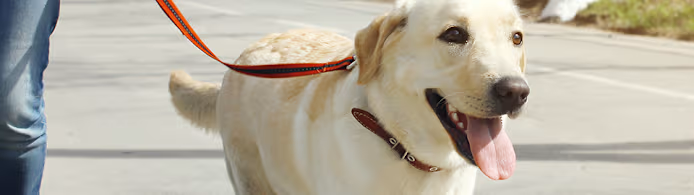
Having a dog pull at the leash can be frustrating and can make walks an annoyance. Learn tips on how to train your puppy or dog how to politely walk on a leash in this post.
Dog walking has many mental and physical benefits for both canines and humans. It’s a way for pet parents and their pups to get outside, get some exercise and bond over a shared activity.
However, sometimes it can be hard to tell whether you are walking your dog, or your dog is walking you. Training your puppy or dog to walk politely on a leash is the first step in establishing a lifetime of quality exercise and fun. Before beginning this training, you will need to ensure that your pet has the proper combination of a leash, collar and/or harness—and be sure that you’re ready with a supply of suitable dog training treats!
Equipment needed for leash training
Choosing the Right Leash, Collar or Harness for Training a Dog on Leash
Getting your dog on leash starts with the right equipment — but the gear only works when you know how to use it. Here's what to have ready before your first training session, and why each choice matters.
Leash Length and Handling
Trainers consistently recommend a 6- to 12-foot leash for teaching a dog on leash, because that range gives your dog enough room to move and explore while keeping him within a safe, manageable distance. Once your dog is walking confidently at your side, you can shorten the lead for everyday walks.
However you hold the lead, technique matters:
- Gather the slack. Collect any extra length in your hand so the lead doesn't drag on the ground or tangle underfoot.
- Never wrap the lead around your wrist or arm. If your dog bolts or lunges suddenly, a wrapped lead can cause serious injury to your wrist, hand or shoulder — and gives you far less control in the moment.
Leash Types: A Quick Comparison
| Leash Type | Best For | Training Use? | Notes |
|---|---|---|---|
| Standard flat lead (nylon or leather), 6–12 ft | All training stages | Recommended | Most control; easy to gather slack |
| Chain lead | Dogs who chew through nylon | Acceptable | Durable; heavier than nylon |
| Retractable lead | Casual, post-training walks | Not recommended for training | Teaches pulling; banned in some regions due to injury risk to pets and pet parents |
| Prong / chain collar | — | Not recommended | Risk of misuse and physical injury |
A note on retractable leads: While retractable leads are popular, they are not recommended for leash training. They allow a dog to practice pulling — the opposite of what you're teaching — and have been associated with injuries to both pets and pet parents serious enough that some regions have restricted their use entirely.
A note on chain and prong collars: These are not recommended due to the risk of misuse that can cause injury. A properly fitted flat collar, martingale collar or front-clip harness gives you effective, humane control without that risk.
Inspect Your Lead Before Every Walk
A frayed or worn lead can snap without warning, putting your dog and everyone nearby at risk. Make it a habit to check your lead for fraying, cracked hardware or weakened stitching before and after each outing. If you and your dog go through leads quickly, a chain lead offers added durability. Replace any lead that shows significant wear immediately.
Treats: Your Most Powerful Training Tool
Treats are one of the most effective positive-reinforcement tools for getting a dog on leash and keeping him engaged throughout training. The key is keeping them small and low-calorie — even for large dogs, a pea-sized piece is plenty rewarding and won't add up to excess calories over a session.
A few treat-selection tips:
- Soft over crunchy. Soft treats are eaten quickly, so your dog refocuses on you faster.
- High value for high distraction. Reserve your dog's favorite treat for the moments he's working hardest — loose-lead walking past another dog, for example.
- Watch the 10% rule. Treats should make up no more than 10% of your dog's total daily caloric intake to keep his diet balanced.
- Keep them handy. A treat pouch clipped to your waistband means you can reward the instant your dog does the right thing — timing is everything in training.
Consult your veterinarian if your dog has food sensitivities, weight concerns or a health condition that may affect which treats are appropriate for training sessions.
Steps for Teaching a Puppy to Walk on a Leash
Teaching your puppy how to walk on a leash properly and safely at a young age will likely help prevent frustrating behavior like leash pulling later in life. It’s important to remember, however, that puppies won’t instinctively understand walking on a leash. Pet parents should be prepared to spend time training their young dogs to walk correctly on a leash. Starting this process indoors can be helpful, as there are fewer distractions.
Use a lightweight buckle collar for puppy leash training. After getting your puppy safely leashed, start by letting them drag the leash around the house or in another secured area for a few minutes. They’ll get used to the weight of the clip and leash putting a little pressure on their neck. Occasionally pick up the end of the leash and just hold it. They’ll discover that pulling doesn’t release the pressure but giving in to the leash does. Be there to supervise so they don’t get tangled in furniture and get scared.
When you’re ready to begin familiarizing your puppy with what it’s like to walk on a leash, start indoors or in a fenced yard with a pocketful of treats and take just a few steps. They may balk and hang back. Encourage them with enticing sounds and crouch down to their level if you need to (you can be pretty big and scary to such a little pup). Stop and praise them whenever they are by your side on a loose leash. Change the pace and direction of your walk and allow them to make choices, rewarding them when they offer the desired behavior.
A five-minute session is about all a puppy can handle. Notice their energy level and ability to stay focused, and don’t push them beyond that. Puppy training sessions should be a fun, positive experience for all involved. Always end your session on a high note!
Tips for Leash Training Adult Dogs
It's never too late to teach a dog to walk politely on a leash. Adult dogs can absolutely learn new habits — it simply takes a bit more patience and consistency than starting with a puppy. If your dog has spent years pulling or lunging, expect the process to take longer, but know that steady, positive practice pays off.
What makes adult leash training work:
- Keep sessions upbeat. Treats and praise consistently produce faster, more lasting results than correction-based methods. Short, fun sessions beat long, frustrating ones every time.
- Vary your routine. Change direction, pace and focus frequently so your dog stays engaged and attentive to you rather than tuning you out.
- Add distractions gradually. A dog on a leash needs to respond to your cues whether a squirrel darts by or a neighbor waves hello. Practice in low-distraction areas first, then slowly introduce busier environments as your dog gains confidence.
- Be consistent every single walk. Every outing is a training opportunity. Allowing pulling on Tuesday undoes the work you did on Monday.
How to Stop a Dog From Pulling on a Leash
A dog that bolts out the front door and drags you down the sidewalk isn't just frustrating — it's a genuine safety concern for both of you. The good news: pulling is one of the most common and most fixable leash challenges pet parents face.
Start Before You Even Step Outside
The walk begins at the door, not at the end of the driveway. Ask your dog to sit and wait before you open the front door. Hold that sit until you give a release cue, then calmly step out together. This one habit alone sets the tone for a controlled, enjoyable walk and prevents the surge of excitement that leads to pulling in the first place.
What to Do When Your Dog Pulls Mid-Walk
Whether you're working with a puppy or an adult dog, leash pulling often happens because dogs naturally walk faster than we do — and because charging ahead has historically gotten them where they wanted to go. Here's how to interrupt that pattern:
- Stop moving the moment the leash goes taut. Forward motion is your dog's reward. The instant he pulls, that reward disappears.
- Wait for slack. Stand still and neutral. The second your dog eases the tension — even slightly — mark it with a "yes" or a click and reward him.
- Resume walking and reward a loose leash. When he's walking calmly at your side with a J-shaped leash (slack, not tight), praise him and offer a treat. That's the behavior you're building.
- Repeat without frustration. You may stop dozens of times on a single block at first. That's normal. Avoid scolding or jerking the leash — those responses can increase anxiety and make walks less pleasant for your dog, which works against your goal.
- Dedicate focused training time. Set aside a portion of each daily walk specifically for leash-manner practice. A few consistent weeks of this approach can produce a noticeably calmer dog on a leash.
Quick reminder: Never use the leash as a correction tool. Consistent, reward-based practice is the approach most likely to produce a dog who genuinely enjoys walking calmly beside you — rather than one who complies only under pressure.
When to Ask for Help
If you're struggling to make progress with an adult dog or a puppy who pulls persistently, you don't have to figure it out alone. Enrolling in a group class puts your dog in a structured environment with built-in distractions — exactly what leash training requires. A private session with a Petco-certified trainer lets you get personalized guidance tailored to your dog's specific challenges. Petco offers both in-store and online training classes and private lessons for puppies and dogs at all stages. A knowledgeable trainer can identify what's driving the pulling and give you a clear, step-by-step plan to address it.
Frequently Asked Questions
How long does it take to leash train a dog? Timeline varies by age, history and consistency. Most puppies begin walking politely on a lead within a few weeks of short, daily sessions — five minutes is plenty for young pups. Adult dogs with an established pulling habit may need several weeks to a few months of patient, upbeat practice before loose-lead walking becomes reliable. The key is consistency: brief sessions every day outperform long, infrequent ones.
What age should I start leash training my puppy? The earlier the better. You can introduce a lightweight buckle collar and lead as soon as your puppy is home and settled — typically around 8 weeks of age. Starting indoors with minimal distractions gives your puppy the best chance to focus and build confidence before heading outside. Early leash manners make a lifetime of walks safer and more enjoyable for both of you.
What if my dog refuses to walk on a lead? A dog that plants his feet or backs away is usually overwhelmed or uncertain. Try crouching down to his level, using an encouraging voice and offering a high-value training treat to coax a few steps forward. Keep sessions very short, end on a positive moment and gradually increase distance as confidence grows. If refusal persists or seems linked to fear or pain, consult your veterinarian to rule out a physical cause before continuing training.
Why does my dog pull on the lead, and how do I stop it? Dogs pull because moving forward is its own reward — reaching the next smell or person faster reinforces the behavior. The most effective counter is simple: the moment the lead goes taut, stop all forward motion. Resume walking only when the lead is loose again. Reward your dog generously for staying at your side. Pairing this with frequent direction and pace changes keeps your dog focused on you rather than what's ahead. Consistency across every walk — not just dedicated training sessions — is what produces lasting results.
Is a harness or collar better for leash training? Neither is universally superior; the right choice depends on your dog's size, build and behavior. A flat buckle collar works well for puppies and dogs who walk without pulling. A front-clip or no-pull harness can help redirect a dog that lunges or pulls, reducing strain on his neck and giving you more control. Chain and prong collars are not recommended due to the risk of injury from misuse, and retractable leads are not suitable for training. For personalized guidance, visit Petco's guide to choosing the right dog harness, collar or lead.
When should I work with a professional trainer instead of training on my own? If your dog's pulling, lunging or leash reactivity feels unsafe or isn't improving after several weeks of consistent practice, it's a smart move to seek extra support. A Petco-certified trainer — available in group classes or private lessons both in store and online — can assess your dog's specific behavior and tailor a plan to your situation. Enrolling sooner rather than later prevents unwanted habits from becoming deeply ingrained, especially in adult dogs.
This article was created with assistance from AI tools and reviewed for accuracy by Petco's content team.


