


Two Easy Ways to Start Earning Rewards!
Become a member today! Members-only pricing and offers, personalized care notifications, Vital Care points back on every purchase and more!
 Become a credit card member today!
Earn 2X Pals Rewards points at Petco
when you use Petco Pay!APPLY NOWLearn More About Petco Pay Benefits
Helping Your Dog Adjust to a New Baby at Home
Published on January 23rd, 2024
Updated on June 18th, 2026

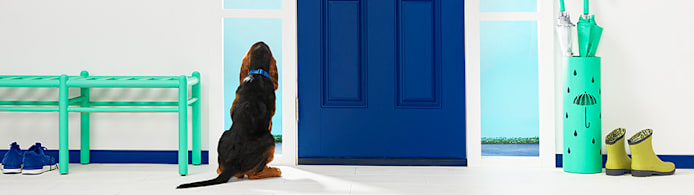
Learn how to help your dog adjust when bringing your baby home. Talk to your veterinarian if you have questions.
If you have a new baby on the way, you are undoubtedly looking forward to that special day you welcome your child home for the first time. At the same time, if you are also a dog parent, you might be somewhat anxious about how your dog will react to this new family member.
Your baby’s health and safety is naturally your number one concern, but it is also normal to worry about your dog and to wonder how long does it take for a dog to adjust to a new baby. The good news is that many families have successfully introduced their new baby to their dog without issue. The key is preparation and awareness of what normal behaviors might occur as your dog transitions from being the center of attention to sharing the love with a new family member.
Before bringing your baby home
Preparing Your Dog Before Baby Comes Home
The weeks before your baby's arrival are the most valuable time you have — use them to set your dog up for success. A calm, confident dog on homecoming day doesn't happen by accident; it's the result of intentional preparation that starts well before the due date. Here's exactly what to do.
Schedule a Veterinary Checkup
Start with a visit to your veterinarian. Confirm your dog is current on all vaccinations, parasite prevention and any recommended wellness screenings. A dog who is feeling his or her best is far better equipped to handle the stress of a big household change. Ask your vet whether a behavioral consultation makes sense if your dog has a history of anxiety, resource guarding or any tension around unfamiliar people.
Adjust Routines Now — Not Later
Dogs thrive on predictability, so if your dog's daily schedule will change after the baby arrives, shift it gradually now rather than all at once. If morning walks will be shorter, start shortening them. If feeding times will move, nudge them by 15 minutes every few days. Abrupt routine changes on top of a new baby's sounds and smells can compound stress for your dog. Easing into the new normal ahead of time gives him or her time to adapt without the added pressure of a newborn in the house.
Desensitize to Baby Sounds, Smells and Gear
Babies come with a lot of sensory novelty. Help your dog get comfortable before day one:
- Sounds: Play recordings of infant crying, cooing and fussing at low volume during calm moments — mealtimes or relaxed play sessions work well. Gradually increase the volume over several weeks so the sounds become background noise rather than a startling trigger.
- Smells: Introduce baby lotion, powder and diaper cream by placing a small amount on a cloth and letting your dog sniff it calmly. Reward relaxed, curious behavior with a treat from your dog treat supply.
- Equipment: Set up the stroller, bouncer, swing and crib well in advance. Let your dog investigate each item at his or her own pace, then establish which spaces are off-limits (such as the crib) with consistent, gentle redirection.
Reinforce (or Teach) Key Manners
A solid foundation of polite behavior makes the introduction far smoother. Focus on:
- "Go to your place" — a reliable cue to settle on a mat or bed on request.
- Loose-leash walking — essential for walks with a stroller.
- Sit and stay — especially useful for controlled greetings.
- "Leave it" — critical for keeping tiny fingers, pacifiers and baby gear off-limits.
If your dog needs a refresher, now is the ideal time to work with a Petco-certified trainer who can build these skills in a low-stress environment before the baby's arrival adds new variables.
Create Positive Associations With Baby-Related Scents
Before your baby comes home from the hospital, ask a family member to bring home a blanket or clothing item the newborn has worn. Let your dog sniff the item calmly while you offer quiet praise and a reward. This first introduction to your baby's individual scent — before the in-person meeting — can take the edge off the novelty of that first face-to-face moment.
Designate Dog-Safe Spaces
Make sure your dog has at least one quiet retreat — a crate, a bed in a low-traffic room or a comfortable corner — where he or she can decompress away from the activity of a newborn household. This is not a punishment space; it's a sanctuary. Stock it with a favorite chew or a food-dispensing toy to build a strong positive association before the baby arrives.
A Quick Pre-Arrival Checklist
| Preparation Step | When to Start | Why It Matters |
|---|---|---|
| Veterinary wellness visit | 6–8 weeks before due date | Confirms health and addresses behavioral concerns early |
| Routine adjustment (walks, meals, sleep) | 4–6 weeks before | Prevents abrupt changes coinciding with baby's arrival |
| Sound desensitization | 4–6 weeks before | Reduces startle responses to infant crying and cooing |
| Baby scent introduction (lotion, powder) | 2–4 weeks before | Builds calm familiarity with new smells |
| Manners reinforcement or training | As early as possible | Ensures reliable responses during introductions |
| Hospital scent introduction (worn blanket) | Day of or day before homecoming | Eases the novelty of the first in-person meeting |
| Safe retreat space established | 2–4 weeks before | Gives your dog a stress-free zone from day one |
Taking these steps before your baby comes home means the first meeting can be what every pet parent hopes for: calm, curious and the beginning of a lifelong bond.
Introducing your dog to your baby
When the wonderful day finally arrives and it’s time to bring your baby home, ask a family member or friend to help with this initial introduction.
If possible, have your helper come to your home 30 minutes before you arrive for a fun play session with your dog to expend any excess energy.
When you arrive, have your helper hold your baby while you take a few minutes to greet your dog. Your dog has missed you, and it is important to spend some time greeting and paying attention to them. You can even bring a gift for your dog when the new baby arrives to associate a positive memory with this change.
After your dog’s excitement about your homecoming has dissipated, you can leave them with your helper and prepare introductions.
Find a comfortable chair for you and your baby to settle into. Once the room is calm and quiet, have your helper bring your dog into the room on leash and slowly let the dog approach you. Have your helper reward your dog for good, calm behavior using treats and gentle praise. Keep in mind it may take hours or days before your dog settles to a point you are comfortable letting them off leash in the same room as you and the baby—especially for high-energy dogs. If you have a high-energy dog, your helper should have treats ready to reward a “sit,” “down” or other cues until your dog settles and can be introduced to the baby without fear of the dog jumping on you or the baby. Talk to your dog as you allow them to see and sniff your baby. Your dog will probably be very curious about this newcomer and will want to explore your baby’s scent. Reward good, calm behavior with treats to help encourage a positive association between your baby and your dog’s calm interactions.
If your dog is hesitant and seems unwilling to come near to your baby, never force the situation. Your dog might simply need a little more time to grow accustomed to your baby’s presence.
Also, it is important to consider your dog’s personality and behavioral tendencies. Not all dogs do well with young children. If that is the case, consult with a veterinarian to rule out any health concerns and work with a trainer or behaviorist to help your pet coexist well in the same room as you and your baby.
Keeping your home safe and happy
After introductions, be sure to supervise interactions between your baby and your dog. Both babies and dogs can be unaware of how their behaviors are perceived by the other. For example, an overexcited dog who is gleefully bringing your baby a new toy could accidentally scratch your baby with their paw. Similarly, a baby that wants to explore textures might grab and pull your dog’s fur, unaware of the discomfort they are causing. If you see your dog develop any undesirable behavior around your baby, consult your veterinarian or a trained behavior specialist to address the issue.
The best way to build a positive bond between your baby and your dog is to keep interactions positive. Make sure to spend ample time with your dog and ensure they continue to get adequate exercise and attention.
For many, the bond between their baby and their dog becomes a meaningful one, creating many happy memories between these two important family members.
Frequently Asked Questions
How long does it take a dog to adjust to a new baby? Every dog is different, but most dogs begin to settle into a new routine within a few weeks to a couple of months. High-energy or anxious dogs may need longer. The timeline depends heavily on preparation before the baby arrives, consistency in training, and how gradually the introduction is managed. If your dog still seems stressed or unsettled after several weeks, consult your veterinarian to rule out underlying anxiety or health concerns.
Can I start training my dog before the baby arrives? Absolutely — and you should. The weeks and months before your due date are the ideal window to reinforce basic cues like "sit," "down," and "leave it," establish new household boundaries, and help your dog get comfortable with baby-related sounds, smells, and equipment. Starting early means your dog is not learning new rules at the same moment a major life change is happening, which reduces stress for everyone.
What if my dog shows aggression toward the baby? Any growling, snapping, or stiff body language directed at your baby is a signal to separate them immediately and calmly — never punish the dog in the moment, as this can suppress warning signals without addressing the root cause. Contact your veterinarian first to rule out pain or illness that may be driving the behavior, then work with a certified applied animal behaviorist or veterinary behaviorist. Never leave a dog and infant unsupervised if aggression has occurred.
Is it normal for my dog to seem jealous or withdrawn after the baby comes home? Yes. Dogs are highly attuned to changes in household routine and attention. Some dogs become clingy; others withdraw. Both responses are normal adjustments. Maintaining your dog's regular walk schedule, play sessions, and one-on-one time can help support emotional stability during the transition. If withdrawal deepens into appetite loss, lethargy, or destructive behavior lasting more than two weeks, speak with your veterinarian.
How do I keep both my baby and my dog safe during early interactions? Supervision is non-negotiable — never leave a baby and dog alone together, regardless of how gentle your dog has been. Keep your dog on a leash during early introductions so a trusted helper can guide behavior, and reward calm, relaxed responses with treats and praise. Baby gear like bouncers, swings, and floor mats should be introduced to your dog gradually before the baby arrives so the equipment itself is not a source of excitement or anxiety on day one.
When should I call a professional trainer or behaviorist? Reach out to a knowledgeable trainer or certified behaviorist before the baby arrives if your dog already shows resource guarding, leash reactivity, or a history of snapping. After the baby is home, seek professional guidance promptly if your dog displays any aggression, extreme fear, or anxiety that does not improve within a few weeks of consistent, positive management. Your veterinarian can provide a referral and help determine whether a behavioral consultation or other support is the right next step.
This article was created with assistance from AI tools and reviewed for accuracy by Petco's content team.


Start by scheduling a visit with your veterinarian for a complete checkup a few months before your baby is expected to arrive. Dogs can carry a host of parasites and bacteria that can be transmitted to humans, and infants and young children are particularly vulnerable to these pathogens until they reach about 5 years of age. A vet can determine the presence of any internal and external parasites and also put your dog on the right preventative medications. Because bacteria can also be found in the system of healthy dogs, always wash your baby’s hands and yours after interacting with dogs, dog toys, food bowls, etc. And never let dogs lick or kiss anyone’s face, no matter how cute they are!
Dogs are creatures of habit, and it will be helpful to keep their routine as consistent as possible. If you plan to change their routine, start adjusting your dog to any new feeding and walking regimen early so they can be better prepared for the baby's schedule. Doing so will reduce the number of changes taking place at once and may help lessen any stress for your dog.
It is also important to help your dog become accustomed to the new smells and objects that will be part of daily life with your baby. Allow your dog to explore and acclimate to any items that make noise, vibrate, rock or bounce, as well as your baby's sleeping and diaper changing areas and related items such as baby powder, lotions and diapers.
A great way to help introduce these new sights, smells, noises and movement is to start incorporating parts of your new routine before the arrival of your baby. For example, turn on any baby jumper, bouncer or toys that make noise or move for a few minutes a day, rewarding your dog for good behavior. For smells, you can apply baby lotion or powder to your hands on occasion and allow your dog to sniff. Dogs rely on their sense of smell, and familiarity with these new baby scents will help your dog recognize the baby as a part of the family. If possible, allow your dog to smell some clothing that your baby has used in the hospital or even the car ride home before you introduce your dog and baby.
It is also essential to set boundaries with your dog early on to help your dog adjust to a new baby. Do not allow your dog to sleep on your baby's furniture or play with your baby's toys.
Try to provide toys for your dog that do not resemble your baby’s toys. If the toys look, feel or smell too similar, your dog may be more inclined to pick up the baby toys.
Keep their play areas and toys separate to ensure that both your baby and your dog have a safe space to play, and your dog knows where to find their toys.