


Two Easy Ways to Start Earning Rewards!
Become a member today! Members-only pricing and offers, personalized care notifications, Vital Care points back on every purchase and more!
 Become a credit card member today!
Earn 2X Pals Rewards points at Petco
when you use Petco Pay!APPLY NOWLearn More About Petco Pay Benefits
Mucus in Dog Poop: Causes, Concerns & When to Act
Published on March 20th, 2024
Updated on June 16th, 2026


Written by Dr. Elyse Macartney, DVM
Reviewed by Petco Editorial Team
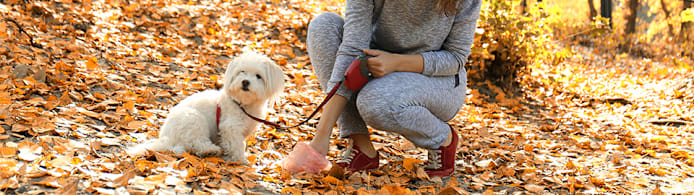
Find out more about the causes of mucus in your dog’s stool. Visit petco.com for more information about your pet’s bowel movements and what to look out for.
The next time your dog does their business, look at your pet’s stool before getting rid of the waste. This may seem like an unpleasant task, but you can learn a lot about your pup’s health by what they leave behind. A small amount of mucus in dog poop usually isn’t cause for concern. However, if you notice that your dog has a lot of mucus in their stoolthis could indicate a serious health issue.
Why does your dog have mucus in its poop?
Mucus provides lubrication in your dog’s intestines—including the colon—and can help your pet pass feces more easily. Mucus typically looks like a clear or colored coating of jelly or slime around your dog’s poop. White mucus in dog poop is the most common color, though you may also see green, red or even yellow mucus in dog poop depending on your pet’s diet or if they have a health condition.
If you find other concerning issues with your pet’s feces, check out our guide, What is Your Dog’s Poop Telling You?.
What causes mucus in dog stool?
Inflammation of the colon—a condition called colitis—is the primary cause of mucus in dog poop. However, many different factors can bring about colitis.
Parasites
Different parasites can cause mucus in your dog’s stool. Some of the most common parasites are whipworms, tapeworms and giardia. For more information, take a look at this guide, Worms in Dog Poop.
Your vet can perform a fecal examination to determine if your pet has parasites and prescribe a deworming medication. It’s always a good idea to give your pup regular parasite prevention medication, and your veterinarian can recommend the appropriate options for your pet.
Intestinal infections
Your dog can develop various infections that cause mucus in their poop, including bacterial, fungal and viral infections. In your dog is suffering from an intestinal infection, you may notice mucus in dog poop, diarrhea, vomiting and a poor appetite.
Your vet can test for different infections and prescribe medications to eliminate the source.
Dietary changes and imbalanced diet
Switching your dog’s regular food formula can stress your pet’s digestive system and cause a temporary bout of colitis. It’s always a good idea to gradually switch your dog’s food to give their body time to adapt.
Alternatively, your dog may decide to scrounge for anything edible during walks, at the dog park or in your yard. Old, rotten food or toxic plants and other substances can cause colitis. If your dog’s symptoms are mild, they will likely resolve in a few days. If symptoms are severe and include diarrhea, vomiting and lack of appetite, it’s time to call your vet.
Sensitivities and IBD
Like people, dogs can suffer from food sensitivities and intolerances that can lead to irritable bowel disease. IBD can cause diarrhea and straining, which inflames the colon and results in dog poop with mucus. Other signs of dietary sensitivities include itchy skin, weight loss and decreased appetite. Your vet can test your pup for reactions and may suggest you try an elimination diet to determine what triggers your dog’s reactions.
Stress
Stress is one of the most common causes of colitis. Dogs can feel stress for various reasons—including changes to their routine, a move to a new home, separation anxiety, loud noises, large crowds and more.
If possible, remove stressors from your dog’s environment and provide them with plenty of support and love. Maintaining a consistent routine can also help your pet deal with stress.
There are less common causes of mucus in a dog’s stool such as cancer. Your dog’s vet will probably check for more likely causes of their symptoms first and may then progress to additional tests, including urinalysis, abdominal X-rays, ultrasounds, endoscopy and a biopsy of the intestinal tract.
If cancer is the cause of your pet’s mucoid poop, your vet may recommend surgery, chemotherapy or radiation treatment.
Can you treat mucus in dog poop at home?
If you’ve only noticed only a small amount of mucus in your pet’s stool and your pet is otherwise healthy, you may be able to treat it at home. Just make sure to contact your vet if their condition worsens.
Consider asking your vet to recommend prebiotics and probiotics for dogs to help support your pet’s digestive health. You may also want to increase your dog’s fiber intake to make it easier for them to pass stools. You can offer your pet fiber supplements or give them more fiber by adding the following to their diet.
- Canned pumpkin
- Boiled boneless chicken breast
- Cooked white rice
Your vet may have additional recommendations for dog vitamins and supplements for your pet, depending on their symptoms.
When to bring your dog to your vet
How do you know when dog poop with mucus requires a visit to your vet? If you notice large amounts of mucus in your pet’s waste or if you’ve seen it in their poop for several days in a row, it’s a good idea to call your vet. Puppies and older dogs can get sick quickly, so even a small amount in the feces of older or young dogs should be reported to your vet immediately.
Dog poop covered in mucus can also be a symptom of a larger issue. Bring your dog to the vet if you notice mucus in poop along with any of these other symptoms.
- Weight loss
- Vomiting
- Diarrhea
- Lack of appetite
- Refusal to eat
If your dog has any serious pre-existing conditions and you notice mucus in their stool, you should also contact your vet.
Frequently Asked Questions
Is a small amount of mucus in my dog's poop normal? Yes — a thin, clear coating of mucus on your dog's stool is completely normal. The lining of your dog's colon naturally produces mucus to lubricate the intestinal tract and help feces pass more easily. It's only when you notice large amounts, a change in color (yellow, green or red), or mucus appearing alongside other symptoms like diarrhea or vomiting that you should be concerned and contact your veterinarian.
What are the most common causes of excessive mucus in dog stool? Inflammation of the colon (colitis) is the primary driver, and it can be triggered by several factors: intestinal parasites such as whipworms, tapeworms or giardia; bacterial, fungal or viral infections; abrupt dietary changes; food sensitivities or inflammatory bowel disease (IBD); and stress from routine disruptions, loud noises or separation anxiety. Less commonly, persistent mucus can signal a more serious underlying condition, which is why ongoing symptoms always warrant a veterinary evaluation.
When should I call my veterinarian about mucus in my dog's poop? Contact your veterinarian promptly if you observe any of the following: mucus present for more than two consecutive days; large or increasing amounts of mucus; mucus combined with diarrhea, vomiting, weight loss or loss of appetite; blood visible in the stool alongside mucus; or if your dog is a puppy, a senior or has a pre-existing health condition. Puppies and older dogs can deteriorate quickly, so err on the side of calling sooner rather than later.
Can diet cause mucus in dog poop, and what can I do at home? Yes. Switching foods too quickly is a frequent culprit — the digestive system needs time to adapt. Always transition to a new food gradually over seven to ten days. If symptoms are mild and your dog is otherwise acting normally, you can support digestive health at home by adding fiber-rich foods such as plain canned pumpkin, cooked white rice or boiled boneless chicken breast, and by asking your veterinarian about a probiotic or prebiotic supplement. Never make significant dietary changes without first consulting your veterinarian, especially if symptoms persist.
What does the color of mucus in dog poop mean? White or clear mucus is the most common and is usually associated with routine colon lubrication or mild colitis. Yellow or green mucus can indicate a dietary issue, infection or the presence of bile, while red-tinged mucus may signal bleeding or irritation in the lower gastrointestinal tract. Any mucus that is red, dark or accompanied by frank blood warrants an immediate call to your veterinarian rather than a wait-and-see approach.
Could parasites be causing the mucus in my dog's stool? Yes — intestinal parasites including whipworms, tapeworms and giardia are well-recognized causes of mucus-laden stool in dogs. Your veterinarian can confirm a parasitic infection through a fecal examination and recommend an appropriate deworming protocol. Keeping your dog on a regular parasite-prevention program year-round is one of the most effective ways to reduce this risk; talk to your veterinarian about which preventive option is right for your pet.
Mucus in Dog Poop: What the Color and Appearance May Mean
| Mucus Color / Appearance | Possible Cause | Urgency Level |
|---|---|---|
| Clear or white, small amount, coating stool | Normal intestinal lubrication; mild, transient colitis | Monitor at home; call vet if it persists beyond 2–3 days |
| White or pale yellow, larger amount | Dietary change, stress-related colitis, or food sensitivity/intolerance | Call vet if accompanied by vomiting, diarrhea or lethargy |
| Green mucus | Possible intestinal infection (bacterial or parasitic); ingestion of grass or plant material | Contact vet, especially if diarrhea or appetite loss is present |
| Red or blood-tinged mucus | Colonic inflammation, parasites (e.g., whipworms), or intestinal injury — fresh blood in stool warrants prompt attention | Contact your veterinarian promptly |
| Dark brown or black mucus | Possible bleeding higher in the GI tract; digested blood can appear dark or tarry | Contact your veterinarian promptly — do not wait |
| Orange-tinged mucus | May indicate rapid intestinal transit, dietary pigments, or biliary involvement | Call vet if it persists more than 1–2 days |
| Heavy coating covering entire stool | Significant colonic inflammation (colitis); possible parasitic infection such as giardia or tapeworms | Schedule a vet visit; bring a fresh stool sample |
| Mucus with visible worm segments or specks | Active intestinal parasite infection (tapeworms, whipworms) | Vet visit required; fecal exam and deworming needed |
| Mucus alongside watery diarrhea and vomiting | Intestinal infection (bacterial, viral or fungal), parvovirus, or severe dietary indiscretion | Urgent — contact your veterinarian or emergency clinic same day |
| Mucus in puppy or senior dog stool (any color) | Young and older dogs dehydrate and decline faster; even mild mucus warrants earlier intervention | Call your veterinarian right away regardless of amount |
Important: This table is a general reference tool for pet parents, not a diagnostic guide. Mucus color alone cannot confirm a diagnosis. Always bring a fresh stool sample to your veterinarian appointment and describe any additional symptoms — vomiting, lethargy, weight loss or changes in appetite — so your vet can run the appropriate tests, including a fecal exam, urinalysis or imaging if needed. If your dog has ingested a potentially toxic substance, contact the ASPCA Animal Poison Control Center immediately. https://www.aspca.org/pet-care/animal-poison-control
This article was created with assistance from AI tools and reviewed for accuracy by Petco's content team.
Related Articles


