


Two Easy Ways to Start Earning Rewards!
Become a member today! Members-only pricing and offers, personalized care notifications, Vital Care points back on every purchase and more!
 Become a credit card member today!
Earn 2X Pals Rewards points at Petco
when you use Petco Pay!APPLY NOWLearn More About Petco Pay Benefits
Puppy Dandruff: Causes, Symptoms & Treatment
Published on August 21st, 2000
Updated on June 18th, 2026

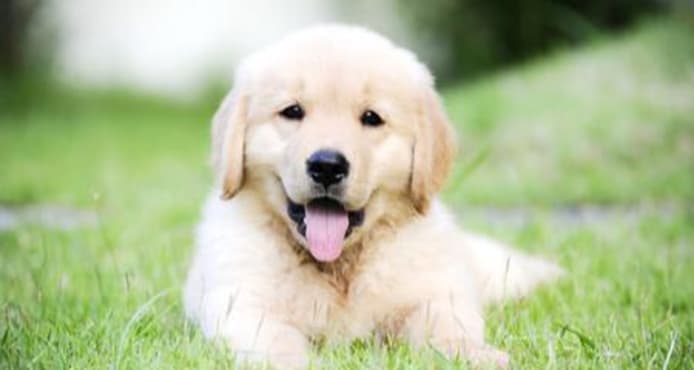
Puppy dandruff is a normal skin condition that occurs due to underactive sebaceous glands. Learn more about symptoms and management of dandruff in puppies on Petco Pet Education Center, formerly Petcoach.
Many puppies seem to have dandruff or dry, flaky skin.
Dandruff is quite normal in puppies and is especially visible in pups with dark coat colors. This is simply because the dander tends to be creamy or white in color and stands out against the dark hair. In most puppies, especially those less than four months of age, the normal lubricating glands (sebaceous glands) of the skin tend to be underactive. As these glands mature, their lubrication output increases to match the needs of the coat.
Factors such as dry air (low humidity) will also contribute to dander production. Dander is dry, dead skin that in the absence of moisture will flake away and be visible as white flakes. This 'flaking' may also be itchy.
What are the symptoms of puppy dandruff?
The only symptoms are the white skin flakes most pronounced about the neck, back, and rump areas. The flaking process may create a mild itching much like humans experience from dry, flaky skin.
What are the risks of puppy dandruff?
There are no real risks other than hair loss. This, however, is rare. Severe flakiness or hair loss should not be considered normal dandruff production and an examination of the skin should be done by a veterinarian. If the itching is intense, suspect other factors such as fleas, lice, or mange mites.
How is puppy dandruff treated?
If your puppy has dandruff, fatty acid supplements work well at supplying needed oils for the hair coat. Oatmeal shampoos followed by a moisturizing rinse will help keep the oils in, cleanse the skin, and help to lessen the dander. The supplements and baths (may take more than one) will begin restoring the moisture to soothe and restore the skin.
Frequently Asked Questions
Is puppy dandruff normal? Yes — dandruff is quite common in puppies, especially those under four months of age. Immature sebaceous (oil-producing) glands simply haven't ramped up to full output yet. As your puppy grows, the glands mature and flaking typically resolves on its own. If flaking is severe or accompanied by intense itching or hair loss, consult your veterinarian to rule out other causes.
What causes dandruff in puppies? The two most common causes are underactive sebaceous glands and low environmental humidity. Dry indoor air pulls moisture from the skin, causing dead skin cells to flake away as visible white particles. Nutritional gaps — particularly insufficient dietary fat — can also affect skin and coat condition, since essential fatty acids play a role in maintaining the skin's moisture barrier. https://www.merckvetmanual.com/management-and-nutrition/nutrition-small-animals/nutritional-requirements-of-small-animals
How do I treat puppy dandruff at home? A two-part approach works well for most pet parents:
- Bathe with an oatmeal shampoo formulated for puppies, followed by a moisturizing conditioner or rinse to help seal oils into the skin and coat.
- Add a fatty acid supplement (such as fish oil) to your puppy's meals to support skin hydration from the inside out. https://www.merckvetmanual.com/management-and-nutrition/nutrition-small-animals/nutritional-requirements-of-small-animals Results may take more than one bath or several weeks of supplementation — be patient and consistent.
When should I take my puppy to the vet for dandruff? Most puppy dandruff is mild and self-limiting, but schedule a veterinary visit if you notice any of the following: intense or persistent scratching, significant hair loss, redness or skin thickening, or flaking that doesn't improve as your puppy matures. These signs can point to parasites (fleas, lice or mange mites), a fungal infection, or an underlying health condition that requires professional diagnosis and treatment.
Can diet affect my puppy's dandruff? Yes. Skin and coat health are closely tied to nutrition. Puppies need adequate levels of omega-3 and omega-6 fatty acids, along with complete and balanced protein and micronutrients, to support healthy skin cell turnover. Look for a puppy food that meets AAFCO nutritional profiles for growth, which confirms the recipe provides the nutrients a growing dog needs. https://www.aafco.org/consumers/understanding-pet-food/ If you're unsure whether your puppy's current food is a good fit, your veterinarian or a board-certified veterinary nutritionist can help you evaluate options. https://wsava.org/global-guidelines/global-nutrition-guidelines/
Does low humidity make puppy dandruff worse? It can. Dry air — common in homes during winter months when heating systems run continuously — draws moisture from your puppy's skin, accelerating flaking. Running a humidifier in the rooms where your puppy spends the most time can help maintain ambient moisture levels and may reduce dander production between baths.
This article was created with assistance from AI tools and reviewed for accuracy by Petco's content team.
207Pet Parents found this article helpful
Related Articles


