


Two Easy Ways to Start Earning Rewards!
Become a member today! Members-only pricing and offers, personalized care notifications, Vital Care points back on every purchase and more!
 Become a credit card member today!
Earn 2X Pals Rewards points at Petco
when you use Petco Pay!APPLY NOWLearn More About Petco Pay Benefits
How to Brush a Dog's Teeth — and Why It Matters
Published on September 15th, 2023
Updated on June 18th, 2026

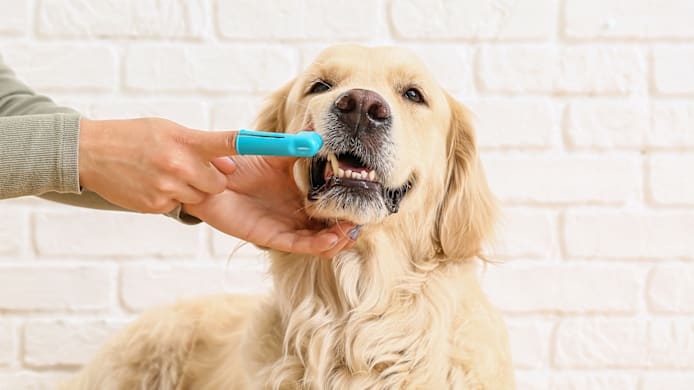
How often do you brush your dog's teeth? If you need to brush up on their oral hygiene regime, take a look at these tips.
As dedicated pet parents, we make it a point to take excellent care of our dogs. We spend time researching what to feed them with options like fresh, organic and human-grade dog food. We take them to top-notch groomers. We buy them all the toys and treats they could ever want. But when it comes to brushing a dog’s teeth—well, that may be a different story.
According to Petco research, a sizable 61 percent of dog parents say they never brush their dog’s teeth. But routine dental care at home is critical to maintaining your dog’s health. In fact, dental disease affects approximately 80% of dogs (Source: Packaged Facts: "Pet Oral Care Services and Products in the U.S." 3rd Edition, 2018.).
Do I need to brush my dog’s teeth?
Not only can gum disease lead to pain and discomfort for dogs, but it may also be a precursor to more serious health problems such as kidney, liver or heart disease.
Dr. Milinda Lommer, Diplomate of the American Veterinary Dental College, says you should brush your dog’s teeth often. “As with human mouths, the number of bacteria in a dog's mouth doubles every six to eight hours,” she says. “Therefore, it's important to reduce their numbers by mechanically removing as many bacteria as possible.”
How often should I brush my dog’s teeth?
While daily brushing is ideal, Dr. Whitney Miller, DVM, MBA, DACVPM and Head of Veterinary Medicine at Petco, recognizes the difficulty this may present when you’re busy. While you should aim to brush your dog’s teeth at least 1–2 times per week, you can also supplement with other dental care measures. “Pets, just like people, should have some form of a daily dental routine,” says Miller. “While brushing daily is ideal, you cansimplify it by giving a dental treat, water additive or using a dental wipe on days you can’t get to brushing.”
How to brush your dog’s teeth
Brushing your dog’s teeth at home can feel like a challenge at first. But these tips can help to make the experience comfortable for you and your pet.
1. Get the right dog tooth-brushing tools
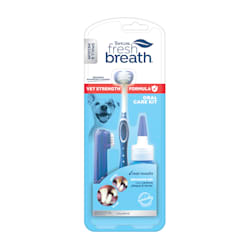
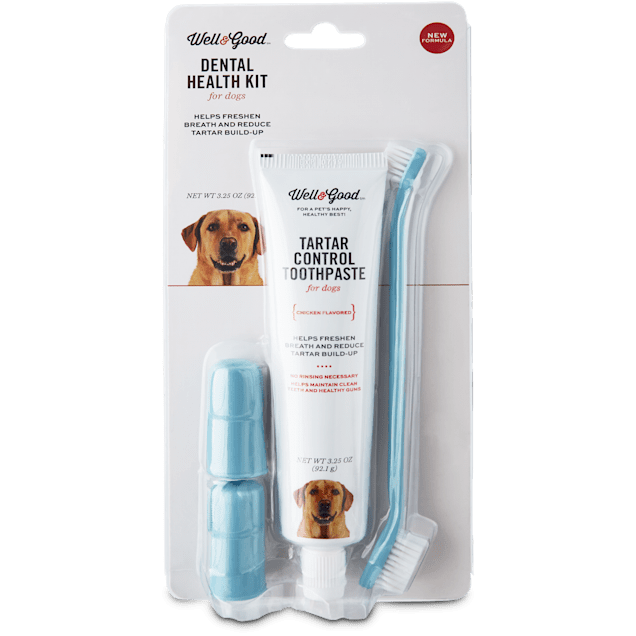
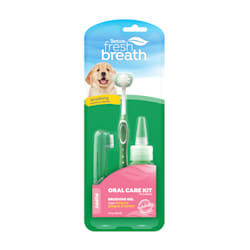
When brushing your dog’s teeth at home, the first things you need are a pet-friendly toothbrush and a pet-safe toothpaste. Since pets don’t know how to spit out toothpaste, human toothpaste is not suitable for pets. Toothpaste used for human mouths contains fluoride, which can upset your dog’s stomach, and may even contain xylitol, which is toxic to dogs. Lommer recommends using products specifically designed and formulated for dogs.
“Pet-safe toothpastes are different from human toothpastes in that they don't have foaming agents, are safe to swallow and are flavored to appeal to pets,” she says. Flavors including poultry, beef, seafood and peanut butter will definitely make a pet happier to have their teeth brushed.
For smaller dogs, try a pet toothbrush that fits on the end of your finger—it can be much easier to maneuver within their mouths. Larger dogs respond well to larger toothbrushes with a handle, as it can be easier to reach their back teeth.
Petco's Picks for Dog Tooth-Brushing Tools
Having the right tools makes all the difference when it comes to brushing your dog's teeth consistently — and consistency is what protects his gums, freshens his breath and helps prevent the costly dental disease that affects the majority of dogs by age three. Below is a breakdown of the main tool categories, what each one does best and who it works for, so you can build a routine that actually sticks.
| Tool Type | Best For | How It's Used | Things to Know |
|---|---|---|---|
| Traditional dog toothbrush | Most adult dogs; pet parents new to brushing | Held in hand; bristles reach along the gumline | Choose a brush sized for your dog's mouth — small dogs need a smaller head |
| Finger toothbrush | Puppies, small pets or dogs sensitive to handles | Slips over your fingertip for close control | Gives you better feel for pressure; keep nails trimmed |
| Dual-headed toothbrush | Dogs who resist brushing | Cleans multiple surfaces in one stroke | The angled second head reaches back molars more easily |
| Dental wipes | Dogs who won't tolerate any brush | Wiped along teeth and gumline by hand | Less effective than brushing but better than nothing for reluctant dogs |
| Dog toothpaste | All dogs — required with any brush | Applied to bristles or fingertip brush | Never use human toothpaste — fluoride and xylitol are toxic to dogs https://www.aspca.org/pet-care/animal-poison-control |
| Water additives & dental rinses | Supplement to brushing, not a replacement | Added to the water bowl daily | Look for products with the Veterinary Oral Health Council (VOHC) seal |
A Few Things to Look for When Choosing
- Soft bristles only. Hard bristles can irritate sensitive gum tissue. Most dog-specific brushes are already designed with this in mind.
- The right size. A brush head that's too large won't maneuver around back teeth, where tartar tends to build up fastest.
- Dog-formulated toothpaste. Enzymatic toothpastes are a popular choice because they help break down plaque even between brushing sessions — and they come in flavors dogs actually enjoy, like poultry or peanut butter, which makes the whole experience easier for both of you.
- VOHC-accepted products. The Veterinary Oral Health Council independently tests and recognizes dental products that meet standards for reducing plaque or tartar. It's a reliable shortcut when you're comparing options.
Don't Forget Dental Treats
Brushing is the gold standard, but dental treats can play a supporting role on days when a full brushing session isn't possible. Look for treats that carry the VOHC seal and remember that treats should make up no more than 10% of your dog's daily caloric intake — so factor them into his overall daily food plan accordingly.
If you're unsure which tool combination is right for your dog's size, age or temperament, a Petco-knowledgeable associate can help you find the right fit — or ask your veterinarian at your dog's next wellness visit.
2. Try a test run
Once you have the right tools, it’s important to do what you can to get your pet familiar with the toothbrush. Before you attempt to use it, get your dog comfortable by regularly lifting up their lips and offering them rewards for good behavior. Incorporate rubbing your finger or a dental wipe along their gum line to get your dog used to having something in their mouth. The more comfortable your dog is with being handled, the easier the tooth-brushing experience will be. Once they become familiar with the toothbrush, start with short brushing sessions and gradually increase the time as they become more comfortable. You should be able to brush all their teeth in one sitting.
3. Get in a comfortable position
Most dogs will squirm and try to get away when you attempt to brush their teeth. 38 percent of pet parents who don’t brush their pet’s teeth say it’s because their dogs won’t sit still for the time needed to brush. Lommer recommends positioning your dog in a way that it’s easier for you to hold them in place.
“For small dogs, either wrap them in a towel like a burrito or sit next to them on a couch. Then wrap your elbow around their body and bring them close to your side to help keep them still while you are working with their head,” Lommer says. When brushing a larger dog’s teeth, sit next to them and wrap your arm around their head, supporting their chin. In this position, you can use your hand to help move their mouth to best brush their teeth.
Never force a dog to stay if they are visibly upset or uncomfortable, because this can lead to negative associations with brushing, Lommer says. Instead, if your dog starts fidgeting too much, let them go and try again later. Lommer says that it’s crucial to be careful with how you restrain or hold your dog. “...Proper restraint is important, as their attempts to evade often involve tossing the head around, and neck injury could result,” she says.
4. Go for the gum line
Rather than opening your dog’s mouth all the way, Lommer recommends lifting your dog’s lip and focusing on where their teeth meet the gum line.
While brushing toward the front of your dog’s mouth may be more acceptable to them, it’s best to focus your efforts on their back teeth where plaque and tartar build up. “The salivary ducts empty at the sides of the mouth onto the outside surfaces of the upper back teeth, so starting there is best,” Lommer says. Target this area with small, circular motions when brushing your dog’s teeth.
Make sure to strike the right balance between brushing too hard and being too gentle. Lommer says that many pet owners don’t scrub hard enough or spend enough time brushing to really remove plaque buildup. “Just like our own mouths, the more time you spend, the more effective plaque removal you're accomplishing,” she says.
5. Continue the upkeep
While brushing at least a couple times per week is essential to maintaining your dog’s dental health, you can supplement care between brushings with dental treats or chews for dogs, water additives and dental wipes. These treatments help reduce plaque buildup but aren’t enough on their own to maintain your dog’s oral health, so you will still need a regular brushing routine.
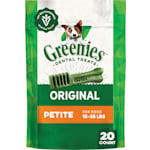
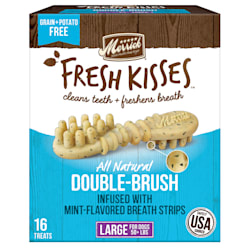
Dental Treats and Chews Worth Adding to Your Dog's Routine
Brushing is the gold standard for dog dental care, but dental treats and chews can play a meaningful supporting role on the days between brush sessions. Look for products that carry the Veterinary Oral Health Council (VOHC) seal — that designation means the treat or chew has met independently tested standards for reducing plaque or tartar.
A few things to keep in mind when shopping:
- Treats should make up no more than 10% of your dog's daily calorie intake. Factor dental chews into that total just like any other treat.
- Size matters. Match the chew to your dog's size and chewing style. A chew that's too small can become a choking hazard; one that's too large may go untouched.
- Supervision is always a good idea. Even chews designed for dogs should be given with an eye on your pup, especially if he's an aggressive chewer.
- Chews are a complement, not a replacement. No treat fully substitutes for daily toothbrushing with a dog-safe enzymatic toothpaste.
When you're ready to stock up, Petco carries a wide selection of dog treats — including dental-specific options formulated to freshen breath and help reduce buildup between brushings. Browse by your dog's size, ingredient preferences or any food sensitivities he may have to find the right fit.
A note from your vet: If your dog already has significant tartar buildup, visible redness along the gumline, or persistent bad breath, dental treats won't resolve the underlying issue. Schedule a veterinary dental exam before relying on chews alone.


How to make teeth-brushing easier
40 percent of pet parents who don’t brush their dog’s teeth neglect to do so without a reason. However, if the chore is made easier for you and your dog, it’s sure to happen more often. When it comes to making dog tooth-brushing easier for your dog, Lommer says to not underestimate the power of praise. She says that praising your dog while you’re brushing their teeth can go a long way in helping your dog feel comfortable.
Another way you can make the experience less stressful is to choose the right time to do it. Brushing your dog’s teeth after playtime or mealtime when their energy is low may help. If you are still having trouble, bring your dog in for a dental brushing at your veterinarian's office or local Petco store.
Things to watch for when brushing your dog’s teeth
As you’re brushing your dog’s teeth, it’s a good opportunity to look for any signs of tooth pain, mouth injuries or general discomfort that may suggest a bigger problem. “If a pet winces, cries or pulls away when a specific area is touched, that's a clear sign of pain, but most pets with oral pain are not demonstrative in any way,” says Lommer.
If your pet shows any sign of pain or if you notice something abnormal in your dog’s mouth, it’s important to get them evaluated by your regular veterinarian. “Even teeth that look OK from the outside can be abscessed, so X-rays are the only way to thoroughly assess a pet's dental health,” says Lommer.
Dr. Miller says that it may be time to take your dog to your veterinarian if you notice the following:
- Excessively red gums
- Bleeding gums
- Excessive drooling
- Difficulty or pain when chewing food
- Damaged or chipped teeth
- Worse than usual breath (which may indicate a dental abscess or tooth root)
If you have any questions about brushing your dog’s teeth, visit your local Petco, where you can also sign up for dog dental service. Or, find all the right teeth-brushing tools for your dog at petco.com/dental.
Frequently Asked Questions
Can I use human toothpaste to brush my dog's teeth? No — and this is one of the most important rules of canine dental care. Human toothpaste contains fluoride, which can upset your dog's stomach, and many formulas also contain xylitol, an artificial sweetener that is toxic to dogs. Always choose a toothpaste specifically formulated for dogs; these are safe to swallow, free of foaming agents and come in flavors like poultry, beef and peanut butter that make brushing far more appealing to your dog. https://www.aspca.org/pet-care/animal-poison-control
What if my dog refuses to let me brush his teeth? Resistance is common — 38 percent of pet parents who skip brushing say their dog won't sit still long enough. Start with desensitization: lift your dog's lips regularly, rub your finger or a dental wipe along the gum line and reward calm behavior generously. Gradually introduce the toothbrush over several short sessions before attempting a full brush. Never force the process if your dog is visibly distressed, as this creates negative associations that make future sessions harder. If your dog continues to resist despite patient conditioning, ask your veterinarian about professional dental cleanings and complementary at-home options like dental chews, water additives or dental wipes.
When should I start brushing a puppy's teeth? The earlier you begin, the better. Introducing tooth brushing during puppyhood — when your dog is already adjusting to new experiences — makes it far easier to establish a lifelong routine. Start with short, positive sessions focused on getting your puppy comfortable with having his mouth handled, then gradually work up to a full brushing routine. Because bacteria in a dog's mouth can double every six to eight hours, building this habit young gives your dog a meaningful head start on lifelong oral health.
My dog has bad breath — does that mean something is wrong? Persistent bad breath (halitosis) in dogs is often a sign of plaque and tartar buildup, which can progress to gum disease if left unaddressed. Dental disease affects approximately 80 percent of dogs, and untreated gum disease has been linked to more serious conditions involving the kidneys, liver and heart. While occasional mild odor can be normal, strong or chronic bad breath warrants a conversation with your veterinarian to rule out periodontal disease or other underlying health concerns. Regular brushing — ideally daily, or at minimum one to two times per week — is the single most effective at-home step for keeping breath fresher and bacteria in check.
How is dog toothpaste different from human toothpaste? Dog toothpastes are specifically formulated to be swallowed safely, contain no foaming agents (since dogs cannot rinse and spit) and use flavors dogs find appealing rather than mint. Human toothpastes are designed for a rinse-and-spit routine and include ingredients — particularly fluoride and sometimes xylitol — that are harmful when ingested by dogs. https://www.aspca.org/pet-care/animal-poison-control
What can I do on days I can't brush my dog's teeth? Daily brushing is the gold standard, but a consistent supplemental routine is far better than nothing. On busy days, dental chews, water additives and dental wipes can all help reduce plaque and bacteria between brushing sessions. As Petco's Head of Veterinary Medicine Dr. Whitney Miller, DVM, notes, pets benefit from some form of daily dental routine — even if a full brushing isn't always possible. Look for dental products that carry the Veterinary Oral Health Council (VOHC) seal of acceptance, which indicates the product has been evaluated for plaque or tartar control.
This article was created with assistance from AI tools and reviewed for accuracy by Petco's content team.


