


Two Easy Ways to Start Earning Rewards!
Become a member today! Members-only pricing and offers, personalized care notifications, Vital Care points back on every purchase and more!
 Become a credit card member today!
Earn 2X Pals Rewards points at Petco
when you use Petco Pay!APPLY NOWLearn More About Petco Pay Benefits
Dog Grooming Glossary: Speak Your Groomer's Language
Published on January 10th, 2024
Updated on June 18th, 2026


Written by Wendy Weinand, CMG, MPS, Meritus
Reviewed by Petco Editorial Team
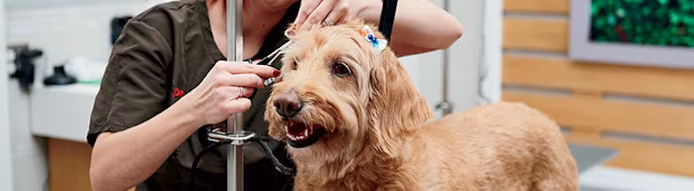
Here are a few common terms and phrases that are used around professional grooming salons to explain everyday procedures and coat trims.
Groomlish: The Dog Grooming Glossary Every Pet Parent Should Know
Whether you're visiting a Petco grooming salon for the first time or you're a seasoned regular, walking in already fluent in "Groomlish" — the everyday language your puppy love groomer uses — makes the whole experience smoother and more rewarding for you and your dog. When your groomer mentions your dog's "pants" or asks about a "lamb cut," they're not commenting on fashion trends. They're speaking the shorthand of their craft.
This glossary covers the terms, tools, cuts and styles you're most likely to hear at the salon, so you can arrive confident, communicate clearly and walk out with exactly the look you had in mind.
Common Grooming Tools and Techniques
Understanding what your groomer is doing — and why — helps you ask better questions and set realistic expectations for every appointment.
Blade/Clippers Clippers are a razor-style electric tool used to reduce the length of a dog's coat. The blade is the cutting component that attaches to the clipper body. You'll often hear groomers use the two terms interchangeably.
Clipper Blade Sizes — What the Numbers Mean Blade numbers can feel counterintuitive at first: the lower the number, the longer the coat left behind. The higher the number, the shorter the cut.
| Blade Number | Approximate Coat Length Left | Common Use |
|---|---|---|
| 4F | ~½ inch | Longer body clips, fluffy finishes |
| 5F | ~⅜ inch | General body work on many breeds |
| 7F | ~⅛ inch | Short summer clips, sanitary areas |
| 10 | ~1/16 inch | Clean face, clean feet, very close work |
| 15 | ~1/25 inch | Extremely close shave, surgical prep |
Always ask your groomer which blade number they plan to use if you have a length preference — it's one of the most useful questions you can ask before the appointment begins.
Carding A process that removes loose, dead undercoat using a blunt-edged carding tool. It's especially useful for double-coated breeds and helps reduce shedding without altering the coat's natural appearance.
Dematting The process of carefully working through and removing matted fur. Severe matting can be uncomfortable for your dog and, in some cases, can trap moisture against the skin. If mats are too tight or close to the skin, your groomer may recommend shaving the area rather than attempting to brush through — always the kinder choice for your dog's comfort.
Forced-Air Dryer After towel-drying, groomers use a high-velocity forced-air dryer to fully dry the coat. This tool also helps lift and separate the coat, making scissoring and finishing work more precise.
Hand Stripping and Plucking A technique in which a stripping tool or fingers are used to remove the dead outer coat of wire-haired breeds — most terriers, for example. Unlike clipping, hand stripping pulls the dead coat out at the root, which maintains the coat's correct texture and color over time. It's a skilled, time-intensive process; not every salon offers it, so ask ahead.
Scissoring Using scissors and a metal comb to complete and refine a trim. Scissoring is typically used when a pet parent wants a longer finish than any clipper blade can achieve, and it's the standard method for detailed work around the face, feet and tail.
Shaving in Reverse Shaving against the grain of the hair — from the back of the dog toward the front. This technique produces a shorter, closer result than shaving with the grain and is used when a very tight finish is needed.
Coat and Body Part Terminology
Your groomer may describe parts of your dog's coat using terms that sound more like clothing than canine anatomy. Here's what they mean.
Cat Feet The hair between and around the toes is scissored short, level with the top of the foot. The nails remain visible. This style gives the foot a neat, compact appearance.
Clean Face The face, muzzle and cheeks are shaved close using a shorter blade, leaving a smooth, tidy look.
Clean Feet The entire foot — including between the toes and up to the ankle — is shaved, fully exposing the nails. This is a common request for breeds that tend to collect debris between their toes.
Pants The long hair that grows on a dog's back legs. You'll hear this term most often when a groomer is describing how much length to leave or remove from that area.
Pom-Pom A stylistic finish — most associated with poodles and other fluffy-coated dogs — where sections of coat are scissored into round, ball-like shapes, typically above the feet and at the tip of the tail.
Round Feet The hair around the foot is scissored into a rounded, fluffy shape so the nails are not visible. This is the softer, more plush alternative to clean feet.
Skirt The long hair that falls along either side of a dog's body between the front and back legs, creating a flowing, skirt-like silhouette. Common on Cocker Spaniels and similar breeds.
Topknot (TK) A ponytail or pigtails gathered on top of the head and secured with a barrette, bow or binder. A classic finish for breeds like the Shih Tzu, Maltese and Yorkshire Terrier.
Common Dog Grooming Cuts and Styles
Most breeds have a recognized "standard cut," but pet parents can always customize. Below are the styles you're most likely to hear discussed at a grooming salon.
Maintenance Trims (Between Full Grooms)
Face, Feet and Fanny Trim A targeted tidy-up done between full haircuts. The groomer cleans up around the eyes, trims the feet and neatens the back end — keeping your dog looking polished without a full groom.
Sanitary Trim (or "The Sanies") A close shave of the belly and the area around a dog's rear end. Keeping this area trimmed reduces the amount of feces and urine that clings to the fur, which helps keep your dog cleaner and more comfortable between baths. If you notice this area becoming soiled or matted between appointments, ask your groomer about scheduling a standalone sanitary trim. Consult your veterinarian if you notice any skin irritation, redness or signs of infection in these areas.
Full Breed-Style Cuts
Schnauzer Cut The body is clipped or hand stripped, while furnishings are left full on the front legs, knee area and down the back legs with a slight skirt. The eyebrows are scissored to a sharp angle, and the ears and cheeks are shaved close. It's one of the most recognizable breed-specific patterns in grooming.
Cocker Cut The back of the dog is clipped short while the legs and skirt are left full and flowing. The head is clipped short with a rounded dome over the brows, and the ears are clipped to leave furnishings toward the bottom — a classic look for the American Cocker Spaniel.
Poodle Cut Poodles are a curly-coated breed, but during grooming the coat is dried straight to achieve an even, consistent finish. The standard poodle groom typically includes a clean face, clean feet and a scissored, rounded topknot. Because there are many poodle trim variations, it's worth discussing specifics with your groomer before the appointment begins. The poodle cut framework also translates well to similar breeds, including Goldendoodles, Bichons, Maltese and Yorkies.
Popular Poodle-Derived Trims (Also Used on Many Long-Coated Breeds)
| Cut Name | What It Looks Like | Best For |
|---|---|---|
| Puppy Cut | Coat clipped or scissored to a uniform, fluffy length all over using a longer blade or snap-on comb | Poodles, Doodles, Bichons, Yorkies, Shih Tzus — and any dog whose pet parent wants a low-maintenance, soft finish |
| Lamb Cut | Body clipped to a requested length; legs scissored longer and blended smoothly into the body coat | Pet parents who want a plush, sculpted look with visible leg definition |
| Kennel Cut (KC) | All-over uniform length set with a blade or comb attachment; clean face, clean feet and a topknot | Any breed; a practical, easy-care choice for active dogs or warmer months |
A note on the puppy cut: Originally developed as a poodle-specific style, the puppy cut has become one of the most-requested looks in grooming salons across the country — regardless of breed. Because the definition can vary from groomer to groomer and salon to salon, always talk through your expectations in detail before the appointment. Bring a photo if you have one. Your puppy love groomer will appreciate the clarity, and your dog will leave looking exactly the way you envisioned.
Quick-Reference: Groomlish Glossary at a Glance
| Term | Plain-Language Definition |
|---|---|
| Blade/Clippers | Electric cutting tool; blade number determines coat length left behind |
| Carding | Removing loose dead undercoat with a blunt tool |
| Cat Feet | Toes scissored short; nails visible |
| Clean Face | Face, muzzle and cheeks shaved close |
| Clean Feet | Entire foot shaved; nails fully exposed |
| Dematting | Removing matted fur |
| Forced-Air Dryer | High-velocity dryer used after towel-drying |
| Hand Stripping | Pulling dead outer coat by hand or tool; used on wire-haired breeds |
| Pants | Long hair on the back legs |
| Pom-Pom | Round, ball-shaped sections of coat on feet and tail tip |
| Round Feet | Feet scissored fluffy and round; nails hidden |
| Scissoring | Finishing technique using scissors and a comb |
| Shaving in Reverse | Shaving against the grain for a closer cut |
| Skirt | Long hair along the sides of the body between the legs |
| Topknot (TK) | Hair gathered on top of the head with a bow or barrette |
| Sanitary Trim | Close shave around the belly and rear to reduce soiling |
| Puppy Cut | Uniform fluffy length all over; definition varies by salon |
| Lamb Cut | Body clipped short; legs scissored longer and blended |
| Kennel Cut (KC) | All-over uniform length; clean face and feet |
Now that you're fluent in Groomlish, you can walk into any grooming appointment — at Petco or anywhere else — knowing exactly what to ask for and what to expect. A great conversation with your puppy love groomer starts before the clippers ever turn on. When in doubt about your dog's coat health, skin condition or grooming frequency, your veterinarian is always a great resource alongside your groomer.
Dog Grooming Terms at a Glance
Use this quick-reference table to decode the most common "Groomlish" terms your puppy love groomer may use during your next salon visit. Knowing the lingo helps you communicate exactly what you want — and walk out with a result you'll love.
| Grooming Term | What It Means | When You'll Hear It |
|---|---|---|
| Blade / Clippers | A razor-style cutting tool used to reduce coat length; blade numbers indicate how much coat remains (lower number = more length left) | Any full groom or trim service |
| Carding | Removing loose, dead undercoat with a blunt-edged tool to thin and neaten the coat without cutting length | Double-coated or wire-coated breeds |
| Cat Feet | Hair between the toes scissored short so it sits level with the top of the foot; nails remain visible | Sporting and terrier breeds |
| Clean Face | Face, muzzle and cheeks shaved close with a short blade for a neat, tidy look | Poodles, Schnauzers, Cocker Spaniels |
| Clean Feet | Entire foot shaved bare from nails up to the ankle | Poodle cuts, kennel cuts |
| Dematting | Carefully working out matted sections of fur using specialized tools; severe mats may require shaving | Long-coated or neglected coats |
| Forced-Air Dryer | A high-velocity dryer used after towel-drying to fully dry and fluff the coat | Every bath-and-groom service |
| Hand Stripping / Plucking | Removing dead outer coat by hand or stripping tool to preserve correct wire-coat texture | Wire-haired terriers and similar breeds |
| Pants | The longer hair covering a dog's back legs | Cocker Spaniels, Setters, Spaniels |
| Pom-Pom | Rounded balls of fluffy coat left above clean feet and at the tail tip | Poodle show and pet trims |
| Round Feet | Feet scissored into a rounded, fluffy shape with nails hidden | Bichons, Maltese, Shih Tzus |
| Scissoring | Finishing technique using scissors and a metal comb for areas clippers can't reach or where a longer length is requested | Face, feet, tail and blending work |
| Shaving in Reverse | Clipping against the direction of hair growth (back to front) to achieve a closer, shorter result | Very short summer cuts |
| Skirt | Long hair that falls along both sides of the body between the front and back legs | Cocker Spaniels, Lhasa Apsos |
| Topknot (TK) | Hair on top of the head gathered into a ponytail or pigtails and secured with a bow or barrette | Shih Tzus, Yorkies, Maltese |
| Puppy Cut | An even, all-over length achieved with a longer blade, snap-on comb or scissors for a fluffy, low-maintenance look; length varies by salon — always confirm with your groomer | Any long-coated breed or mix |
| Lamb Cut | Body clipped to a chosen length; legs scissored longer and blended smoothly into the body coat | Poodles, Doodles, Bichons |
| Kennel Cut (KC) | Uniform all-over length with a blade or comb attachment, plus clean face, clean feet and a topknot | Low-maintenance or summer grooms |
| Schnauzer Cut | Body clipped or hand-stripped; furnishings left on legs and a slight skirt; sharply angled eyebrows; shaved ears and cheeks | Miniature, Standard and Giant Schnauzers |
| Cocker Cut | Back clipped short; legs and skirt left full; head clipped with a dome over the brows; ear furnishings toward the bottom | American and English Cocker Spaniels |
| Sanitary Trim ("Sanies") | Shaving the belly and the area around the anus and urethra to reduce bacteria buildup, staining and hygiene issues | Recommended at every groom |
| Face, Feet & Fanny Trim | A between-groom tidy-up targeting the eyes, feet and rear end only | Maintaining a longer style between full grooms |
Pro tip: Blade numbers matter. A #4F blade leaves roughly ½ inch of coat, while a #7F blade leaves only about ⅛ inch. When in doubt, ask your puppy love groomer to show you a blade chart before your dog's groom begins — it takes the guesswork out of length conversations entirely.
Frequently Asked Questions
What is a puppy cut, and is it the same at every grooming salon? Not necessarily. A puppy cut was originally developed as a poodle-specific style — an even, fluffy all-over length — but the term is now used broadly across breeds and salons. Because definitions vary, always confirm the exact blade size or length in inches with your groomer before the appointment begins.
How do clipper blade numbers work? Clipper blades are numbered, and the lower the number, the more coat length is left behind. A #4F blade leaves approximately ½ inch of fur; a #7F blade leaves about ⅛ inch. Your groomer can walk you through a blade chart so you can choose the right length for your dog's lifestyle and coat type.
What is hand stripping, and does my dog need it? Hand stripping is a technique in which a stripping tool or fingers are used to pull out the dead outer coat of wire-haired breeds — most commonly terriers. It preserves the correct harsh coat texture that clipping alone cannot maintain. If your dog is a wire-coated breed and you want to preserve show-quality texture, ask your groomer whether hand stripping is appropriate.
Is a sanitary trim really necessary? A sanitary trim — shaving the belly and the area around the anus and urethra — helps reduce fecal and urine residue that can cling to longer fur, which can support better hygiene and help reduce the risk of skin irritation in those areas. Most groomers recommend including it at every full groom. If you notice redness, odor or skin changes in those areas, consult your veterinarian.
How often should my dog see a groomer? Frequency depends on breed, coat type and lifestyle. Dogs with continuously growing coats — such as Poodles, Doodles, Bichons and Shih Tzus — generally benefit from a professional groom every four to six weeks. Short-coated breeds may need less frequent visits. Your Petco-certified groomer can recommend a schedule tailored to your dog's specific coat.
What's the difference between a lamb cut and a kennel cut? A lamb cut leaves the body at a chosen clipped length while the legs are scissored longer and blended smoothly into the body — creating a softer, more sculpted silhouette. A kennel cut (KC) uses a uniform blade or comb attachment all over the body, face and feet for a consistent, easy-care length with no blending required. The kennel cut is often chosen for warmer months or dogs who are active outdoors.
Frequently Asked Questions
What is a puppy love groomer? A "puppy love groomer" is a common search phrase pet parents use when looking for a knowledgeable, caring dog groomer — someone who treats every dog with the same patience and gentleness you'd give a puppy. At Petco, our Petco-certified grooming associates are trained to handle dogs of all ages, sizes and coat types with that same attentive, low-stress approach.
What is a puppy cut, and is it only for puppies? Despite the name, a puppy cut is not reserved for young dogs. Originally developed as a poodle-specific style, it involves clipping or scissoring the entire coat to a uniform, fluffy length using a longer blade or snap-on comb attachment. Today it is one of the most requested cuts across breeds — from Goldendoodles to Shih Tzus. Because the definition can vary from salon to salon, always discuss your exact length expectations with your groomer before the appointment.
What's the difference between a puppy cut and a kennel cut? Both are all-over trims, but they differ in finish and length. A puppy cut is typically scissored or clipped to a longer, fluffier length to create a soft, rounded look. A kennel cut (KC) is a more uniform, shorter all-over length set with a blade or comb attachment and usually includes a clean face, clean feet and a topknot. Think of the kennel cut as the lower-maintenance sibling of the puppy cut.
How often should I schedule a professional grooming appointment? Frequency depends on your dog's breed, coat type and lifestyle. Dogs with continuously growing coats — such as Poodles, Bichons and Maltese — generally benefit from a professional groom every four to six weeks to prevent matting and maintain coat health. Short-coated breeds may need professional grooming less frequently, though regular brushing and bathing at home remain important for all dogs. Consult your veterinarian or a Petco-certified groomer if you are unsure what schedule suits your dog's specific coat.
What is a sanitary trim, and does my dog need one? A sanitary trim — sometimes called "the Sanies" — involves clipping the hair around your dog's anus and urethra to reduce fecal and urine buildup in the fur. This helps minimize staining and can support better hygiene between full grooms. It is recommended for most long-coated dogs and can be performed as a standalone service or as part of a full groom. If you notice persistent soiling or skin irritation in those areas, consult your veterinarian to rule out an underlying health concern.
What should I tell my groomer to get the result I want? Come prepared with a few key details: your dog's coat type, the blade or length number you prefer (remember — the lower the blade number, the more coat is left on), whether you want cat feet or round feet, and any style preferences for the face and tail. Bringing a reference photo is one of the most effective ways to align expectations. A knowledgeable groomer will always welcome the conversation before picking up a single clipper.
This article was created with assistance from AI tools and reviewed for accuracy by Petco's content team.


