


Two Easy Ways to Start Earning Rewards!
Become a member today! Members-only pricing and offers, personalized care notifications, Vital Care points back on every purchase and more!
 Become a credit card member today!
Earn 2X Pals Rewards points at Petco
when you use Petco Pay!APPLY NOWLearn More About Petco Pay Benefits
The Most Popular Haircuts for Dogs by Coat Type
Published on June 27th, 2026
Updated on June 28th, 2026


Reviewed by Wendy Weinand, CMG, MPS, Meritus
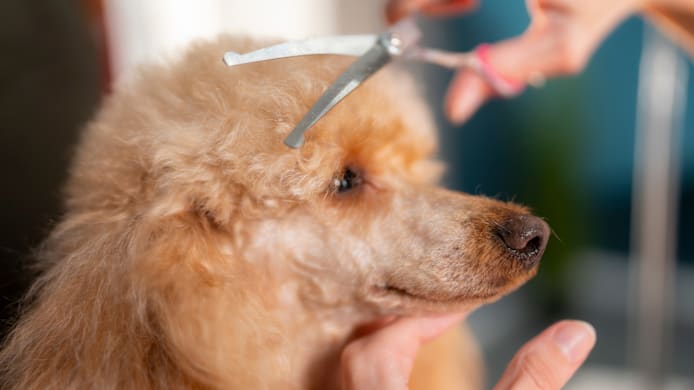
Learn about the most popular haircut styles for dogs, curated for their coat type.
The most popular haircuts for dogs by coat type
Whether it’s a fall, shag or bob, it’s fun to try out a new do. And while those styles, along with mullets, are made for humans, many pet parents enjoy the excitement that comes from their pup getting a fresh new hairstyle. This can be done through trimming, styling and accessorizing. Your pup’s size, coat color, coat type and genetics all play a part in making them delightfully unique. Choosing the right hairstyle can enhance natural features or create a dramatic new look altogether. Read on to learn about different dog grooming styles to play with your pet’s appearance, as well as why certain styles are better for certain breeds. This can help ensure your pup gets a hair do instead of a hair don’t!
New to all things grooming? Use Groomlish: a dog grooming glossary for beginners to learn the lingo.
Why should I cut or style my dog’s hair?
Pet parents have different reasons for wanting to experiment with dog hairstyles, from practical to aesthetic. These include:
Fitting the breed standard. Even if you don’t intend to show your dog professionally, you might want to give your dog the hairstyle that’s considered the “breed standard” for their specific breed.
Playing up their features. Tiny dogs look mighty cute with a puppy cut, while a Poodle’s long, lean lines can be accentuated with the right trim. You can highlight your dog’s most distinctive features with grooming styles that play to their individual features—especially if your pup is a mixed-breed dog with no breed standard to conform to.
Keeping them comfortable. Some haircuts and styles make your dog more comfortable by keeping long hair out of their eyes, removing excess fur from around their feet and helping to prevent painful mats from forming.
Making coat maintenance easier. The right trim can go a long way toward making at-home grooming easier or preventing long, unkempt fur from becoming tangled or matted. It may also help keep irritants like debris, bugs and pollen from collecting in the coat.
Expressing your style. Dog haircuts don’t always have to be practical—they can also be fun. Your dog’s hairstyle is a unique opportunity to express your personal style. If it doesn’t quite hit the mark the way you’d hoped, it will always grow back, and you can try a different style. Your pet won’t be embarrassed by their style or trim.
Your home and their environment. Although it’s fun to try all kinds of cool styles or just keep things more natural, it’s important to consider your lifestyle and how your pup will fit into this picture. Do you and your dog prefer relaxing weekends at home, or is your vibe more beach swims and hiking? The style you choose should fit your lifestyle.
How often you should bathe your dog depends on a few factors, including your dog's breed, lifestyle, and coat health. Check out this guide to determine the ideal schedule for your pup.
Haircuts by breed
Knowing which dog hairstyles suit your pup is important regardless of their breed or breed mix. However, there are specific haircuts that are associated with certain dog breeds. For pet parents who want their dog to conform to their breed standard, here are a few examples of distinctive dog hairstyles and dog haircuts by breed:
Bichon Frise: The Bichon cut keeps the coat fluffy and rounded, especially around the head, giving the Bichon their signature powder-puff appearance. The coat is trimmed evenly to maintain a soft, cloudlike shape while preventing matting.
Cocker Spaniel: The Cocker cut features a shorter back with longer feathering on the ears, chest, legs and belly. This style helps prevent tangles on the body while keeping the soft, flowing coat the breed is known for.
Doodle breeds: Whether you’ve got a Schnoodle, Goldendoodle or Labradoodle, Poodle mixes have oodles of cut options that work well for their hair type. The most common are teddy bear, puppy cut, kennel clip and lamb clip. You can customize their haircut by leaving the lashes or giving them a topknot and choosing between clipping their ears or letting them grow long. There are even three types just for the tail: flag, plume and pom.
Maltese: These dogs have naturally long hair, but it can be trimmed into a shorter, more streamlined shape. The standard is to tie two small ponytails on top of their head, and you can trim around their eyes and ears to create the look of a shorter round face with the ears blending in. This breed also has endless options for styles.
Poodle: The distinctive Continental cut is the haircut many people picture when they think of a Poodle. It involves closely shaving parts of the body, leaving a jacket of hair around the shoulders, neck and head, plus pom-poms on the ankles, hips and tail. But dream big on different styles for your Poodle. Other popular Poodle cuts include: modified, saddle, modern, puppy, sporting, German and Scandinavian.
Schnauzer: Schnauzers of all three sizes have a distinctive hairstyle that is shorter on the body with longer hair on the legs, giving them a square appearance. The beard is often left long.
Scottish Terrier: The Scottie cut keeps the back short while leaving longer hair on the legs, beard and lower body. This traditional trim protects the coat while maintaining the breed’s classic outline. This look is behind the phrase, “Scotties are tough enough to rock a beard and a skirt.”
Shih Tzu: This breed’s hair is usually left long, with trimming done around the feet and the bottom of the coat. The hair on the top of the head can be tied in a ponytail, but make sure it's not so tight that it pinches the skin. The teddy bear cut keeps the coat medium length with a rounded face and trimmed body. This style reduces tangles while keeping the soft, cute appearance many pet parents prefer.
Yorkshire Terrier: The puppy cut trims the coat to a short, even length all over the body.
Although Yorkies can grow very long coats, the puppy cut is popular because it’s easy to maintain and helps keep them comfortable.
Haircuts by coat type
Whether your dog is purebred or mixed breed, the most important factor that determines what type of dog haircut is best for them is their coat type. Whether your dog is single- or double-coated, shorthair or longhair, with fur that’s smooth, wavy, curly, wiry or frizzy, the unique attributes of their fur will have a big impact on the grooming services recommended for them.
Cutting your dog’s fur incorrectly can have long-lasting negative effects on their skin, fur and overall health. For example, double-coated dogs such as Golden Retrievers and German Shepherds should never be shaved, except in medical situations. Shaving can cause their coat to regrow incorrectly and fundamentally change the texture and quality of their fur. Shaving can also expose double-coated dogs to sunburn and heatstroke—their thick, insulating layer of fur actually protects them from the sun. It’s important to know some details about your dog’s fur type before giving them a haircut that could be wrong—or even dangerous—for them.
Popular dog haircuts and grooming styles
Once you know which types of dog grooming styles could be right for your pup, it’s time to look into some choices that pet parents love. If you’re new to dog hairstyles, starting with a time-tested classic can take some of the guesswork out of whether your preferred style will look good on your pup. You’re likely to find an array of pictures for many of these cuts that will give you a good idea of what they’d look like on your dog.
Some of the dog dos that look stylish on purebred and mixed-breed pups alike include :
Summer cut: Despite its name, a summer cut isn’t just for warm weather. It can be a good choice for pet parents who want to give their dog a streamlined, uniform look. A summer cut helps reduce the amount of time spent brushing longer fur or hair, preventing tangles or mats, and keeping dirt, debris, twigs and bugs at bay. There’s no specific secret to a summer-style dog haircut—it involves an all-over clipping of your dog’s fur or hair into a shorter, more manageable length.
Teddy bear or puppy cut: If your pup is the cutest, cuddliest thing you’ve ever seen, why not try a dog haircut that plays up their resemblance to an adorable toy? This trim can be given to any dog with longer fur or hair, whether it’s wavy, straight or curly. The fur or hair all over the dog’s body is shortened—usually to a length of about 1/2 to 1 inch, but sometimes a bit longer based on their breed—and trimmed to a uniform length for an overall soft and rounded appearance. The hair on the face is trimmed and styled into a slightly rounded shape or can be left fuller based on hair type. Double-coated dogs typically need their topcoat trimmed no shorter than the natural length of their undercoat to prevent improper regrowth.
Lamb cut: This basic shape can be used for many kinds of dogs. The lamb cut looks chic on dogs with curly, wavy, wiry or straight fur or hair, making it one of the most versatile types of dog haircuts. To achieve this look, the hair on the dog’s body is clipped to a shorter uniform length, and the fur or hair on the legs is scissored or trimmed to a slightly longer length. This style is best for dogs with medium to long fur or hair, such as Poodles, Maltese, Yorkies and Shih Tzus.
Lion cut: This fun, fashionable dog haircut lets your good-natured pup masquerade as a fearsome hunter—even if the only hunting they do is for stray kibble. In this style, the hair on the dog’s body and legs is clipped shorter while the fur on the shoulders, neck and chest is left long, giving the appearance of a shaggy-maned lion. Usually, the tail is clipped with a pom-pom of fur left on the tip.
Topknot: A topknot is a dog hairstyle, not a cut. Not surprisingly, it works best for dogs with long fur or hair. This style features a ponytail, pigtails or a bun perched at the top of the dog’s head. The amount of hair included, the way it’s gathered, the length of the hair and the type of hair accessory used to secure it can all affect the look of a dog’s topknot. Make sure not to gather any skin or pull the ponytail too tight, as this can irritate the skin and cause permanent hair loss.
Asian fusion styles: Dog haircuts like the lamb cut and the summer cut are popular for a reason—they’re at the right intersection of form and function, and they tend to work well for multiple breeds and mixed-breed dogs alike. If you’re interested in dog grooming styles that defy expectation and transform your pup’s look into something truly extraordinary, you might be interested in Asian fusion hairstyles. These bold and creative looks take the basics of standard dog hairstyles and elevate them to exaggerated heights, often creating striking geometric styles. For instance, an Asian fusion style might riff on the classic teddy bear cut by giving your dog a cubed, rather than a rounded, face and body appearance. The lamb cut’s longer-on-the-legs style might be trimmed into an exaggerated flare that makes it look like your dog is wearing the grooviest bell-bottoms in town. The sky’s the limit when it comes to Asian fusion-inspired dog haircuts.
With the right dog brushes and clippers, you can create some stylish dog hairstyles at home, but we don’t expect you to attempt a groundbreaking new do without becoming acquainted with the tools of the trade. If you’re interested in giving your dog a makeover, you can start with our guide to finding the best dog brush for your pet’s coat. And if you want a professional to make the fur fly, Petco’s grooming experts are on hand to help!


Frequently Asked Questions
Different types of grooming can be used for different dogs depending on such factors as:
Breed: Some dog breeds have a haircut or style that is considered standard for the breed, and some require special grooming techniques. For instance, Schnauzers—along with most terrier breeds—are traditionally groomed for shows using a method called hand-stripping.
Coat type: Even if your dog is not purebred, it doesn’t mean they can’t get a dog haircut that aligns with a particular breed standard. Their coat type can be brushed, trimmed and styled in the same way as their purebred cousins. Coat characteristics such as length, texture and whether it’s a single or double coat can affect which brushes are used, how frequently to bathe your dog and which haircuts are best for your pup.
Lifestyle: Does your dog like to swim in lakes or roll in mud puddles? Do they spend a lot of time outdoors, or do they prefer to be inside? Do you live somewhere that gets exceptionally hot or cold? All these factors can affect which dog haircuts you should consider for your pup.
Size: The size of your dog plays a part in how you bathe and brush them, and it can also help you determine which types of dog haircuts look best. Just about any curly haired dog can get a teddy bear cut—which can look great on any size dog—but it can be especially cute on pocket-size pups. Conversely, a lion cut that might look majestic on a big dog could read as funny, not fearsome, on a tiny dog.
Petco offers a variety of dog grooming supplies!
Your dog should get a haircut that is appropriate for their coat type, is comfortable for them and appeals to you. These are the most important guidelines to follow when deciding which dog grooming styles you want to try. If you give your dog a hairdo that you don’t totally love, don’t worry—it will grow out. Petco’s dog grooming salons offer options for breed-specific haircuts.
A full grooming session is about so much more than dog hairstyles. With Petco dog grooming services, you can create a customized grooming package for your pup. Your dog deserves to feel as good as their new hairstyle makes them look, and we’re ready to give them the attentive grooming care they need. Petco’s dog grooming service options for dogs of all breeds include: cut and style, 15-minute brush-out, deep-cleaning shampoo, blow-dry, anal gland expression, nail trim and scented spritz.