


Two Easy Ways to Start Earning Rewards!
Become a member today! Members-only pricing and offers, personalized care notifications, Vital Care points back on every purchase and more!
 Become a credit card member today!
Earn 2X Pals Rewards points at Petco
when you use Petco Pay!APPLY NOWLearn More About Petco Pay Benefits
Can Dogs Eat Corn? What Pet Parents Should Know
Published on October 10th, 2022
Updated on June 16th, 2026

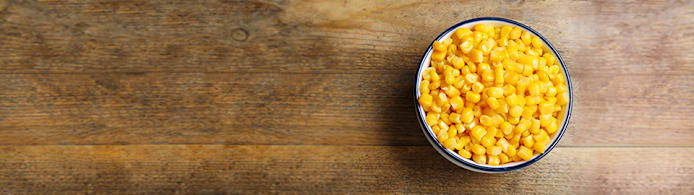
Do you have questions about whether or not it is safe to give your dog corn? Petco has the answers to this and other canine diet questions!
Few menu items represent summertime barbecues better than corn. It’s refreshing, colorful and makes a tasty side dish, when drizzled with melted butter. And if you’re having a backyard cookout, your dog is most likely hoping to get some leftovers. Now the big question is, “Can dogs eat corn?”
While some of the foods on the barbeque grill may be unsafe for your dog, corn—off the cob—can be an occasional tasty treat for them. However, there are a few precautions you should take before letting your dog eat corn, so read on to learn more, and remember to always. consult your veterinarian before feeding your pup any new foods, especially if they have any allergies.
Health benefits of corn for dogs
Many pet parents wonder, “Can dogs have corn?” The answer is a resounding yes, if it’s properly prepared and offered in small amounts as an occasional treat. Even small amounts of corn in dog food can meet several key nutritional needs.
Corn can be a healthy treat if offered once in a while to your dog in small amounts. Corn offers many nutritional benefits, including:
- It’s packed with protein for strong bones and muscles
- It’s an excellent source of fiber that helps with digestion
- It provides linoleic acid, an important component of fat which dogs can’t produce on their own
- It’s an excellent source of inflammation-fighting antioxidants
- It contains many energy-packed carbohydrates to help maintain your dog’s stamina if they are active and running
While corn contains several beneficial nutrients for your dog, it contains a large amount of high-calorie starch that can contribute to obesity in dogs if fed too frequently or in too large amounts. When cooked properly and offered in small quantities, corn can be an enjoyable nutrient-rich treat for your dog. Be sure to consult your veterinarian first before offering your pet corn or any other new food.
» MORE: Learn about fruits and vegetables that dogs can and cannot eat.
How to feed corn to your dog
- Boil or steam Boiled or steamed corn can be a delicious treat for your dog on occasion. Raw corn is hard to chew and to digest and is not recommended for dogs
- Don’t include the cob or husk Can dogs eat corn husks? What about the cob? Never feed the cob or the husk to your pet. These parts of the corn plant are not only difficult, if not impossible, for your dog to digest, but also they pose a significant choking hazard and can potentially obstruct their gastrointestinal tract. If you let your dogs eat corn, be sure to remove the husks and take the kernels off the cob.
- Serve it plain Can dogs eat corn kernels with seasoning? While cooking corn with butter and tasty spices—like salt, pepper or chili—can make corn a delicious side dish for humans, these flavorful ingredients can be detrimental or even deadly for your dog. Fats and cholesterol can lead to obesity and pancreatic inflammation, while easoning can cause gastrointestinal upset. Salt can upset your dog’s fluid balance and lead to dehydration. Dogs and corn seasoned with flavorings meant for humans aren’t a good match
Frequently Asked Questions
Can dogs eat corn on the cob? No — never offer your dog corn on the cob. The cob itself is not digestible and poses a serious choking hazard; it can also cause a life-threatening gastrointestinal obstruction if swallowed. Always remove kernels from the cob completely before sharing any corn with your dog. If you suspect your dog has swallowed part of a cob, contact your veterinarian immediately. https://www.aspca.org/pet-care/animal-poison-control
Can dogs eat raw corn kernels? Raw corn kernels are not recommended. They are harder to chew and significantly more difficult for dogs to digest than cooked kernels, which can lead to stomach upset or incomplete digestion. Boiling or steaming corn until tender — with no added butter, salt or seasonings — is the safest way to prepare it for your dog. https://sites.tufts.edu/petfoodology/
How much corn can a dog eat? Corn should be treated as an occasional snack, not a dietary staple. As with all treats, it should make up no more than 10% of your dog's total daily calorie intake. Corn is relatively high in starchy carbohydrates, so overfeeding can contribute to unwanted weight gain over time. When in doubt about portion size for your individual dog, consult your veterinarian. https://wsava.org/global-guidelines/global-nutrition-guidelines/
Can dogs be allergic to corn? Yes, though true corn food sensitivities in dogs are uncommon, they do occur. Signs may include skin irritation, itching, digestive upset or recurring ear issues. If you notice any of these symptoms after your dog eats corn, stop offering it and speak with your veterinarian before reintroducing it. Your vet can help determine whether corn — or another ingredient — is the underlying cause. https://www.merckvetmanual.com/management-and-nutrition/nutrition-small-animals/nutritional-requirements-of-small-animals
Is corn a filler ingredient in dog food, or does it have real nutritional value? Corn is often labeled a "filler," but that characterization is misleading. When properly processed, corn contributes digestible carbohydrates for energy, linoleic acid (an essential fatty acid dogs cannot produce on their own), dietary fiber to support digestion and antioxidants that can help support overall wellness. Reputable pet food manufacturers and regulatory bodies recognize corn as a legitimate ingredient when used appropriately in a balanced diet. https://www.aafco.org/consumers/understanding-pet-food/ https://petnutritionalliance.org/
Can dogs eat canned or frozen corn? Plain frozen corn (thawed) or plain canned corn with no added salt, sugar or preservatives can be offered in small amounts. However, most commercially canned corn contains added sodium, which can disrupt your dog's fluid balance — so always check the label and choose a no-salt-added variety, or opt for fresh boiled kernels instead.
Corn & Dogs at a Glance: Quick-Reference Safety Table
Use this table to make fast, confident decisions at your next backyard cookout. When in doubt, check with your veterinarian before sharing any new food with your dog.
| Preparation Method | Safe for Dogs? | Notes |
|---|---|---|
| Plain boiled or steamed kernels | ✅ Yes | Easiest to digest; serve cooled and plain |
| Plain raw kernels | ⚠️ Use caution | Hard to chew and digest; not recommended |
| Corn on the cob | ❌ No | Cob is a serious choking and intestinal obstruction hazard https://www.aspca.org/pet-care/animal-poison-control |
| Corn husks | ❌ No | Fibrous and indigestible; choking risk |
| Buttered or salted corn | ❌ No | Added fat can trigger pancreatic inflammation; salt disrupts fluid balance https://www.aspca.org/pet-care/animal-poison-control |
| Corn with spices (chili, pepper, garlic, onion) | ❌ No | Gastrointestinal upset; some spices (garlic, onion) are toxic to dogs https://www.aspca.org/pet-care/animal-poison-control |
| Corn as a dog food ingredient | ✅ Yes | A recognized energy and nutrient source in commercially balanced diets https://www.aafco.org/consumers/understanding-pet-food/ |
| Canned corn (salted or seasoned) | ❌ No | High sodium content; stick to fresh or frozen plain kernels |
| Frozen plain corn kernels (thawed) | ✅ Yes | Convenient off-season option; serve thawed, not frozen-solid |
| Popcorn (plain, air-popped, unsalted) | ⚠️ Occasional/tiny amounts | Butter, salt and flavorings make most popcorn unsafe; plain only |
Suggested Portion Guide by Dog Size
Treats — including corn — should make up no more than 10% of your dog's total daily calorie intake. https://petnutritionalliance.org/ Ask your veterinarian for a precise calorie target for your individual dog.
| Dog Size | Approximate Weight | Suggested Serving of Plain Corn Kernels |
|---|---|---|
| Extra small | Under 10 lbs | 1–2 teaspoons, occasionally |
| Small | 10–25 lbs | 1–2 tablespoons, occasionally |
| Medium | 26–60 lbs | 2–3 tablespoons, occasionally |
| Large | 61–100 lbs | Up to ¼ cup, occasionally |
| Extra large | Over 100 lbs | Up to ⅓ cup, occasionally |
"Occasionally" means no more than a few times per week, not as a daily staple. These are general guidelines — your veterinarian can tailor portions to your dog's weight, activity level and health status.
Signs Your Dog May Be Having Trouble with Corn
If you notice any of the following after your dog eats corn, stop feeding it and contact your veterinarian promptly.
| Symptom | Possible Concern |
|---|---|
| Vomiting or diarrhea | Digestive upset; possible sensitivity to corn or added seasonings |
| Excessive gas or bloating | Difficulty digesting corn starch or fiber |
| Lethargy or loss of appetite | General GI distress |
| Pawing at mouth, gagging or retching | Possible choking or cob fragment lodged in throat — seek immediate veterinary care |
| Straining to defecate or no bowel movement | Potential gastrointestinal obstruction from cob material — seek immediate veterinary care https://www.aspca.org/pet-care/animal-poison-control |
| Skin itching, redness or hives | Possible food sensitivity reaction — consult your veterinarian |
| Increased thirst or urination | May indicate excess sodium from salted corn |
Frequently Asked Questions
Can dogs eat corn? Yes — plain, cooked corn kernels are safe for dogs as an occasional treat in small amounts. Corn provides protein, fiber, linoleic acid and antioxidants that can support your dog's overall nutrition. Because dogs are omnivores, they can digest plant-based foods like corn when it is properly prepared. https://www.merckvetmanual.com/management-and-nutrition/nutrition-small-animals/nutritional-requirements-of-small-animals Always consult your veterinarian before introducing any new food.
Can dogs eat corn on the cob? No. The cob itself is one of the most dangerous food hazards for dogs. It is nearly indigestible, poses a serious choking risk and can cause a life-threatening intestinal obstruction that may require emergency surgery. Always remove every kernel from the cob before sharing corn with your dog. https://www.aspca.org/pet-care/animal-poison-control
Can dogs eat corn husks? No. Corn husks are tough, fibrous and indigestible. Like the cob, husks can cause choking or a gastrointestinal blockage. Remove both the husk and the cob completely before offering any kernels to your dog.
Is corn a filler in dog food, or does it actually provide nutrition? Corn is a recognized ingredient in commercially formulated dog food and contributes carbohydrates for energy, essential fatty acids and some protein. Reputable pet food manufacturers use corn as a functional ingredient, not simply as a low-cost filler. Look for an AAFCO nutritional adequacy statement on any dog food label to confirm the diet meets established nutrient standards. https://www.aafco.org/consumers/understanding-pet-food/
How much corn can I safely give my dog? Treats of any kind — including corn — should account for no more than 10% of your dog's daily calorie intake. https://petnutritionalliance.org/ Use the portion guide above as a starting point, and ask your veterinarian for a recommendation tailored to your dog's specific weight, age and health needs.
What should I do if my dog ate a corn cob? Contact your veterinarian or an emergency animal clinic immediately. Corn cob ingestion is a veterinary emergency. Do not wait for symptoms to appear — intestinal obstructions can become life-threatening quickly. You can also reach the ASPCA Animal Poison Control Center for guidance. https://www.aspca.org/pet-care/animal-poison-control
This article was created with assistance from AI tools and reviewed for accuracy by Petco's content team.


FAQs about feeding your dog corn
Unless your dog has a sensitivity to corn, your pup should be fine after eating a small number of plain cooked kernels. If they’ve eaten the cob and/or husks, too, you have more to worry about. Contact your veterinarian—or an emergency vet—immediately, and monitor your pet for signs of gastrointestinal distress such as vomiting, diarrhea, bloating, and abdominal pain.
Plain cooked corn is generally mild on your pet’s stomach, but dogs and corn with seasonings don’t typically mix well. Butter, salt, and other spices can upset your dog’s stomach, , so it’s best that you only serve plain corn to your dog. Consuming the husk and/or cob can cause your dog to have digestive problems. If your dog eats those, contact your vet or an emergency veterinarian immediately.
When asking, “Can my dog eat corn?” The answer is, as long as it is cooked without spices, salt, or high fat butter and oil. Steaming and boiling are the best methods for preparing this vegetable before serving it in small amounts to your dog. When dogs eat corn, grilling it first can remove some of the moisture that can be beneficial for them—especially in warmer weather when they need added water in their diets. Baking corn kernels also removes moisture and can make them too tough for your dog to easily chew and digest.
The answer is that it depends on your pet’s size, age and breed, it can take up to 72 hours for a canine to pass a corn cob—assuming it doesn’t get stuck in the stomach or intestines. Due to the high risk for developing life-threatening gastrointestinal tract obstruction, dogs should never be offered corn on the cob. Simply put, dogs and corn cobs don’t mix well.
If you suspect your pet has eaten a corn cob, contact your veterinarian immediately. Some signs and symptoms of possible gastrointestinal obstruction include:
Lethargy
Reduced energy
Repeated vomiting
Diarrhea
Loss of appetite
Weakness
Bloody stool or straining to pass stool
Obvious abdominal pain or bloating
If you notice any of these symptoms, contact your veterinarian or an emergency vet immediately.