


Two Easy Ways to Start Earning Rewards!
Become a member today! Members-only pricing and offers, personalized care notifications, Vital Care points back on every purchase and more!
 Become a credit card member today!
Earn 2X Pals Rewards points at Petco
when you use Petco Pay!APPLY NOWLearn More About Petco Pay Benefits
Can Dogs Eat Beets? What Pet Parents Should Know
Published on March 20th, 2024
Updated on June 16th, 2026

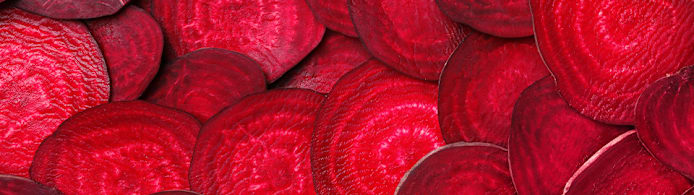
Do you have questions about whether you should let your dog eat beets? We can help! Discover answers to all your questions about whether your dog can eat beets.
Yes, dogs can eat the flesh of beets in moderation. The leaves, however, can contain oxalic acid, a compound that is toxic to dogs. Remove them and discard them in a location that’s inaccessible to pets. Beets are even an ingredient in some dog treats and food. Before feeding your pup this vegetable, there are some considerations to keep in mind. And remember to always consult your vet before adding new food to your pet’s diet, even if it’s just an occasional treat.
Are beets good for dogs?
Beets are a great source of these vitamins and nutrients:
- Magnesium
- Folate
- Fiber
- Vitamin C
- Potassium
n addition, the pigment that gives beets their bright red hue also has anti-inflammatory properties and antioxidants, which can help support cells.
As with most human food, beets should be fed only in moderation and only if your dog’s vet approves. Remember, your pup should get their daily requirement of vitamins and minerals from a complete and balanced commercial dog food. If you have questions about your dog’s diet, read our article All About Feeding Your Dog.
Can a dog eat beets? Yes, in small quantities on occasion. Should beets be your pet’s main source of certain nutrients? No. Your dog’s dog food should meet all of their nutritional needs, and too many beets can cause both stomach upsets and a nutritional imbalance.
Your vet may advise against feeding beets if your dog has certain health concerns. Beets are high in oxalates, which can accumulate and form urinary crystals and bladder stones. If your dog has been diagnosed with either condition, beets should not be in the snack rotation. For alternatives, browse our guide Healthy Snacks for Dogs.
Can dogs eat beets? Yes, in moderation as an occasional treat. Note that feeding beets can add a bright red hue to your dog’s stool. If your dog has had a recent beet snack and will soon be visiting the vet, be sure to inform the office to avoid unnecessary alarm.
How to Feed Beets to Your Dog
Before anything else: always get your veterinarian's OK before adding any new food to your dog's diet, especially if your dog has kidney issues or a sensitive stomach.
Once you have the green light, keep it simple. Plain beets — fresh or home-cooked, with no seasoning, oils or added ingredients — are the way to go. Even a small amount of spices, garlic or onion (common in prepared beet dishes) can make your dog sick, so plain is the only option worth considering. https://www.aspca.org/pet-care/animal-poison-control
What to Serve — and What to Skip
| Beet Type | Safe for Dogs? | Notes |
|---|---|---|
| Fresh raw beets | ✅ Yes | Peel and cut into small pieces; grating aids digestion |
| Plain home-cooked beets | ✅ Yes | Steamed or boiled with no added seasonings or oils |
| Canned beets | ⚠️ Use caution | Not toxic, but often high in sodium — avoid or rinse thoroughly https://www.merckvetmanual.com/management-and-nutrition/nutrition-small-animals/nutritional-requirements-of-small-animals |
| Seasoned or pickled beets | ❌ No | Spices, vinegar and added salt make these off-limits |
| Beet leaves (greens) | ❌ No | Remove and discard before serving |
Simple Ways to Serve Beets
Once you've prepped plain beets, here are a few easy ways to work them into treat time — remembering that treats of any kind should make up no more than 10% of your dog's daily diet: https://www.petco.com/category/dog/dog-treats
- Grated over food. Finely grated raw beet is easier for many dogs to digest than larger chunks and mixes easily into a meal.
- Small bite-sized pieces. Cut fresh or cooked beets into pieces sized right for your dog — smaller for small breeds, to reduce any choking risk.
- Frozen pupsicles. Blend plain beets with a dog-safe ingredient like plain pumpkin or watermelon, pour into an ice cube tray and freeze for a colorful warm-weather treat.
- A quick snack while you cook. If you're chopping beets for your own meals, set aside a small plain piece before any seasoning hits the cutting board.
Pro tip: Beets are deeply pigmented — they will stain. Wear gloves when prepping, and don't be alarmed if your dog's urine or stool takes on a reddish hue after eating them. This is harmless and temporary. https://www.aspca.org/pet-care/animal-poison-control
Frequently Asked Questions
Can dogs eat beets every day? No — beets should be an occasional treat, not a daily addition. Too much can cause stomach upset and nutritional imbalance, since your dog's complete and balanced commercial food should supply the bulk of his daily vitamins and minerals. https://www.merckvetmanual.com/management-and-nutrition/nutrition-small-animals/nutritional-requirements-of-small-animals
How much beet can a dog eat safely? Think of beets the way you would any treat: no more than 10% of your dog's daily caloric intake. For most dogs, that means a tablespoon or two of plain, cooked or fresh beet a few times a week at most — and only with your veterinarian's approval. https://wsava.org/global-guidelines/global-nutrition-guidelines/
Are beet greens (leaves) toxic to dogs? Yes, beet greens should be kept away from dogs. The leaves contain oxalic acid, which can be harmful and may contribute to urinary crystals or bladder stones if ingested. Always remove and discard the leaves somewhere your dog cannot reach them before offering any beet flesh. https://www.aspca.org/pet-care/animal-poison-control
Can dogs eat canned beets? Canned beets are not toxic, but they are often high in sodium, which is not ideal for dogs. Plain fresh or home-cooked beets (prepared without seasoning, salt or oils) are the better choice. Always check the ingredient label — added spices or vinegar make canned beets a hard pass. https://www.fda.gov/animal-veterinary/animal-foods-feeds/pet-food
Why does my dog's stool turn red after eating beets? The natural pigment (betalain) that gives beets their vivid color passes through your dog's digestive system and can temporarily tint his stool a bright red or pink. This is harmless, but do let your veterinarian know about any recent beet snacks before a wellness visit so it isn't mistaken for blood.
Should dogs with bladder stones avoid beets? Yes. Beets are relatively high in oxalates, which can accumulate and contribute to urinary crystals and bladder stones. If your dog has been diagnosed with either condition — or has a history of urinary issues — skip beets entirely and consult your veterinarian about safer treat alternatives. https://www.aspca.org/pet-care/animal-poison-control
This article was created with assistance from AI tools and reviewed for accuracy by Petco's content team.


FAQs About Dogs and Beets
Moderation is key. Stick to very small quantities when it comes to snacks or anything eles that isn’t a part of your dog’s regular diet. Remember, your pet’s nutritional needs are being met by their commercially available dog food and adding too much of any one food can throw their diet off balance. All treats you provide throughout the day (including a few small bite-sized beet pieces) must remain under 10% of your pup’s daily calories.
Yes, they can. Some vitamins and minerals may be depleted when you cook vegetables, and raw beets offer a satisfying crunch.
If you decide to feed your dog raw beets, make sure you remove all stems and leaves as they may be toxic. Also peel off the skin—it can be a choking hazard and probably doesn’t taste very good. You can finely grate them if you’re mixing a small amount in your dog’s food or cut them into bite-size chunks to help reduce the risk of choking.
When prepping beets, don’t forget that the juice goes everywhere and the stains are hard to get out. You may want to feed your dog outside when adding beets to their bowl. Also, let your family members know your plans so they don’t mistake the bright red color that might appear in your dog’s stool as a sign of a health issue.
Absolutely. Cooking beets—without spices or seasonings—may help ease digestion and lower the risk of gastrointestinal upset. But always consult your vet before feeding your dog any new food.