


Two Easy Ways to Start Earning Rewards!
Become a member today! Members-only pricing and offers, personalized care notifications, Vital Care points back on every purchase and more!
 Become a credit card member today!
Earn 2X Pals Rewards points at Petco
when you use Petco Pay!APPLY NOWLearn More About Petco Pay Benefits
Labrador Retriever
Updated on June 17th, 2025



The Labrador Retriever is a joyful, people-loving dog known for enthusiasm, loyalty, and a love of activity. Bred to work and play alongside humans, Labs thrive when included in daily life, making them a versatile, family-friendly companion.
Temperament
Friendly, Loyal, Energetic
Colors
Black, Yellow, Chocolate
 WEIGHT
55 - 80 Pounds
 HEIGHT
21 - 25 Inches
 LIFE EXPECTANCY
11 - 13 YEARS
Maintenance Level
Low Maintenance
High Maintenance
Friendliness
Reserved
Extroverted
About Labradors
Labradors are devoted to their owners and to every game of fetch. These fun-loving dogs require a moderate amount of exercise and minimal grooming. They are generally healthy and hardy, but they are genetically predisposed to a number of conditions, like many pure breeds. They enjoy going along on all types of family activities, and make great companions for single individuals. Labradors are excellent retrievers, and make great hunting dogs. They also perform well in agility and field trial competitions.
Other Names: Lab, Labrador
Sporting Group
Naturally active and alert, Sporting dogs make likeable, well-rounded companions. Dog breeds in the Sporting group are usually remarkable for their instincts in water and woods, and many of these breeds actively continue to participate in hunting and other field activities. Potential owners of Sporting dogs need to realize that most require regular, invigorating exercise.
Breed Appearance
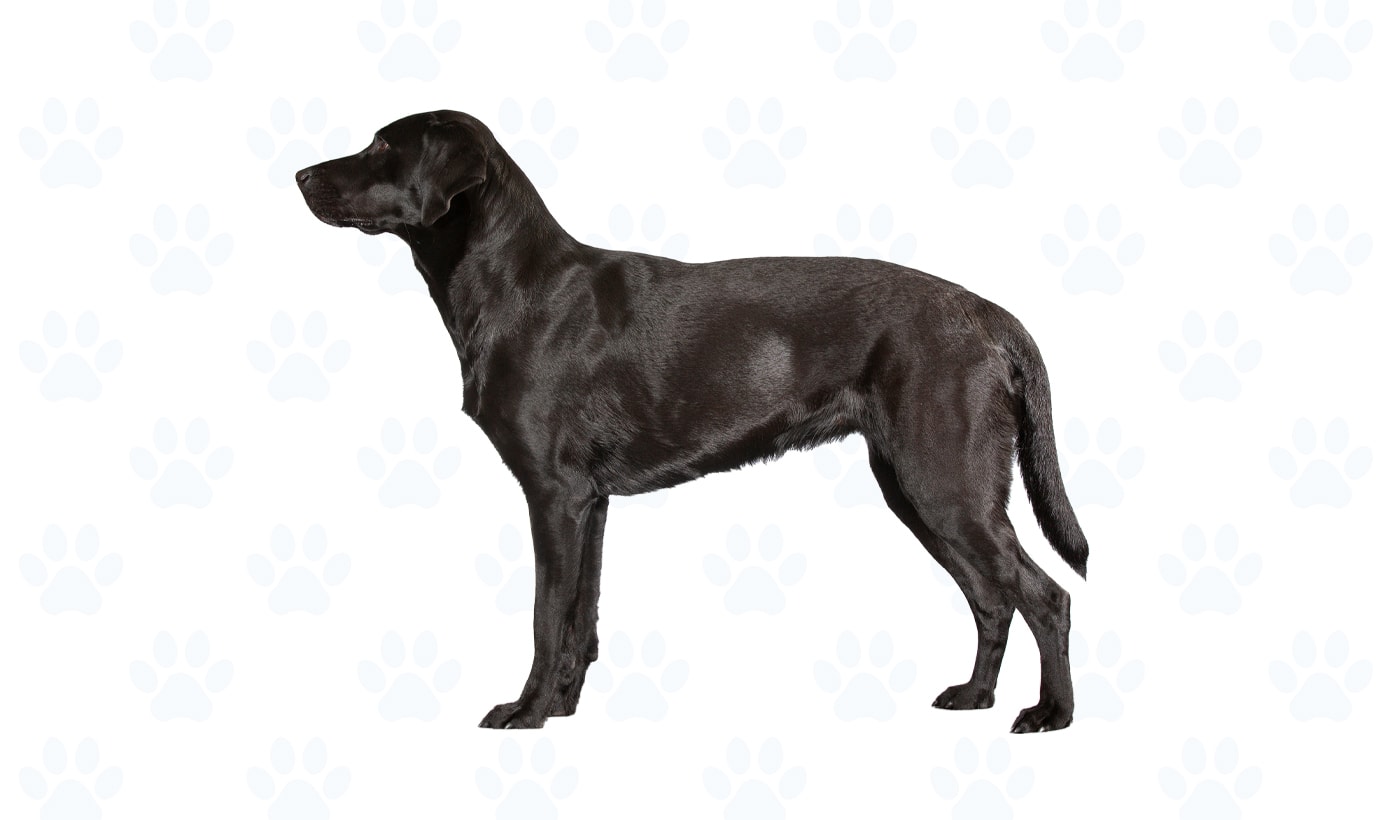
The American Kennel Club (AKC) recognizes 3 coat colors in Labradors: black, yellow, and chocolate. Sometimes there is a small white marking on the chest. You may read about other coat variations, such as “silver,” but the AKC does not recognize this as “standard,” and silver Labradors cannot be shown at AKC-sanctioned events. In terms of popularity, black Labrador Retrievers are the most popular, followed closely by chocolate Labradors and then yellow. You might encounter people who have opinions regarding the ease of training or health of one color of Labrador versus another, but these beliefs are purely anecdotal in nature.The Labrador coat is short and glossy, and slightly oily, allowing them to dry fast after swimming. Labradors also have webbing between their toes, which contributes to their ability to be powerful swimmers. Labradors are stocky, with big heads. Their earflaps hang down, and they have a long, powerful tail, sometimes called an “otter tail,” which also aids them in the water.
Use the arrow keys to switch between coat color examples.
Size & Weight
Labrador males typically stand 22.5 to 24.5 inches and weigh 65 to 80 pounds, while females typically stand 21.5 to 23.5 inches and weigh 55 to 70 pounds.
Full Grown
Female
22 in. / 65 lbs.
Male
23 in. / 70 lbs.
Height is measured up to the shoulders.
Characteristics
Caring for a Labrador Retriever means supporting their active lifestyle, big appetite for learning, and strong bond with their people. With consistent exercise, balanced nutrition, routine health care, and simple grooming, Labs are easygoing companions that fit naturally into busy, loving homes.
- Size & Coat
- Lifestyle
- Training & Behavior
How to Care for a Lab
Havanese do best when their affectionate nature and lively energy are supported with regular grooming, engaging training, and daily movement. Thoughtful nutrition, preventive care, and plenty of companionship help these social pups stay happy, healthy, and thriving at home.
Cost of Owning
Savings & Rewards
Unlock exclusive rewards with Petco Perks. Plus, members get 35% off their first Autoship order and 5% off all future orders.

Enjoy exclusive rewards on expert rated and pet parent approved products, like member prices, extra points and special offers designed to help you save on what your pet needs.

Get your pet’s essentials delivered on your schedule so you never run out and save up to 35% on your first order, then 5% on every order after that.
Cross Breeds
Select a Breed to Cross
Choose a breed from the dropdown to see potential crosses.
Boxador
Your love story starts here.
Find adoptable pets near you with a simple search.
Fun Facts
Brian Griffin, the dog from the animated sitcom Family Guy, is a Labrador, although he drinks martinis and drives a Prius, which makes him a pretty unusual dog.
A black Labrador owned by the Duke of Buccleuch named Avon is considered to be the “foundational” dog of all modern Labradors.
The 7th-oldest living dog on record was a Lab. His name was Adjutant, and he lived to be over 27 years old.
Jake, a black Labrador, became a national hero when he entered the smoldering ruins of the World Trade Centers on 9/11 to search for victims. At the time, he was one of less than 200 government search-and-rescue dogs.
History
Origin: Newfoundland
Perhaps obviously, Labrador Retrievers originated on the island of Labrador, which is now part of Canada. It’s believed that settlers from England brought dogs with them when they landed on the island in the late 15th century. The climate in this area is brutal, and it’s likely that a good hunting dog that could swim and was impervious to the cold waters would be quite an asset in such a harsh environment.
The dog we know today as the Labrador Retriever probably descended from these early dogs, as those assets we’ve already covered - webbed feet, short, waterproof coat, swimmer’s tale - became highly coveted, and the dogs that displayed the best of those traits were selected and bred. The Labrador was first recognized as a breed by the Kennel Club of England in 1903.