


Two Easy Ways to Start Earning Rewards!
Become a member today! Members-only pricing and offers, personalized care notifications, Vital Care points back on every purchase and more!
 Become a credit card member today!
Earn 2X Pals Rewards points at Petco
when you use Petco Pay!APPLY NOWLearn More About Petco Pay Benefits
How Much Does a Cat Cost? First-Year Budget Guide
Published on August 7th, 2024
Updated on June 18th, 2026


Your kitten's first year home will be filled with milestones and budgeting for how much they cost will allow you to spend more time enjoying each first together.
How Much Does a Cat Cost? Your Kitten's First-Year Budget at a Glance
Bringing a new kitten home is one of life's genuinely wonderful experiences — watching her discover a sunbeam, claim her window perch, or decide your shoelaces are her mortal enemy. But before that first purr, it pays to know what you're signing up for financially.
The short answer: most pet parents spend $1,331 to $3,347 during a kitten's first year, from adoption day through the end of year one, according to a study by Synchrony. That range is wide on purpose — your location, your kitten's breed and size, and her individual health needs all move the number. Think of it as a planning range, not a fixed price tag.
Here's where that money typically goes:
| First-Year Cost Category | Estimated Range |
|---|---|
| Adoption / acquisition fees | $300 – $750 |
| Initial vaccines (FVRCP, FeLV, rabies, dewormers) | $75 – $125 |
| Food (first year) | $351 – $584 |
| Wellness exams | $50 – $150 per visit |
| Other supplies & expenses | $235 – $937 |
| Total (estimated) | $1,331 – $3,347 |
Keep in mind: Prices shift based on your ZIP code, your kitten's breed, and the choices you make along the way — from the food you select to the vet clinic you visit. Most of these costs live inside a range, and you have real control over where within that range you land.
What Goes Into That Number?
Before she even comes home — $300 to $750 Adoption fees, rescue donations, or breeder costs are often the single largest line item you'll pay upfront. Factor this in before you budget for anything else.
First vaccines and deworming — $75 to $125 Your kitten's first round of vaccinations typically includes the FVRCP combination vaccine, the feline leukemia virus (FeLV) vaccine, rabies, and roundworm and hookworm dewormers. Costs vary considerably by region, so call ahead or find your nearest Vetco Total Care location to get a local estimate.
Wellness exams — $50 to $150 per visit A routine wellness exam runs $50 to $150 depending on where you live and your kitten's age and breed. Plan for more than one visit in year one — kittens need a series of checkups to stay on track with vaccines and development. Your veterinarian is your single best resource for building a care schedule tailored to your kitten specifically.
Food — $351 to $584 for the first year Nutrition is one of the most important investments you'll make. Kittens are obligate carnivores with specific protein, fat and micronutrient needs that differ from adult cats https://www.merckvetmanual.com/management-and-nutrition/nutrition-small-animals/nutritional-requirements-of-small-animals. Look for foods that carry an AAFCO nutritional adequacy statement for "growth" or "all life stages" to confirm the formula is appropriate for kittens https://www.aafco.org/consumers/understanding-pet-food/. You can explore kitten-appropriate options at Petco's cat food shop.
Everything else — $235 to $937 Litter boxes, scratching posts, carriers, toys, a collar and ID tag, bedding — the "other" category adds up faster than most pet parents expect. Buying the essentials before your kitten arrives (rather than in a scramble after) can help you spread costs and reduce stress for you both.
Why Budgeting Early Matters
Setting up your kitten's space before she arrives makes the transition calmer for her — and knowing your financial picture in advance means you can focus on building your bond instead of scrambling for resources. Veterinary care in particular deserves a dedicated line in your budget from day one; finding a trusted vet before your kitten comes home gives you a relationship to lean on throughout her life.
The sections below break down each cost category in more detail so you can build a budget that fits your household — and your kitten.
Costs of new kitten supplies
Before you bring your kitten home, it's important to create a welcoming, comfortable environment so they can feel safe and like part of the family from their first night home.
The following categories can help you budget for the cost of common new kitten supplies:









Money-saving tips for your cat’s first year
Welcoming your new kitten home should be exciting, and finances shouldn’t be the dark cloud hanging over your head. While kittens do translate to dollars spent, there are numerous ways you can make your cat’s first year more affordable.
Use these tips to help ease the burden on your wallet:
- Take advantage of sales to stock up on nonperishable and frequently used items when you can
- Ask about store savings opportunities! For example, Petco Perks gives rewards when you shop at Petco, and some credit cards will give you a percentage back on pet purchases
- Consider the additional savings available through programs like curbside pickup and Autoship on items you’ll need regularly. Not only can this save you money, but it can also save you time!
Welcoming a cat into your life is an exciting experience that lasts a lifetime and being prepared for cat parenthood will help you feel equipped for the journey ahead. Then, all that’s left to do is focus on getting to know your new kitten and enjoying all your firsts together.
What Does a Cat Cost? First-Year Budget Breakdown
Knowing what to expect before your kitten comes home makes the whole experience less stressful — and a lot more fun. The table below organizes every major first-year expense into one place, so you can plan with confidence rather than get caught off guard.
| Category | What's Included | Estimated First-Year Cost |
|---|---|---|
| Adoption or purchase fee | Shelter adoption, rescue fee, or breeder purchase | $50–$500+ |
| Initial vet exam | Wellness checkup, physical assessment | $50–$150 per visit |
| Core vaccines | FVRCP, FeLV, rabies; typically 3–4 rounds in year one | $75–$125 (initial series) |
| Spay or neuter surgery | Altering procedure; timing varies by kitten | $200–$500 |
| Parasite prevention | Flea, tick and heartworm preventatives; deworming | $100–$200 per year |
| Microchipping | Permanent ID implant, one-time cost | $25–$60 |
| Food (wet + dry) | Kitten-formulated, AAFCO-complete diet for the full year | $351–$584 |
| Litter & litter box | Litter box, liners, scooper and litter supply for 12 months | $100–$250 |
| Bedding & furniture | Cat bed, scratching post, cat tree or window perch | $75–$300 |
| Food & water bowls | Stainless, ceramic or fountain-style bowls | $15–$60 |
| Collar, ID tag & carrier | Breakaway collar, engraved tag, hard or soft carrier | $30–$100 |
| Toys & enrichment | Interactive wands, puzzle feeders, balls | $25–$100 |
| Grooming supplies | Brush, nail clippers, cat-safe shampoo | $20–$75 |
| Pet insurance (optional) | Accident and illness coverage; monthly premium × 12 | $120–$480 per year |
| TOTAL ESTIMATED RANGE | $1,331–$3,347 |
A note on ranges: Costs vary based on your geographic location, your kitten's breed and size, and the specific products and services you choose. The total range above aligns with data from a Synchrony study on first-year kitten costs. Feeding a nutritious, AAFCO-complete kitten food is one of the highest-impact investments you can make in your cat's long-term wellbeing — look for an AAFCO nutritional adequacy statement on every bag or can you buy. https://www.aafco.org/consumers/understanding-pet-food/
Frequently Asked Questions
How much does a cat cost in the first year, total? Most pet parents spend between $1,331 and $3,347 during a kitten's first year, covering adoption fees, veterinary care, food, supplies and enrichment. Your actual total depends on location, breed and the products you choose.
What food should I buy for my kitten, and how do I know it's nutritious? Look for a kitten food that carries an AAFCO nutritional adequacy statement confirming it is "complete and balanced" for growth. Cats are carnivores, so a high-quality animal protein source should appear at the top of the ingredient list. https://www.aafco.org/consumers/understanding-pet-food/ Your veterinarian can help you choose the right formula for your kitten's specific needs.
How much do kitten vaccines cost, and which ones does my kitten need? The initial vaccine series — which typically includes FVRCP, FeLV and rabies — runs approximately $75 to $125 for the first round. Kittens usually need multiple rounds in year one, so budget accordingly. For current pricing near you, consult your veterinarian or a Vetco Total Care location. https://www.vet.cornell.edu/departments-centers-and-institutes/cornell-feline-health-center/health-information
Is pet insurance worth it for a kitten? Pet insurance can help offset unexpected veterinary costs, which are among the most unpredictable first-year expenses. Monthly premiums vary widely by plan and coverage level. Talk with your veterinarian about what level of coverage makes sense for your kitten's breed and health history.
What household items are toxic to cats that I should remove before bringing my kitten home? Several common plants and substances — including lilies, certain essential oils and human medications — can be harmful to cats. Before your kitten arrives, review the ASPCA's Animal Poison Control resources and consult your veterinarian if you have questions about specific items in your home. https://www.aspca.org/pet-care/animal-poison-control
How can I reduce my kitten's first-year costs without cutting corners on care? Stock up on non-perishable supplies during sales, enroll in an Autoship program for regularly used items like food and litter, and ask about loyalty rewards programs at Petco. Preventive veterinary care — vaccines, parasite prevention and routine wellness exams — is almost always less expensive than treating illness, so keeping up with your kitten's wellness schedule is one of the smartest ways to manage long-term costs. https://www.vet.cornell.edu/departments-centers-and-institutes/cornell-feline-health-center/health-information
Frequently Asked Questions
What is the average cost of a cat in the first year? According to a study by Synchrony, pet parents can expect to spend between $1,331 and $3,347 during a kitten's first year — covering adoption or purchase fees, veterinary care, food, supplies and other essentials. Your geographic location, your kitten's breed and any unique health needs can all shift that number up or down.
How much does it cost to adopt or buy a kitten? Before your kitten ever sets a paw in your home, plan to spend $300 to $750 in acquisition fees. Adoption fees from a shelter or rescue are typically on the lower end of that range, while purchasing from a breeder tends to run higher. Either way, that upfront cost is just the starting point for your first-year budget.
How much should I budget for kitten food each year? Food costs for a kitten's first year generally fall between $351 and $584, depending on whether you choose dry food, wet food or a combination of both. Cats are carnivores, so look for a complete and balanced recipe that meets AAFCO nutritional standards — the label will confirm it. https://www.aafco.org/consumers/understanding-pet-food/
How much do kitten vaccinations cost? The first round of core vaccines — typically the FVRCP, FeLV and rabies shots, plus deworming for roundworms and hookworms — runs approximately $75 to $125. Prices vary by region and clinic. Your veterinarian is the best resource for a precise quote and a vaccination schedule tailored to your kitten's lifestyle and risk factors. https://www.vet.cornell.edu/departments-centers-and-institutes/cornell-feline-health-center/health-information
How much does a routine kitten vet visit cost? A standard wellness exam typically costs $50 to $150, depending on your location and the clinic you visit. During a kitten's first year, your veterinarian will likely recommend multiple visits to complete the vaccine series, discuss spaying or neutering and monitor your kitten's growth and development. Building that relationship early sets your cat up for a lifetime of good care. https://www.vet.cornell.edu/departments-centers-and-institutes/cornell-feline-health-center/health-information
Are there ways to reduce the cost of a kitten's first year? Yes — a few smart habits can meaningfully lower your spending without cutting corners on care. Stocking up on non-perishable supplies during sales, enrolling in a rewards program, and setting up Autoship for regularly used items like litter and food can all add up to real savings over the course of the year. Pet insurance is another option worth exploring early; premiums are generally lower for kittens, and coverage can help offset unexpected veterinary costs. Consult your veterinarian about which preventive care steps will give your kitten the most value for your budget.
This article was created with assistance from AI tools and reviewed for accuracy by Petco's content team.


One of the first things you’ll want to do once you’ve welcomed a new kitten into your life is to take them to the vet for a routine wellness exam. This exam helps establish their health profile and will help your vet identify any potential issues.
If you have any other cats or pets living in your home, bringing your kitten to the vet (or ensuring they have had a clean bill of health from a vet before you bring them home) is ideal before any in-home introductions. This can help prevent the spread of any communicable diseases or pests. Routine exams typically cost between $50-$150.
During the first year of your kitten’s life, they will need a routine set of vaccines administered.
Rabies vaccinations are at the top of the list and are required by law in most areas of the country. There are also other vaccines for your kitten, including feline distemper, FeLV (this protects cats against the feline leukemia virus), FIV (feline immunodeficiency virus), parvovirus (panleukopenia), herpes simplex virus type1 (viral rhinotracheitis) and calicivirus.
You will want to consult with your veterinarian to see what vaccines and timeline is ideal for your kitten. For the first year’s vaccines, you can expect to pay about $300 total (depending on your kitten’s age and where you vaccinate them), with annual boosters following at often lower prices.
Spaying or neutering your kitten supports their health and helps reduce the load on overburdened shelters, which in turn helps prevent unnecessary euthanasia from unplanned litters.
Spaying (for female kittens) typically costs more than neutering (for male kittens) because the surgery is more invasive. Costs can range from as low as $150 at an animal shelter or low-cost clinic to $500+ (for spaying) at a private veterinarian’s office. Prices also vary from state to state.
Microchips are the size of a grain of rice and contain your contact information. If your kitten is lost and winds up at a shelter or veterinarian’s office with scanning equipment, they can scan your pet and contact you, reuniting you with your lost companion. Microchips cost between $30 and $100 and must be implanted by a veterinarian during a spay/neuter, an office visit or at a clinic.
Nutrition is foundational to your kitten’s overall health. The right food for your kitten will depend on their age, nutritional needs and individual health factors. You can work with your vet to determine the right food for your kitten’s first year, and you can use our food finder to explore options.
What might you expect to spend on feeding your kitten during their first year? The following estimates can help you build a budget for food-related supplies:
Having a dedicated food bowl makes it easy to keep your kitten used to a daily feeding routine. Depending on the style and brand, a food bowl can range anywhere from $6–$35.
Keeping your kitten hydrated is essential; water dishes can cost anywhere from $6–$35. Alternatively, because some cats tend not to drink enough water, you can upgrade your kitten to a water fountain. Kittens like the moving water, and a fountain can encourage them to drink more by providing a continuous supply of fresh water. Cat water fountains range in price from $35 to up to $125.
A kitten can eat as much as an ounce of wet food per pound of body weight twice a day, or ½–1 cup of dry food per day (be sure to check the feeding guidelines on your pet’s food for exact amounts they should be eating per meal). As your kitten grows, you will want to increase the amount of food they get. Consulting your veterinarian about how much cat food your pet should eat is an essential part of taking care of a kitten. Food costs can vary greatly, depending on what you decide to feed your cat, but expect to pay anywhere from $0.70 for a small can of wet food to $80 for a large bag of specialty dry food.
Rewarding your kitten with treats is a great way to build a lasting bond. An average pack of treats will cost about $3–10, but prices can range from around $1 for a single purée to $40 for a large variety pack of treats.
A comfortable home environment can help your new kitten relax, de-stress and feel welcome in their new home. This can be especially important during your first few days together as you both adjust to the newness.
Plan to purchase the following important home supplies before bringing your kitten home:
A comfortable bed allows your kitten to snooze in peace and gives them a space they can call their own; place it in a low-traffic area to help them feel safe. You can expect to pay anywhere from $10–$50, depending on the style of bed you choose.
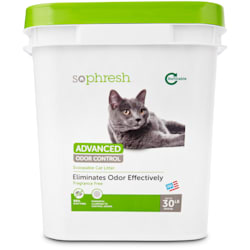
Litter prices average less than $10 for an 8-pound bag, but many different kinds of litter are available. The type you choose will play a significant role in the cost, and it may take some trial and error to find the litter your cat likes best.
Along with litter, you’ll need to purchase at least two litter boxes for your kitten in a single cat household. A simple litter box will likely cost $15–$40, depending on the style, while self-cleaning litter boxes can be hundreds of dollars.
During the first year of your kitten’s life, accidents and messes are sure to occur—it’s all part of your kitten growing up! Make sure to have ample cleaning supplies on hand, such as sprays and wipes. You can expect to spend $12–$50 per product, or approximately $75–$125 a year.
Keeping your kitten safe is important, even if they are an indoor-only cat—cats can be expert escape artists!
Make sure to purchase the following safety supplies:
An ID tag typically costs $9–$22 and allows you to keep your contact info and your kitten’s name handy if they get out of the house and are found by someone else.
A collar or harness typically costs $6–$15 and gives you a place to clip your kitten’s ID tag. Additionally, harnesses are key if you decide you want to leash-train your kitten.
The right exercise and play supplies will support your kitten bonding with you, which helps promote their social health, and keeping your kitten active contributes to their physical and mental health so you can enjoy more years together.
Plan to stock your home with the following supplies:
When you first welcome your kitten home, be sure to have a few cat toys already on hand, and as you get to know them, consider purchasing a few different kinds of toys to learn more about their play preferences. Cat toys can range anywhere from $1 to more than $20.
A cat perch or tree can give your kitten the ability to escape daily life and get away from any stressors. Perches and cat trees cost $50–$150+.
Scratching helps cats keep their nails healthy and is a part of their grooming routine. Giving your kitten an appropriate place to scratch can help save them from scratching something they shouldn’t. A scratching post costs around $25–$50.
While cats can do most of their own grooming, it’s a good idea to get your kitten accustomed to a brush early in life. This can help reduce the amount of hair they ingest each day, which can help prevent matting in long-haired cats and reduce the occurrence of hair balls, as well as the amount of cat hair shed throughout your house. And as your cat gets older, they might need a little help with grooming.
Grooming brushes for cats range between $5 and $10.
While you may only think about pest prevention during peak seasons, it’s important to keep your pet protected year-round to reduce the possibility of a home infestation, allergic reaction and severe issues, like flea anemia. Flea & tick preventive methods typically cost around $40–50 per pack; how long they last depends on the form (collar, topical or chew) you purchase.
Purchasing pet insurance is a great way to prepare for your kitten’s first year and the years ahead. Insurance can help cut down on the amount you spend out of pocket during medical emergencies.
Insurance costs will vary based on your kitten’s breed and your deductible, and you'll need to get a specific quote for your pet, but some general estimates include:
Mixed Breed: $32 per month
Domestic Shorthair: $34 per month
American Shorthair: $34 per month
Siamese: $36 per month
Maine Coon: $38 per month
These are the average prices for an accident and illness plan for a 3-year-old cat with a $250 deductible and 90% reimbursement. If you choose a higher deductible, you will pay less for pet insurance per month. If you choose a lower reimbursement rate, you will pay less each month for a policy because the plan will pay less when you claim.
In addition to up-front costs, it can be helpful to put away some money in an emergency fund for your kitten.
A general recommendation is to have $2,000 on hand, especially if your kitten does not have insurance.